About Course
Namaste, Students!
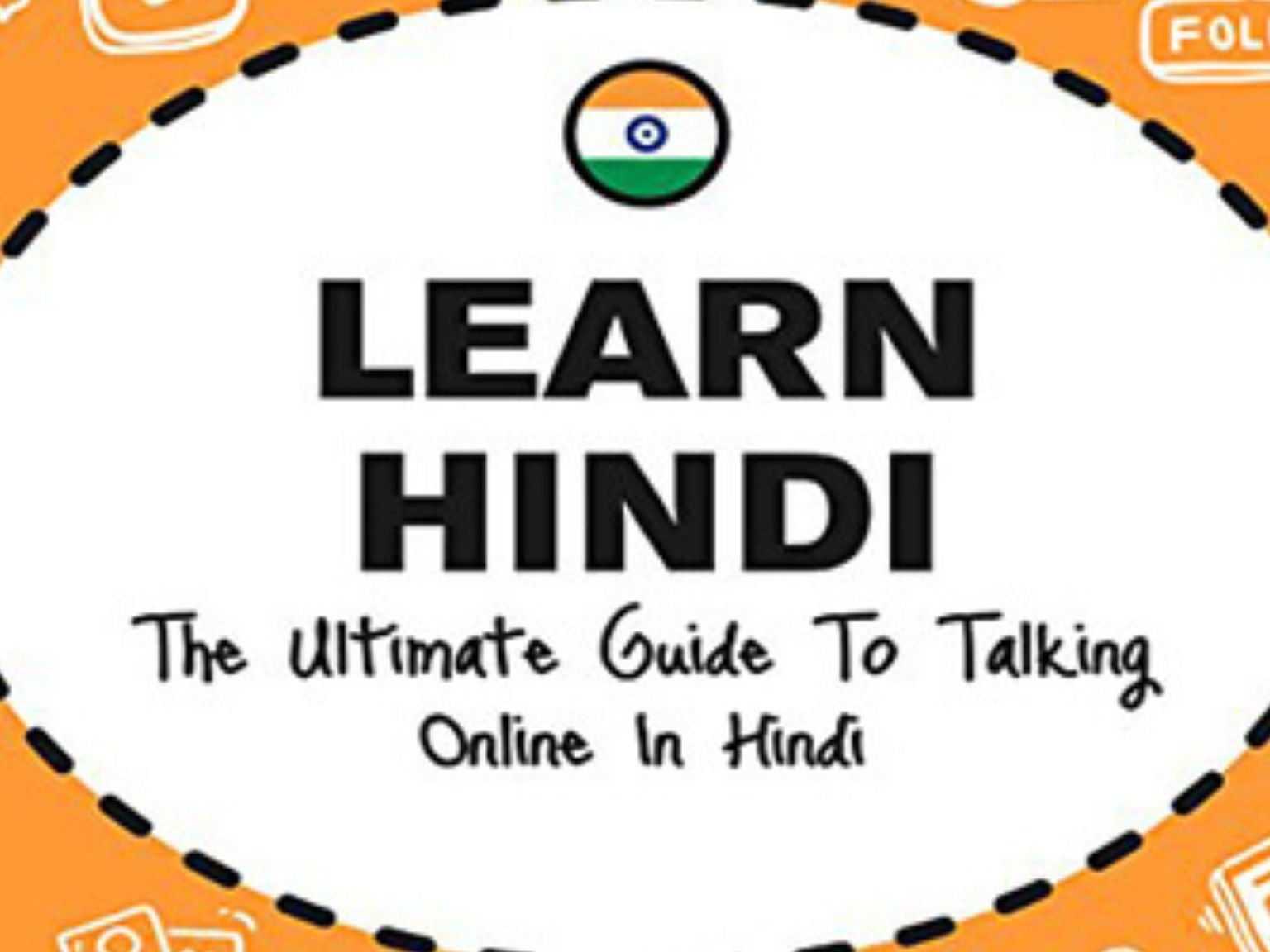
Our Hindi language course is thoughtfully designed to help learners of all levels build a strong foundation in the language while developing confidence in communication.
The curriculum covers all aspects of Hindi learning:
- Grammar – Build accuracy and understand sentence structures.
- Vocabulary – Learn practical and age-appropriate words and phrases.
- Listening & Speaking – Develop fluency and natural conversational skills.
- Reading & Writing – Improve comprehension and expression in Hindi script.
To keep learning engaging and effective, we use a variety of resources, such as:
- Interactive videos and audio recordings
- Fun quizzes and exercises
- Cultural references and stories from India
Why Learn Hindi?
- Hindi is the fourth most-spoken first language in the world.
- It belongs to the Indo-Aryan branch of the Indo-European language family.
- During India’s freedom struggle, Hindi was adopted by leaders as a symbol of national identity, making it not just a language but also a cultural heritage.
About Winquest
At Winquest Online, we believe learning should be engaging, structured, and culturally enriching. Our mission is to make quality education accessible to children worldwide, with a special focus on languages, arts, and academic enrichment programs.
With our Hindi Language Course, we bring the richness of India’s heritage to students across the globe. Our classes are:
- Age-appropriate – Designed for learners aged 6–16
- Structured & Level-based – Beginner to advanced pathways for steady progress
- Curriculum-driven – Based on NCERT guidelines to ensure strong foundations
- Interactive & Fun – Using videos, audio recordings, quizzes, and stories to keep students engaged
At Winquest, we understand that learning a new language is not just about memorizing words—it’s about building confidence, cultural connection, and communication skills.
By enrolling in Winquest Online’s Hindi program, your child will gain:
- Strong reading, writing, and speaking skills in Hindi
- Exposure to Indian culture, stories, and traditions
- A supportive and motivating online classroom environment
Our vision is to empower students to connect globally while staying rooted in culture
Course Content
Module 1: Introduction to Tabla
- Overview of tabla and its history.
- Understanding the structure and components of the tabla.
- Introduction to the different strokes (bols) and their notation.
- Proper hand positions and posture for tabla playing.
Module 2: Fundamentals of Rhythm
- Introduction to taals (rhythmic cycles) in Indian classical music
- Study of common taals such as Teental, Dadra, and Rupak
- Practice of playing the taals with different variations and speeds
- Exercises for internalizing the taal and maintaining a steady tempo
- Introduction to the concept of laya (tempo) and its significance in tabla playing.
Module 3: Basic Techniques and Patterns
- Detailed study of the fundamental tabla strokes: “Dha,” “Dhin,” “Na,” “Tin,” and “Tun”.
- Combination of strokes to create basic patterns (theka) for each taal
- Practice of playing thekas with different variations and embellishments
- Introduction to the concept of tihai (repetition of a phrase) and its application in tabla playing.
- Exercises for improving finger control, speed, and clarity of strokes.
Module 4: Composition and Improvisation
- Introduction to traditional compositions (kaidas, relas, tukdas) in tabla playing.
- Learning and practicing popular compositions in different taals
- Techniques for improvisation within the given taal and composition
- Exploring different ways to create variations and develop creative expression
- Introduction to accompanying other musicians and playing in an ensemble setting.
Module 5: Advanced Techniques and Repertoire
- Study of advanced strokes and techniques, including “Ghe,” “Ke,” “Tirkit,” and “Tirakita”
- Practice of complex patterns and compositions in challenging taals
- Exploration of advanced rhythmic structures and their application in tabla playing
- Introduction to the concept of layakari (rhythmic embellishments) and techniques for its execution
- Study of tabla solos (tabla peshkar, kayda, gat) and their performance techniques.
Module 6: Aesthetics and Musicality
- Understanding the aesthetic aspects of tabla playing, including tonal quality and dynamics.
- Study of tabla repertoire from different gharanas (schools) and styles
- Exploring the nuances of accompanying various genres of Indian classical music.
- Developing a sense of musicality, improvisation, and expression in tabla playing.
- Introduction to the concept of layakari (rhythmic embellishments) and techniques for its execution.
Module 7: Performance Preparation
- Techniques for tuning and maintaining the tabla
- Practice strategies for refining technique, speed, and accuracy
- Developing stage presence and performance skills
- Exploring opportunities for live performances and collaborations
- Final project: Solo or ensemble performance by the students, with guidance and feedback from the instructor.





























Reviews
There are no reviews yet.