About Course
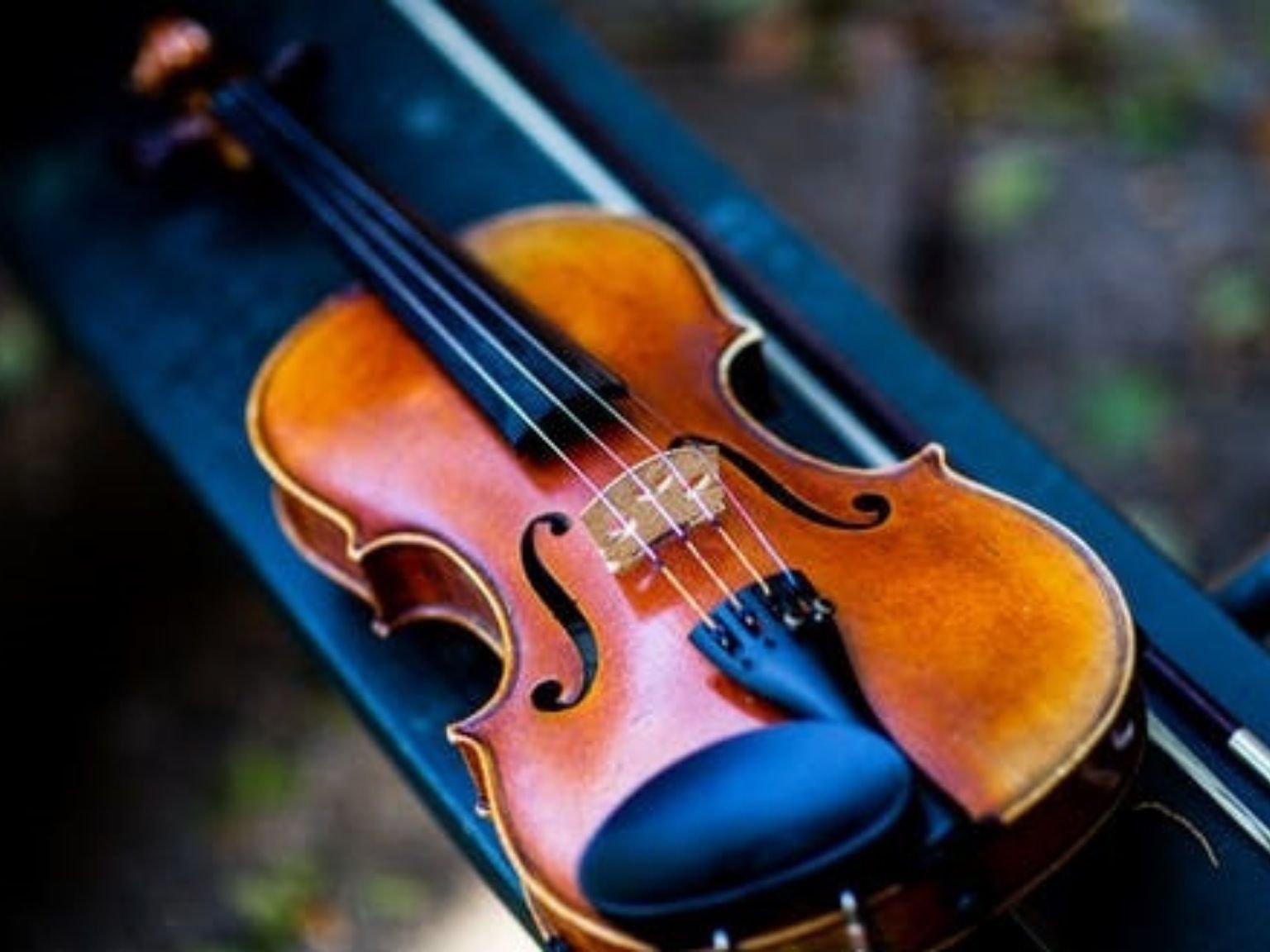
Discover the captivating beauty of the violin and unlock your musical potential with our comprehensive online resources and expert guidance. Whether you’re a complete beginner or an experienced player, our website is designed to provide valuable information, resources, and support to violin enthusiasts of all levels.
Our online violin classes are designed to provide students with a comprehensive learning experience and help them develop the necessary skills and knowledge to play the violin with confidence and musicality. The course objectives are as follows:
Fundamentals:
- Understand the parts of the violin and their functions.
- Develop proper posture, bow hold, and left-hand position.
- Learn correct bowing techniques and bow control.
- Develop finger placement and intonation accuracy.
Technique:
- Master various bowing techniques, including legato, staccato, spiccato, and martelé.
- Develop left-hand techniques such as shifting, vibrato, and trills.
- Improve finger dexterity and agility through exercises and scales.
- Explore bowing exercises to enhance control, tone production, and dynamics.
Music Theory and Sight-Reading:
- Understand key signatures, time signatures, and basic music theory concepts.
- Read and interpret sheet music notation for violin.
- Develop sight-reading skills to play music accurately and confidently.
- Gain a deeper understanding of musical phrasing and dynamics.
Repertoire:
- Explore a diverse range of violin repertoire from different musical periods and genres.
- Learn to perform solo pieces, etudes, and violin concertos.
- Develop interpretive skills to bring out the expressive qualities of the music.
- Expand repertoire knowledge and explore lesser-known compositions.
Ensemble Playing:
- Gain experience playing in duets, string quartets, or orchestras (virtual or in-person).
- Develop ensemble skills, including listening, blending, and following a conductor.
- Understand the role of the violin within an ensemble and how to contribute effectively.
Performance Skills:
- Build confidence in solo and ensemble performances.
- Develop stage presence, poise, and communication skills.
- Learn techniques to manage performance anxiety and enhance stage performance.
Musicianship and Interpretation:
- Develop musicality, expression, and sensitivity in playing.
- Understand the nuances of phrasing, dynamics, and articulation.
- Explore different musical styles and learn to adapt playing techniques accordingly.
- Develop a personal interpretation of the music and convey emotions through performance.
Personal Growth and Enjoyment:
- Foster a lifelong love and appreciation for playing the violin.
- Experience the joy and fulfillment of making music.
- Set personal goals and track progress throughout the course.
About Winquest
The violin is renowned for its rich, expressive sound and its ability to evoke powerful emotions. It is a versatile instrument that can be found in various genres of music, including classical, jazz, folk, and pop. Learning to play the violin offers a multitude of benefits, including improved cognitive skills, enhanced dexterity, and a deeper understanding of music theory and composition.
Course Content
Course Contents for Violin
Module 1: Introduction to the Violin
- Overview of the violin’s anatomy and how to properly care for the instrument.
- Proper posture, bow hold, and left-hand position for optimal technique.
- Bowing techniques: straight bowing, bow distribution, and control.
- Introduction to the first position and finger placement exercises.
Module 2: Essential Techniques and Skills
- Develop bowing techniques: legato, staccato, spiccato, and martelé.
- Left-hand techniques: shifting, vibrato, and trills.
- Enhancing intonation and finger accuracy through scales and exercises.
- Rhythm and bow coordination exercises for improved timing and musicality.
Module 3: Music Theory and Sight-Reading
- Introduction to key signatures, time signatures, and basic music theory concepts.
- Sight-reading exercises to develop fluency in reading sheet music.
- Understanding dynamics, articulations, and musical phrasing.
- Exploring different musical styles and genres.
Module 4: Repertoire
- Explore a diverse range of violin repertoire, including classical, folk, and contemporary pieces.
- Learn solo pieces, etudes, and violin concertos.
- Interpretive skills: bringing out the musicality and expression in your playing.
- Practice strategies for effective learning and memorization.
Course Contents for Viola:
Module 1: Introduction to the Viola
- Overview of the viola: history, construction, and parts of the instrument.
- Proper viola posture, holding the instrument, and bow technique.
- Introduction to basic fingerings and pitch production on the viola.
Module 2: Essential Techniques
- Bowing techniques: bow strokes, articulations, and dynamics.
- Left-hand techniques: finger placement, shifting, and vibrato.
- Bow-arm development and control.
- Intonation exercises and ear training.
Module 3: Music Theory For Viola Player
- Introduction to music notation and reading sheet music.
- Understanding key signatures, scales, and intervals.
- Rhythmic notation and counting.
- Sight-reading exercises and practice
Module 4: Building Viola Repertoire:
- Exploring beginner-level viola repertoire, including etudes, exercises, and short pieces.
- Introduction to various musical styles, such as classical, folk, and contemporary.
- Analysis and interpretation of selected repertoire.
- Techniques for effective practice and memorization.
Module 5: Exploring Viola Specializations
- Introduction to orchestral playing and ensemble skills.
- Chamber music performance and collaboration.
- Extended techniques and contemporary repertoire.
- Introduction to improvisation and viola in non-classical genres.












































Reviews
There are no reviews yet.