

Course Details
Social Studies Grade 9-10
Social Studies Grade 9-10
Why Choose Online Social Studies Grade 9-10 Classes?
Overview
Social Studies Grade 9-10 is high-school humanities - History, Geography, Civics, Economics. WinQuest delivers it aligned to your board: US world / US history strands, Ontario CHC2D / CGC1D, Australian v9.0 HASS, CBSE / ICSE Class 9-10 (separate Hist / Geo / Civics / Econ chapters), Cambridge IGCSE History (0470) or Geography (0460), and Singapore O-level Combined Humanities.
What You'll Learn
- Live interactive sessions
- 1st one-on-one session
- Comprehensive curriculum
- No long-term commitment
- Personalized learning plan
Grade 9
Ancient Civilisations+
- Mesopotamia (3500 BCE; Tigris-Euphrates; cuneiform), Egypt (Nile; pyramids; hieroglyphics), Indus Valley (Harappa, Mohenjo-Daro), China (Shang, Zhou dynasties).
- Classical Greece (city-states; Athens democracy; Sparta military; Alexander 336-323 BCE) and Rome (Republic 509 BCE; Empire 27 BCE - 476 CE).
- Comparative civilisations - written language, government, religion, social hierarchy, technology, art across early civilisations.
Medieval & Early Modern World+
- Medieval Europe (feudalism, Crusades 1095-1291) and Islamic world (Caliphates: Umayyad, Abbasid; Golden Age 8th-13th c.; Al-Andalus).
- Renaissance (Italy 14th-17th c.; Leonardo, Michelangelo, humanism), Reformation (Luther 1517; Calvin; Counter-Reformation), Age of Exploration (Columbus 1492; da Gama).
- Asian empires - Ming (1368-1644; Zheng He voyages), Ottoman (1299-1922; Suleiman, Constantinople 1453), Mughal (Akbar, Aurangzeb).
Modern Era - Revolutions+
- Scientific Revolution (Galileo, Newton 17th c.) and Enlightenment (Locke, Voltaire, Rousseau 18th c.; reason, individual rights).
- French Revolution (1789; Bastille; Declaration of Rights of Man; Terror 1793-94) and Napoleonic Wars (1803-15; Waterloo 1815).
- Industrial Revolution (Britain 1760-1840; steam engine, factory system, urbanisation) and its impact (working class, child labour).
Geography & Civics+
- World regions (continents, climates, cultures) and human geography (population distribution, urbanisation, migration).
- US Constitution (1787; 7 articles; Preamble; Federalism) and Bill of Rights (1791; first 10 amendments).
- Foundations of US democracy - rule of law, separation of powers, checks and balances, individual rights, popular sovereignty.
Canada 1914-1929+
- WWI and Canada's role - declared war alongside Britain in 1914; 600,000+ served; Halifax Explosion 1917.
- Vimy Ridge (April 1917; Canadian Corps captured strategic ridge; 3,598 killed, 7,000 wounded) and military contributions.
- Post-war society (1920s; women's suffrage federal 1918, prov. earlier) and roaring twenties (jazz, prosperity, cars).
Canada 1929-1945+
- Great Depression in Canada (1929-39; 30% unemployment in worst year; Prairie dust bowl; Bennett Buggies; relief camps).
- WWII and the home front (1939-45; rationing, war bonds, women in workforce; D-Day Juno Beach 1944; internment of Japanese Canadians).
- Canada's role on the world stage - emerging middle power; Bretton Woods, UN founding 1945.
Canada 1945-1982+
- Post-war prosperity (1945-60s; baby boom; suburbs; consumer culture; auto industry; welfare state with healthcare 1968).
- Quebec's Quiet Revolution (1960-66; Jean Lesage; secularisation; nationalism; FLQ crisis 1970).
- Multiculturalism (Trudeau 1971; policy then law 1988) and constitutional change (1982 Constitution Act, patriation).
Canada 1982-Present+
- Charter of Rights and Freedoms (1982; fundamental, democratic, mobility, legal, equality, language, minority rights).
- Indigenous rights and reconciliation (Truth and Reconciliation Commission 2008-15; 94 Calls to Action; UNDRIP).
- Canada in the global community - peacekeeping (Suez 1956; Lester Pearson Nobel), NATO, G7, climate action.
History - Making a Better World?+
- Industrial Revolution (Britain 1760-1840; steam, factories, urbanisation, child labour) - "Making a Better World?" question.
- Movement of peoples - convict transportation to Australia (1788-1868; 162,000 convicts); gold rushes 1851; post-WWII migration.
- Progressive ideas and movements - abolition of slavery 1833, women's suffrage (Australia federal 1902), trade unions, public education.
Geography - Biomes & Food Security+
- Biomes of the world - tropical rainforest, savanna, desert, temperate forest, taiga, tundra, alpine, marine, freshwater.
- Food production challenges - feeding 8 billion humans, declining arable land, water scarcity, climate impacts, food waste.
- Sustainable food (organic, vertical farming, GMOs debate) and water management (drip irrigation, desalination).
Geography - Interconnections+
- Globalisation (worldwide interconnection - economic, political, cultural, technological; WTO 1995; supply chains).
- Trade and movement of people (migration), goods (containerisation 1956; Aus exports = iron ore, coal, gas).
- Cultural and economic interconnections - Hollywood, K-pop, Bollywood; FDI; remittances ($800B globally).
Civics & Economics+
- Democratic government (Westminster system; PM + Cabinet) and political participation (compulsory voting from 18; preferential voting).
- Justice system in Australia - common law tradition; High Court of Australia; state Supreme Courts; trial by jury.
- Globalisation and the Australian economy - mining boom 2000s; Asia trade pivot; services economy; floating dollar 1983.
History - India and the Contemporary World I+
- French Revolution (1789-99; estates-general; storming of Bastille July 14; Declaration of Rights of Man; Robespierre; Napoleon).
- Socialism in Europe (Marx, Engels - Communist Manifesto 1848) and the Russian Revolution (Feb + Oct 1917; Bolsheviks; Lenin; USSR).
- Nazism and the rise of Hitler (NSDAP, Mein Kampf 1925; appointed Chancellor 1933; Enabling Act; Holocaust).
History (cont.)+
- Forest society and colonialism - Indian Forest Acts 1865+1878; commercial timber; tribal rebellions (Bastar 1910).
- Pastoralists in the modern world - Maasai (Kenya), Gujjars + Bakarwals (India), Mongol nomads; loss of grazing land.
- Peasants and farmers - Enclosure movement England, US wheat farmers, India's zamindars + ryots.
Geography - Contemporary India I+
- India - size (3.28 million sq km, 7th largest) and location (8d 4' N to 37d 6' N latitude; tropical + temperate); physical features (Himalayas, plains, plateau, coasts, islands).
- Drainage (Himalayan rivers: Ganga, Brahmaputra, Indus; Peninsular: Godavari, Krishna, Cauvery); climate (tropical monsoon; 6 seasons).
- Natural vegetation (tropical evergreen, deciduous, thorn, mangrove) + wildlife (Project Tiger 1973); population (1.4 billion 2022; world's most populous).
Civics & Economics+
- Democracy in the contemporary world - rise + decline; ~60% of countries democratic; Freedom House index; challenges.
- What is democracy (universal suffrage; free elections; rule of law) / why democracy; constitutional design (separation of powers; federalism).
- Story of village Palampur (case study of mixed farming), people as resource (HDI), poverty (multidimensional measures), food security (PDS, MSP).
History+
- Harappan civilisation (Indus Valley; 2600-1900 BCE; Mohenjo-Daro, Harappa; town planning; pictographic script) and Vedic age (Rig Veda 1500-1000 BCE).
- Mahajanapadas (16 great states; 600-300 BCE; Magadha pre-eminent) and Mauryan empire (322-185 BCE; Chandragupta, Ashoka 268-232 BCE; edicts).
- Sangam age (Tamil literature; 300 BCE - 300 CE; Cholas, Cheras, Pandyas) and Gupta empire (320-550 CE; golden age; Aryabhata, Kalidasa).
Civics+
- Our Constitution - drafted by Constituent Assembly (1946-50); adopted Jan 26 1950; longest written constitution in the world.
- Salient features - federal with unitary bias, parliamentary government, fundamental rights, directive principles, secular, socialist.
- Citizens of India - citizenship (by birth, descent, registration, naturalisation; CAA 2019); fundamental duties (Article 51A).
Geography+
- Earth as a planet - shape (oblate spheroid), size (12,742 km diameter), motions (rotation 24h, revolution 365.25 days); geographic grid (latitude + longitude).
- Rocks - types (igneous from cooling magma; sedimentary from compaction; metamorphic from heat + pressure) and rock cycle.
- Earthquakes (caused by plate movement; Richter scale magnitude; epicentre, focus) and volcanoes (active vs dormant vs extinct; types: shield, composite).
Geography (cont.)+
- Atmosphere - composition (78% N2, 21% O2, 1% other) and layers (troposphere, stratosphere, mesosphere, thermosphere, exosphere).
- Weather elements - temperature (Celsius, isotherms), pressure (millibars; isobars), winds (Coriolis effect; trade winds).
- Practical map work - reading topographic maps; scale (1:50,000 etc.); contours; cross-sections; symbols; ICSE practical exam.
Core Content - 19th Century+
- European powers 1815-1914 - Congress of Vienna 1815; Concert of Europe; Crimean War 1853-56; Bismarck's Germany; alliance system.
- Industrial revolution and its impact - Britain leads; spread to Europe + USA; railways, telegraph, factory system, working class formation.
- Unification of Germany (Bismarck; Franco-Prussian War 1870-71; Empire proclaimed 1871) and Italy (Cavour, Garibaldi; 1870).
Core Content - 20th Century+
- Causes of WWI (MAIN: Militarism, Alliances, Imperialism, Nationalism; Sarajevo June 1914); Treaty of Versailles (1919; harsh on Germany; war guilt).
- League of Nations (1920; lacked power, no USA; failed: Manchuria 1931, Abyssinia 1935) and inter-war problems (Great Depression 1929).
- Causes of WWII (rise of Hitler, appeasement, Polish invasion Sept 1939); Cold War origins (Yalta 1945, Truman Doctrine 1947).
Depth Studies (choice)+
- Germany 1918-1945 (Weimar Republic, Hitler rise, Nazi state, WWII, Holocaust) OR Russia 1905-1941 (1905 Revolution, 1917 revolutions, Lenin, Stalin).
- OR USA 1919-1941 (Boom + Bust + New Deal) OR China 1900s-1989 (Qing fall, Mao, Cultural Revolution, Deng reforms).
- OR a 20th century war study - WWI, WWII, or Cold War conflicts (Korea, Vietnam, Falklands).
Source Skills+
- Source analysis - reliability (who, when, why; provenance), usefulness (purpose, audience, context).
- Comparison (similarities + differences between sources) and inference (drawing valid conclusions from source content).
- Past paper practice - 5 years of Paper 1 + Paper 2; mark scheme calibration; A* targeting.
Population & Settlement+
- Population growth (demographic transition model: high BR + DR -> low BR + DR) and migration (push-pull factors; refugees).
- Settlement (site, situation, function; hierarchy: hamlet -> city) and urbanisation (55% world urban; megacities Tokyo, Delhi).
- Urban land use (CBD, residential, industrial, transition zones; Burgess + Hoyt models) and problems (congestion, slums, pollution).
The Natural Environment+
- Plate tectonics (constructive: divergent; destructive: subduction; conservative: transform); earthquakes (Richter, Mercalli); volcanoes.
- Rivers (upper: V-valley; middle: meander; lower: delta), coasts (erosion features: cliffs, arches; deposition: beaches, spits), weather + climate.
- Ecosystems (energy flow, nutrient cycles) and biodiversity (hotspots, threats, conservation; CITES, Ramsar wetlands).
Economic Development+
- Development indicators - GDP (gross domestic product per capita), HDI (life expectancy + education + income), Gini coefficient.
- Agriculture (subsistence vs commercial; arable, pastoral, mixed; Green Revolution), industry (LICs, MICs, HICs), tourism (mass vs eco).
- Energy (fossil fuels vs renewables; nuclear) and water resources (scarcity in 25 countries; desalination; rainwater harvesting).
Map Skills+
- OS (Ordnance Survey) maps, scale (representative fraction, line, statement), direction (4 + 8 + 16 cardinal points), contours (elevation lines).
- Photograph analysis (aerial, satellite, oblique; identifying features) and graph interpretation (line, bar, pie, scatter; trends).
- Past paper map work - sketch maps, choropleth, isoline; 5 years of Paper 2 practice.
Social Studies+
- Living in a multi-racial society - Singapore's CMIO model; common space (NDP, racial harmony day); managing differences.
- Globalisation and Singapore - benefits (trade, investment) + challenges (income inequality, cultural impact, vulnerability to shocks).
- Conflict and cooperation - sources of conflict (resources, identity); cooperation mechanisms (treaties, UN, ASEAN).
History (Elective)+
- WWI (causes: MAIN; consequences: Treaty of Versailles, League of Nations) and WWII (causes: Hitler + Japan; consequences: UN, Holocaust, Cold War).
- Cold War origins (Yalta 1945, Iron Curtain 1946, Truman Doctrine + Marshall Plan 1947) and key events (Cuban Missile Crisis 1962, fall of Berlin Wall 1989).
- Singapore's independence (1959 self-government, 1963 merger with Malaysia, 1965 expulsion; nation-building under Lee Kuan Yew).
Geography (Elective)+
- Tourism - opportunities (employment, FX, infrastructure) and challenges (environmental damage, cultural erosion, seasonality).
- Food resources - production (Green Revolution, GMOs, organic) and security (8 billion to feed; SDG 2 zero hunger).
- Plate tectonics (constructive, destructive, conservative boundaries) and natural hazards (earthquakes, volcanoes, tsunamis).
Source Skills+
- Source-based questions - extracting information; identifying purpose; evaluating reliability; comparing across sources.
- Inference (drawing conclusions from sources), reliability (provenance, content, context), comparison (similarities + differences).
- Essay writing (intro, paragraphs with claim + evidence + analysis + link, conclusion) and past paper drills.
Grade 10
Pre-Civil War America+
- Colonial era (13 colonies; Jamestown 1607, Plymouth 1620) to Revolution (Stamp Act 1765, Boston Tea Party 1773, Declaration 1776, Yorktown 1781).
- Constitution (1787; ratified 1788) and early republic (Washington 1789, Adams, Jefferson, Madison, Monroe; Louisiana Purchase 1803).
- Sectionalism (North industrial / South agrarian; slavery debate) and road to war (Compromise 1850, Kansas-Nebraska 1854, Lincoln election 1860).
Civil War & Reconstruction+
- Causes (slavery, states' rights, sectionalism, economic differences) and major events (Fort Sumter 1861, Emancipation 1863, Surrender 1865).
- Lincoln (16th President, Emancipation, Gettysburg Address 1863), Grant (Union general, then 18th President), Lee (Confederate general); key battles - Bull Run, Antietam, Gettysburg, Vicksburg.
- Reconstruction (1865-77) and end of slavery (13th Amendment abolished 1865; 14th citizenship 1868; 15th vote 1870; Jim Crow followed).
Industrial Age & WWI+
- Industrialisation (Carnegie steel, Rockefeller oil, robber barons) and immigration (Ellis Island 1892-1954; 14M immigrants 1880-1920).
- Progressive Era reforms (1890s-1920s) - trust-busting (Sherman 1890), women's suffrage (19th Amendment 1920), Prohibition (18th 1919-33).
- WWI (US entered 1917; 14 Points; Versailles 1919) and Roaring 20s (jazz, flappers, mass production, stock market boom; ends with 1929 crash).
Modern America+
- Great Depression (1929-39; 25% unemployment) and New Deal (FDR 1933-39; Three Rs: Relief, Recovery, Reform; Social Security 1935).
- WWII (US joined Dec 1941 after Pearl Harbor; D-Day June 1944; atomic bombs Aug 1945) and Cold War (1947-91; containment; Korea, Vietnam, Cuba).
- Civil Rights (Brown v Board 1954; MLK; Civil Rights Act 1964; Voting Rights Act 1965) and modern era (post-Cold War, 9/11, digital age).
Geographic Inquiry+
- Asking geographic questions - 5 themes (location, place, human-environment, movement, region); the geographic inquiry process.
- Gathering data (primary: fieldwork, surveys; secondary: census, GIS, satellite) and analysing (mapping, charts, statistics).
- Spatial significance (why a place matters, distinctness) and patterns (clusters, dispersion, gradients, hierarchies).
Interactions in Physical Environment+
- Earth systems - climate (Koppen classification), water (hydrological cycle), landforms (mountains, plains; result of tectonics + erosion).
- Natural hazards in Canada (earthquakes BC; floods Prairies; ice storms; wildfires BC + ON) and world (cyclones Bangladesh, droughts Sahel).
- Sustainability (meeting current needs without compromising future) and stewardship (responsibility for environmental protection).
Managing Canada's Resources+
- Renewable resources (solar, wind, hydro, biomass) and non-renewable (oil, gas, coal, uranium; finite).
- Resource sustainability - using resources at rates that don't exceed regeneration; circular economy; sustainable forestry.
- Economic and environmental tradeoffs - jobs vs ecology; Alberta oil sands debate; Pacific salmon fisheries; mining.
Changing Populations+
- Population growth (8 billion 2022) and demographic shifts (ageing in HICs, youth bulge in LICs; demographic transition model).
- Migration (Canada immigration target 500,000/year; refugees from Syria, Ukraine) and urbanisation (Canada 82% urban; Toronto, Montreal, Vancouver).
- Quality of life and human development - HDI (life expectancy + education + income), Gini coefficient, Sustainable Development Goals.
History - Modern World & Australia+
- WWII - causes (Hitler rise, Treaty of Versailles, appeasement, Polish invasion 1939), course (European + Pacific theatres), consequences (UN, Cold War, Holocaust).
- Rights and freedoms - Indigenous (Stolen Generations; Mabo case 1992; native title), civil (1967 referendum; Mabo Day).
- Globalisation (post-1970s; trade liberalisation; multinationals) and popular culture (Hollywood, K-pop, social media).
Geography - Environmental Change+
- Environmental change (climate change, deforestation, ocean acidification) and management (national parks, marine reserves, environmental impact assessments).
- Geographies of human wellbeing - HDI, Gini coefficient, SDGs; uneven distribution; remote Indigenous communities in Australia.
- Sustainable futures - renewable energy (Australia solar potential), water management, sustainable agriculture, circular economy.
Civics & Citizenship+
- Australia's democratic system - Westminster parliamentary; PM + Cabinet; House of Reps (150 MPs) + Senate (76 senators); High Court.
- Australia's role in global affairs - middle power; UN, G20, ASEAN+, Five Eyes intelligence; ANZUS treaty 1951; AUKUS 2021.
- Civic participation and democracy - compulsory voting (from 18, fine for non-vote); preferential voting; political parties.
Economics & Business+
- Economic performance (GDP, GDP per capita, inflation, unemployment, current account) and government (fiscal + monetary policy).
- Australia in the global economy - mining exports (iron ore + coal to China + Japan), services (education + tourism), free trade agreements.
- Work and work futures - gig economy, automation + AI impact on jobs, lifelong learning, casualisation of workforce.
History - India and the Contemporary World II+
- Rise of nationalism in Europe (1815-1914; Italy unification 1870, Germany 1871, Balkan nationalism leads to WWI).
- Nationalism in India (Gandhi's Champaran 1917, Non-Cooperation 1920-22, Civil Disobedience 1930 with Salt March, Quit India 1942; freedom 1947).
- Making of a global world (silk routes, slavery, indentured labour); age of industrialisation (proto-industrialisation); print culture (printing press, manuscripts, magazines).
Geography - Contemporary India II+
- Resources (renewable, non-renewable; biotic, abiotic; potential, developed) and development (sustainable development; conservation).
- Forest and wildlife resources (Project Tiger 1973; biodiversity hotspots Western Ghats); water resources (Bhagirathi-Ganga; Narmada).
- Agriculture (kharif, rabi, zaid; Green Revolution; PDS), minerals (Fe in Jharkhand, Cu in MP, Au in Kolar), energy (coal 55%, oil, solar boom), manufacturing, lifelines (roads, railways, ports).
Civics - Democratic Politics II+
- Power sharing (horizontal among organs; vertical across levels; community based); federalism (centre + states); democracy and diversity (Belgium + Sri Lanka comparison).
- Gender (literacy 65% vs 82% male; female labour participation 30%), religion (secular state), caste (SC, ST, OBC reservation); popular struggles + movements.
- Political parties (national: BJP, Congress; regional: TMC, DMK); outcomes of democracy (accountability, dignity, growth); challenges to democracy (corruption, criminalisation).
Economics - Understanding Economic Dev.+
- Development (income, social, environmental indicators; HDI; sustainable development); sectors of the Indian economy (primary 45% workforce, secondary, tertiary; organised vs unorganised).
- Money and credit - money supply (M1, M3); commercial banks; RBI as central bank; formal vs informal credit (Microfinance, SHGs).
- Globalisation (1991 LPG reforms - Liberalisation, Privatisation, Globalisation); consumer rights (COPRA 1986; right to safety, info, choice, redressal).
History+
- First War of Independence 1857 (Sepoy Mutiny; causes: cartridges, doctrine of lapse; Rani of Jhansi, Mangal Pandey; Crown takes over 1858).
- Growth of nationalism - Indian National Congress 1885; Partition of Bengal 1905; Swadeshi movement; All India Muslim League 1906.
- Mahatma Gandhi (Champaran 1917, Non-Cooperation 1920-22, Salt March 1930, Quit India 1942) and the freedom struggle to 1947.
History (cont.)+
- World War I (1914-18; MAIN causes; trench warfare; Treaty of Versailles 1919) and Russian Revolution (Feb + Oct 1917; Bolsheviks; USSR 1922).
- World War II (1939-45; Hitler invades Poland; Holocaust kills 6M Jews; atomic bombs end Pacific war) and rise of fascism (Mussolini Italy 1922, Hitler Germany 1933, Franco Spain 1939).
- United Nations (founded 1945; 51 founding members; UNGA, UNSC, ICJ, Secretariat) and Cold War (1947-91; USA-USSR rivalry; NATO 1949 vs Warsaw Pact 1955).
Civics+
- Three organs of government - legislature (Parliament: LS + RS), executive (PM + Council of Ministers), judiciary (SC + HCs + lower courts).
- Union and state governments - Union list (defence, foreign affairs), State list (police, public health), Concurrent list (education, marriage).
- United Nations - 6 main organs (UNGA, UNSC, ECOSOC, Trusteeship Council, ICJ, Secretariat); peacekeeping; humanitarian aid; specialised agencies (WHO, UNESCO, UNICEF).
Geography+
- India - location (tropical + subtropical), climate (tropical monsoon; 4 seasons), soils (alluvial, black, red, laterite), natural vegetation (forests, grasslands), water resources (rivers, lakes, groundwater).
- Minerals (iron in Jharkhand, copper in MP, gold in Kolar) and energy (coal 55%, hydro, nuclear, solar); agriculture (Green Revolution), manufacturing industries.
- Transport (roadways 5.5 M km, railways 67k km, airways, waterways, pipelines) and waste management (3 Rs: reduce, reuse, recycle; municipal solid waste).
Past Paper Drilling - Paper 1+
- Core content questions - 19th + 20th century (19th-century European powers; 20th-century WWI/WWII; Cold War origins).
- Depth study questions - chosen topic (Germany 1918-45, Russia 1905-41, USA 1919-41, China 1900s-89).
- Time management - 2 hours; allocate ~30 min per question; plan before writing; mark scheme calibration.
Past Paper Drilling - Paper 2+
- Source-based 20th century topic (one of: Inter-war years, Cold War, Vietnam War, fall of USSR) - 5 sources to analyse.
- 6 questions with source-skills focus (extracting info, identifying purpose, comparing, evaluating reliability, drawing conclusions).
- Reliability (who, when, why provenance), purpose (intent of source creator), comparison (similarities + differences).
Coursework / Paper 4 (alternative)+
- Historical investigation - 2000 words on a chosen depth-study topic; 40 marks; assess sources + form judgement.
- OR Paper 4 alternative to coursework (1 hour; 40 marks; structured questions on depth study).
- Past paper practice - 5 years of papers; examiner reports; A* targeting strategies.
Exam Strategy+
- A* targeting (>= 90%) and mark-scheme calibration (matching responses to examiner expectations; key phrases).
- Full mocks - Paper 1 (2 hours) and Paper 2 (2 hours) under exam conditions; immediate feedback.
- Final-week study plan - 7-day spaced review; key dates, definitions, source-skills practice.
Past Paper Drilling - Paper 1+
- Population & settlement; natural environment; economic development - core IGCSE Geography topics (1 hr 45 min, 75 marks).
- Long-answer questions with case studies (e.g., specific city, country, river) - depth + specificity.
- Time management - 1 hr 45 min for 3 sections (Population, Environment, Economy); 35 min per section.
Past Paper - Paper 2 (Geographical Skills)+
- OS map work (1:25,000 or 1:50,000 scale; grid references, contour lines) and photograph analysis (oblique, aerial, satellite).
- Graph and table interpretation - extracting data, identifying trends, calculating percentages, drawing graphs from data.
- Map measurement (distance: scale x line length) and direction (8-point compass; bearings 0-360 deg).
Paper 4 (Alternative to Coursework)+
- Fieldwork-style data interpretation - sampling techniques, primary data, field sketches.
- Hypothesis testing - formulating, methods, analysis, evaluation; e.g., "Rivers widen downstream".
- Past paper practice - 5 years of Paper 4 (Alternative to Coursework); mark scheme calibration.
Case Study Memorisation+
- Detailed case studies for each topic - one named city, country, river, tourist destination, ecosystem; specific data + dates.
- A* model answers - clear structure (PEEL), specific evidence, named examples, balanced evaluation.
- Final-week revision - 7-day plan: 3 days topic review + 3 days past papers + 1 day refresh.
Social Studies Past Papers+
- Source-based case study (35 marks) - 5-6 sources to analyse; 4-5 questions on inference, reliability, purpose.
- Structured essay (15 marks) - 250-350 words; topic from social studies syllabus; clear argument with evidence.
- Time management - 1 hr 50 min total; allocate 50 min for SBQ + 40 min for essay + 20 min for planning + checking.
History Elective Past Papers+
- Source-based questions on Cold War (Yalta to fall of Berlin Wall) / WWII (causes, course, consequences).
- Structured essay questions - argument with evidence and counter-evidence; thesis-based structure.
- Past paper drills - 5 years of MOE past papers; mark scheme calibration.
Geography Elective Past Papers+
- Tourism / Food / Plate Tectonics SBQ (Source-Based Questions) - sources include maps, graphs, photos, text.
- Structured essay questions - argument-based with named case study + data; clear structure (intro, body, conclusion).
- Past paper drills - 5 years of MOE past papers; mark scheme calibration; A1 grade targeting.
Exam Strategy+
- A1 targeting (>= 75 / 100) and mark scheme - matching answers to MOE rubric criteria.
- Full proctored mocks - 1h 50min papers under exam conditions; immediate feedback.
- Final-week revision - case studies, key dates, source-skills practice, mock review.
Requirements
- A laptop or desktop with stable internet
- Notebook, atlas, past papers
- School textbook (board-specific)
- Headphones for discussions and debate
Reviews
4.8 / 5 ★ · 380+ students enrolled
Parents consistently rate our mentors for personalised attention, clear concepts and steady progress. Book a free demo to experience a class first-hand.
Frequently Asked Questions
How do I get started?+
Click the Book a Demo button on this page and fill in your child's grade and school board (CBSE / ICSE / IGCSE / Cambridge / US Common Core / Singapore MOE etc.). We will schedule a free trial session with a matching tutor. For details, contact our coordinator on WhatsApp at +91 93308 11581 or email contact@winquestonline.com.
Will the tutor follow my child's school board?+
Yes. Every WinQuest tutor is mapped to specific curricula. Before the first class we ask which board your child follows; the tutor uses that board's scope and sequence, supports the school textbook chapter by chapter, and adds worksheets in the board's exam style. We currently support US Common Core, Ontario, Australian v9.0, CBSE (NCERT), ICSE (CISCE), IGCSE 0580 / 0500 / 0610 / 0620 / 0625, Cambridge Primary / Lower Secondary, and Singapore MOE.
How does payment work?+
We require monthly advance payments for the number of classes scheduled in that calendar month. We accept Zelle, PayPal, UPI (for India), Stripe and major credit / debit cards. You can select your preferred payment method during the initial enrolment.
What if my child misses a class?+
For 1:1 sessions we reschedule a make-up at a mutually convenient time at no extra cost (with at least 24 hours notice). For group classes we share a timed recording of the session on parent request, so your child can catch up before the next class.
How long is each class?+
Each class session is 60 minutes long for academic subjects. Frequency is typically twice a week for K-7 grades and 2-3 times a week for high school, based on the board exam timeline and parent preference.
How is progress measured?+
Tutors give written feedback on every homework assignment, run a short formative quiz every 4-6 classes, and a longer chapter test at the end of each topic. Parents receive a monthly progress report covering concept mastery, homework completion and test scores.
What is the class size?+
For 1:1 sessions the class is just your child and the tutor. For group classes we cap each batch at 6-8 students so every learner gets individual attention and can ask questions in real time.
Are the tutors qualified?+
All our tutors are highly qualified subject-matter experts with proven track records - many hold Master's degrees in their subject and several years of school-curriculum teaching experience. Each tutor is interviewed by our academic head before joining and is mapped to specific boards and grades.
What if my child needs to pause for a school break or exam?+
Just let us know in advance. There are no contracts - you can pause for a school holiday or final-exam stretch and resume when the student is ready, with no penalty.
What are the requirements?+
A laptop or desktop with a stable internet connection is required. Pencil, eraser, ruler and a notebook for working out solved problems. For higher grades a basic calculator. The tutor will list any board-specific requirements (textbook, geometry box, etc.) before the first class.
Student Reviews
No reviews yet — be the first to share your experience with this course!
Meet our Teachers
Expert educators who connect, guide, and prepare students with special personalized care ❤️📚✨










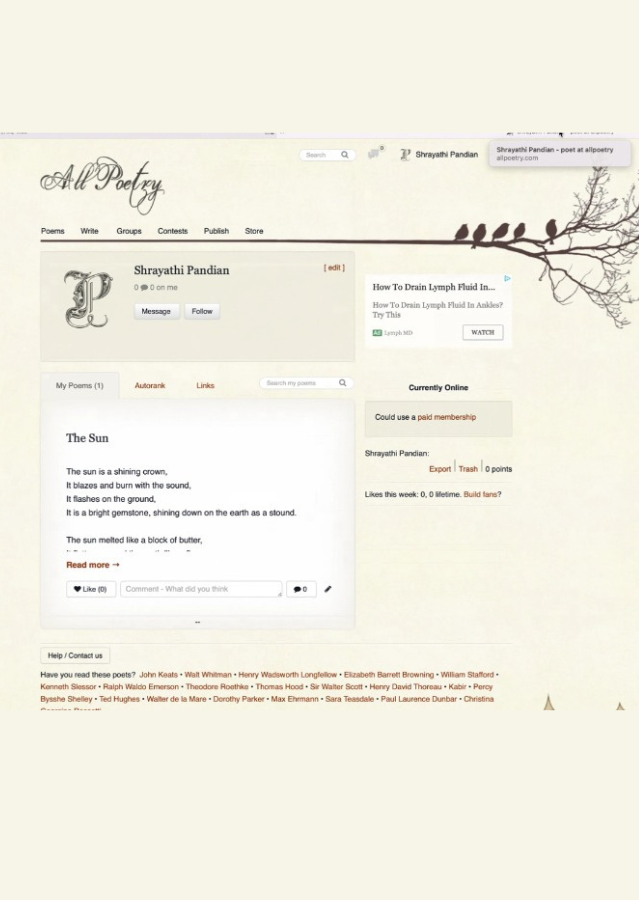
Student Achievements
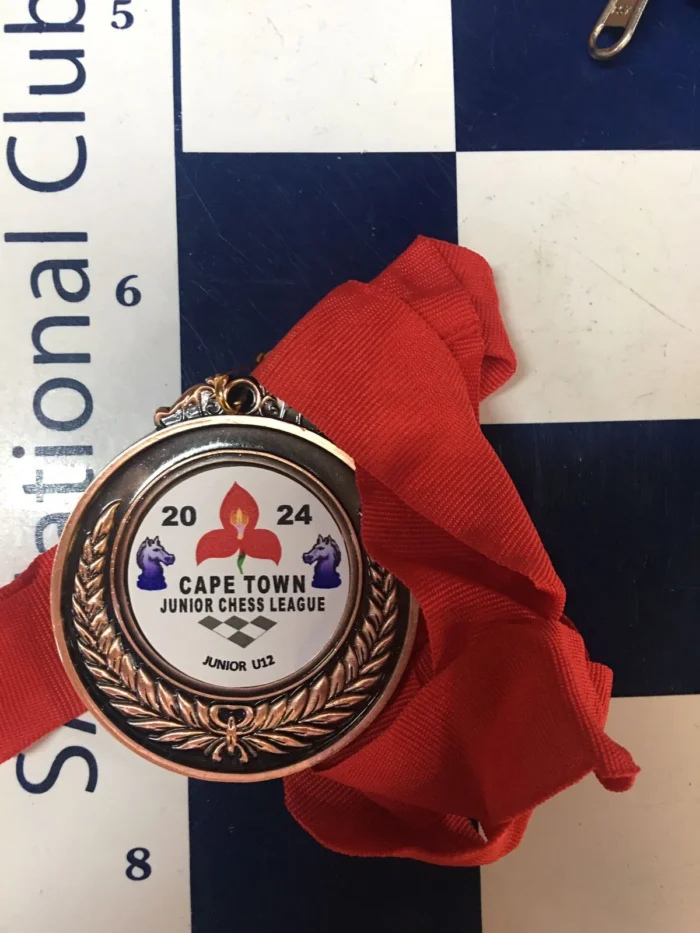
Making an Impact: 🏆 Student Achievements That Shine | 🌱 Your Growth. Our Mission.



What Our Parents Say About Us
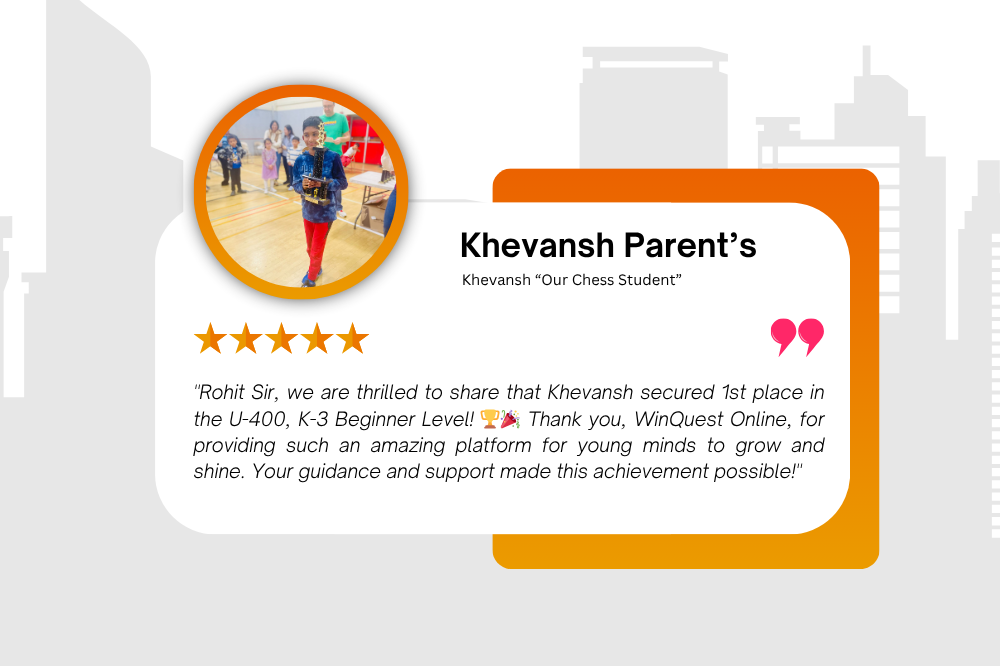
👪 Real Results. Real Parent Voices. 🏆 Futures Built with Care


Parent Testimonials
Success Stories That Speak 🌟🎓 Wins That Inspire Pride 🏆
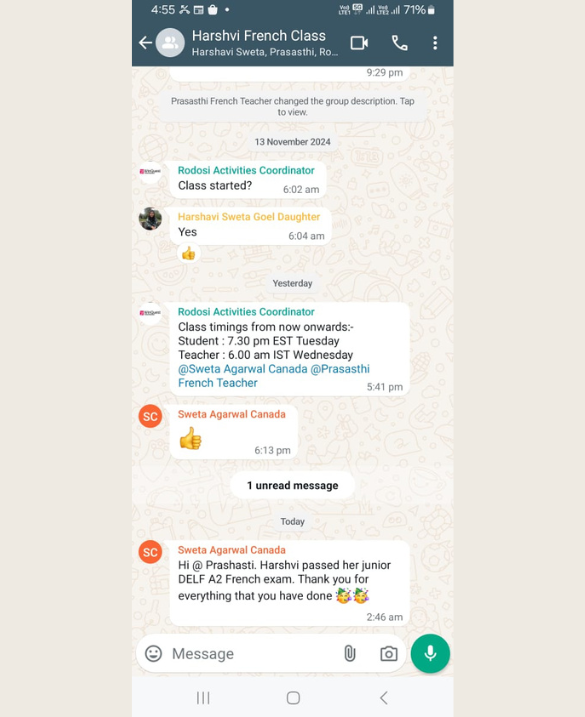
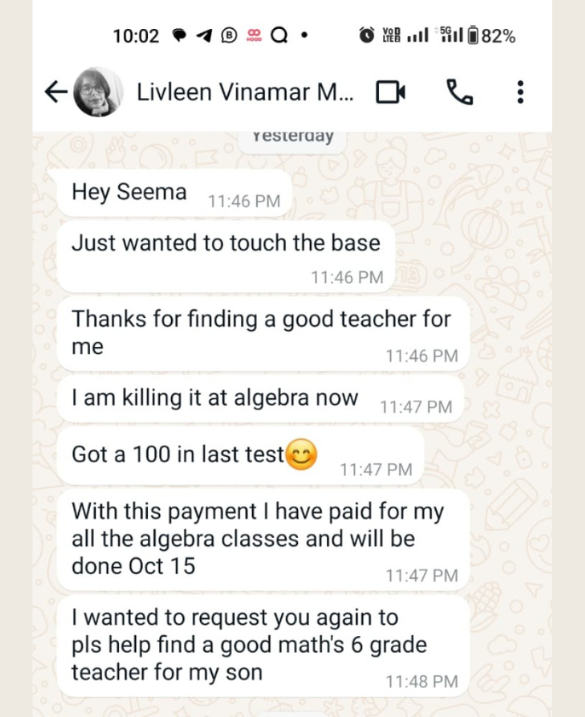
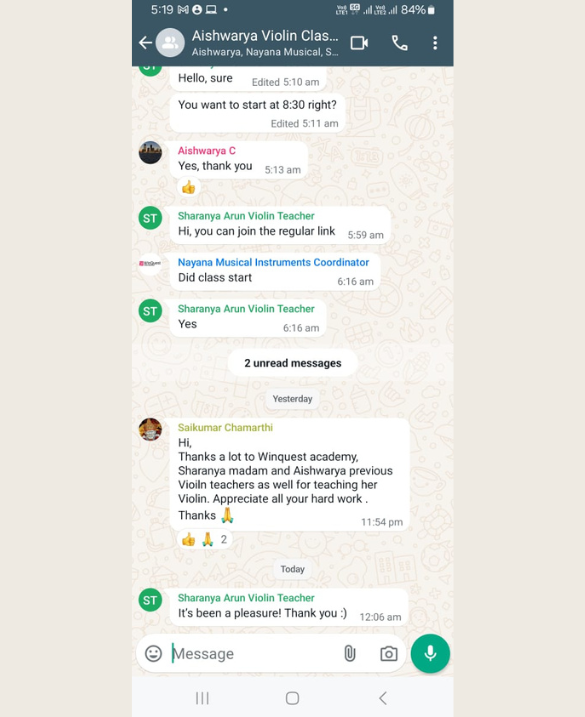
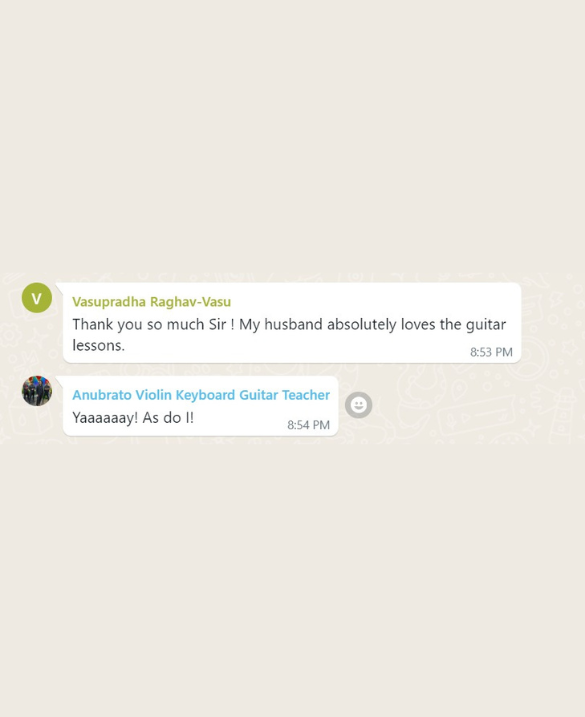
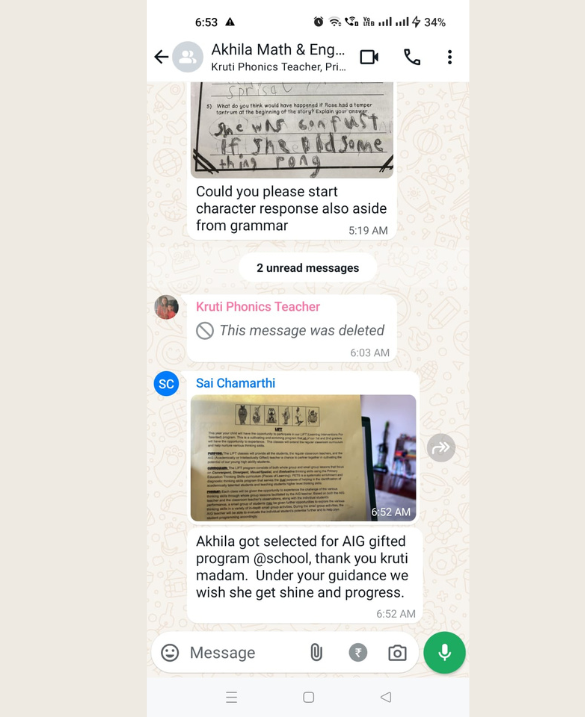
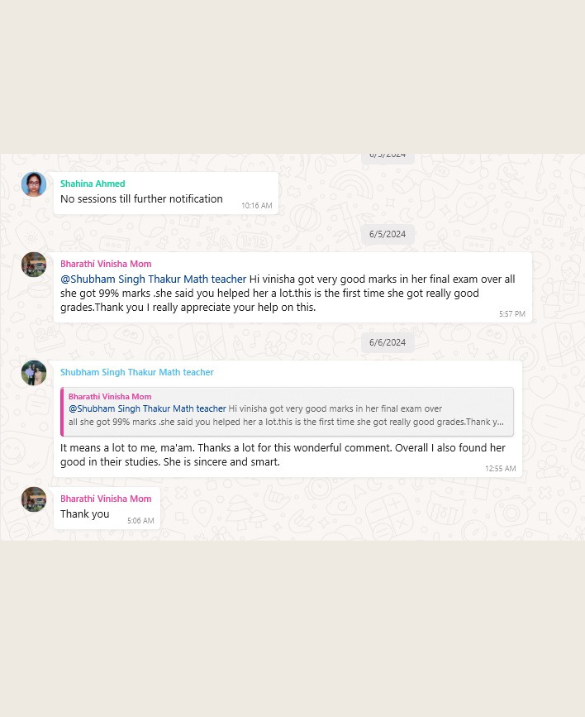
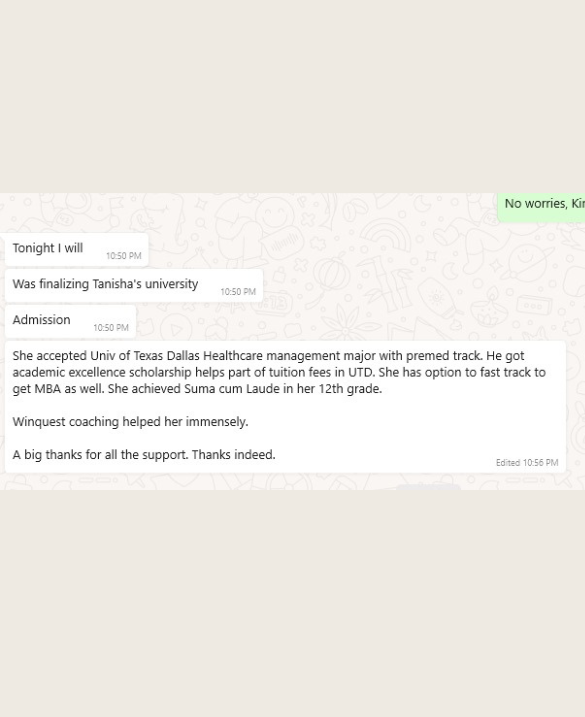
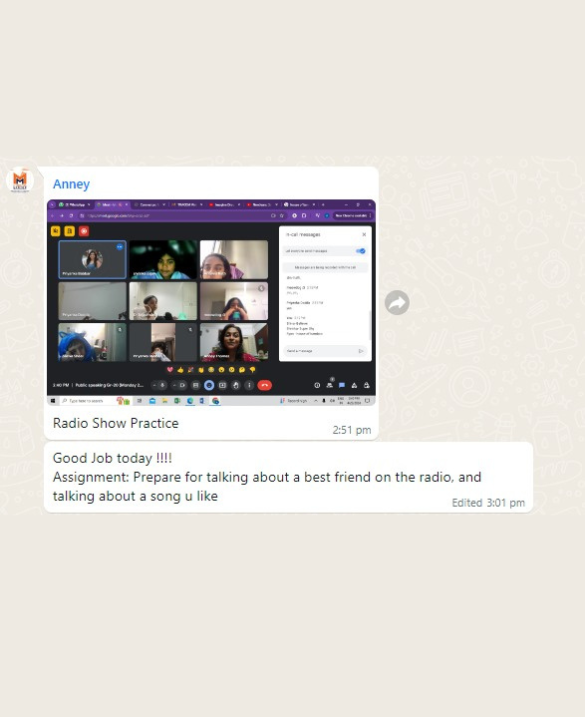
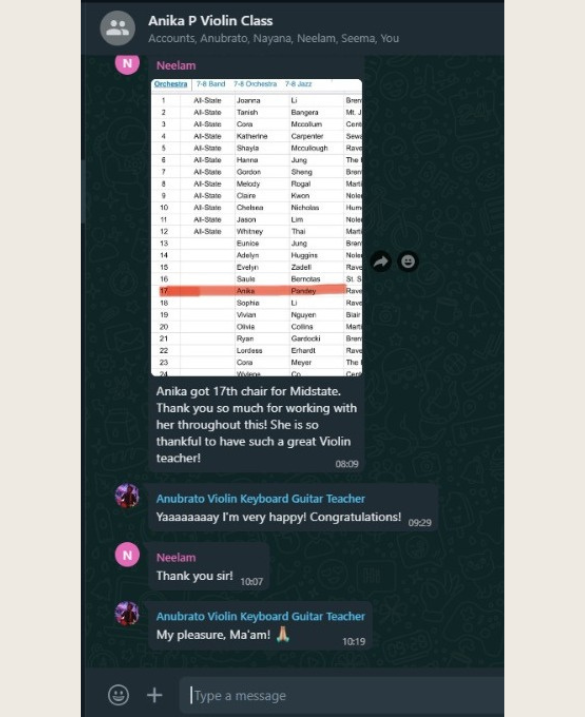
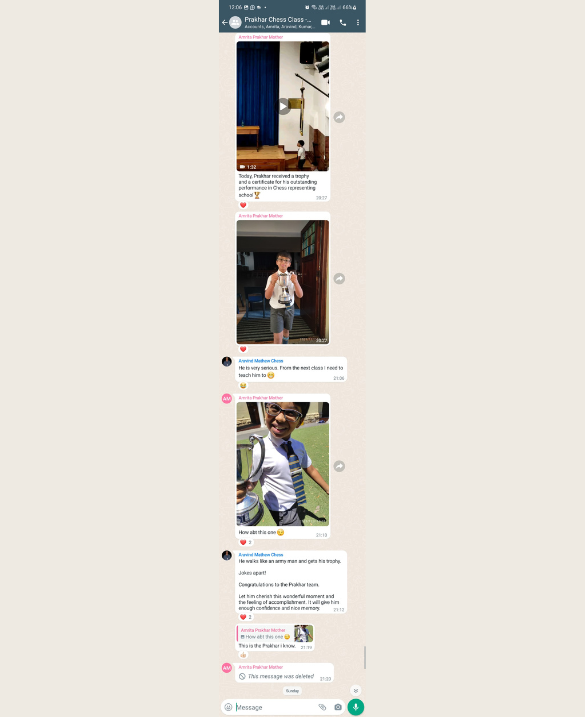
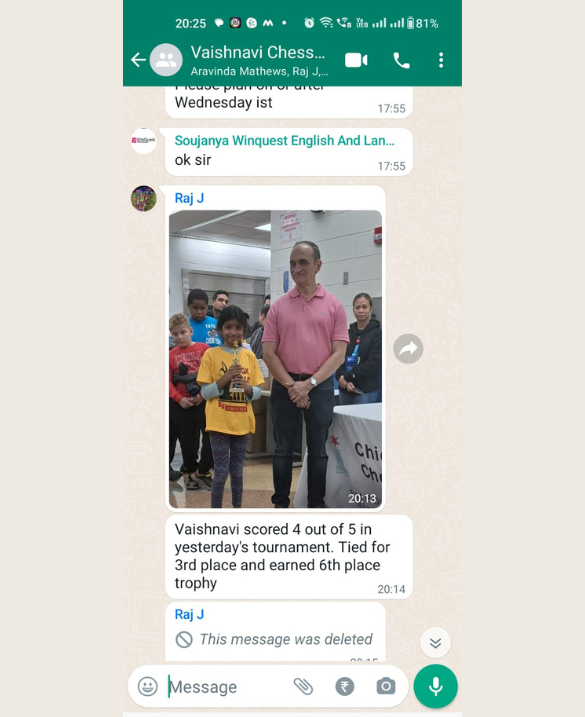
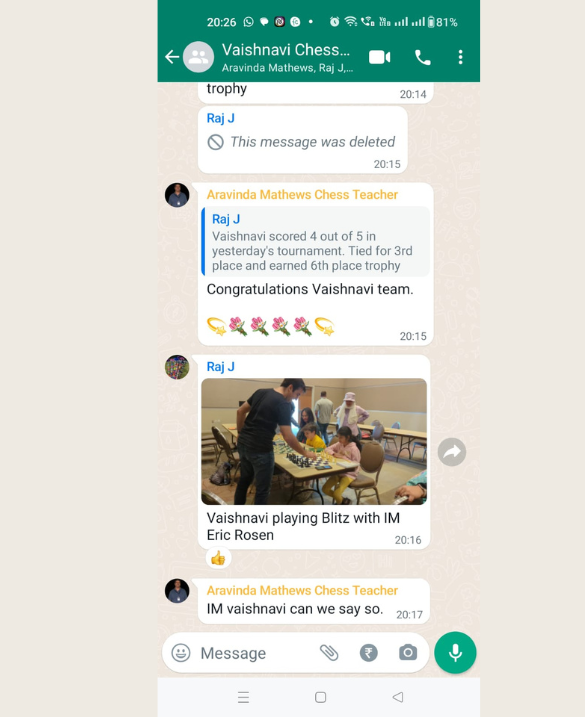
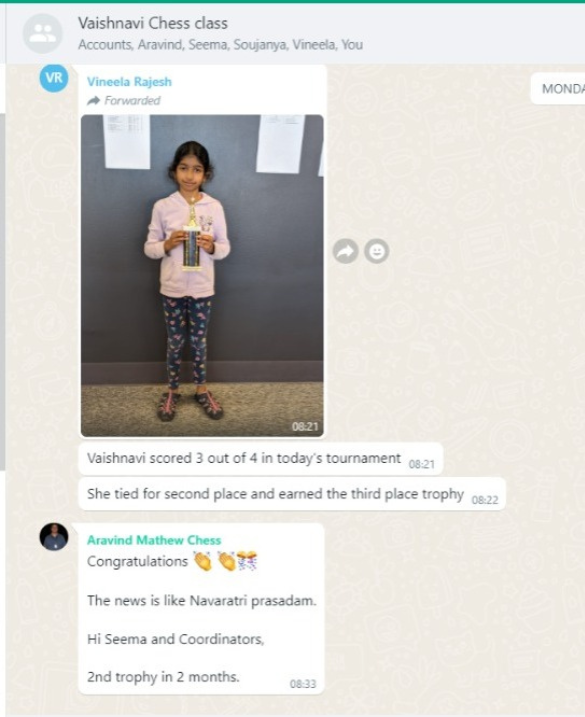
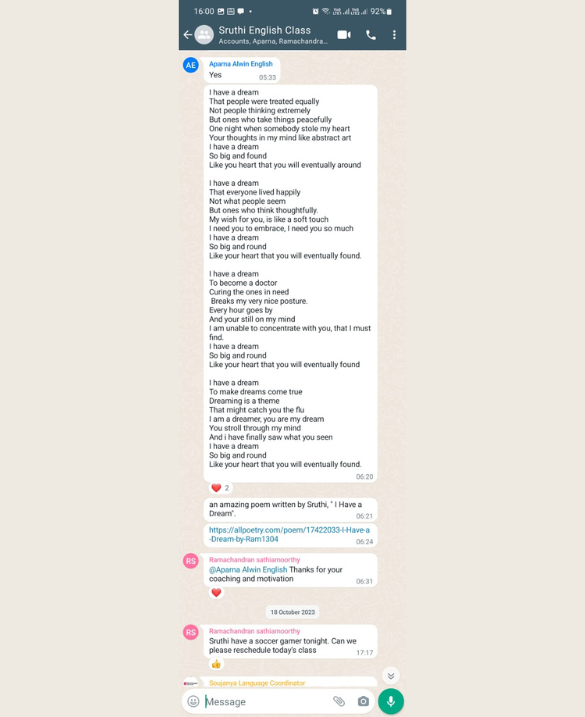
WhatsApp Testimonials
Real Voices from Our WhatsApp Community 💚📚
Latest News and Resources
📰 Learning Updates | 📘 Tips | 🎓 Resources | 💻 Online Courses