

Course Details
Science Grade 8
Science Grade 8
Why Choose Online Science Grade 8 Classes?
Overview
Science Grade 8 is the year before high-school sciences split into Physics, Chemistry and Biology. WinQuest covers it aligned to your board - NGSS, Ontario Grade 8 Science, Australian v9.0 Year 8, CBSE Class 8 (Crop production / Microorganisms / Force-Pressure / Light), ICSE Class 8, Cambridge Lower Sec Stage 8, or Singapore Sec 2 Science.
What You'll Learn
- Live interactive sessions
- 1st one-on-one session
- Comprehensive curriculum
- No long-term commitment
- Personalized learning plan
Grade 8
MS-PS: Matter & Energy+
- Atomic structure (protons, neutrons in nucleus; electrons in shells) and periodic table (groups, periods, families).
- Chemical reactions (reactants -> products with rearrangement of atoms) and conservation of mass (total mass unchanged).
- Forms of energy (kinetic, potential, heat, light, sound, chemical, electrical) and energy transformations.
MS-LS: Living Systems+
- Cells - structures (nucleus, mitochondria, ribosomes, cell membrane) and functions (metabolism, reproduction).
- Body systems - human anatomy (digestive, respiratory, circulatory, nervous, skeletal, muscular).
- Genetic variation (different alleles in population) and natural selection (Darwin's mechanism for evolution).
MS-ESS: Earth & Space+
- Plate tectonics (moving plates cause earthquakes, volcanoes) and Earth's geological history (eras, periods, eras).
- Climate change - causes (greenhouse gases from human activity) and impacts (sea level rise, extreme weather).
- Solar system (sun + 8 planets), galaxies (Milky Way is one of billions), and universe (expansion, Big Bang).
Engineering Design+
- Defining (what is the problem?) and delimiting (what constraints?) engineering problems using criteria.
- Developing multiple solutions and optimising (improving) them by comparing pros and cons.
- Building and testing prototypes - iterative cycle: design -> build -> test -> refine.
Cells - Structure & Function+
- Cell theory (all life from cells, cells from existing cells, smallest unit) and microscope use (compound).
- Plant cell (cell wall, chloroplasts, large vacuole) vs animal cell (no wall, no chloroplasts, small vacuoles).
- Tissues (group of similar cells), organs (tissues together), systems (organs working together).
Fluids & Pressure+
- Properties of fluids - density (mass per volume), viscosity (resistance to flow - honey vs water).
- Pressure in fluids - applications (water tower for taps, atmospheric pressure for drinking straws).
- Pascal's law (pressure applied to confined fluid transmitted equally) and hydraulics (car brakes, lifts).
Systems in Action+
- Mechanical advantage of simple machines (lever, pulley, wheel-and-axle, inclined plane, wedge, screw).
- Work (force x distance, joules) and efficiency (useful output / total input, expressed as %).
- Mechanical systems in society - cars, bicycles, cranes, elevators - improve quality of life.
Water Systems on Earth+
- Water cycle (evaporation, condensation, precipitation, runoff) and watersheds (drainage basins).
- Oceans and currents - warm + cold currents affect climate (Gulf Stream warms western Europe).
- Conservation of water resources - protecting fresh water, rainwater harvesting, recycling, reducing pollution.
Biological Sciences+
- Cells as basic units of life - plant (cell wall, chloroplasts, vacuole) and animal (no wall, no chloroplasts).
- Multi-cellular organisms with body systems - groups of organs working together (digestive, circulatory).
- Reproduction (sexual vs asexual) and inheritance - introduction (traits passed from parents via genes).
Chemical Sciences+
- Properties of different states of matter (solid: fixed shape; liquid: flows; gas: spreads; plasma: ionised).
- Pure substances (single element or compound) vs mixtures (multiple substances physically combined); separation methods.
- Physical change (state / shape, no new substance) vs chemical change (new substance: burning, rusting).
Earth & Space Sciences+
- Rock cycle - formation of sedimentary (compaction), igneous (cooling magma), metamorphic (heat + pressure).
- Earth's resources - renewable (sun, wind, water, biomass) and non-renewable (coal, oil, gas, nuclear).
- Climate (long-term pattern) and weather (daily); systems include air masses, fronts, pressure.
Physical Sciences+
- Energy can be transferred (one object to another) and transformed (one form to another); conservation law.
- Forces affect motion - inertia (resistance to change), balanced (no acceleration) / unbalanced (acceleration).
- Light (reflection from smooth surfaces, refraction when changing medium) and sound (waves, pitch, loudness).
Crop Production & Microorganisms+
- Crops - kharif (monsoon, e.g., rice, maize), rabi (winter, e.g., wheat, mustard); agricultural practices (ploughing, sowing, irrigation, harvesting).
- Microorganisms - bacteria (single-celled, e.g., E. coli), fungi (mushrooms, yeasts), viruses (need host), protozoa (amoeba).
- Useful (curd, bread, antibiotics, decomposers) and harmful (disease-causing: cholera, malaria, COVID) microorganisms.
Synthetic Fibres, Plastics & Metals+
- Synthetic fibres - rayon (semi-synthetic from cellulose), nylon (strong, elastic), polyester (durable, wrinkle-resistant).
- Plastics - types (thermoplastics - melt + reshape; thermosetting - cannot remelt), properties, environmental impact (non-biodegradable).
- Metals - properties (lustre, malleability, conductivity), uses (wiring, construction); corrosion (rusting of iron, tarnishing of silver).
Combustion, Reactions & Coal+
- Combustion - conditions (fuel + oxygen + heat) and types (rapid, spontaneous, explosive); ignition temperature.
- Chemical reactions - types (combination, decomposition, displacement, double displacement) with examples.
- Coal and petroleum - fossil fuels (formed from dead organisms over millions of years); uses and limitations.
Body Systems & Reproduction+
- Cell - structure (nucleus, cytoplasm, membrane, organelles) and function (metabolism, reproduction).
- Reproduction in animals - sexual (fertilization of egg by sperm; internal vs external; viviparous vs oviparous).
- Reaching the age of adolescence - physical (puberty: voice change, hair, height) and emotional changes.
Force, Friction, Pressure+
- Force - types (contact: friction, normal; non-contact: gravity, magnetic, electric) and effects (motion, shape).
- Friction - factors (surface roughness, normal force), advantages (walking, holding objects), disadvantages (wear, heat loss).
- Pressure - in liquids (increases with depth, Pascal's law) and gases (atmospheric pressure decreases with altitude).
Light, Sound, Stars+
- Light - reflection (laws of reflection: angle of incidence = angle of reflection), dispersion (white light into rainbow).
- Sound - production (vibrations), propagation (needs medium - air, water, solid; not vacuum); pitch, loudness.
- Stars and solar system - constellations, sun as a star, planets (orbit sun), moons (orbit planets).
Matter & Atomic Structure+
- Matter - physical properties (colour, hardness, density, MP, BP) and chemical properties (reactivity, combustibility).
- Elements (single type of atom, e.g., Fe, O), compounds (e.g., H2O, CO2), mixtures (no chemical bond, can be separated).
- Atomic structure - introduction (protons + neutrons in nucleus, electrons in shells); periodic table - basic.
Chemistry of Substances+
- Chemical reactions and equations - intro (reactants -> products; word and symbol equations; balancing).
- Acids (pH < 7, e.g., HCl, H2SO4), bases (pH > 7, e.g., NaOH), salts (neutral, e.g., NaCl); neutralisation.
- Hydrogen - properties (lightest gas, colourless, odourless, flammable) and uses (fuel, ammonia synthesis, hydrogenation).
Force, Pressure, Energy+
- Force - types (contact, non-contact: gravity, magnetic, electric) and effects (motion, shape change).
- Pressure (force per area; P = F/A) and Pascal's law (pressure transmitted equally in confined fluid) - intro.
- Energy - forms (kinetic, potential, heat, light, sound, chemical, electrical) and transformations between them.
Light, Heat, Sound+
- Light - reflection (off mirrors), refraction (bending in different medium), dispersion (white light -> rainbow).
- Heat - transfer (conduction in solids, convection in fluids, radiation through space) and expansion of solids/liquids/gases.
- Sound - production (vibrations), propagation (through medium), properties (pitch, loudness, quality).
Living World+
- Cell - basic unit of life; structure (nucleus, cytoplasm, membrane, organelles), function (metabolism, reproduction).
- Plant reproduction (sexual: flowers, pollination; asexual: cuttings) and animal reproduction (sexual: gametes).
- Microbes and food production - yeast (bread, alcohol), bacteria (curd, cheese), fungi (mushrooms).
Biology+
- Cells - microscope use (compound microscope, slide preparation, staining), plant vs animal cells (cell wall, chloroplasts).
- Photosynthesis (6CO2 + 6H2O + sunlight -> C6H12O6 + 6O2) and respiration (reverse - releases energy from glucose).
- Digestion and the food we eat - mouth (chewing, saliva), oesophagus, stomach (acid), intestines (absorption); balanced diet.
Chemistry+
- States of matter (solid, liquid, gas, plasma) and changes (melting, freezing, boiling, condensing, sublimation).
- Atoms (smallest unit of element), elements (118 known), compounds (atoms chemically bonded, e.g., H2O, NaCl, CO2).
- Chemical reactions and word equations - e.g., magnesium + oxygen -> magnesium oxide; symbol equations.
Physics+
- Forces and motion - speed (distance / time), gravity (pulls down at 9.8 m/s^2 on Earth).
- Energy - forms (kinetic, potential, heat, light, sound, chemical, electrical) and transfers between them.
- Light - reflection (off mirrors), refraction (bending in glass / water); sound - waves, pitch, loudness.
Earth & Space+
- Rocks (igneous, sedimentary, metamorphic) and the rock cycle (transformations driven by heat, pressure, weathering).
- Earth's structure (crust, mantle, outer + inner core) and weathering (physical: cracking; chemical: dissolving).
- Solar system (sun + 8 planets) and beyond (Milky Way galaxy, stars, nebulae, black holes).
Diversity+
- Classification of living things into 5 kingdoms (animals, plants, fungi, protists, monera) by features.
- Atoms (smallest unit), elements (single atom type), compounds (atoms bonded); periodic table (rows + columns).
- Properties of materials - hardness, density, conductivity (heat, electricity), magnetism, solubility.
Models, Systems & Interactions+
- Cells (basic unit), tissues (similar cells), organs (e.g., heart, lungs), systems (organs working together).
- Solar system (sun + 8 planets) and Earth's movements (rotation - day/night; revolution - seasons, year).
- Ecosystems (community + abiotic environment) and food webs (interconnected food chains showing energy flow).
Energy+
- Forms of energy (kinetic, potential, heat, light, sound, chemical, electrical) and conservation (cannot be created or destroyed).
- Heat transfer - conduction (through solids), convection (in fluids), radiation (EM waves through space).
- Electricity - circuits (series, parallel) and Ohm's law (V = IR; voltage, current, resistance).
Cycles+
- Water cycle (evaporation, condensation, precipitation, runoff) and weather (daily changes in temperature, rain).
- Carbon cycle (CO2 in atmosphere <-> photosynthesis / respiration / decomposition) and nitrogen cycle (fixing, decomposition).
- Reproduction in plants (sexual via flowers, asexual via cuttings) and animals (sexual: gametes; asexual in some).
Bridge to IGCSE Sciences+
- Biology - cells (basic unit), photosynthesis (plants make food), cellular respiration (cells release energy) - intro.
- Chemistry - particles (atoms, molecules), periodic table (118 elements), reactions (rearrangement of atoms).
- Physics - forces (gravity, friction, electromagnetic), energy (forms + transformations), electricity basics (circuits).
Note+
- IGCSE Sciences - separate (0610 Biology / 0620 Chemistry / 0625 Physics) or Combined Science (0653) or Co-ordinated (0654) - sat in Years 10-11.
- For Grade 8 the Cambridge Lower Secondary Stage 8 syllabus above is used as the primary track.
- Full IGCSE Sciences syllabus appears in the Science Grade 9-10 product (next 2 years).
Requirements
- A laptop or desktop with stable internet
- Notebook for diagrams, observations
- School Science textbook
- Optional - simple at-home science kit; calculator
Reviews
4.95 / 5 ★ · 305+ students enrolled
Parents consistently rate our mentors for personalised attention, clear concepts and steady progress. Book a free demo to experience a class first-hand.
Frequently Asked Questions
How do I get started?+
Click the Book a Demo button on this page and fill in your child's grade and school board (CBSE / ICSE / IGCSE / Cambridge / US Common Core / Singapore MOE etc.). We will schedule a free trial session with a matching tutor. For details, contact our coordinator on WhatsApp at +91 93308 11581 or email contact@winquestonline.com.
Will the tutor follow my child's school board?+
Yes. Every WinQuest tutor is mapped to specific curricula. Before the first class we ask which board your child follows; the tutor uses that board's scope and sequence, supports the school textbook chapter by chapter, and adds worksheets in the board's exam style. We currently support US Common Core, Ontario, Australian v9.0, CBSE (NCERT), ICSE (CISCE), IGCSE 0580 / 0500 / 0610 / 0620 / 0625, Cambridge Primary / Lower Secondary, and Singapore MOE.
How does payment work?+
We require monthly advance payments for the number of classes scheduled in that calendar month. We accept Zelle, PayPal, UPI (for India), Stripe and major credit / debit cards. You can select your preferred payment method during the initial enrolment.
What if my child misses a class?+
For 1:1 sessions we reschedule a make-up at a mutually convenient time at no extra cost (with at least 24 hours notice). For group classes we share a timed recording of the session on parent request, so your child can catch up before the next class.
How long is each class?+
Each class session is 60 minutes long for academic subjects. Frequency is typically twice a week for K-7 grades and 2-3 times a week for high school, based on the board exam timeline and parent preference.
How is progress measured?+
Tutors give written feedback on every homework assignment, run a short formative quiz every 4-6 classes, and a longer chapter test at the end of each topic. Parents receive a monthly progress report covering concept mastery, homework completion and test scores.
What is the class size?+
For 1:1 sessions the class is just your child and the tutor. For group classes we cap each batch at 6-8 students so every learner gets individual attention and can ask questions in real time.
Are the tutors qualified?+
All our tutors are highly qualified subject-matter experts with proven track records - many hold Master's degrees in their subject and several years of school-curriculum teaching experience. Each tutor is interviewed by our academic head before joining and is mapped to specific boards and grades.
What if my child needs to pause for a school break or exam?+
Just let us know in advance. There are no contracts - you can pause for a school holiday or final-exam stretch and resume when the student is ready, with no penalty.
What are the requirements?+
A laptop or desktop with a stable internet connection is required. Pencil, eraser, ruler and a notebook for working out solved problems. For higher grades a basic calculator. The tutor will list any board-specific requirements (textbook, geometry box, etc.) before the first class.
Student Reviews
No reviews yet — be the first to share your experience with this course!
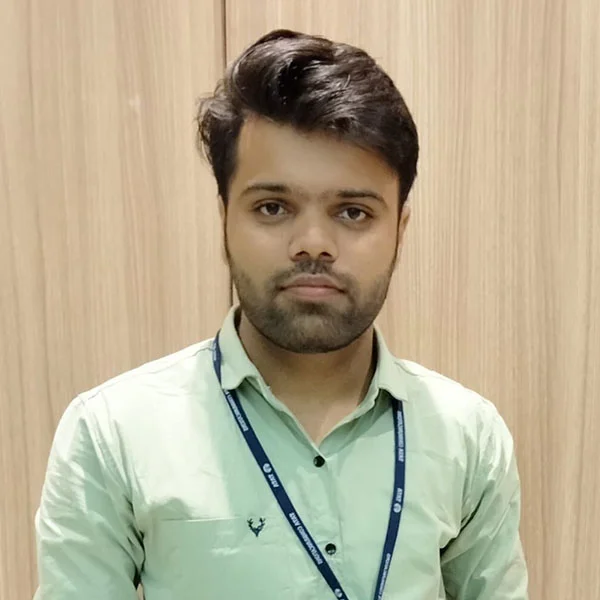
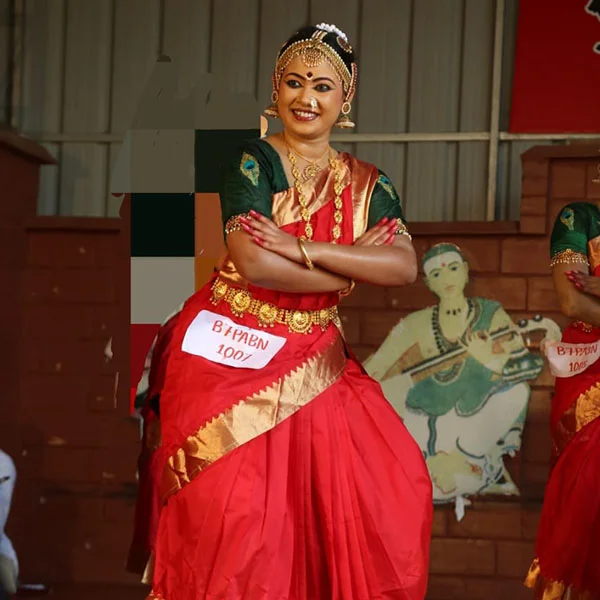
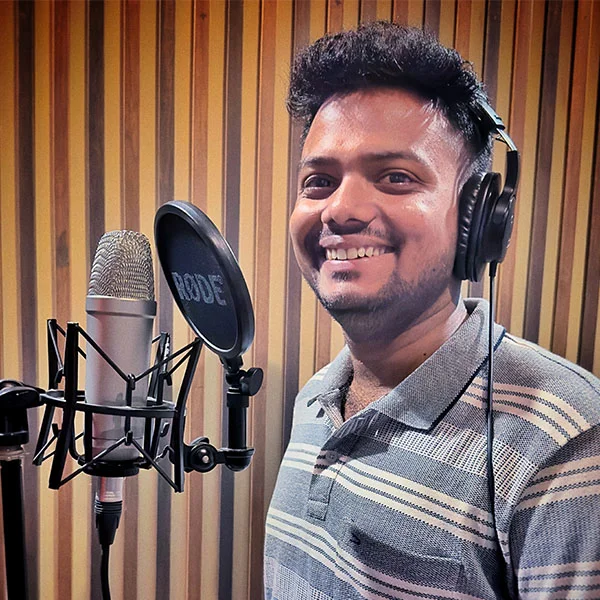
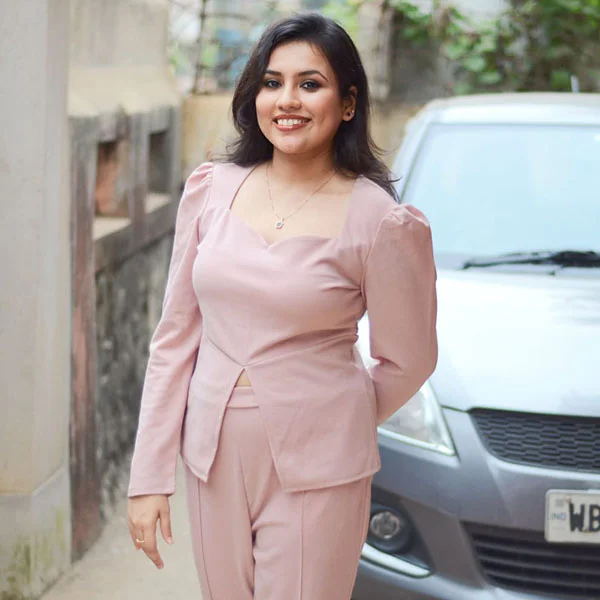
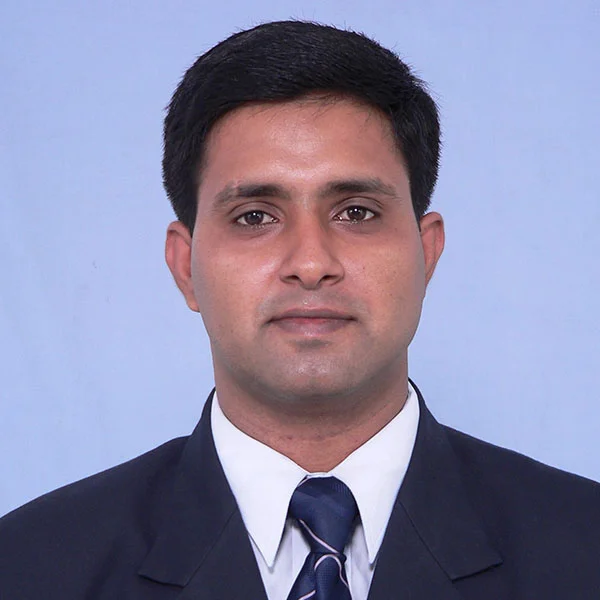
Meet our Teachers
Expert educators who connect, guide, and prepare students with special personalized care ❤️📚✨





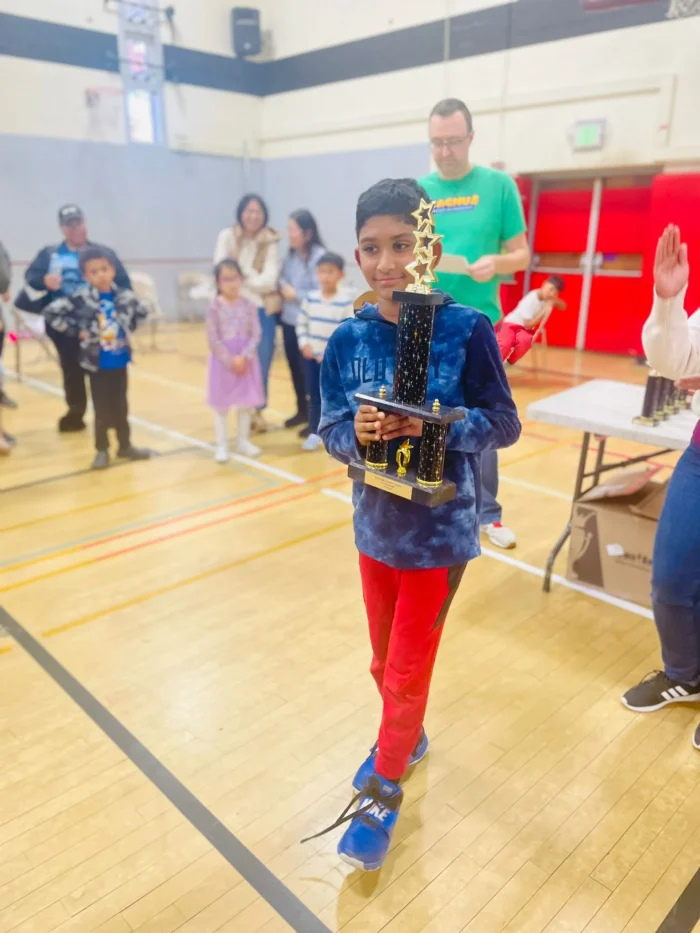
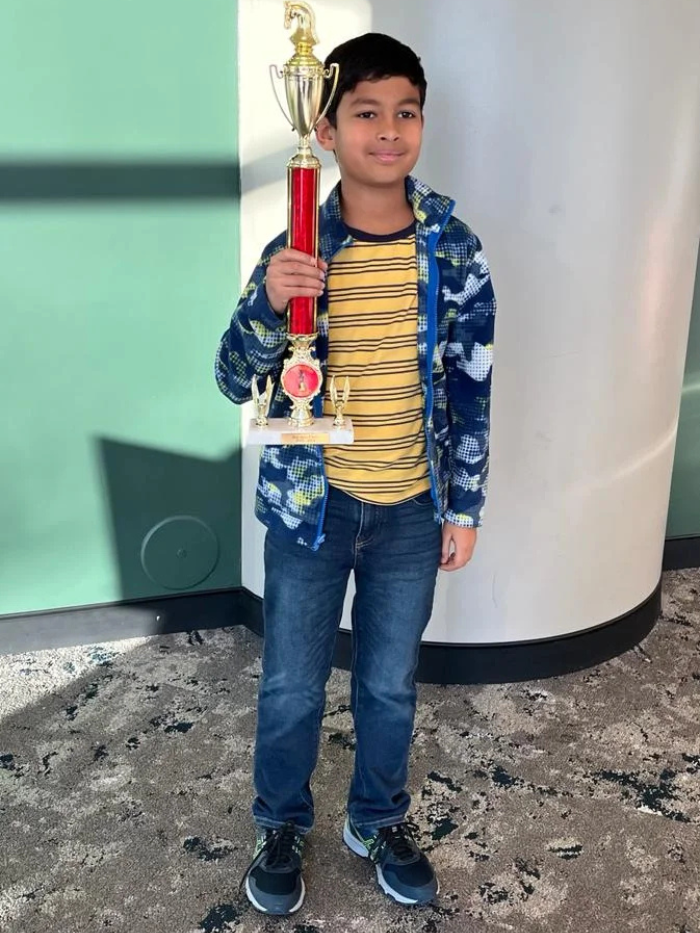
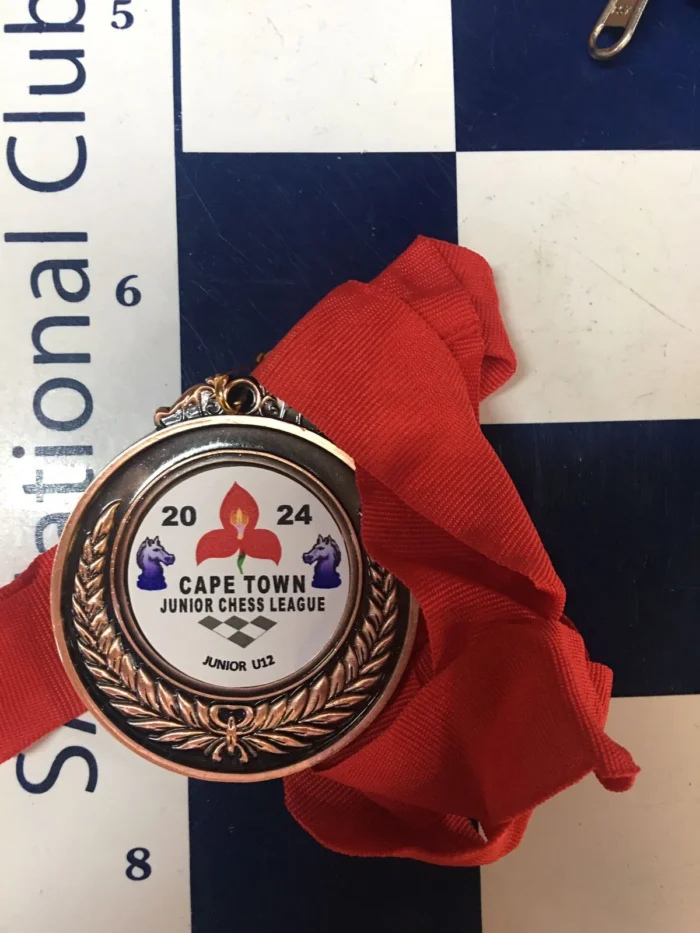
Student Achievements
Making an Impact: 🏆 Student Achievements That Shine | 🌱 Your Growth. Our Mission.
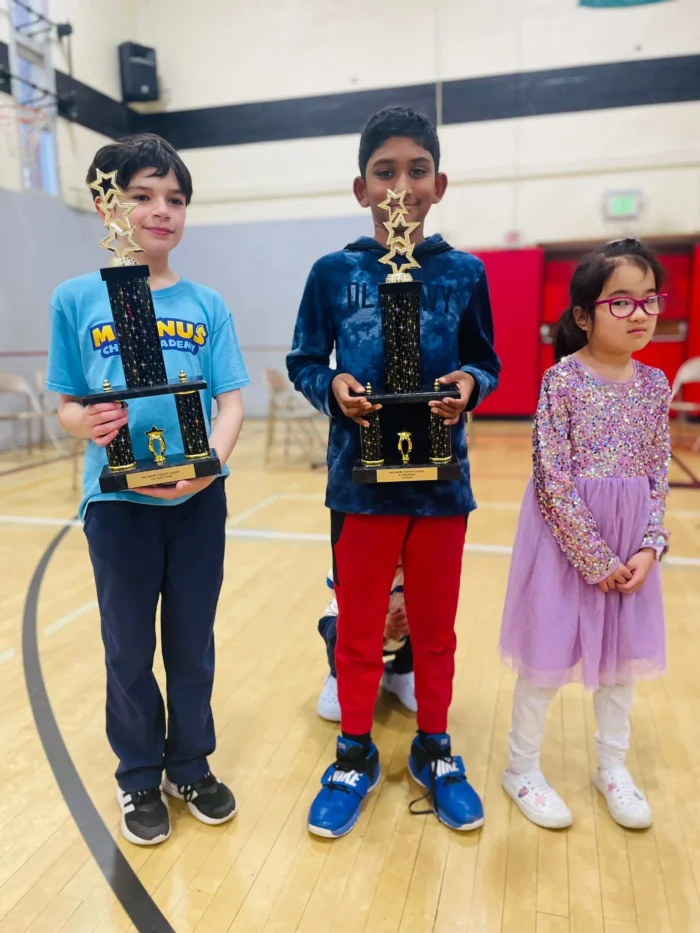
What Our Parents Say About Us
👪 Real Results. Real Parent Voices. 🏆 Futures Built with Care

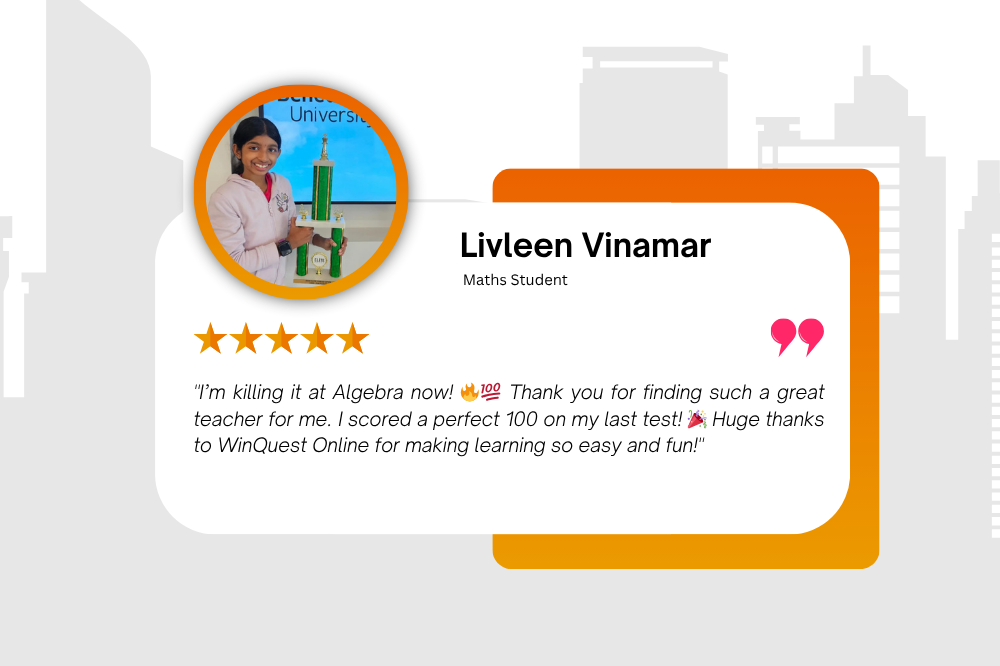
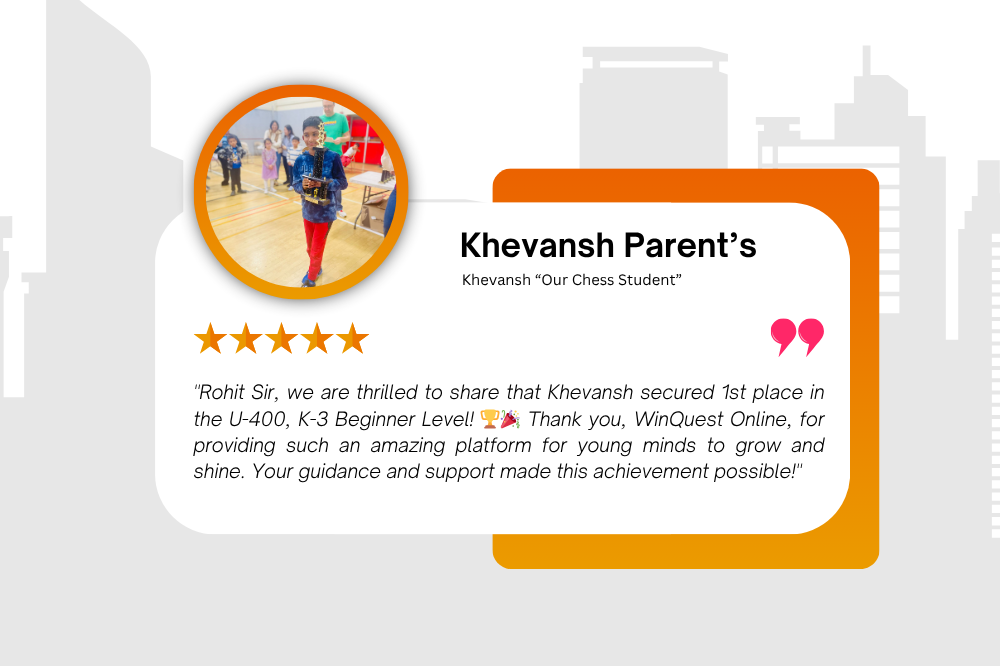
Parent Testimonials
Success Stories That Speak 🌟🎓 Wins That Inspire Pride 🏆
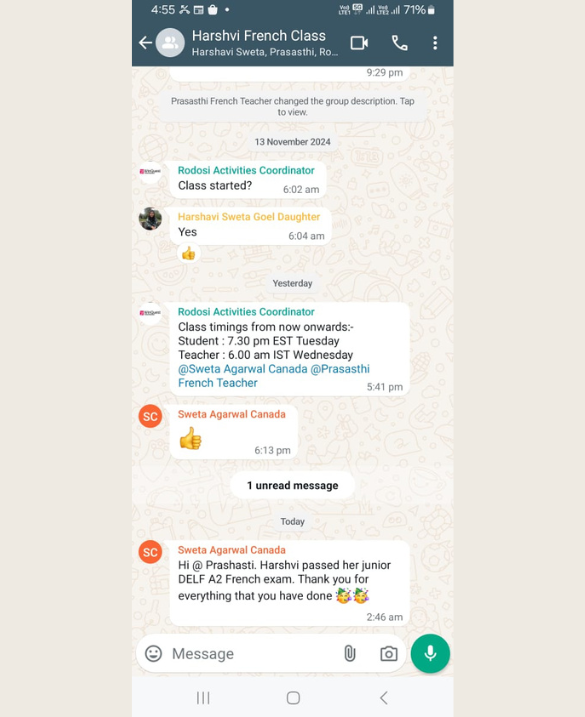
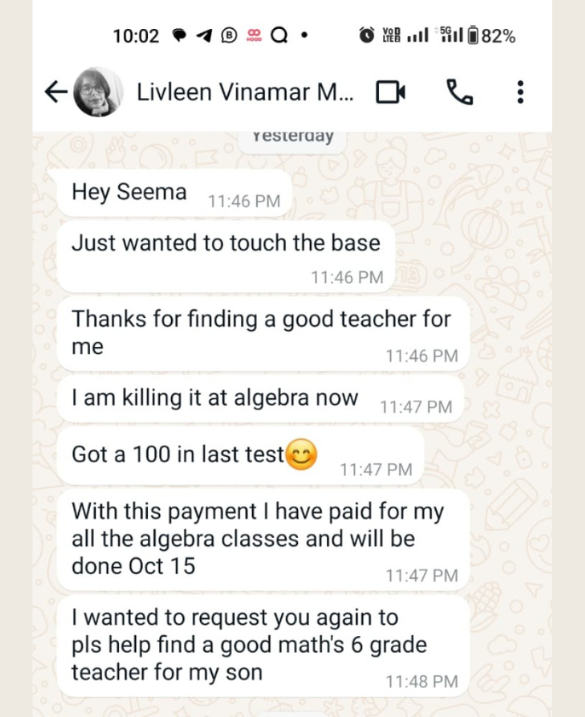
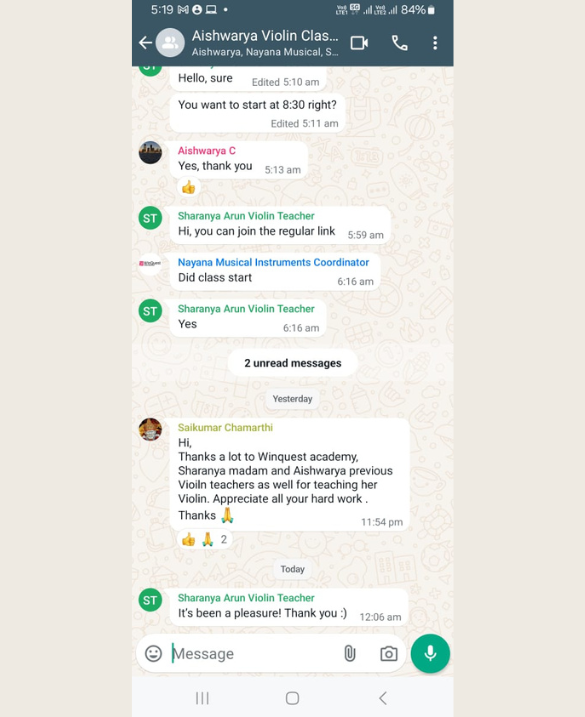
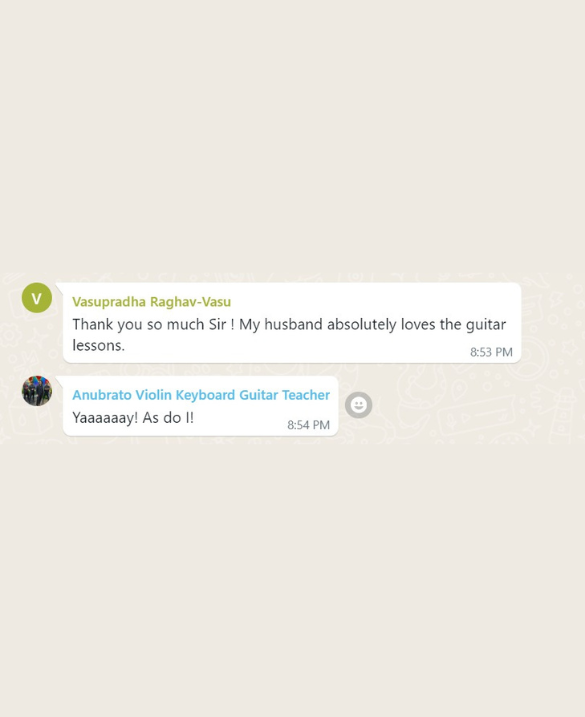
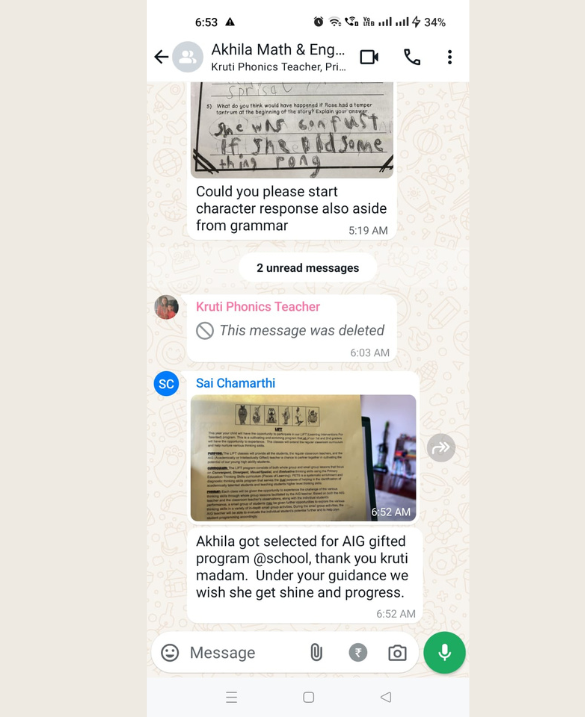
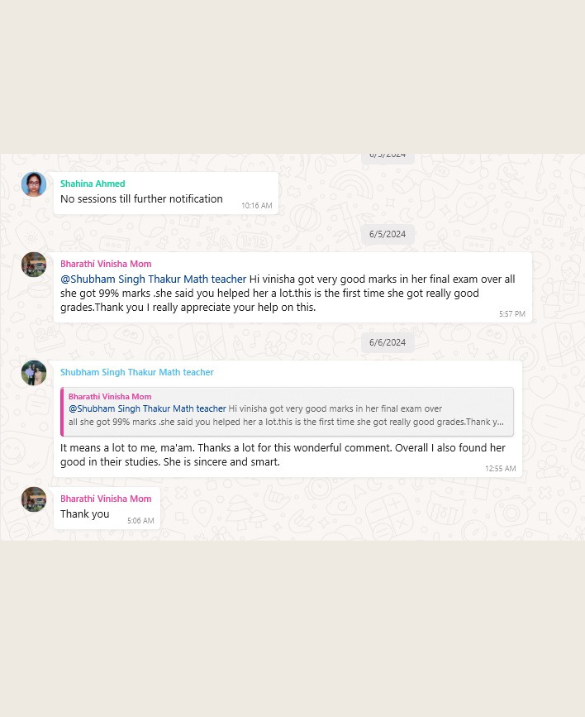
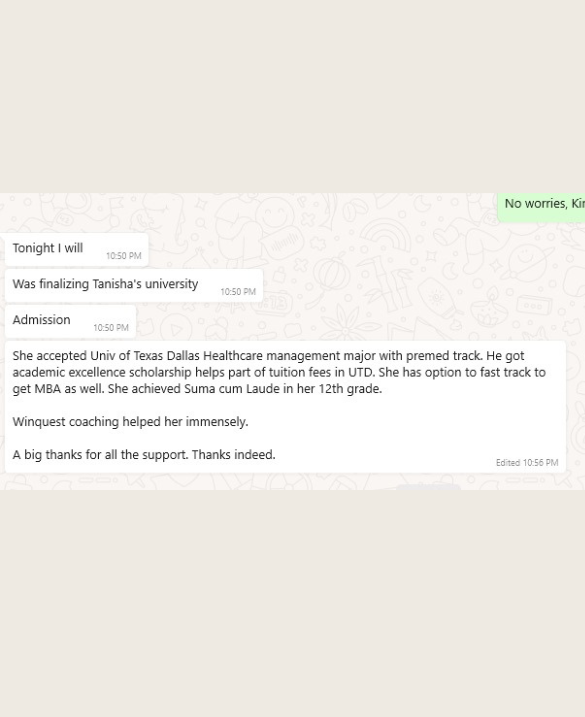
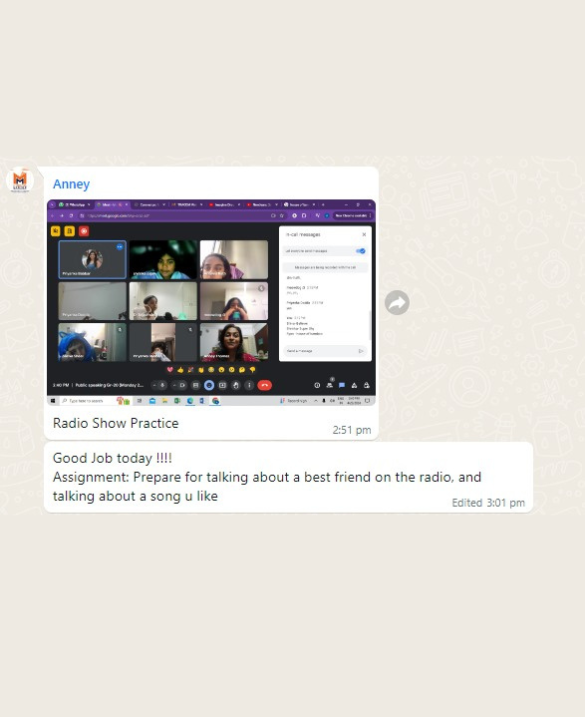
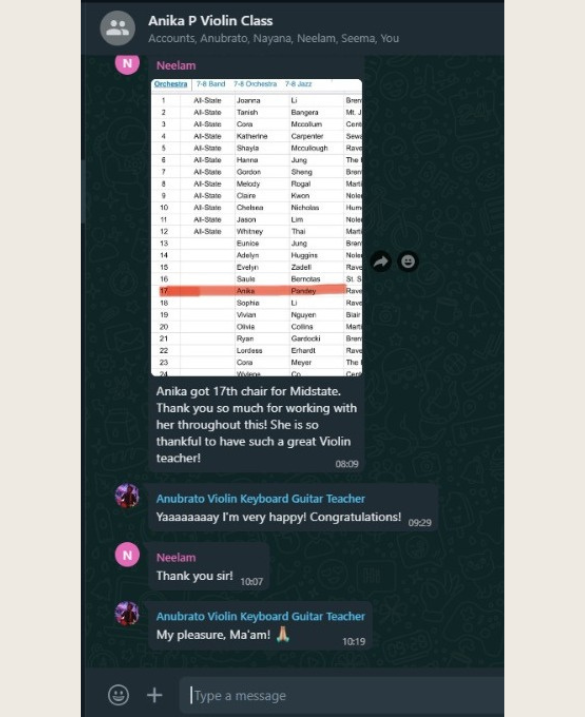
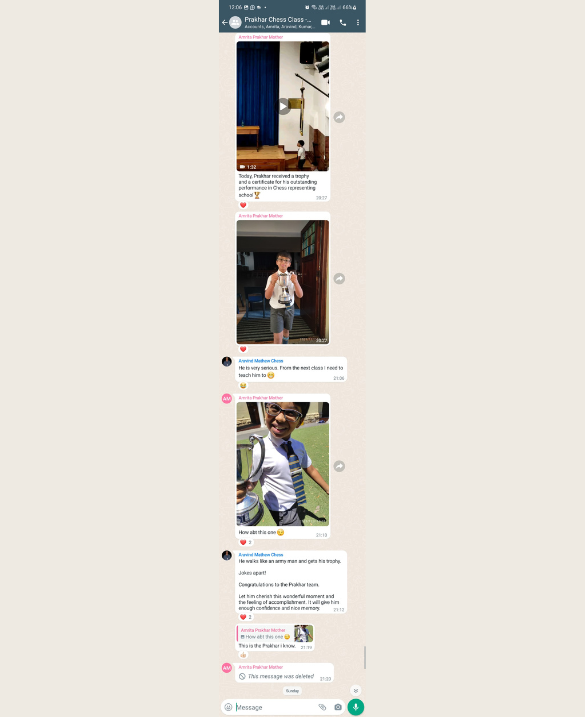
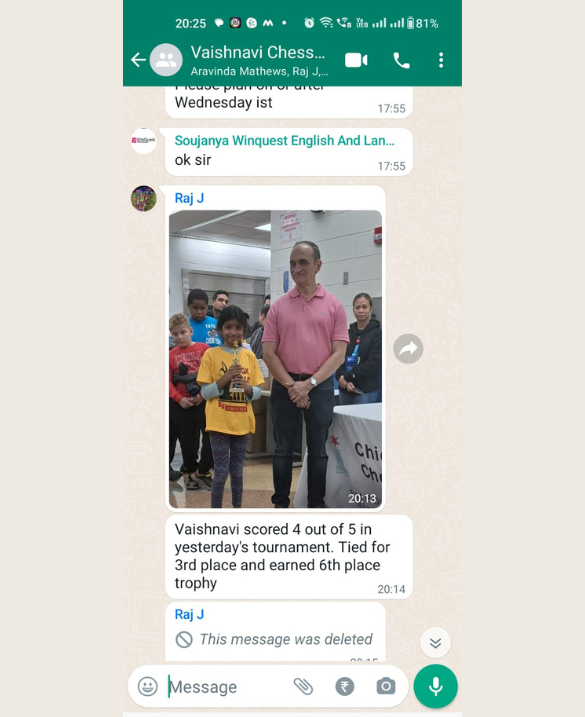
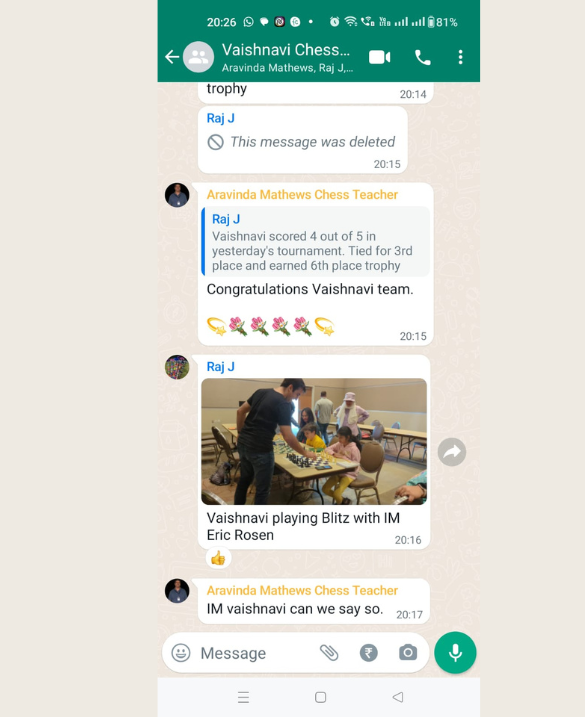
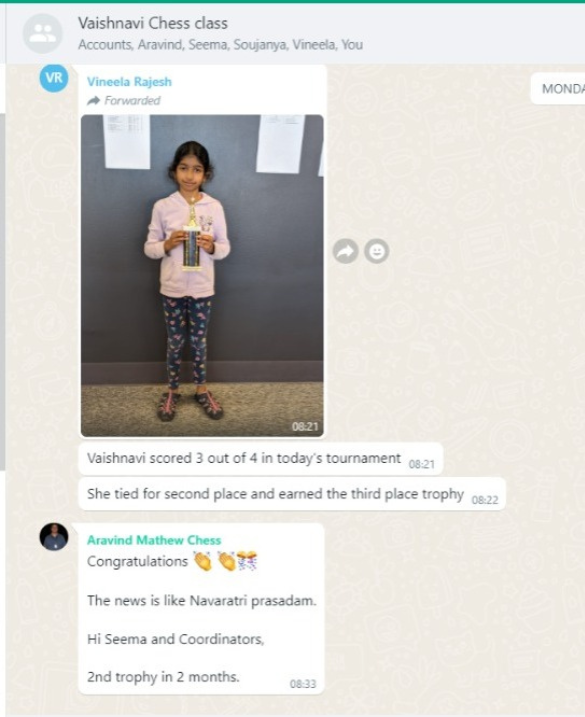
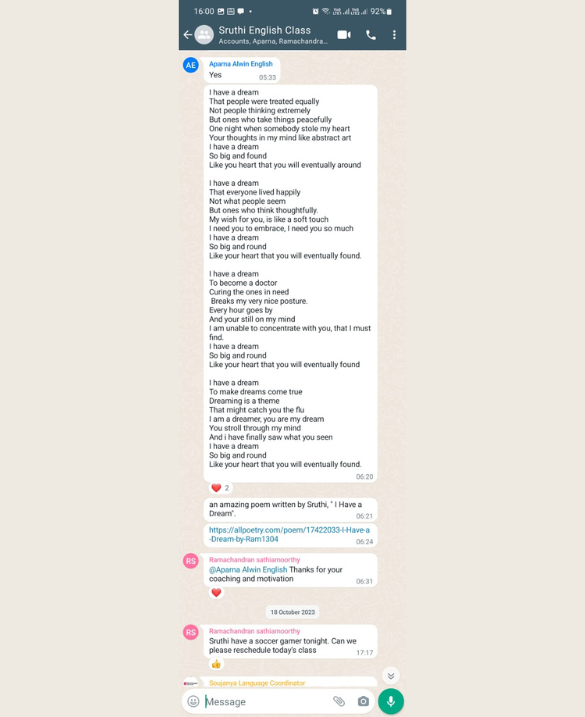
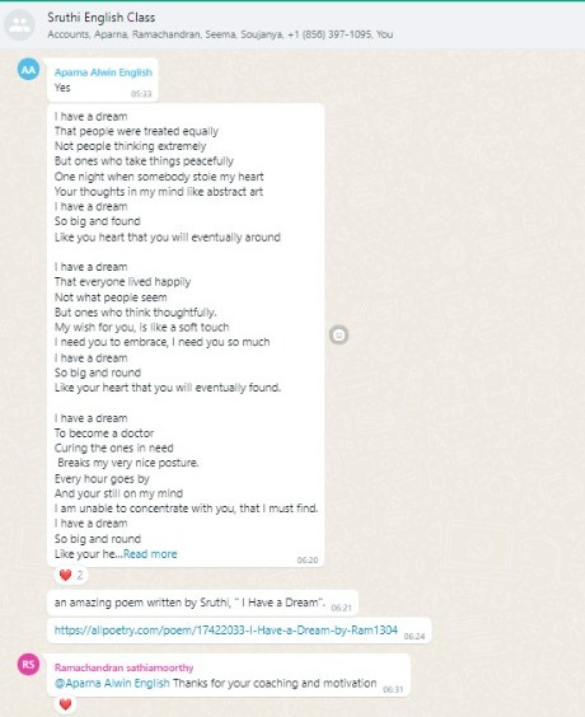
WhatsApp Testimonials
Real Voices from Our WhatsApp Community 💚📚
Latest News and Resources
📰 Learning Updates | 📘 Tips | 🎓 Resources | 💻 Online Courses