


Course Details
English Grade 1-7
English Grade 1-7
Why Choose Online English Grade 1-7 Classes?
Overview
English Grade 1-7 builds your child's reading, writing, listening and speaking aligned to the school board - US Common Core ELA, Ontario Language, Australian English v9.0, CBSE / ICSE NCERT English, Cambridge Primary English, or Singapore MOE EL. Each class blends a Reading text, a Writing task, a Grammar focus and Oral Communication, plus regular dictation and creative-writing prompts.
What You'll Learn
- Live interactive sessions
- 1st one-on-one session
- Comprehensive curriculum
- No long-term commitment
- Personalized learning plan
Grade 1
Reading - Foundational Skills+
- Phonemic awareness - hearing individual sounds in words (/c/ /a/ /t/ in cat); blending three sounds into a word and segmenting words back into sounds.
- Decoding 1-syllable words using letter-sound mapping; common vowel teams (ai in rain, ea in seat, oa in boat).
- Read with purpose and understanding; build a stock of 100+ sight words (the, was, said, you, were) read on sight.
Reading - Literature & Information+
- Ask and answer 5W + 1H questions (who, what, where, when, why, how) about key details in a short story or paragraph.
- Identify the main topic of a short text and retell the story including beginning, middle, and end with character names.
- Compare and contrast the adventures and experiences of characters in different stories (e.g., two folktales).
Writing+
- Opinion pieces ("My favourite ..."), informative texts ("All about cats"), and narrative pieces ("My weekend") at 3-5 sentences.
- Use temporal (time-order) words - first, next, then, after that, finally - to signal the order of events in a recount.
- Strengthen writing by responding to teacher questions ("What happened next?") and adding more details.
Language+
- Use common nouns (dog, school), proper nouns (Tom, India), possessive nouns (Tom's ball), and pronouns (I, you, he, she, it).
- Capitalise dates (Monday, June) and people's names; use end punctuation (full stop, question mark, exclamation mark).
- Determine the meaning of unknown words using context clues (what makes sense in the sentence) and known word parts.
Oral Communication+
- Identify purposes for listening (to enjoy, learn, follow instructions); use active-listening strategies (eye contact, nodding, asking questions).
- Communicate orally in informal (chat with friends) and formal (show-and-tell) contexts using appropriate volume and clarity.
- Use vocabulary suited to the topic (school, family, weather) and audience (teacher, classmate, family member).
Reading+
- Read a variety of literary (stories, poems), graphic (comics, picture books), and informational (factual books) texts.
- Use reading comprehension strategies - predict (what comes next?), connect (similar to my life?), ask questions, retell.
- Identify text features - cover, title, illustration, author and use them to understand and predict the text.
Writing+
- Identify the topic (what about), audience (who reads), and purpose (to inform, entertain, persuade) before writing.
- Use simple sentence structures (subject + verb + object) and basic punctuation (capital letter at start, full stop at end).
- Reread to check it makes sense; edit (fix spelling, punctuation) and revise (add details, change words) before finalising.
Media Literacy+
- Identify purposes of media texts - ads (to sell), cartoons (to entertain), news (to inform).
- Identify simple media conventions - logos (brand image), sound effects (excitement), bright colours (attention).
- Create simple media texts - a poster, a one-frame cartoon, a short radio jingle - for a chosen purpose.
Language+
- Use letter-sound correspondences (s = /s/, t = /t/) to read short words and spell common words.
- Recognise common conventions of print - left-to-right, top-to-bottom direction; spaces between words; capital letters.
- Understand simple grammar conventions - sentence starts with capital, ends with full stop; verbs show action.
Literature+
- Listen and respond to short literary texts - picture-book stories, nursery rhymes, simple poems.
- Discuss characters (Who? What did they do?) and events (What happened first?) in imaginative texts.
- Innovate on familiar stories and rhymes - change the ending, swap characters, write a new verse.
Literacy+
- Read simple texts with high-frequency words (the, and, is, was, of, in, it) using developing fluency.
- Compose short texts (3-5 sentences) on familiar topics - my pet, my family, what I did today.
- Speak with appropriate volume (loud enough to hear), pace (not too fast), and clarity (clear pronunciation).
Speaking & Listening+
- Use everyday language to greet, ask, request; ask and answer simple questions (What is your name? Where do you live?).
- Retell familiar events with detail - what happened on a weekend, a birthday party, a school visit.
- Take turns in conversation and use appropriate behaviour - listen without interrupting, look at the speaker.
Reading - Marigold+
- Read aloud short stories and poems from Marigold textbook with expression (loud, soft, pause, intonation).
- Recognise rhyming words (cat-bat, hop-stop) and sound patterns (alliteration, repetition) in poems.
- Comprehension of short paragraphs - answer "Who is in the story?", "What did they do?", "Where did they go?".
Writing+
- Write simple sentences about familiar things - "I have a pet dog.", "My mother cooks dinner.", "I go to school by bus."
- Write short answers based on a passage - one-word or one-line responses to literal questions.
- Picture description in 2-3 sentences - identify what is in the picture and write about it.
Grammar+
- Nouns - persons (Ravi, Sita), places (Delhi, school), things (book, pen); common vs proper nouns.
- Singular (one) and plural (more than one) - add -s (cats), -es (boxes); demonstratives this/that, these/those.
- Use of articles a, an (any one), the (specific one); simple verb forms - is/am/are, have/has, does/do.
Speaking & Listening+
- Conversation skills - greetings (Good morning, Hello), requests (May I ...?, Please ...), thanking, apologising.
- Recite poems with proper rhythm, expression, and gestures - "Jack and Jill", "Twinkle Twinkle".
- Listen and respond to short stories - answer questions, predict what comes next, retell in your own words.
Reading Comprehension+
- Short prose passages and poems (5-10 lines) - read aloud and silently with developing fluency.
- Identify rhyming pairs (sun-fun, bee-tree) and onomatopoeia (buzz, crash, sizzle) in poems.
- Answer literal questions (what is stated) and simple inferential questions (what can you guess from the text).
Composition+
- Picture composition - look at a picture and write 4 sentences about what you see.
- Sentence construction using given words - frame complete sentences using given keywords.
- Describing daily routines using simple sentences - "I wake up at 7.", "I brush my teeth.", etc.
Grammar+
- Common nouns (girl, city) and proper nouns (Riya, Mumbai); pronouns I, we, you, he, she, it to replace nouns.
- Action verbs (run, jump, sing) showing what someone does; present continuous tense - "I am writing", "She is reading".
- Articles a/an (any one), the (specific one) - "a book", "an apple", "the sun".
Listening & Speaking+
- Following short oral instructions - "Open your book.", "Stand in a line.", "Raise your hand."
- Picture talk - describe what is happening in a picture; storytelling - tell a familiar story aloud.
- Recitation of rhymes and short poems with proper rhythm, intonation, and gestures.
Reading+
- Identify and decode high-frequency words (the, was, said, you, look, like) seen on every page of early readers.
- Predict events using picture clues - "What might happen next?" based on illustrations.
- Make connections to own experiences - "Have you ever ...?" linking stories to the child's life.
Writing+
- Compose 2-3 sentences on a familiar topic - "My pet", "My family", "My school".
- Use capital letters at the start of sentences and for names; full stops at the end of statements.
- Spell common phonics-based words (cat, dog, ship, jump) using known sound-letter correspondences.
Speaking & Listening+
- Listen carefully to a story or instruction; show understanding by responding appropriately.
- Take turns in conversation - listen when others speak, speak when it's your turn, do not interrupt.
- Recall main events from a story - "What happened first / next / at the end?"
Phonics & Spelling+
- CVC patterns (cat, dog, hop), CCVC patterns (flag, drop), CVCC patterns (lamp, jump) - blend consonants.
- Common vowel digraphs (two letters = one sound) - ai (rain), ee (bee), oa (boat), ie (pie).
- Tricky words (cannot be sounded out) - the, said, was, you, were - learn by sight.
Listening & Viewing+
- Listen for explicit information in short texts - names, numbers, places, actions stated by the speaker.
- Identify main ideas (what the text is mostly about) and supporting details (specific facts that support the main idea).
- Respond appropriately to simple instructions - follow directions, perform actions, answer questions.
Reading & Viewing+
- Decode CVC (cat, sun) and CCVC (flag, stop) words using letter-sound correspondences.
- Read aloud with appropriate pace (not too fast/slow) and volume (loud enough to hear).
- Comprehend short stories and informational texts - identify main characters, events, key facts.
Speaking & Representing+
- Use clear pronunciation (each sound distinct) and intonation (rising for questions, falling for statements).
- Express ideas using simple sentences with correct subject-verb-object order.
- Ask questions (Wh- words, yes/no) and answer questions in a discussion using complete sentences.
Writing & Representing+
- Form letters correctly using cursive (joined-up) handwriting; correct letter size, spacing, slope.
- Write simple sentences with a capital letter at start and full stop at end.
- Compose a 3-4 sentence personal recount - "I went to the park.", "I played football.", "I felt happy."
Note+
- IGCSE First Language English 0500 is taken in Years 10-11
- For this grade, the Cambridge Primary English framework above is used
Grade 2
Reading - Foundational Skills+
- Long vowels (cake, bike, hope, cute), vowel teams (ea/ee/ai/ay/oa/ow), six syllable types (closed, open, magic-e, vowel-team, r-controlled, consonant-le).
- Read 2-syllable words with long vowels by chunking - "ti-ger", "po-em", "ma-ple"; identify each syllable type.
- Read grade-appropriate irregularly spelled words (was, said, were, said, friend, where) by sight.
Reading - Literature & Information+
- Identify the central message or lesson (moral) in a fable, folktale, or short story; explain how it is conveyed.
- Use text features - captions (under pictures), bold print (key words), glossaries (word meanings at the end) - to find information.
- Compare and contrast key points from two texts on the same topic (e.g., two stories about kindness).
Writing+
- Opinion pieces - introduce a topic ("My favourite season is winter") and supply two or three reasons.
- Informative texts with facts (cats are mammals), definitions (a mammal is...), and a closing sentence.
- Narratives with a sequence of events using time-order words (first, then, next, finally) and descriptive details.
Language+
- Collective nouns (team, flock, herd); irregular plural nouns (children, mice, feet, geese); reflexive pronouns (myself, yourself, herself).
- Use commas in greetings ("Dear Sara,") and dates (June 1, 2026); commas before "and" in lists.
- Use context (surrounding sentence) and word-part clues (prefix re- = again, un- = not) to determine meaning.
Oral Communication+
- Listen to understand (recall details, follow instructions) and respond appropriately with relevant comments or answers.
- Tell stories with a clear beginning (set the scene), middle (the events), and end (the outcome / message).
- Use vocabulary suited to topic (descriptive words for stories, precise nouns for reports) and audience (peer vs teacher).
Reading+
- Read a variety of texts (stories, poems, recipes, fact files) with fluency (smooth, expressive reading).
- Demonstrate understanding using inference - "How do you know the girl was scared?" "What do you think will happen next?"
- Identify simple text patterns - problem-solution, cause-effect, sequence, comparison.
Writing+
- Generate ideas for writing by brainstorming; plan using a graphic organiser (story map, web) and organise into beginning/middle/end.
- Use complete sentences (subject + verb) with basic punctuation (capital at start, full stop / question mark / exclamation at end).
- Revise (improve meaning, add details, change weak words) and edit (check spelling, punctuation, grammar) drafts.
Media Literacy+
- Identify intended audience of media texts - "Who is this advert aimed at - children, parents, teenagers?"
- Identify conventions (logo, slogan, bright colours) and techniques (rhyme, humour, mascot) used to attract attention.
- Create media texts for a purpose - design a poster for a class event, plan a 30-second TV ad.
Language+
- Understand the use of nouns (things), pronouns (replace nouns), and verbs (action / state) in sentences.
- Use punctuation - capitals for sentence starts and names, full stops for statements, question marks for questions.
- Spell using known letter patterns (CVC, CVCe, vowel digraphs) and the high-frequency word list for the grade.
Literature+
- Discuss characters (Who? What are they like?), settings (Where? When?), and events (What happens?) in literary texts.
- Innovate on familiar narratives - change setting, characters, or ending of a known story to make a new version.
- Identify aspects of language that engage the reader - vivid words, rhyme, repetition, exclamations.
Literacy+
- Read texts using phonic (sound out unknown words) and word knowledge (high-frequency words read on sight).
- Write narrative (story), informative (report), and persuasive (why I should...) texts of 4-6 sentences each.
- Use clear speech in different situations - formal (presentation to class) and informal (chat with friend).
Speaking & Listening+
- Listen carefully for specific purposes - for facts, for the main idea, for an opinion, to follow instructions.
- Use appropriate language for different contexts - polite for adults, informal for friends, descriptive for stories.
- Present short oral reports (2-3 minutes) on a familiar topic - "My pet", "My weekend", "A book I love".
Reading - Marigold 2+
- Read short stories, poems, and conversations from Marigold 2 - 1 to 2 pages per lesson with picture support.
- Identify main characters (protagonists, helpers, villains) and events (problem, climax, resolution).
- Comprehension questions - literal (stated in text) and inferential (figured out from text); short answers.
Writing+
- Write short paragraphs (4-5 sentences) on familiar topics - "My favourite festival", "A visit to the zoo".
- Picture composition - sequence of events in a 3- or 4-panel picture story, write 4-5 sentences.
- Letter writing - informal (to a friend or relative) using "Dear ...", body, and "Yours lovingly, ...".
Grammar+
- Sentence types - statement (.), question (?), exclamation (!), command (.); identify each type.
- Personal pronouns (I, you, he, she, it, we, they); possessive pronouns (my, your, his, her, its, our, their).
- Simple present (I play, she plays) for habits and facts; simple past (I played, she went) for finished actions.
Listening & Speaking+
- Following multi-step instructions - "Open your book, turn to page 8, read the first paragraph aloud."
- Storytelling with proper sequence - beginning (setting + characters), middle (events), end (resolution).
- Role-play and conversations - shopkeeper-customer, doctor-patient, parent-child everyday scenarios.
Comprehension+
- Unseen passages - prose (short story, fact paragraph) and poetry (4-line rhyming poems) with comprehension questions.
- Vocabulary in context - identify word meaning from surrounding sentence; introduce synonyms and antonyms.
- Inference questions - "Why did the character feel sad?" "What might happen next?" - thinking beyond literal text.
Composition+
- Picture composition - 6-8 sentences describing a picture with details about characters, setting, action.
- Story completion using a given outline (beginning + skeletal middle); write the missing parts.
- Diary entry - introduction to the format: date, "Dear Diary," body about a day's event, sign-off.
Grammar+
- Common nouns (book, river), proper nouns (Ganga, Ravi), and abstract nouns (love, happiness, courage).
- Tenses - simple present (I read), present continuous (I am reading), simple past (I read - past form).
- Punctuation - question mark (?) at the end of questions, exclamation mark (!) for strong feeling.
Listening & Speaking+
- Recitation of poems with proper expression - vary volume, pace, and intonation to match meaning.
- Conversations on daily life topics - school, family, hobbies, food, festivals using complete sentences.
- Picture talk - describing in 5-6 sentences: who, what, where, when, what they are doing, how they feel.
Reading+
- Identify main idea (what the text is mostly about) and supporting details (specific facts or events).
- Use illustrations to support understanding - check pictures for clues about characters, setting, mood.
- Read with intonation (rising for questions, falling for statements) and expression (excited, sad, surprised).
Writing+
- Write a short story or personal recount with a clear beginning (set the scene), middle (events), and end (conclusion).
- Use joining (linking) words - and (addition), but (contrast), because (cause), so (effect).
- Edit drafts for spelling (using sight words and phonics rules) and punctuation (capitals, full stops, question marks).
Speaking & Listening+
- Speak audibly (loud enough) and clearly (each word distinct) in pair and group discussions.
- Listen to others and respond with relevant points - agree, disagree, add more detail, ask a question.
- Retell a story in correct sequence (beginning, middle, end) including main events and characters.
Phonics, Spelling & Grammar+
- Common prefixes (un-, re-, dis-) and suffixes (-ed, -ing, -ly, -s) - how they change word meaning.
- Plural rules - add -s (cats), -es after s/x/ch/sh (boxes), -ies for y endings (babies); common contractions (don't, can't, I'm).
- Subject-verb agreement in simple sentences - "He runs" (singular), "They run" (plural); is/are, was/were.
Listening & Viewing+
- Identify main idea (one-sentence summary) and supporting details (3-4 facts from the text).
- Make simple inferences from context - "Why is she smiling?" "What does the word ... probably mean?"
- Respond appropriately to texts heard - relevant comments, follow-up questions, retelling.
Reading & Viewing+
- Build fluency with phonemes (single sounds), blends (cl, st), and digraphs (sh, ch, th, ph).
- Use visual cues - illustrations, photos, diagrams - to support comprehension and predict content.
- Discuss texts with peers - share opinions, give reasons, agree/disagree politely.
Speaking & Representing+
- Use grammar (tense, subject-verb agreement, articles) and vocabulary correctly in connected speech.
- Speak in connected sentences (3-5 sentences) on a topic using linking words (and, so, then).
- Participate in group discussions - take turns, listen actively, contribute ideas, ask questions.
Writing & Representing+
- Generate and develop ideas in a planning frame (story map, beginning-middle-end chart) before writing.
- Write 5-7 sentence personal recounts (real events) and stories (imaginary) with clear sequence.
- Apply spelling strategies (sound it out, look-cover-write-check, syllable break) and high-frequency words.
Note+
- IGCSE First Language English 0500 is taken in Years 10-11
- For this grade, the Cambridge Primary English framework above is used
Grade 3
Reading - Literature+
- Determine the central message (theme or moral) and explain how it is conveyed through key details in the text.
- Describe characters in detail (traits, motivations, feelings) and explain how their actions contribute to events.
- Compare and contrast the points of view of different narrators (first-person vs third-person) in stories.
Reading - Informational+
- Determine the main idea of a text and identify how it is supported by 2-3 key details.
- Describe the relationship between events, ideas, or concepts using language that pertains to time, sequence, cause / effect.
- Use text features (key words in bold, headings, glossaries, indexes) to find information quickly in non-fiction.
Writing+
- Opinion pieces supporting a point of view ("School uniforms should ...") with at least three reasons and linking words (because, also, finally).
- Informative / explanatory texts with grouping of related information into paragraphs (introduction + body + conclusion).
- Narratives establishing the situation (when, where), introducing a narrator and/or characters, and organising events naturally.
Language & Vocabulary+
- Explain the function of nouns, pronouns, verbs, adjectives, adverbs in general and their functions in particular sentences.
- Use commas in addresses (123 Main St, City), in dialogue ("Hello," she said), and quotation marks for direct speech.
- Determine meanings of words using context (sentence around the word) and word relationships (synonyms, antonyms, families).
Oral Communication+
- Listen attentively; use comprehension strategies (predicting, questioning, clarifying, summarising) before, during, after.
- Speak with clarity (each word distinct) and confidence in various contexts (one-on-one, small group, whole class).
- Use appropriate volume (loud enough), tone (matches purpose), and pace (not too fast/slow) for the audience.
Reading+
- Read fluently using a variety of strategies (sounding out, context, picture cues, chunking) for unknown words.
- Identify the main idea of a paragraph or text and 2-3 supporting details that develop it.
- Make inferences (figure out unstated meaning) and connections (text-to-self, text-to-text, text-to-world).
Writing+
- Identify topic (what about), purpose (to inform/persuade/entertain), and audience (who will read) before drafting.
- Use a variety of sentence types - statements, questions, exclamations, commands - to make writing engaging.
- Edit (improve meaning) and proofread (check grammar, spelling, punctuation) using a checklist.
Media Literacy+
- Identify purposes (entertain, persuade, inform) and intended audiences (age group, interests) of media texts.
- Identify the conventions (logo, slogan, tag-line) and techniques (humour, emotion, repetition) used to influence the audience.
- Create media texts for specific purposes - poster, brochure, short ad, classroom newsletter.
Language+
- Understand text structures - narrative (orientation-complication-resolution), recount (orientation-events-evaluation), report (classification-facts).
- Use a variety of word classes (noun, verb, adjective, adverb, pronoun, preposition) and sentence types (simple, compound).
- Apply spelling generalisations - magic-e, doubling rule, drop-the-e, change-y-to-i.
Literature+
- Discuss how authors (word choice, sentence structure) and illustrators (colour, perspective) make stories engaging.
- Create texts (stories, poems, recounts) that draw on personal experiences, observations, and imagination.
- Recognise the use of figurative language - simile ("as fast as a cheetah"), personification ("the wind whispered").
Literacy+
- Read aloud with fluency (smooth) and expression (vary volume, pace, tone to match meaning).
- Plan (use a graphic organiser), draft (first attempt), revise (improve), edit (correct), publish (share) written texts.
- Listen and speak for different audiences - peer, teacher, parent - adjusting language style and content.
Speaking & Listening+
- Listen to extract specific information - facts, opinions, sequence, instructions - from spoken texts.
- Use accurate volume (audible), pace (clear), and intonation (rising for questions, falling for statements).
- Plan and deliver short oral presentations (2-3 minutes) on a familiar topic with simple notes or cue cards.
Reading - Marigold 3+
- Read prose and poetry from the Marigold 3 textbook with proper expression and pace.
- Comprehension - explicit questions (answers in text) and inferential questions (figure out from text).
- Identify main ideas (what the text is mostly about) and supporting details (specific facts that develop the main idea).
Writing+
- Paragraph writing - 8-10 sentences on a topic with topic sentence, supporting sentences, closing sentence.
- Picture composition - describe in 8-10 sentences; story writing using a given outline (3-4 keywords / pictures).
- Informal letter writing - heading (sender's address, date), salutation (Dear ...), body, closing (Yours lovingly, ...).
Grammar+
- Tenses - present (do), past (did), future (will do) in simple and continuous (am/was/will be doing) forms.
- Articles (a/an/the); prepositions (in, on, under, behind, between); conjunctions (and, but, or, because).
- Subject-verb agreement - singular subject takes singular verb ("He plays"), plural subject takes plural verb ("They play").
Listening & Speaking+
- Group discussions and conversations - taking turns, building on others' ideas, asking clarifying questions.
- Storytelling (real and imaginary events) and role-play (recreating real-life situations) with clear voice.
- Recitation with appropriate expression - vary volume, pace, pause, and intonation to match meaning.
Comprehension+
- Unseen prose (short stories, paragraphs) and poetry passages with comprehension questions.
- Inferential questions (what can you guess?) and evaluative questions (what is your opinion? why?).
- Vocabulary - synonyms (big/large), antonyms (hot/cold) in context; introduce homophones (their/there/they're).
Composition+
- Story writing using a given outline (beginning + key events); develop into a full story of 80-120 words.
- Letter writing - informal (to a friend, relative, classmate) using standard format with sender address.
- Notice writing introduction - heading (NOTICE), what/when/where/who is in charge format.
Grammar+
- Tenses - simple present (I work), past (I worked), future (I will work); continuous forms (am/was/will be working).
- Adjectives (describe nouns) and degrees of comparison - positive (tall), comparative (taller), superlative (tallest).
- Conjunctions (and, but, or, because, so) join ideas; prepositions (in, on, at, with, by) show relationships.
Listening & Speaking+
- Following multi-step oral instructions; oral comprehension - listen and answer questions.
- Conversations on familiar topics (school, hobbies, food, sport) using full sentences.
- Picture description (8-10 sentences) and storytelling (real or imagined) with proper sequence.
Reading+
- Identify themes (recurring ideas), ideas, and viewpoints in texts; discuss with classmates.
- Use a range of texts including stories (fiction), poems (verse), plays (drama), non-fiction (facts).
- Discuss writer's craft (how they tell the story) and language choices (specific words for impact).
Writing+
- Plan (graphic organiser), draft (first attempt), revise (improve), proofread (correct) stories and reports.
- Use varied sentence structures (simple, compound, complex) and vocabulary (precise, vivid, varied).
- Use paragraphs (one main idea each) to organise ideas; topic sentence + supporting + closing.
Speaking & Listening+
- Speak confidently in pairs (1-on-1) and groups (3-5 students) on familiar and chosen topics.
- Use appropriate vocabulary (matched to topic) and structures (complete sentences, varied openings).
- Respond to questions (give relevant answers) and clarifications (explain in another way if needed).
Phonics, Spelling & Grammar+
- Spelling rules - silent letters (know, write, lamb), plurals (s/es/ies), prefixes (un-, re-, dis-).
- Parts of speech (8 main classes - noun, pronoun, verb, adjective, adverb, preposition, conjunction, interjection); subject-verb agreement.
- Punctuation - commas (separating list items, after introductory phrase), apostrophes (possession and contraction).
Listening & Viewing+
- Listen for main idea, supporting details, sequence (order of events / steps) in spoken texts.
- Distinguish fact (can be proved) from opinion (someone's viewpoint) in news, ads, and discussions.
- Respond critically to texts - share viewpoints, ask questions, suggest alternatives.
Reading & Viewing+
- Read for understanding with accuracy (correct words) and fluency (smooth, expressive reading).
- Use comprehension strategies - predicting (before), questioning (during), summarising (after).
- Read a variety of literary (stories, poems, plays) and informational (reports, instructions, biographies) texts.
Speaking & Representing+
- Use grammar accurately in spoken English - subject-verb agreement, correct tense, articles, pronouns.
- Use varied vocabulary suited to purpose - descriptive for stories, precise for reports, persuasive for arguments.
- Present ideas in connected speech (linked with so, then, however) for 2-3 minute talks.
Writing & Representing+
- Plan (graphic organiser), draft (first version), revise (improve) short compositions of 60-100 words.
- Use cohesive devices (first, next, then, finally) and conjunctions (and, but, because) to link ideas.
- Punctuation (capitals, full stops, question marks, commas), spelling (sight + phonics), and grammar accuracy.
Note+
- IGCSE First Language English 0500 is taken in Years 10-11
- For this grade, the Cambridge Primary English framework above is used
Grade 4
Reading - Literature+
- Determine the theme (central message) of a text and summarise the text in your own words.
- Describe in depth a character (traits, motivations) or setting (place, time, mood) drawing on specific details.
- Make connections between text and visual / oral presentation - e.g., how a story changes when made into a film.
Reading - Informational+
- Determine the main idea of an informational text and explain how it is supported by key details.
- Explain events, procedures (how to do something), ideas, or concepts based on specific information in the text.
- Integrate information from two texts on the same topic to write or speak knowledgeably about the subject.
Writing+
- Opinion pieces with a clearly stated opinion in the introduction and 3-4 supporting reasons.
- Informative texts using formatting (headings, bullets), concrete details (facts, examples), and precise vocabulary.
- Narratives with descriptive details (sights, sounds, feelings) and dialogue ("Hello," she said,) to develop characters.
Language+
- Relative pronouns (who, which, that, whose) and relative adverbs (when, where, why); progressive verb tenses (I am running).
- Form and use prepositional phrases (in the park, under the bridge) to add detail to sentences.
- Use academic vocabulary (analyse, describe, explain) and domain-specific vocabulary (history, science, math) in writing.
Oral Communication+
- Active listening for varied purposes - to enjoy, learn, follow directions, evaluate, summarise.
- Speak with clarity (pronunciation, volume, pace) in many contexts - paired, small group, whole class, formal presentation.
- Use vocabulary suited to different audiences - peer language, formal terms for teachers, descriptive words for stories.
Reading+
- Read fluently using a variety of strategies (chunking, context, picture cues, prior knowledge).
- Identify main ideas (one or more) with multiple supporting details for each.
- Make inferences (figure out unstated meaning) and connections (text-to-self, text-to-text, text-to-world) across texts.
Writing+
- Use the writing process - plan (graphic organiser), draft (first attempt), revise (improve content), edit (fix errors).
- Use a variety of forms - story (narrative), report (factual), persuasive piece (argument) - for different purposes.
- Edit (check grammar and conventions), proofread (find typos), and publish (share with audience) finished pieces.
Media Literacy+
- Analyse purposes (inform, persuade, entertain) and audiences (children, teens, adults) of media texts.
- Recognise techniques used in advertising - emotional appeal, repetition, bandwagon, testimonials, slogans.
- Produce media texts (poster, ad, brochure, short video) for different audiences with clear purpose.
Language+
- Understand text structures (narrative, recount, report, procedure, exposition) and their purposes.
- Use a wide range of word classes (noun, pronoun, verb, adjective, adverb, preposition, conjunction) and sentence types (simple, compound, complex).
- Apply spelling rules and patterns - doubling (run-running), drop-e (write-writing), change-y-to-i (try-tries).
Literature+
- Discuss themes (central ideas - friendship, courage) and viewpoints (author's position) in texts.
- Create texts using literary devices - simile, metaphor, alliteration, repetition, onomatopoeia.
- Recognise figurative language - similes ("brave as a lion"), metaphors ("the classroom was a jungle"); explain meaning.
Literacy+
- Read for various purposes - skim (overview), scan (find specific info), in-depth (full understanding).
- Plan (organise ideas), draft (write first version), and publish (share) texts for varied audiences.
- Speak for varied audiences (peer, teacher, parent) and purposes (inform, persuade, entertain).
Speaking & Listening+
- Plan (notes, cue cards) and deliver oral presentations (3-5 minutes) on a chosen topic.
- Listen for varied purposes - critical (judge ideas), analytical (break down message), evaluative (give opinion).
- Use evidence (facts, quotes, examples) to support spoken arguments and opinions.
Reading - Marigold 4+
- Prose and poetry from Marigold 4 textbook plus a supplementary reader (e.g., panchatantra, folktales).
- Comprehension - inferential (figure out meaning), evaluative (form opinions) questions on passages.
- Recognising literary devices - rhyme (end sounds match), alliteration (same starting sound), repetition for effect.
Writing+
- Paragraph writing on familiar topics (100-120 words) with topic sentence, supporting details, conclusion.
- Story writing - completion (given the beginning, write the rest) and original (your own from scratch).
- Informal letter writing (to a friend / relative) and notice writing (school events) with standard format.
Grammar+
- Tenses - all 12 forms (simple, continuous, perfect, perfect continuous in present, past, future); introduction to perfect tense (have done).
- Active voice (subject acts: "Ravi wrote the letter") vs passive voice (subject receives action: "The letter was written by Ravi") - introduction.
- Direct speech (exact words: He said, "I am tired.") and indirect / reported speech (He said that he was tired.) - simple sentences.
Listening & Speaking+
- Group discussions and debates - introduction; share ideas, agree/disagree politely, build on others.
- Storytelling (with proper plot) and role-play (acting out scenes from stories or daily life).
- Picture composition - oral; look at a picture and describe in 6-8 sentences with details.
Comprehension+
- Unseen prose and poetry passages (60-80 word stories, 4-8 line poems) with comprehension questions.
- Inferential (figure out unstated meaning) and evaluative (form opinions, justify with reasons) questions.
- Vocabulary - phrasal verbs (look up, give in, take off), idioms (a piece of cake, raining cats and dogs) - introduction.
Composition+
- Story writing with original ideas (100-150 words) with clear setting, characters, plot, climax, resolution.
- Letter writing - informal (to friends) and formal (basic: to teacher, principal) using correct format.
- Diary entry (date, "Dear Diary", body of personal reflection) and notice writing (event details).
Grammar+
- Tenses - all simple (I work) and continuous (I am working) forms across present, past, future.
- Active / passive voice - simple sentences ("She drew the picture" -> "The picture was drawn by her").
- Modal verbs - can (ability), could (past ability / polite), may (permission), might (possibility), should (advice).
Listening & Speaking+
- Group discussions on familiar topics (school, friends, festivals, current events) of 5-10 minutes.
- Recitation with expression (emotion in voice) and proper diction (clear pronunciation, audible volume).
- Role-play (improvised conversations) and dramatisation (acting out stories from textbook).
Reading+
- Identify themes (central ideas), purpose (why written), and effect of language (how words make us feel) in texts.
- Use a range of literary (stories, poems, plays) and non-literary (reports, instructions, articles) texts.
- Discuss writer's viewpoint (their position) and intent (what they want the reader to think / feel).
Writing+
- Plan (graphic organiser), draft (first version), and revise (improve) narratives, reports, persuasive pieces of 150-200 words.
- Use a wider vocabulary (descriptive, technical, formal) and varied sentence structures (simple, compound, complex).
- Use paragraphs (one main idea each) and cohesive devices (first, next, however, therefore) to organise.
Speaking & Listening+
- Present prepared talks (3-5 minutes) using notes / visual aids and respond to audience questions.
- Participate in group discussions (5-7 students) and debates with prepared arguments and rebuttals.
- Use language suited to formal (presentation, debate) and informal (chat, recap) contexts.
Spelling, Punctuation & Grammar+
- Common spelling patterns (silent letters, plurals, prefixes, suffixes); homophones (there/their/they're, your/you're).
- Tenses and consistency - keep the same tense within a paragraph unless the time changes.
- Punctuation including direct speech - "Hello," she said.; commas in lists; capital letters.
Listening & Viewing+
- Listen for explicit (stated) and implicit (implied) information in spoken texts - speeches, dialogues, instructions.
- Distinguish fact (provable) and opinion (someone's view) in news reports, ads, discussions.
- Respond to ideas presented in texts - share own viewpoint, ask clarifying questions, suggest alternatives.
Reading & Viewing+
- Read with comprehension across a range of text types - narrative, informational, persuasive, instructional.
- Use vocabulary strategies - context (surrounding words), word parts (prefixes, roots, suffixes), dictionary.
- Discuss texts and justify opinions with evidence from the text and personal experience.
Speaking & Representing+
- Use accurate grammar (subject-verb agreement, correct tense), pronunciation (clear sounds), and vocabulary.
- Speak fluently (smooth flow) using sustained discourse (3-5 minute talks on a topic).
- Present using visual aids - posters, slides, props - to support spoken ideas.
Writing & Representing+
- Plan, draft, revise compositions of 80-120 words on personal recounts, stories, simple reports.
- Use a range of sentence types (simple, compound, complex) and vocabulary (descriptive, precise).
- Edit for grammar (tense, agreement), spelling (sight + phonics), and punctuation (capitals, full stops, commas).
Note+
- IGCSE First Language English 0500 is taken in Years 10-11
- For this grade, the Cambridge Primary English framework above is used
Grade 5
Reading - Literature+
- Quote accurately from a text when explaining what the text says explicitly and when drawing inferences.
- Determine theme of a text from details in the text; summarise the text in your own words.
- Compare and contrast two or more characters, settings, or events in a story, drawing on specific details.
Reading - Informational+
- Determine two or more main ideas of a text and explain how they are supported by key details.
- Explain relationships or interactions between historical events, scientific concepts, or technical procedures.
- Integrate information from several texts on the same topic to write or speak knowledgeably about the subject.
Writing+
- Opinion pieces with logically ordered reasons supported by facts and details (3-4 paragraphs).
- Informative / explanatory texts using formatting (headings, bullet lists), illustrations, and multimedia.
- Narratives with description (vivid words for setting / characters) and pacing (slow for emotion, fast for action).
Language+
- Conjunctions (and, but, or, because, however), prepositions (under, between, throughout), interjections (Wow!, Oh!).
- Use commas to separate items in a series, after introductory elements (Yes, no, well), and to set off direct address.
- Determine meaning of words and phrases including figurative language (similes, metaphors, idioms).
Oral Communication+
- Active and critical listening - identify purpose, evaluate ideas, distinguish fact from opinion.
- Use a variety of strategies in oral presentations - cue cards, visual aids, body language, vocal variety.
- Use vocabulary suited to different audiences - peer (informal), teacher (academic), unknown audience (clear and formal).
Reading+
- Read a range of texts; use prior knowledge to make connections, predict, and understand new content.
- Analyse text features (headings, captions, glossary, index) and conventions (paragraphs, dialogue, narrative arc).
- Make inferences (read between the lines) and judgments (form opinions) with evidence from the text.
Writing+
- Use a clear writing process - plan (organise ideas), draft (write first version), revise (improve), edit (correct).
- Use a variety of forms (story, report, persuasive piece, poem, instructions) for different purposes.
- Use language conventions (capitalisation, punctuation, spelling, grammar) effectively in writing.
Media Literacy+
- Analyse and critique media messages - what do they want us to think, feel, do? Is it true or biased?
- Recognise bias (slanted view) and stereotype (oversimplified image) in ads, news, and entertainment.
- Create media texts (poster, video, podcast) with clear intent - to inform, persuade, entertain.
Language+
- Understand how language varies according to context (formal/informal) and purpose (inform/persuade/entertain).
- Use a wide range of word classes (8 parts of speech) and grammatical structures (simple, compound, complex sentences).
- Spell using known rules and patterns - silent letters, suffix doubling, drop-e, change-y-to-i.
Literature+
- Discuss how authors influence readers using language (word choice) and imagery (sensory details).
- Create literary texts (stories, poems, plays) using known techniques (similes, dialogue, descriptive openings).
- Recognise viewpoints (author's position) and themes (central messages like courage, friendship) in texts.
Literacy+
- Read for different purposes including research (find facts), enjoyment (stories), learning (textbooks).
- Plan, draft, edit, and publish texts for varied audiences - classmates, teachers, online readers.
- Speak using sustained discourse (4-5 minute talks) and varied vocabulary suited to topic.
Speaking & Listening+
- Critical listening - identifying bias (slanted views) and viewpoint (perspective) in speeches and discussions.
- Plan (notes, slides) and deliver formal presentations (5-7 minutes) on a chosen topic.
- Use evidence (facts, statistics, quotes, examples) in spoken arguments to support claims.
Reading - Marigold 5+
- Prose, poetry, and conversations from the Marigold 5 textbook plus a supplementary reader.
- Comprehension - inferential (read between lines), evaluative (form opinions), applied (use ideas in new contexts).
- Literary devices - simile (like a tiger), metaphor (he was a tiger), personification (the tree danced) - introduction.
Writing+
- Paragraph and short essay writing (120-150 words) on familiar topics with structure.
- Story writing - original (your own idea) and from prompts (given a starting line or picture).
- Letter writing - informal (to friends, relatives) and formal (to principal, editor) with correct format.
Grammar+
- Tenses - perfect (I have done) and perfect continuous (I have been doing) in present, past, future.
- Active voice (subject acts) and passive voice (subject acted upon); converting one to the other.
- Direct (exact words) and indirect / reported speech; rules for changing tense, pronouns, time expressions.
Listening & Speaking+
- Group discussions and debates on age-appropriate topics (school rules, environment, sport, festivals).
- Storytelling (with proper plot structure) and dramatisation (acting out scenes with dialogue).
- Picture / chart description - oral; describe in 10-12 sentences with details about all elements.
Comprehension+
- Unseen prose (100-120 word passages) and poetry; longer passages with multiple paragraphs.
- Inferential (figure out), evaluative (judge), applied (use ideas) questions on the unseen text.
- Vocabulary - phrasal verbs (give up, look after), idioms (break the ice, hit the books), proverbs (a stitch in time...).
Composition+
- Descriptive (person, place, object) and narrative (real or imagined events) essays of 100-120 words.
- Letter writing - informal (friend, relative) and formal (school principal, complaint to authority) with format.
- Notice writing (school events, lost-found) and message writing (passing on a phone message in writing).
Grammar+
- Tenses - all 12 forms (simple, continuous, perfect, perfect continuous in present, past, future); conditional sentences (if-clauses).
- Active voice (subject acts) and passive voice (subject acted upon) - all tense forms.
- Direct (exact words) and indirect / reported speech - statements (He said that ...) and questions (He asked if / what ...).
Listening & Speaking+
- Listening comprehension - extracting details (names, numbers, places, events) from a spoken text.
- Group discussions and debates - introduction to formal debate (proposition, opposition, rebuttal).
- Role-play (improvise everyday scenarios), dramatisation (acting out scripts), recitation (poems with expression).
Reading+
- Discuss themes (central ideas) and viewpoints (author's position) in texts; compare across works.
- Use a range of literary (poems, plays, stories, novels) and non-literary (reports, articles, instructions) texts.
- Identify writer's purpose (inform/persuade/entertain) and craft (specific techniques to achieve purpose).
Writing+
- Plan (graphic organiser), draft (first version), revise (improve) narratives (stories), reports (factual), arguments (persuasive).
- Use varied vocabulary (precise, vivid, formal) and rhetorical devices (repetition, rhetorical questions, lists of three).
- Use paragraphs (one main idea each) and cohesive devices (first, in addition, however, therefore) effectively.
Speaking & Listening+
- Deliver prepared talks with confidence using cue cards, eye contact, vocal variety.
- Participate in debates and structured discussions - argue a position with reasons and evidence.
- Adapt language for varied purposes (inform vs persuade) and contexts (formal vs informal).
Spelling, Punctuation & Grammar+
- Less common spelling patterns (-ough, -augh, -ph, -ch as /k/); introduction to word origins (Greek, Latin roots).
- Complex tenses (perfect continuous) and consistency - maintain the same tense unless time clearly shifts.
- Punctuation including dashes (- side note -) and semicolons (joining two related sentences) - introduction.
Listening & Viewing+
- Listen for explicit (stated), implicit (implied), and evaluative (judging) meaning in spoken texts.
- Identify writer's tone (formal/casual, serious/humorous) and attitude (positive/negative, neutral) towards the subject.
- Respond critically (analyse and judge) and creatively (rewrite, extend, illustrate) to texts.
Reading & Viewing+
- Comprehend literary (stories, poems, plays) and non-literary (articles, biographies, instructions) texts.
- Use of context (surrounding words for meaning) and word-attack strategies (chunking, root words, affixes) for unknown words.
- Discuss texts and justify viewpoints with text evidence and personal reasoning.
Speaking & Representing+
- Speak fluently (smooth flow, few pauses) using sustained discourse (4-6 minute talks).
- Use appropriate register (formal vs informal) and tone (serious vs humorous) for the audience and purpose.
- Use visual aids (posters, slides, charts, props) effectively in presentations to clarify and engage.
Writing & Representing+
- Plan, draft, revise compositions (120-180 words) - personal recounts, narratives, simple expositions.
- Use varied sentence structures (simple, compound, complex) and vocabulary (precise, descriptive, formal).
- Edit for accuracy in grammar (tense, agreement, articles), spelling (sight + phonics), punctuation (capitals, full stops, commas).
Note+
- IGCSE First Language English 0500 is taken in Years 10-11
- For this grade, the Cambridge Primary English framework above is used
Grade 6
Reading - Literature+
- Determine theme (central idea) of a text and analyse how it is developed through specific details and events.
- Describe how the plot unfolds (rising action, climax, falling action) and analyse changes in characters over time.
- Compare and contrast the experience of reading a text to listening to or viewing an audio / film version.
Reading - Informational+
- Determine the central idea of an informational text and analyse how it is conveyed through particular details.
- Analyse how key ideas are introduced (where in the text) and elaborated (through examples, anecdotes, evidence).
- Trace and evaluate the argument and specific claims in a text - is reasoning sound? Is evidence relevant and sufficient?
Writing+
- Argument writing with clear claims supported by reasons and relevant evidence (facts, statistics, examples).
- Informative texts using strategies such as definition (what it is), classification (categories), comparison.
- Narratives with effective technique (dialogue, suspense), descriptive details (vivid words), and clear sequence.
Language+
- Pronoun number (singular/plural), person (1st/2nd/3rd), and case (subjective: I/he, objective: me/him, possessive: my/his).
- Use commas (to separate clauses), parentheses (for side comments), and dashes (for emphasis) appropriately.
- Determine meaning of words using context (sentence around the word) and word relationships (synonyms, antonyms, analogies).
Oral Communication+
- Listen critically (evaluate ideas) and analytically (break down message) to speeches, podcasts, discussions.
- Speak with confidence in formal (presentation, debate) and informal (group chat, recap) contexts.
- Use vocabulary suited to audience (peer, teacher, adult) and purpose (inform, persuade, entertain).
Reading+
- Use a variety of reading comprehension strategies (predicting, questioning, visualising, summarising, monitoring).
- Make inferences (figure out unstated meaning) and judgments (form opinions) based on evidence from the text.
- Identify literary devices (simile, metaphor, personification, alliteration) and discuss their effects on the reader.
Writing+
- Use the writing process (plan, draft, revise, edit, publish) with increasing independence and self-direction.
- Use a variety of forms (story, essay, report, persuasive piece, poem) with clear purpose and audience.
- Edit (improve meaning) and proofread (find typos) for grammar, spelling, punctuation, mechanics.
Media Literacy+
- Analyse media texts critically - what is the purpose, message, technique, intended effect?
- Identify perspectives (whose voice) and biases (slanted views) in news, ads, social media.
- Create complex media texts - multi-page brochure, short video, podcast episode, infographic.
Language+
- Understand how language varies in different contexts - formal (school report) vs informal (chat with friend).
- Use a range of word classes (noun, verb, adjective, adverb, preposition, conjunction) and complex sentence structures (with subordinate clauses).
- Apply spelling rules and conventions - doubling, drop-e, change-y-to-i, homophones, common endings.
Literature+
- Analyse how writers use language (word choice, sentence structure, imagery) to create meaning and effect.
- Create imaginative (stories, poems, plays) and informative (reports, articles, instructions) texts.
- Recognise literary devices (simile, metaphor, personification, alliteration, repetition) and their effects.
Literacy+
- Read for various purposes including research (find facts), pleasure (enjoy stories), learning (textbooks).
- Plan (organise ideas), draft (first version), and publish (share with audience) texts for varied audiences.
- Speak using sustained discourse (4-6 minute talks) and varied vocabulary suited to topic and audience.
Speaking & Listening+
- Critical listening for bias (slanted views) and viewpoint (perspective) in spoken texts.
- Plan (notes, slides) and deliver formal presentations (5-7 minutes) with vocal variety and visual aids.
- Engage in structured discussions (taking turns, building on ideas) and debates (arguing a position with evidence).
Reading - Honeysuckle+
- Prose, poetry, and drama from CBSE Honeysuckle 6 textbook plus a supplementary reader.
- Comprehension - inferential (figure out), evaluative (form opinions), applied (use ideas in new contexts) questions.
- Literary devices (simile, metaphor, personification, alliteration, hyperbole) and their effects on the reader.
Writing+
- Essay writing - descriptive (a place, a person), narrative (a real or imagined event), argumentative (introduction).
- Letter writing - informal (to friend, relative) and formal (to principal, editor) with proper format.
- Notice (school events), message (one-line note), diary entry (date + reflection), paragraph (single-topic body).
Grammar+
- Tenses - all 12 forms with sequence of tenses (e.g., He said that he was coming - past + past continuous).
- Active voice and passive voice across tenses; direct (exact words) and indirect / reported speech.
- Conjunctions (and, but, although, because), prepositions (in, on, at, by, with), modals (can, may, must, should).
Listening & Speaking+
- Group discussions on age-appropriate topics; debates with proposition / opposition / rebuttal format.
- Storytelling (real or imagined events), role-play (act out everyday scenarios), dramatisation (textbook scenes).
- Recitation of poems (proper expression and gestures); presentations (3-5 minutes) on a chosen topic.
Comprehension+
- Unseen prose (150-200 word passages) and poetry passages with comprehension questions.
- Inferential, evaluative, and applied questions on the unseen text; HOTS (higher-order thinking skills).
- Note-making (heading, sub-headings, key points) and summarising (1/3 length) - introduction.
Composition+
- Essay writing (120-150 words) on descriptive, narrative, or expository topics.
- Letter writing - informal (to friend / family) and formal (to principal / authority) with correct format.
- Notice (school events), message (relay info), diary entry (personal reflection), report (introduction with format).
Grammar+
- Tenses - all 12 forms; sequence of tenses (main + subordinate clause agree in time).
- Active / passive voice (across tenses); direct / indirect speech (statements, questions, commands).
- Phrases (group of words without subject + verb) and clauses (with subject + verb) - introduction.
Listening & Speaking+
- Listening comprehension - detailed (extract names, dates, numbers, sequence of events from spoken text).
- Group discussions (5-7 students) and debates (formal proposition / opposition with rebuttals).
- Presentations (5 minutes with visual aids) and role-play (act out everyday and historical scenarios).
Reading+
- Analyse themes (central ideas), ideas (sub-points), and viewpoints (author's position) in texts.
- Discuss writer's craft (techniques used to convey meaning) and language choices (specific words for impact).
- Read a range of literary (stories, poems, plays, novels) and non-literary (reports, articles, biographies) texts.
Writing+
- Plan (graphic organiser), draft (first version), revise (improve) stories, reports, arguments of 180-220 words.
- Use varied vocabulary (precise, descriptive, formal) and rhetorical devices (repetition, rhetorical questions, lists of three).
- Use paragraphs (one main idea each) and cohesive devices (first, then, however, in addition, therefore) effectively.
Speaking & Listening+
- Deliver prepared talks (4-6 minutes) using cue cards / slides; respond confidently to audience questions.
- Participate in debates (formal: prop, opp, rebuttal) and structured discussions (taking turns, building on others).
- Adapt language (vocabulary, register, tone) for varied purposes (inform, persuade) and contexts (formal, informal).
Spelling, Punctuation & Grammar+
- Less common spelling patterns (-ough, -augh, -ph) and word origins (Greek / Latin roots: tele, photo, graph).
- Complex tenses (perfect continuous) and sentence structures (compound + complex with multiple clauses).
- Punctuation including semicolons (joining two related sentences) and colons (introducing lists or explanations).
Listening & Viewing+
- Listen for explicit (stated), implicit (implied), and evaluative (judging) meaning in spoken texts.
- Identify writer's tone (formal/casual), attitude (positive/negative), and viewpoint (perspective).
- Respond critically (analyse) and creatively (rewrite, illustrate, extend) to texts.
Reading & Viewing+
- Comprehend literary (stories, poems, plays) and non-literary (articles, biographies, instructions) texts.
- Use of context (surrounding words) and word-attack strategies (chunking, root words, affixes) for unknown words.
- Discuss texts and justify viewpoints with text evidence and personal reasoning.
Speaking & Representing+
- Speak fluently (smooth flow) using sustained discourse (5-7 minute talks).
- Use appropriate register (formal vs informal), tone (serious vs humorous), and style for audience.
- Use visual aids (slides, posters, props) effectively in presentations to clarify and engage.
Writing & Representing+
- Plan, draft, revise compositions of 180-220 words - narratives, expositions, persuasive pieces.
- Use varied sentence structures (simple, compound, complex) and vocabulary (precise, formal).
- Edit for accuracy in grammar (tense, agreement), spelling (sight + phonics), punctuation (capitals, commas, semicolons).
Note+
- IGCSE First Language English 0500 is taken in Years 10-11
- For this grade, the Cambridge Primary English framework above is used
Grade 7
Reading - Literature+
- Cite several pieces of textual evidence to support analysis of what the text says and inferences drawn from it.
- Determine a theme of a text and analyse its development over the course of the text; provide an objective summary.
- Analyse how particular elements of a story or drama interact (e.g., how setting shapes the characters or plot).
Reading - Informational+
- Determine two or more central ideas of a text and analyse their development over the course of the text.
- Analyse interactions between individuals, events, and ideas in a text (how they influence each other).
- Determine the author's point of view or purpose and assess whether the reasoning is sound and the evidence relevant.
Writing+
- Argument writing supporting claims with logical reasoning and relevant evidence (facts, examples, statistics).
- Informative texts using transitions (first, in addition, however, therefore) and precise, domain-specific language.
- Narratives engaging the reader with vivid details, dialogue, and reflection on the meaning of events.
Language+
- Use phrases (without subject + verb) and clauses (with subject + verb) correctly in sentences.
- Use punctuation - commas, parentheses, dashes - to set off non-restrictive (parenthetical) elements.
- Determine and clarify the meaning of unknown and multiple-meaning words using context and reference materials.
Oral Communication+
- Listen analytically (break down the speaker's argument, evaluate it) and respond appropriately with reasoned answers.
- Use a variety of strategies for formal presentations - clear introduction, organised points, strong conclusion, visual aids.
- Adapt vocabulary (formal vs informal), sentence structure (simple vs complex), and tone for audience and purpose.
Reading+
- Use reading strategies (predicting, visualising, questioning, summarising) independently without teacher prompts.
- Make inferences (read between the lines) and judgments (form opinions) based on evidence from the text.
- Analyse (break down) and evaluate (judge the quality of) texts and their elements - structure, language, ideas.
Writing+
- Use the writing process (plan, draft, revise, edit, publish) with increasing complexity in ideas and structure.
- Use a variety of forms (essay, report, story, argument, poem) for clear purposes and audiences.
- Use language conventions (grammar, spelling, punctuation, mechanics) accurately in writing.
Media Literacy+
- Critically analyse media texts (ads, news, films, social media) and their effects on the audience.
- Recognise bias (slanted view), stereotype (oversimplified image), propaganda (one-sided persuasion) techniques.
- Create media texts (poster, ad, blog, video) with clear intent - to inform, persuade, entertain.
Language+
- Understand how language varies in different contexts (formal speech, informal chat, written report).
- Use a wide range of word classes (8 parts of speech) and complex structures (with subordinate clauses).
- Apply spelling rules including affixation (prefixes, suffixes), Greek / Latin roots, common patterns.
Literature+
- Analyse how writers use language (word choice, sentence variety, imagery) for effect on the reader.
- Create texts using literary devices (simile, metaphor, personification, alliteration, hyperbole, irony).
- Recognise themes (central messages) and viewpoints (author's position) in literary and non-literary texts.
Literacy+
- Read for various purposes including critical analysis (evaluating ideas, judging credibility).
- Plan (graphic organiser), draft, revise, edit, and publish complex texts (multi-paragraph essays, reports).
- Speak using sustained (5-7 minute), varied discourse with introduction, points, conclusion.
Speaking & Listening+
- Critical listening for bias (slanted views) and intent (what the speaker wants you to believe / do).
- Plan (notes, outline, slides) and deliver formal presentations with visual aids (5-8 minutes).
- Engage in formal debates - proposition, opposition, rebuttal, summary; argue with evidence.
Reading - Honeycomb+
- Prose, poetry, and drama from CBSE Honeycomb 7 textbook plus a supplementary reader.
- Comprehension - inferential (figure out), evaluative (form opinions), applied (use ideas in new contexts) questions.
- Literary devices (simile, metaphor, personification, alliteration, hyperbole) and their effects on the reader.
Writing+
- Essay writing - descriptive (vivid sensory details), narrative (story arc), argumentative (claim + evidence).
- Letter writing - informal (personal) and formal (school, official) with correct format and tone.
- Notice (event info), message (concise relay), diary entry (date + personal reflection), paragraph (single-topic), report (factual account).
Grammar+
- Tenses - all 12 forms; sequence (main + subordinate clause agreement) and consistency within a paragraph.
- Active and passive voice (across all tenses); direct (exact words) and indirect / reported speech.
- Phrases (no verb), clauses (with subject + verb), and complex sentences (one main + one or more subordinate clauses).
Listening & Speaking+
- Group discussions and debates - formal (proposition, opposition, rebuttal, summary).
- Storytelling (with proper plot), role-play (everyday and historical scenarios), dramatisation (textbook scenes).
- Presentations (5-7 minutes) with visual aids (slides, posters, props) - introduction, body, conclusion.
Comprehension+
- Unseen prose (200-250 word passages) and poetry passages with comprehension questions.
- Inferential (figure out), evaluative (form opinions), applied (use ideas in new contexts) questions on the unseen text.
- Note-making (heading, sub-headings, key points, abbreviations) and summarising (1/3 length).
Composition+
- Essay writing (150-200 words) on descriptive, narrative, expository, or argumentative topics.
- Letter writing - informal (to family, friends) and formal (to school, business, editor) with correct format.
- Notice, message, diary entry, report, and article writing - introduction to article writing format.
Grammar+
- Tenses - all 12 forms; sequence of tenses (main + subordinate agree) and consistency within a passage.
- Active / passive voice (across all tenses); direct (exact words) and indirect / reported speech.
- Phrases (without verb), clauses (with verb), and complex sentences (one independent + dependent clauses).
Listening & Speaking+
- Listening comprehension - detailed (extract names, dates, numbers, key arguments from spoken texts).
- Group discussions and debates - formal (proposition, opposition, rebuttal); arguing a position.
- Presentations (5-7 minutes) with visual aids (slides, charts, props) on a chosen topic.
Reading+
- Analyse themes (central ideas) and viewpoints (author's position) in depth across multiple texts.
- Discuss writer's craft (specific techniques) and language choices (word-level decisions for impact).
- Read a range of literary (novels, poetry, plays) and non-literary (essays, articles, biographies) texts.
Writing+
- Plan (graphic organiser), draft (first version), revise (improve) stories, reports, arguments of 220-280 words.
- Use varied vocabulary (precise, descriptive, formal, technical) and rhetorical devices (repetition, questions, lists of three).
- Use paragraphs (one main idea each) and cohesive devices (firstly, in addition, however, consequently, therefore) effectively.
Speaking & Listening+
- Deliver prepared talks (5-8 minutes) and respond confidently to audience questions with reasoned answers.
- Participate in formal debates (proposition, opposition, rebuttal, summary) and structured discussions.
- Adapt language (vocabulary, register, tone) for varied purposes (inform, persuade, entertain) and contexts (formal, informal).
Spelling, Punctuation & Grammar+
- Spelling patterns (-ough, -augh, -ph) and word origins (Greek roots: tele/photo/graph; Latin roots: aqua/audio/vid).
- Complex tenses (perfect continuous) and sentence structures (compound + complex with multiple clauses).
- Punctuation - colons (introducing lists), dashes (for emphasis), brackets (for side notes / parenthetical info).
Listening & Viewing+
- Listen for explicit (stated), implicit (implied), and evaluative (judging quality) meaning in spoken texts.
- Identify writer's tone (formal/casual), attitude (positive/negative), and viewpoint (perspective) on the topic.
- Respond critically (analyse the argument) and creatively (rewrite, illustrate, extend) to texts.
Reading & Viewing+
- Comprehend literary (novels, poetry, plays) and non-literary (articles, biographies, instructions) texts.
- Use of context (surrounding words for meaning) and word-attack strategies (chunking, root words, affixes) for unknown words.
- Discuss texts and justify viewpoints with text evidence (quotations) and personal reasoning.
Speaking & Representing+
- Speak fluently (smooth flow, few pauses) using sustained discourse (5-7 minute talks).
- Use appropriate register (formal vs informal), tone (serious vs humorous), and style for audience and purpose.
- Use visual aids (slides, posters, props) effectively in presentations to clarify and engage.
Writing & Representing+
- Plan, draft, revise compositions of 220-280 words - narratives, expositions, persuasive pieces, reports.
- Use varied sentence structures (simple, compound, complex, compound-complex) and vocabulary (precise, formal).
- Edit for accuracy in grammar (tense, agreement, articles), spelling (sight + phonics + roots), punctuation (capitals, commas, semicolons, colons).
Note+
- IGCSE First Language English 0500 is taken in Years 10-11
- For this grade, the Cambridge Primary English framework above is used
Requirements
- A laptop, desktop or tablet with stable internet
- Headphones with a mic for clear listening / speaking
- School English textbook + supplementary reader
- Notebook for written work and dictation
Reviews
4.95 / 5 ★ · 360+ students enrolled
Parents consistently rate our mentors for personalised attention, clear concepts and steady progress. Book a free demo to experience a class first-hand.
Frequently Asked Questions
How do I get started?+
Click the Book a Demo button on this page and fill in your child's grade and school board (CBSE / ICSE / IGCSE / Cambridge / US Common Core / Singapore MOE etc.). We will schedule a free trial session with a matching tutor. For details, contact our coordinator on WhatsApp at +91 93308 11581 or email contact@winquestonline.com.
Will the tutor follow my child's school board?+
Yes. Every WinQuest tutor is mapped to specific curricula. Before the first class we ask which board your child follows; the tutor uses that board's scope and sequence, supports the school textbook chapter by chapter, and adds worksheets in the board's exam style. We currently support US Common Core, Ontario, Australian v9.0, CBSE (NCERT), ICSE (CISCE), IGCSE 0580 / 0500 / 0610 / 0620 / 0625, Cambridge Primary / Lower Secondary, and Singapore MOE.
How does payment work?+
We require monthly advance payments for the number of classes scheduled in that calendar month. We accept Zelle, PayPal, UPI (for India), Stripe and major credit / debit cards. You can select your preferred payment method during the initial enrolment.
What if my child misses a class?+
For 1:1 sessions we reschedule a make-up at a mutually convenient time at no extra cost (with at least 24 hours notice). For group classes we share a timed recording of the session on parent request, so your child can catch up before the next class.
How long is each class?+
Each class session is 60 minutes long for academic subjects. Frequency is typically twice a week for K-7 grades and 2-3 times a week for high school, based on the board exam timeline and parent preference.
How is progress measured?+
Tutors give written feedback on every homework assignment, run a short formative quiz every 4-6 classes, and a longer chapter test at the end of each topic. Parents receive a monthly progress report covering concept mastery, homework completion and test scores.
What is the class size?+
For 1:1 sessions the class is just your child and the tutor. For group classes we cap each batch at 6-8 students so every learner gets individual attention and can ask questions in real time.
Are the tutors qualified?+
All our tutors are highly qualified subject-matter experts with proven track records - many hold Master's degrees in their subject and several years of school-curriculum teaching experience. Each tutor is interviewed by our academic head before joining and is mapped to specific boards and grades.
What if my child needs to pause for a school break or exam?+
Just let us know in advance. There are no contracts - you can pause for a school holiday or final-exam stretch and resume when the student is ready, with no penalty.
What are the requirements?+
A laptop or desktop with a stable internet connection is required. Pencil, eraser, ruler and a notebook for working out solved problems. For higher grades a basic calculator. The tutor will list any board-specific requirements (textbook, geometry box, etc.) before the first class.
Student Reviews
No reviews yet — be the first to share your experience with this course!
Meet our Teachers
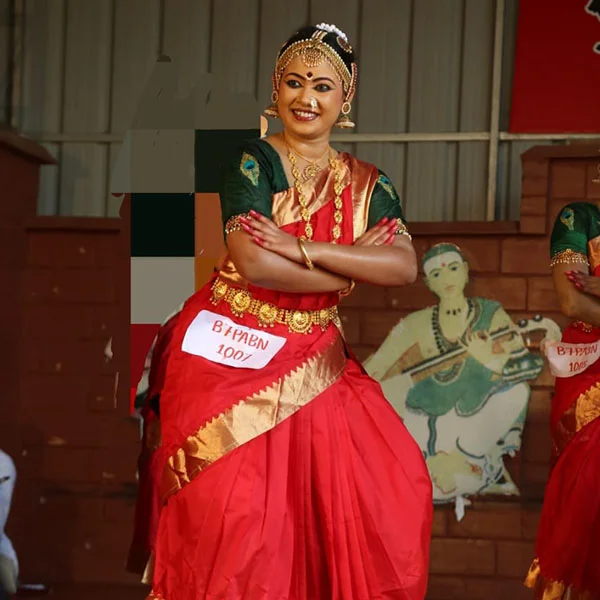
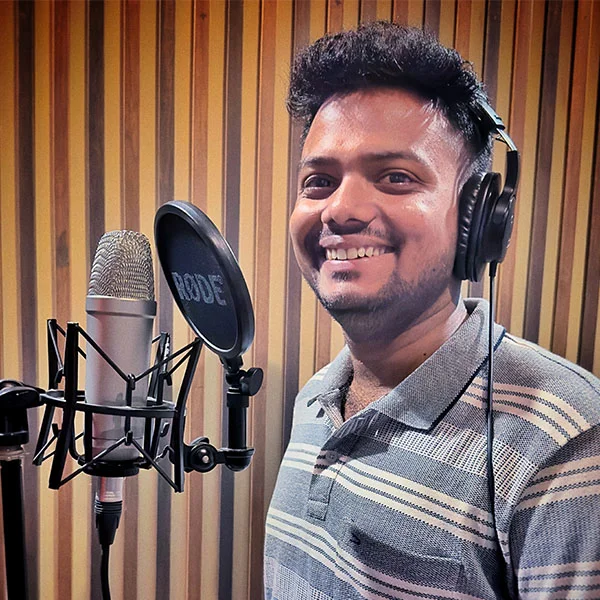
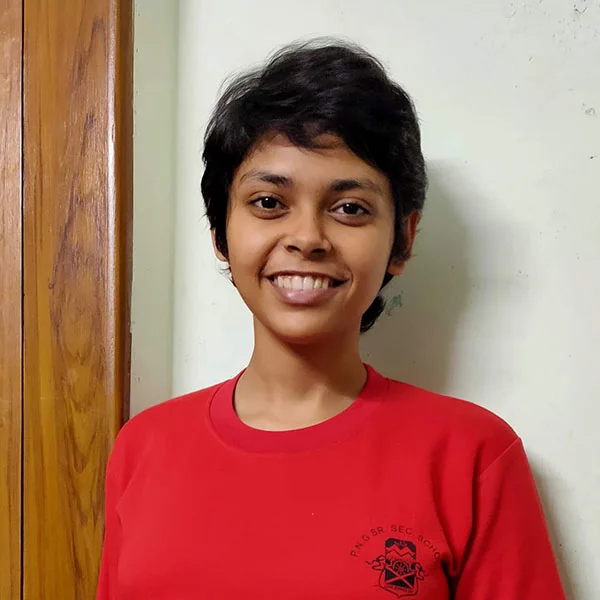
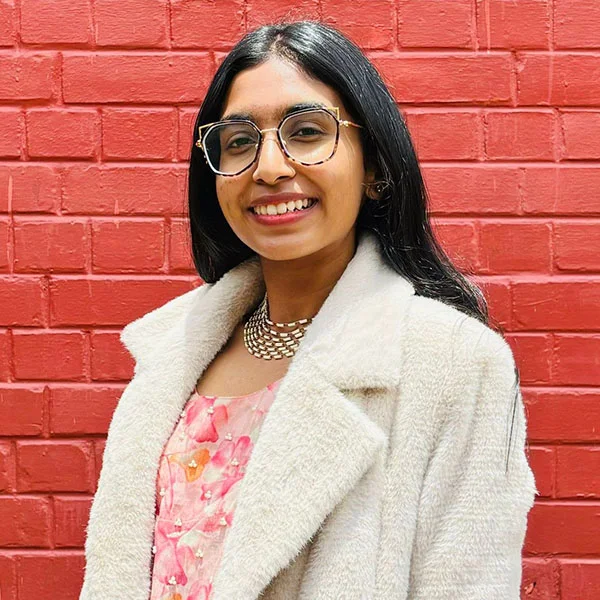
Expert educators who connect, guide, and prepare students with special personalized care ❤️📚✨








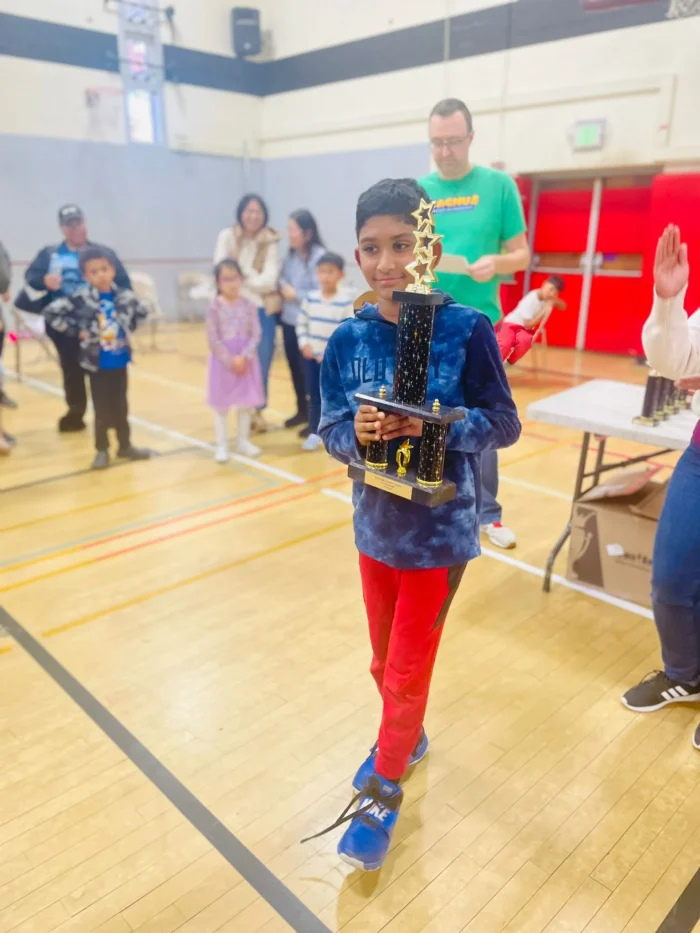
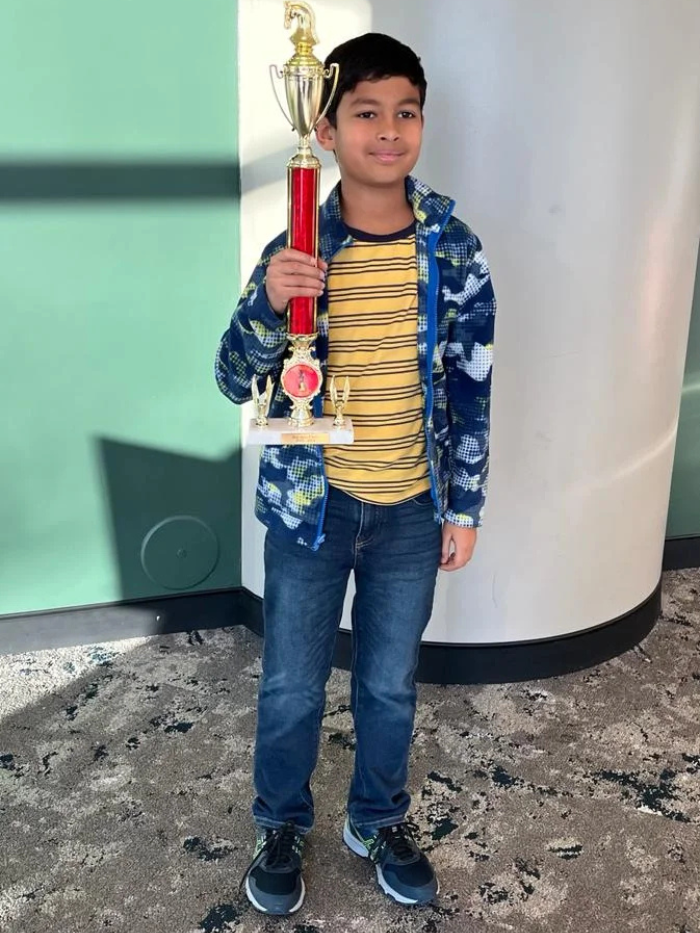
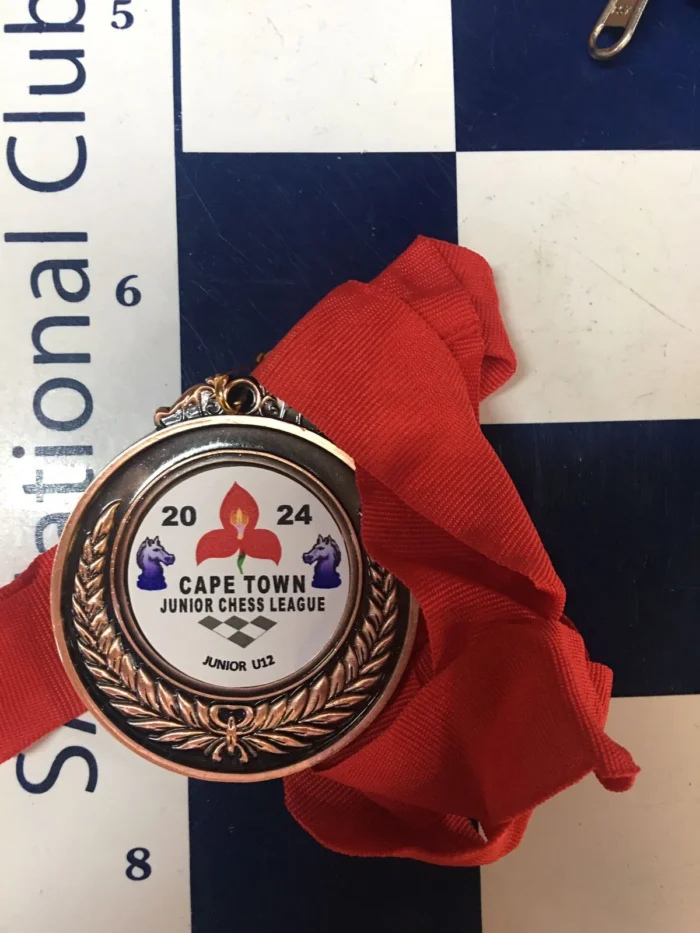
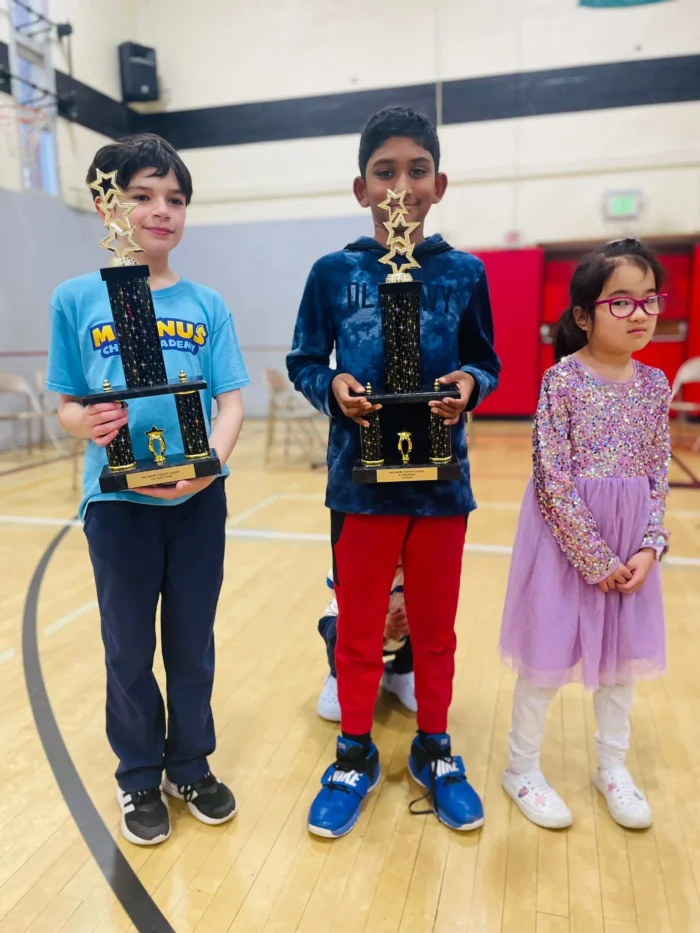
Student Achievements
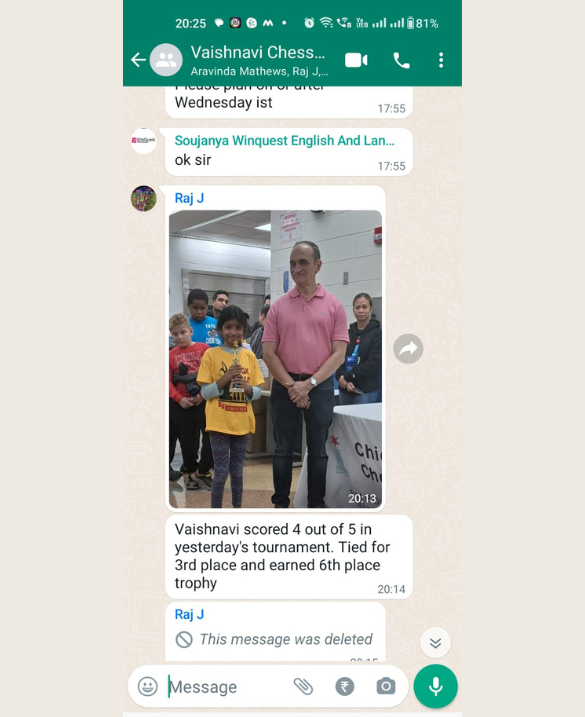
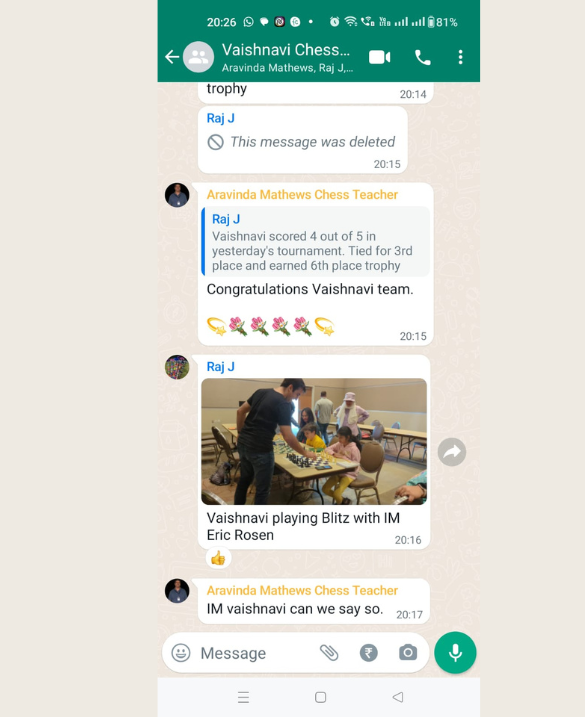
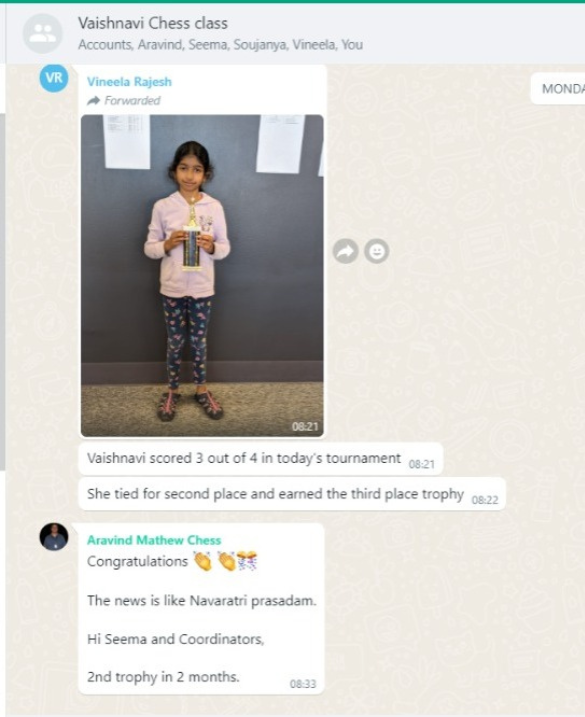
Making an Impact: 🏆 Student Achievements That Shine | 🌱 Your Growth. Our Mission.
What Our Parents Say About Us
👪 Real Results. Real Parent Voices. 🏆 Futures Built with Care

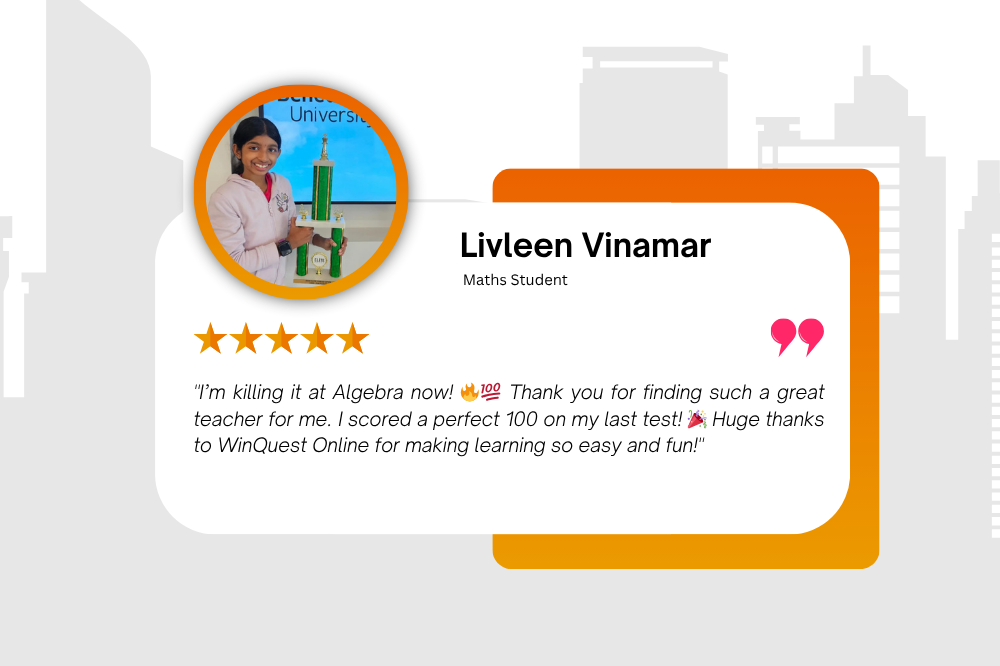
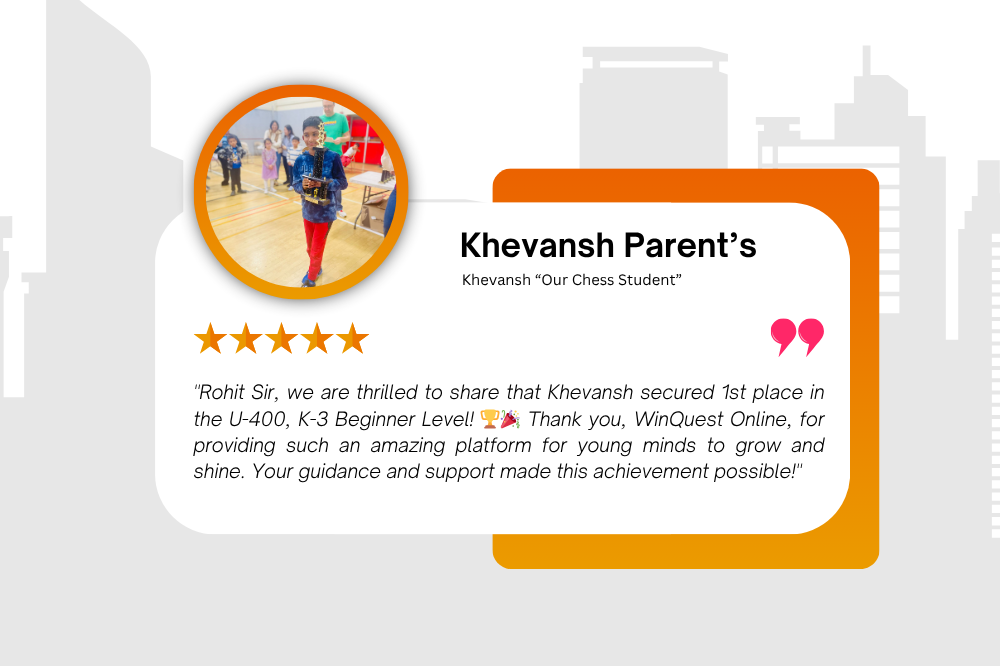
Parent Testimonials
Success Stories That Speak 🌟🎓 Wins That Inspire Pride 🏆
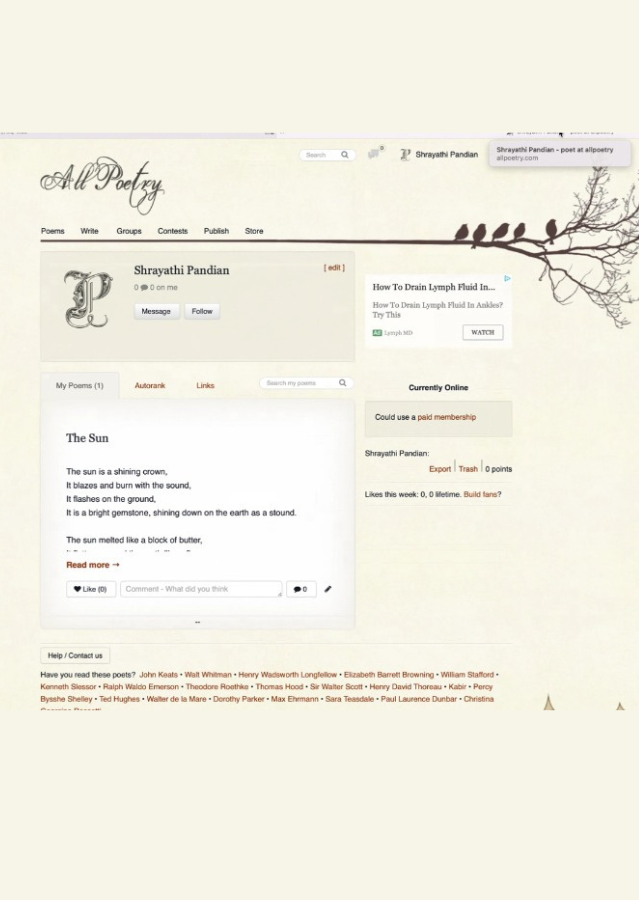
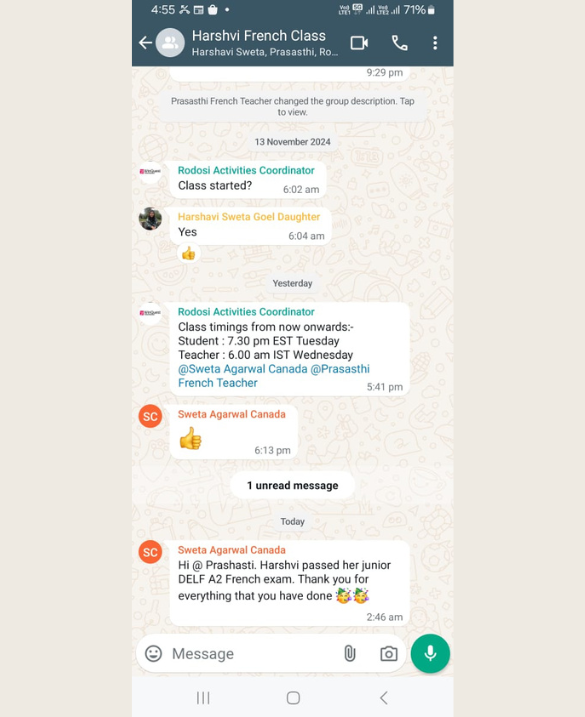
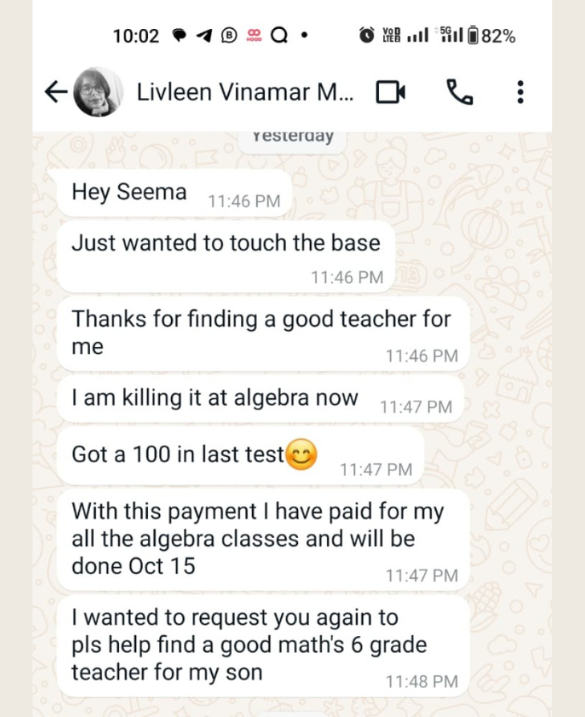
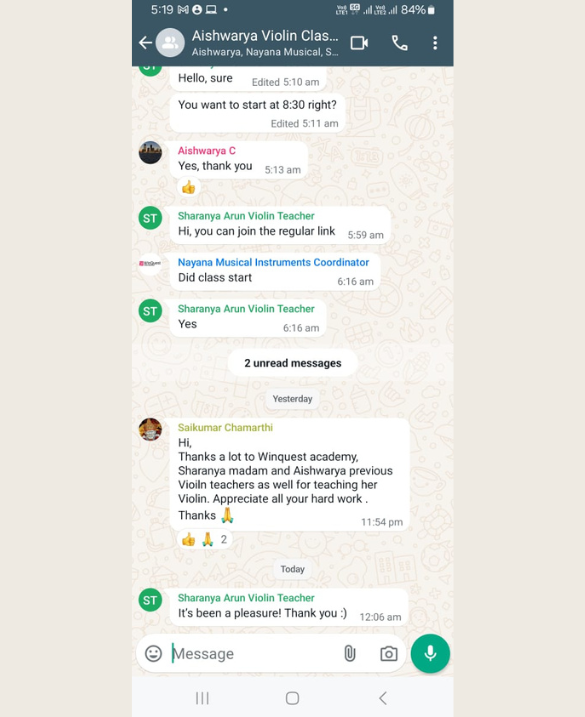
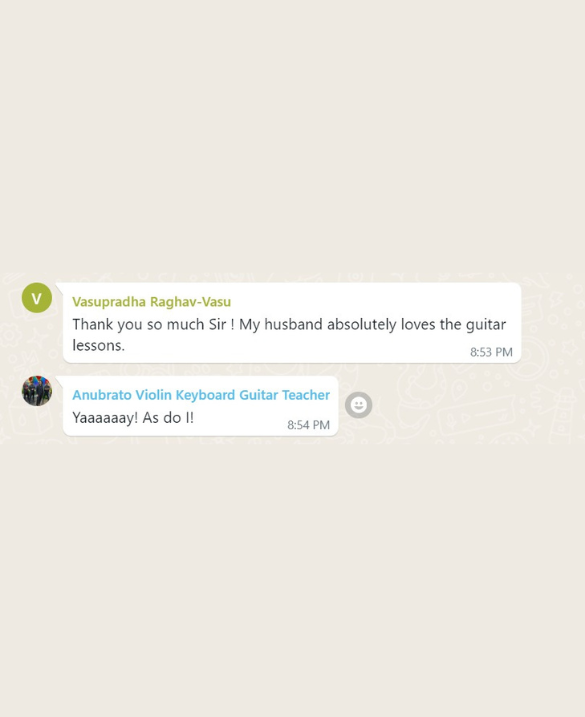
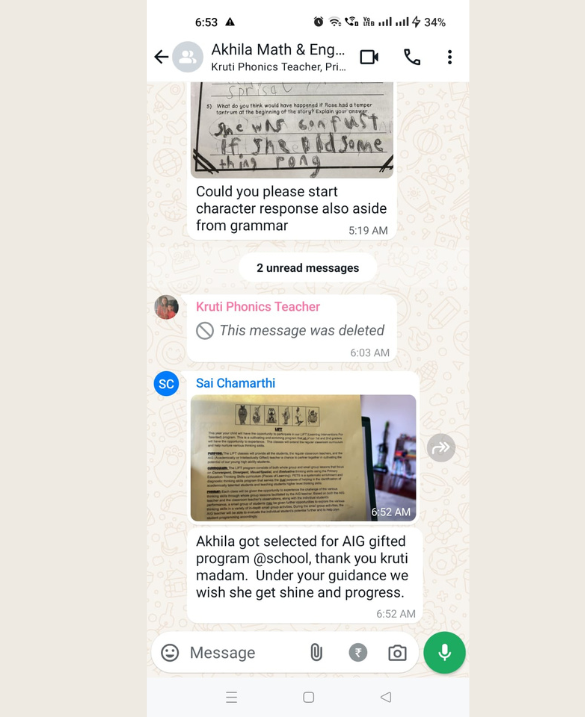
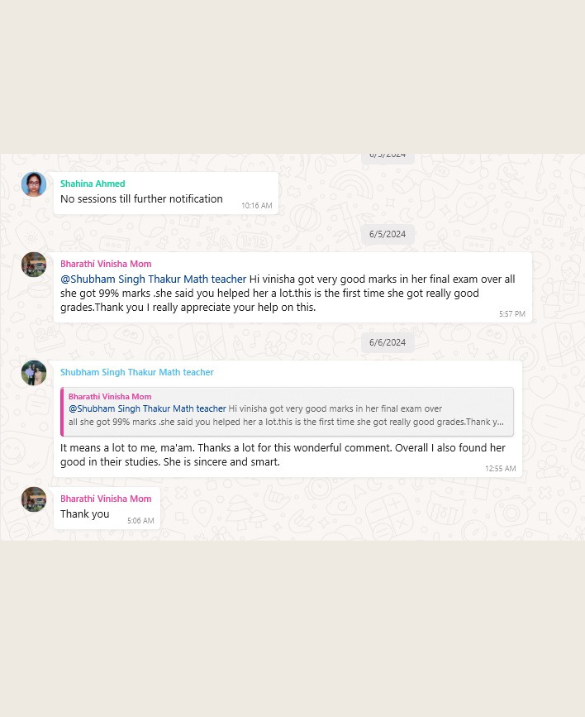
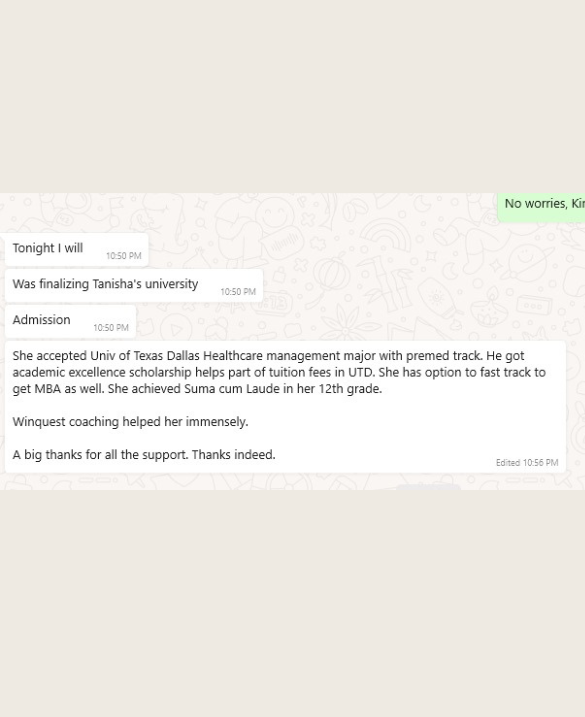
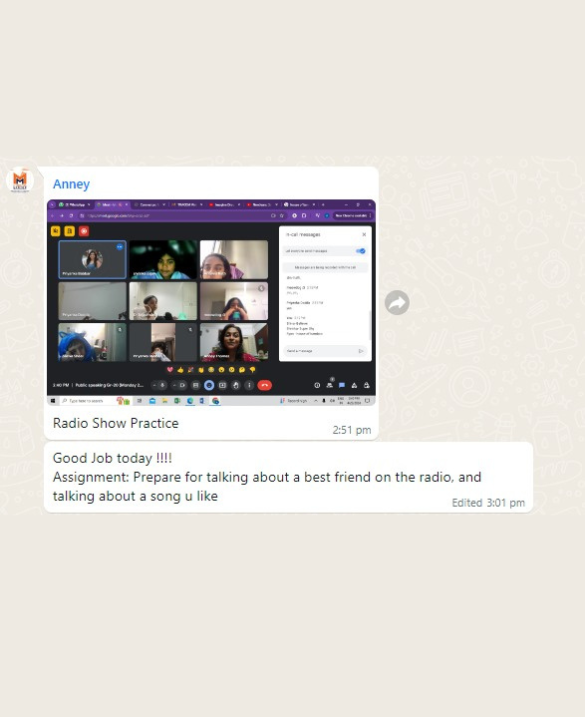
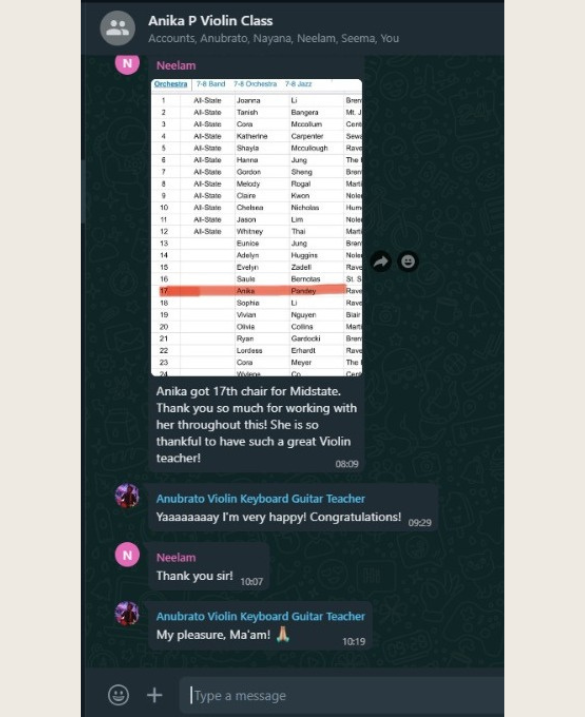
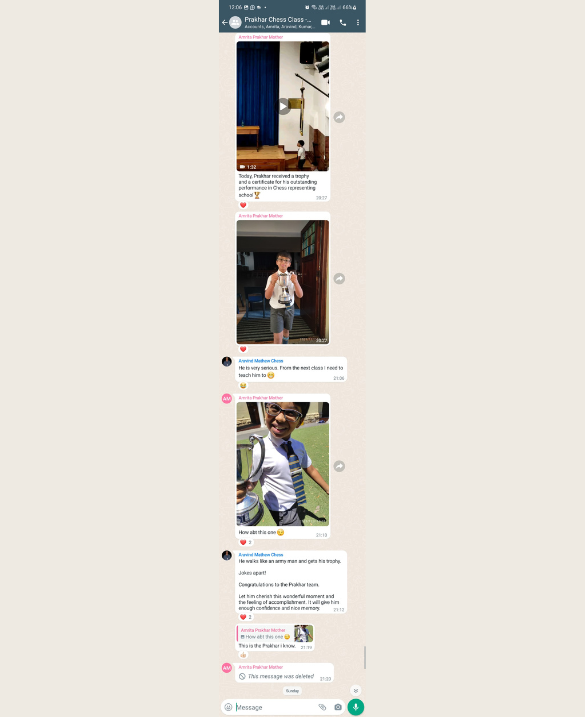
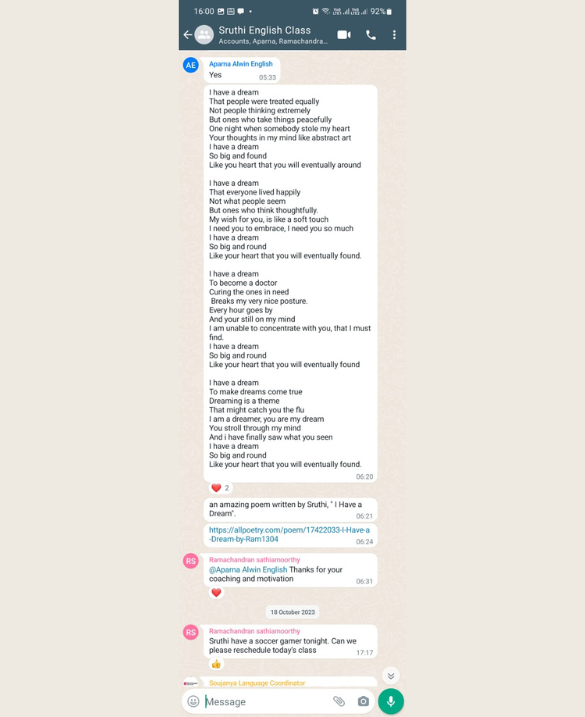
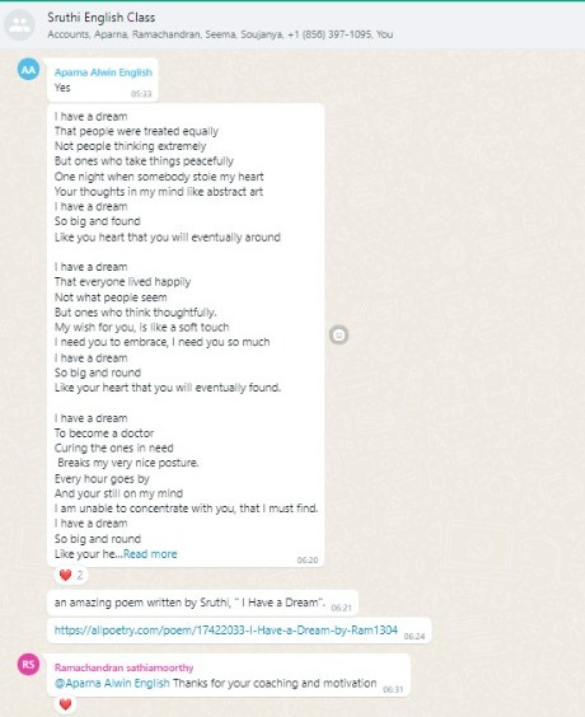
WhatsApp Testimonials
Real Voices from Our WhatsApp Community 💚📚
Latest News and Resources
📰 Learning Updates | 📘 Tips | 🎓 Resources | 💻 Online Courses