

Course Details
Social Studies Grade 8
Social Studies Grade 8
Why Choose Online Social Studies Grade 8 Classes?
Overview
Social Studies Grade 8 is the gateway year before high-school humanities. WinQuest delivers it aligned to your board - US Common Core / state standards, Ontario Grade 8 History & Geography, Australian v9.0 HASS, CBSE Class 8 (Our Pasts III / Resources & Development / Social & Political Life), ICSE Class 8, Cambridge Lower Sec, or Singapore Sec 2 Social Studies.
What You'll Learn
- Live interactive sessions
- 1st one-on-one session
- Comprehensive curriculum
- No long-term commitment
- Personalized learning plan
Grade 8
Early American History+
- Colonial America (13 colonies; Jamestown 1607; Plymouth 1620) and the road to revolution (Stamp Act 1765, Boston Tea Party 1773, Lexington 1775).
- Declaration of Independence (1776; Jefferson author; natural rights), Constitution (1787; checks + balances; Bill of Rights 1791).
- Early Republic (Washington, Adams, Jefferson) and Jacksonian era (1828-1837; mass democracy, Indian Removal Act, spoils system).
Civil War & Reconstruction+
- Causes of the Civil War (1861-65) - slavery, states' rights, sectionalism, Kansas-Nebraska Act, Lincoln's election.
- Course of the war and key figures (Lincoln, Davis, Grant, Lee) and battles (Bull Run, Gettysburg 1863, Vicksburg, Appomattox 1865).
- Reconstruction (1865-77; 13th, 14th, 15th Amendments; Freedmen's Bureau) and its end (Compromise of 1877; Jim Crow).
Industrial Era+
- Industrialisation (Carnegie steel, Rockefeller oil, robber barons) and urbanisation (tenements, mass transit, public services).
- Immigration (Ellis Island 1892-1954; nativism) and the Gilded Age (1870s-1900; corruption, conspicuous consumption).
- Progressive movement (1890s-1920s; trust-busting, women's suffrage 19th Amendment, prohibition 18th Amendment).
Civics & Economics+
- Government structure - federal (3 branches: legislative, executive, judicial), state (governor, legislature), local (mayor, council).
- Citizenship (5 paths: birth, naturalization) and civic participation (voting, jury duty, military service, community service).
- Economic principles - market economy (supply, demand, price); capitalism vs other systems; role of government.
History - Creating Canada+
- British North America 1850-1890 - Province of Canada, Maritimes, Hudson's Bay Company lands; pre-Confederation politics.
- Confederation (1867; BNA Act; first 4 provinces: ON, QC, NS, NB) and expansion west (Rupert's Land transfer, Manitoba 1870, BC 1871).
- Indigenous experiences and treaties (Numbered Treaties 1-11; Indian Act 1876; residential schools; loss of land).
History - Canada from 1890+
- Industrialisation (Canadian Pacific Railway 1885; manufacturing) and immigration (Sifton policy 1896; Eastern Europeans, Asians).
- Canada's role in WWI (Vimy Ridge 1917; conscription crisis) and WWII (D-Day, home front, internment of Japanese Canadians).
- Post-war Canada (welfare state, NATO 1949) and current issues (multiculturalism, Quebec, Indigenous reconciliation).
Geography - Global Settlement+
- Patterns of human settlement globally - urban (cities) vs rural (countryside); coastal vs interior; influencing factors.
- Push-pull factors of migration - push (poverty, conflict, climate) and pull (jobs, safety, family, education).
- Sustainable communities - balanced housing, transit, green space, local food, renewable energy, social inclusion.
Geography - Global Inequalities+
- Quality of life around the world - measured by HDI (life expectancy, education, income); life expectancy ranges from 50 to 85 years.
- Wealth distribution and human development - global income inequality, top 10% holds ~50% of wealth; Gini coefficient.
- International aid (CIDA, USAID, NGOs) and trade (WTO, NAFTA/USMCA, EU); fair trade movement.
History - Medieval Europe & Beyond+
- Medieval Europe (500-1500 CE) - feudalism (lords, vassals, serfs), Black Death plague (1347-51; killed 1/3 of Europe), Crusades.
- Mongol Empire (1206-1368; Genghis Khan, Kublai Khan; largest land empire ever; Pax Mongolica enabled trade) and Asia.
- Pre-Columbian Americas - Aztec (Tenochtitlan), Maya (Yucatan; advanced mathematics), Inca (Andes; Machu Picchu).
Geography - Landforms & Landscapes+
- Landforms (mountains, plains, plateaus, valleys) and landscape change (erosion, weathering, tectonic uplift over millions of years).
- Natural hazards - earthquakes (Richter scale), volcanoes (VEI), tsunamis, cyclones, droughts, bushfires; risk management.
- Human impact on landscapes - agriculture (clearing, irrigation), urbanisation, mining, deforestation, climate change.
Geography - Changing Nations+
- Population dynamics - growth (births - deaths + net migration; world hit 8 billion 2022), migration patterns.
- Urbanisation in Australia (Sydney, Melbourne) and overseas (megacities: Tokyo, Delhi, Shanghai; 55% world urban).
- Liveability of cities - factors (housing affordability, healthcare, education, climate, safety); EIU Liveability Index.
Civics & Economics+
- Australian Constitution (1901; written; section 51 powers) and federal system (Commonwealth + 6 states + 2 territories).
- Citizenship and civic participation - voting (compulsory in Australia from age 18), jury service, peaceful protest.
- Economic decision making - scarcity, opportunity cost, supply + demand; role of government in mixed economy.
History - Our Pasts III+
- How, when, where (historical sources, periodisation); from trade to territory (EIC arrival 1600; Plassey 1757; Buxar 1764).
- Ruling the countryside (Permanent Settlement 1793, Ryotwari, Mahalwari systems); tribals and dikus (Santhal, Munda uprisings).
- When people rebel - 1857 Revolt (Sepoy Mutiny; causes: cartridges, annexation, religious; key leaders: Rani of Jhansi, Bahadur Shah).
History (cont.)+
- Civilising the natives, educating the nation (Macaulay Minute 1835; English education; printing press; Indian intellectuals).
- Women (Sati abolition 1829, Widow Remarriage Act 1856), caste and reform (Brahmo Samaj, Arya Samaj); changing visual arts.
- India after independence (1947 partition; integration of princely states; Constitution 1950; Nehruvian socialism; Green Revolution).
Geography - Resources & Development+
- Resources - types (natural vs human-made; renewable vs non-renewable; biotic vs abiotic) and conservation principles.
- Land (use patterns), soil (types: alluvial, black, red), water (sources, distribution, scarcity), natural vegetation (forests), wildlife (sanctuaries, national parks).
- Mineral (Fe, Cu, Au), power (coal, oil, hydro, nuclear, solar) resources; agriculture (subsistence, commercial); industries; human resources (demographics, education).
Civics - Social & Political Life III+
- Indian Constitution (adopted Jan 26 1950; preamble; fundamental rights, directive principles); secularism (state neutral on religion).
- Why do we need a parliament (lawmaking, accountability); understanding laws (Bill -> Act process; rule of law principle).
- Judiciary (Supreme Court + High Courts + lower courts); criminal justice (FIR, investigation, charge sheet, trial, appeal); marginalisation; public facilities; law and social justice.
History+
- India in the 18th century - decline of Mughals after Aurangzeb (d. 1707); successor states (Bengal, Awadh, Hyderabad); Maratha expansion.
- British conquest of Bengal (Plassey 1757; Buxar 1764; Diwani 1765); expansion under Wellesley (subsidiary alliance) and Dalhousie (annexation).
- Reforms - social (Sati abolition 1829, child marriage), religious (Brahmo Samaj, Arya Samaj); revolt of 1857 (causes, course, suppression, results).
Geography+
- Earth's structure (crust, mantle, core); rocks (igneous, sedimentary, metamorphic; rock cycle).
- Industries - types (primary: agriculture; secondary: manufacturing; tertiary: services; quaternary: knowledge) and locations.
- Population - growth (world reached 8 billion in 2022; growth rate slowing) and distribution (dense plains, sparse deserts).
Civics+
- Constitution - directive principles (Part IV; guidelines for state policy), fundamental rights (Articles 12-35; 6 rights: equality, freedom, against exploitation, religion, cultural, constitutional remedies).
- Local self-government - Panchayati Raj (rural: Gram, Block, Zila); Municipalities (urban: Municipal Corporation, Council).
- Citizen and the law (rights + duties; rule of law); United Nations (founded 1945; 193 members; UNGA, UNSC, ICJ, agencies).
Global Perspectives+
- Personal identity (self-perception) and cultural diversity (multiple cultures coexisting; tolerance, respect).
- Global issues - climate change (IPCC reports; Paris Agreement 2015), inequality (1% holds 50% wealth; SDG 10 reduce inequalities).
- Research and analysis skills - source evaluation (PROVE: Purpose, Relevance, Origin, Value, Effects), citing evidence.
History+
- Major periods in world history - Ancient (3000 BCE - 500 CE), Medieval (500-1500), Early Modern (1500-1750), Modern (1750-).
- Key revolutions and turning points - Agricultural, Industrial, French (1789), American (1776), Russian (1917), Information Age.
- Comparative civilisations - Mesopotamia, Egypt, Indus Valley, China; Greek, Roman; Islamic Caliphates; Aztec, Inca.
Geography+
- Physical geography - climate (Koppen classification: tropical, dry, temperate, continental, polar) and biomes (rainforest, savanna, desert, taiga, tundra).
- Human geography - population (8 billion 2022; demographic transition model) and urbanisation (55% world urban; megacities).
- Environmental sustainability - SDGs (17 goals), Paris climate accord, renewable energy transition, circular economy.
Skills+
- Source evaluation - assessing reliability (who, when, why), bias, corroboration with other sources.
- Argument construction - claim + evidence + reasoning + counterargument + rebuttal; PEEL paragraphs.
- Independent inquiry - posing research questions, gathering evidence, synthesising findings, presenting conclusions.
Living in a Diverse Society+
- Why is there a need to manage diversity - Singapore is multiracial (74% Chinese, 14% Malay, 9% Indian, 3% others) and multireligious.
- How can we manage diversity - assimilation vs integration vs multiculturalism; common identity + appreciation of differences.
- Singapore's approach to managing diversity - CMIO model, HDB ethnic quotas, bilingual policy, group representation constituencies.
Global Awareness+
- How can we be active citizens - civic participation (voting from age 21), community service (CIP), informed views.
- Singapore's role in the world - small state diplomacy (ASEAN founding member 1967, UN, WTO); trade hub (Port of Singapore).
- Globalisation (economic, cultural, political integration) and impacts (jobs, prices, cultural exchange, environmental).
Singapore's History+
- Migration to Singapore - 1819 founding by Raffles; Chinese (coolie trade), Malay (regional), Indian (labour) immigration.
- Becoming a nation - independence 1965 (separation from Malaysia; Lee Kuan Yew's tears on TV).
- Building a nation - economic development (EDB 1961, industrialisation, port, biotech, financial hub; GDP per capita > USD 80,000).
Skills+
- Source-based skills - reliability (who created it, when, for what audience), purpose (inform, persuade, propaganda).
- Inquiry and research - formulating questions, gathering primary + secondary sources, evaluating, synthesising.
- Evidence-based argument - claim + evidence + reasoning; counterargument + rebuttal; concluding stance.
Bridge to IGCSE+
- IGCSE Global Perspectives (0457) or History (0470) / Geography (0460) - choose pathway based on school + interest.
- Source-based skills - assessing reliability, evaluating utility, comparing sources, cross-referencing for corroboration.
- Argument and evaluation - balanced analysis, weighing evidence, judging significance, drawing conclusions.
Note+
- IGCSE 0457 (Global Perspectives) / 0470 (History) / 0460 (Geography) are sat at the end of Year 10 / 11.
- For Grade 8 the Cambridge Lower Secondary Stage 8 framework above is used as the primary track.
- Full IGCSE syllabus appears in the Social Studies Grade 9-10 product (next 2 years).
Requirements
- A laptop or desktop with stable internet
- Notebook and atlas
- School textbook (any board)
- Headphones for discussions
Reviews
5.0 / 5 ★ · 370+ students enrolled
Parents consistently rate our mentors for personalised attention, clear concepts and steady progress. Book a free demo to experience a class first-hand.
Frequently Asked Questions
How do I get started?+
Click the Book a Demo button on this page and fill in your child's grade and school board (CBSE / ICSE / IGCSE / Cambridge / US Common Core / Singapore MOE etc.). We will schedule a free trial session with a matching tutor. For details, contact our coordinator on WhatsApp at +91 93308 11581 or email contact@winquestonline.com.
Will the tutor follow my child's school board?+
Yes. Every WinQuest tutor is mapped to specific curricula. Before the first class we ask which board your child follows; the tutor uses that board's scope and sequence, supports the school textbook chapter by chapter, and adds worksheets in the board's exam style. We currently support US Common Core, Ontario, Australian v9.0, CBSE (NCERT), ICSE (CISCE), IGCSE 0580 / 0500 / 0610 / 0620 / 0625, Cambridge Primary / Lower Secondary, and Singapore MOE.
How does payment work?+
We require monthly advance payments for the number of classes scheduled in that calendar month. We accept Zelle, PayPal, UPI (for India), Stripe and major credit / debit cards. You can select your preferred payment method during the initial enrolment.
What if my child misses a class?+
For 1:1 sessions we reschedule a make-up at a mutually convenient time at no extra cost (with at least 24 hours notice). For group classes we share a timed recording of the session on parent request, so your child can catch up before the next class.
How long is each class?+
Each class session is 60 minutes long for academic subjects. Frequency is typically twice a week for K-7 grades and 2-3 times a week for high school, based on the board exam timeline and parent preference.
How is progress measured?+
Tutors give written feedback on every homework assignment, run a short formative quiz every 4-6 classes, and a longer chapter test at the end of each topic. Parents receive a monthly progress report covering concept mastery, homework completion and test scores.
What is the class size?+
For 1:1 sessions the class is just your child and the tutor. For group classes we cap each batch at 6-8 students so every learner gets individual attention and can ask questions in real time.
Are the tutors qualified?+
All our tutors are highly qualified subject-matter experts with proven track records - many hold Master's degrees in their subject and several years of school-curriculum teaching experience. Each tutor is interviewed by our academic head before joining and is mapped to specific boards and grades.
What if my child needs to pause for a school break or exam?+
Just let us know in advance. There are no contracts - you can pause for a school holiday or final-exam stretch and resume when the student is ready, with no penalty.
What are the requirements?+
A laptop or desktop with a stable internet connection is required. Pencil, eraser, ruler and a notebook for working out solved problems. For higher grades a basic calculator. The tutor will list any board-specific requirements (textbook, geometry box, etc.) before the first class.
Student Reviews
No reviews yet — be the first to share your experience with this course!
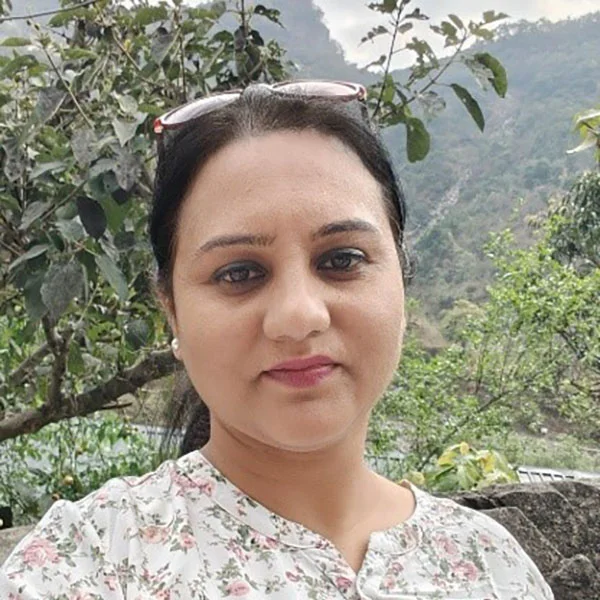
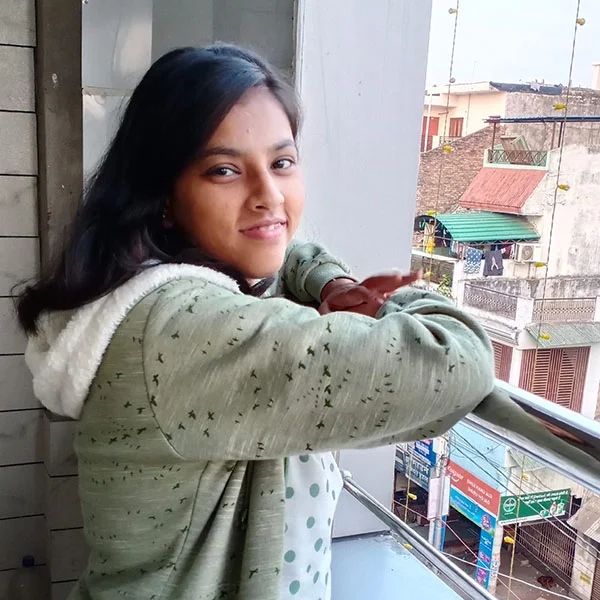
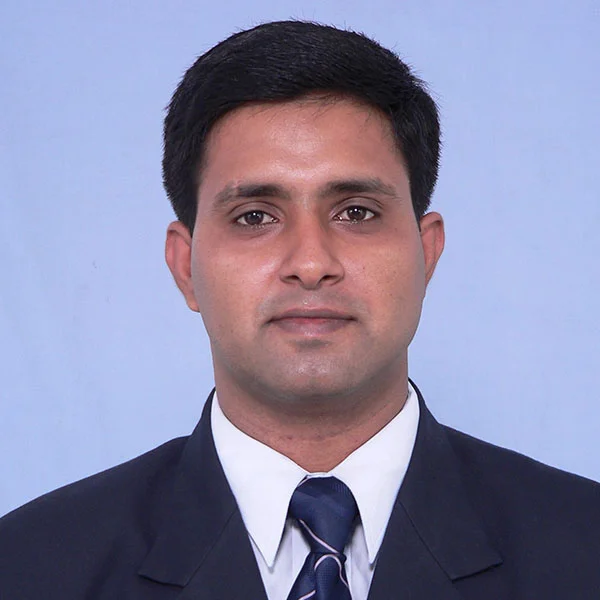
Meet our Teachers
Expert educators who connect, guide, and prepare students with special personalized care ❤️📚✨






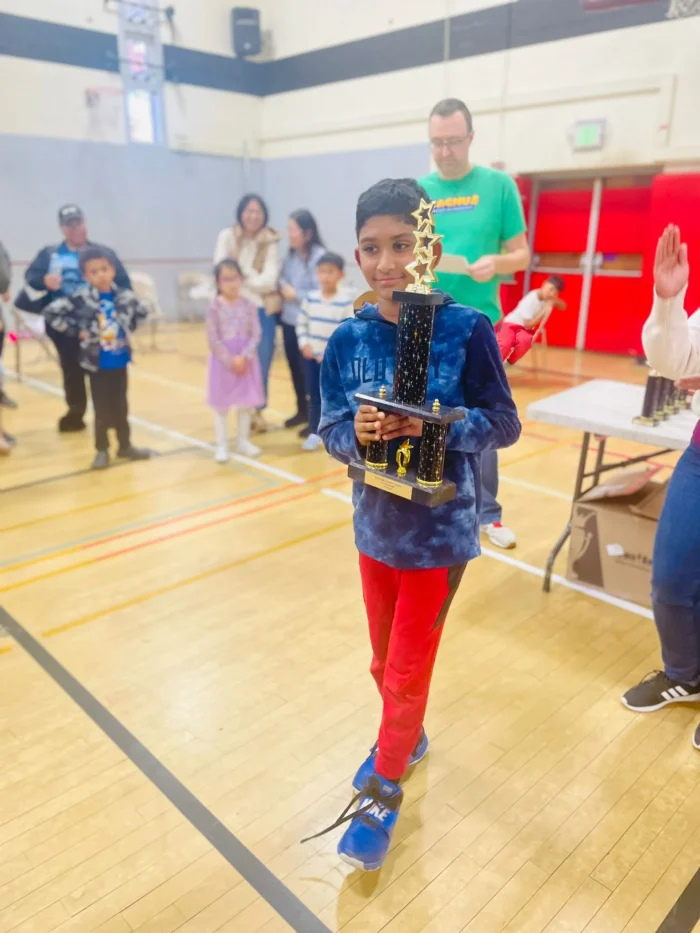
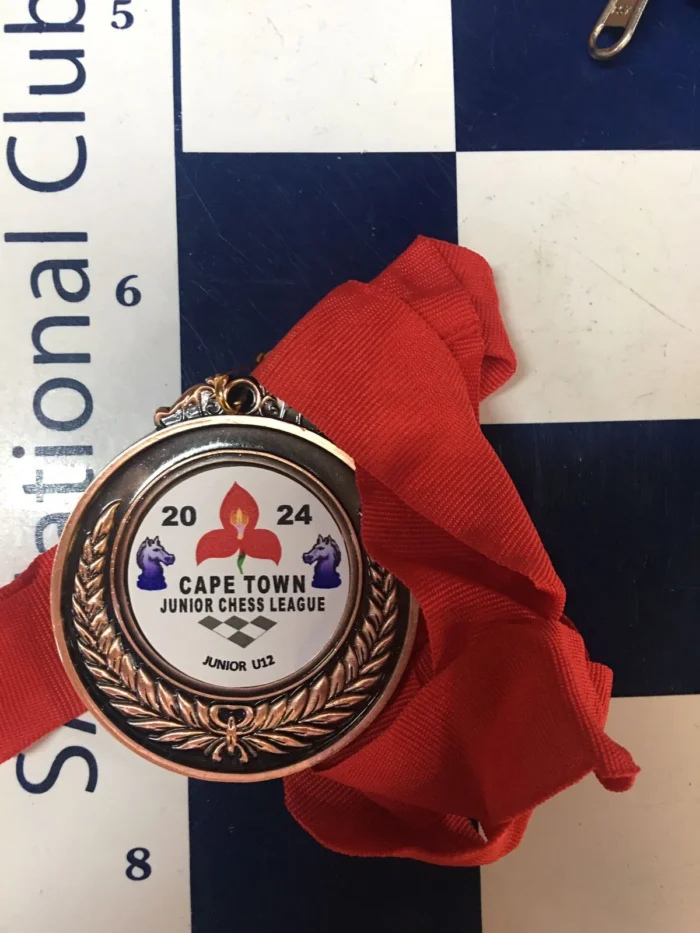
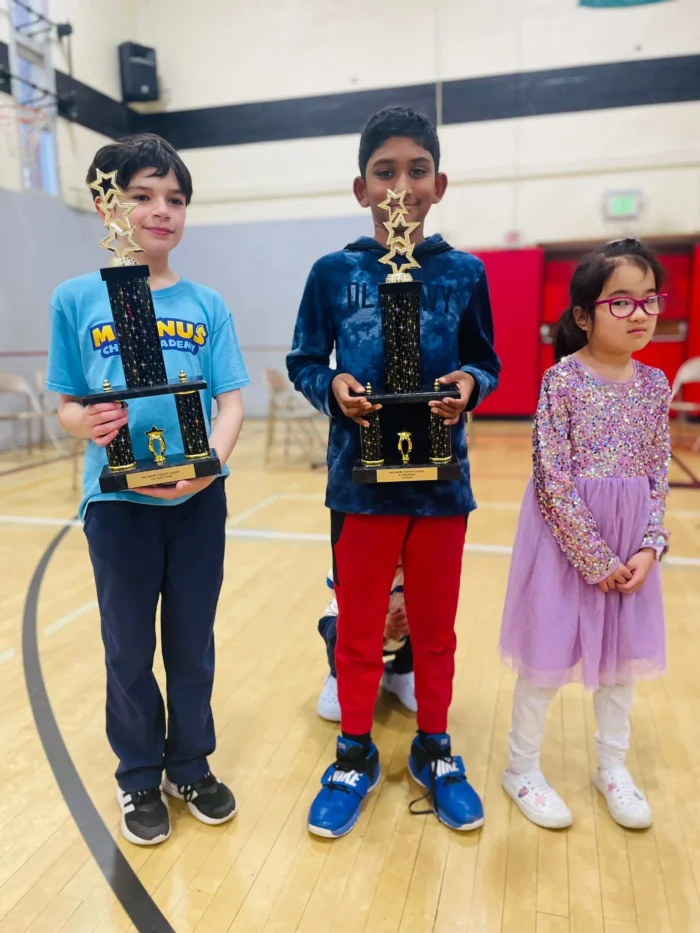
Student Achievements
Making an Impact: 🏆 Student Achievements That Shine | 🌱 Your Growth. Our Mission.

What Our Parents Say About Us
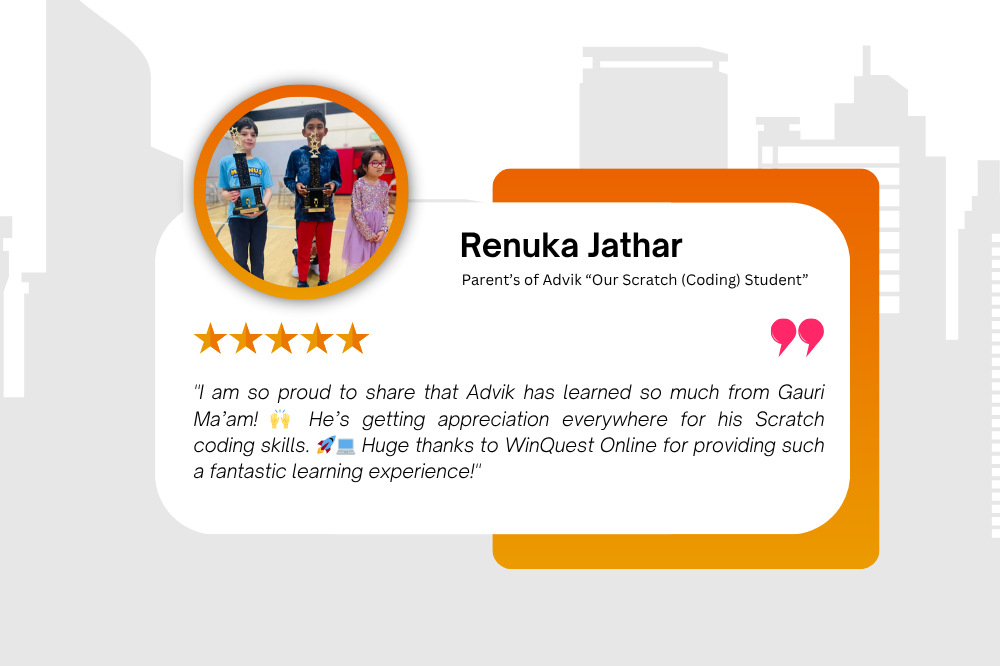
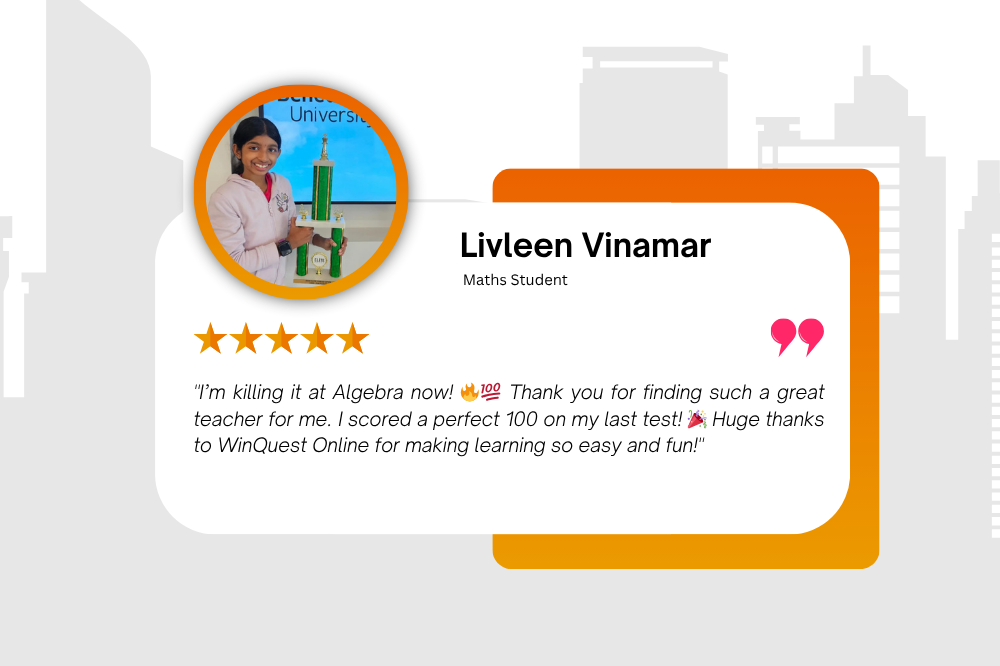
👪 Real Results. Real Parent Voices. 🏆 Futures Built with Care
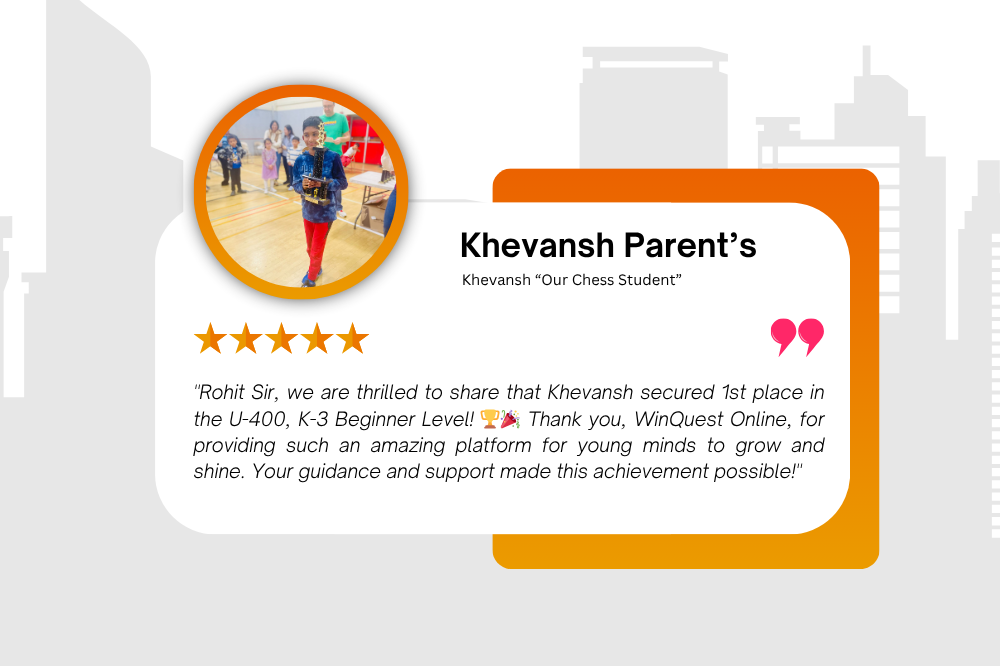
Parent Testimonials
Success Stories That Speak 🌟🎓 Wins That Inspire Pride 🏆
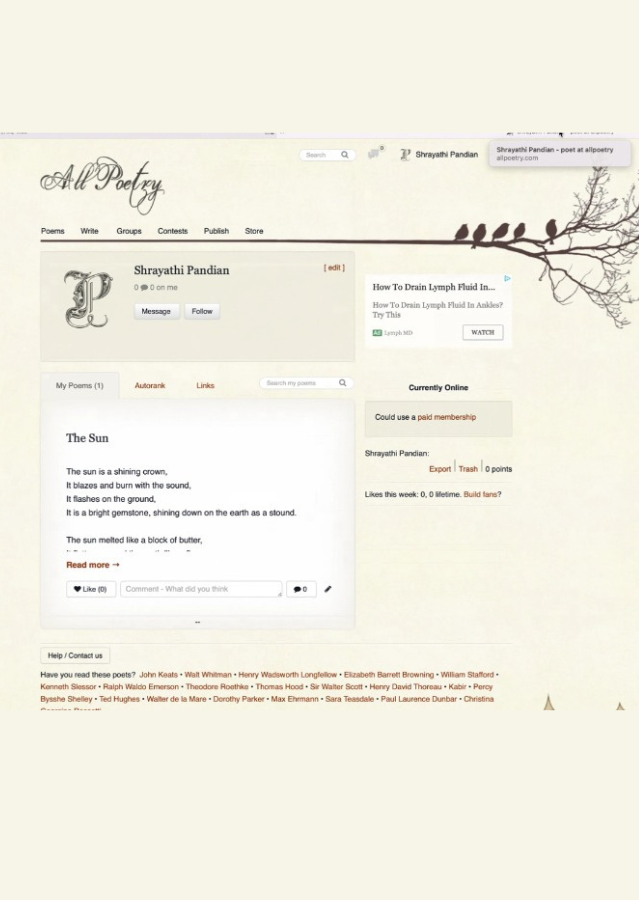
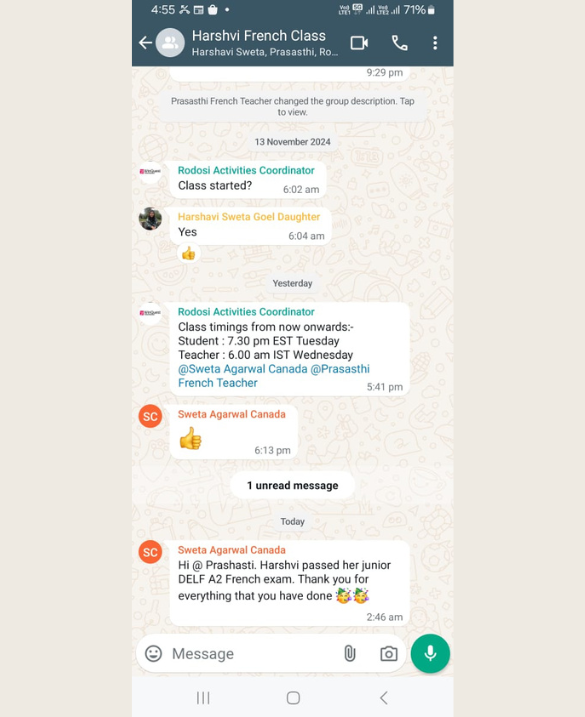
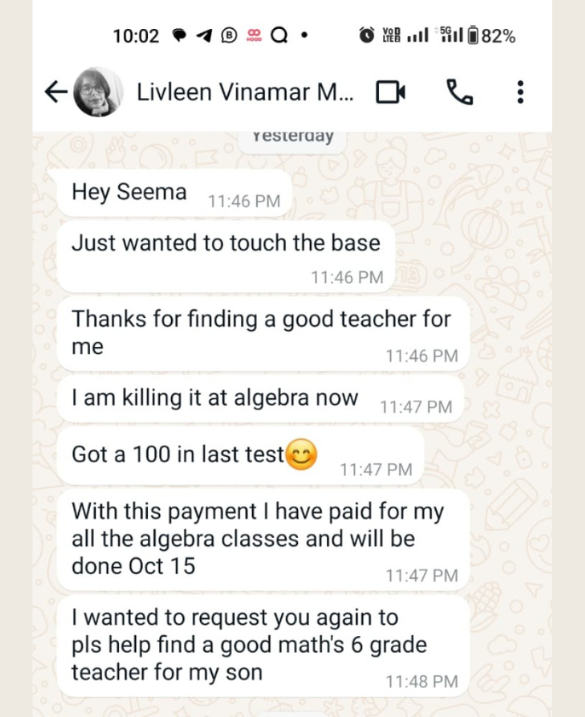
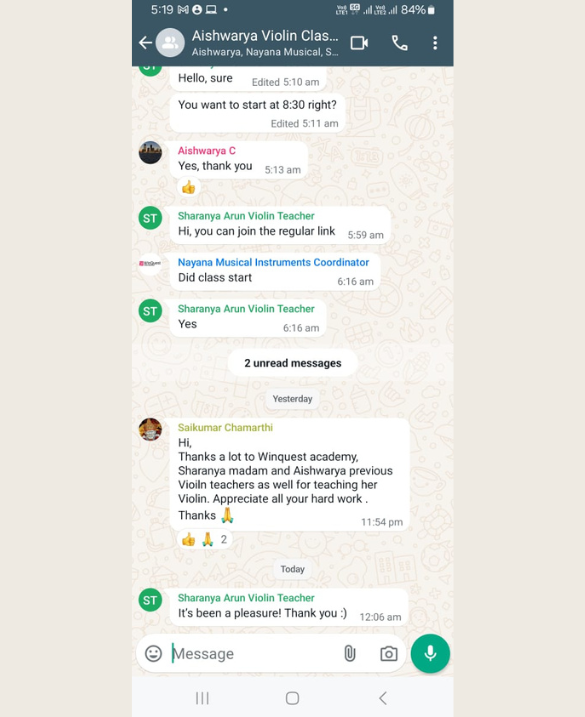
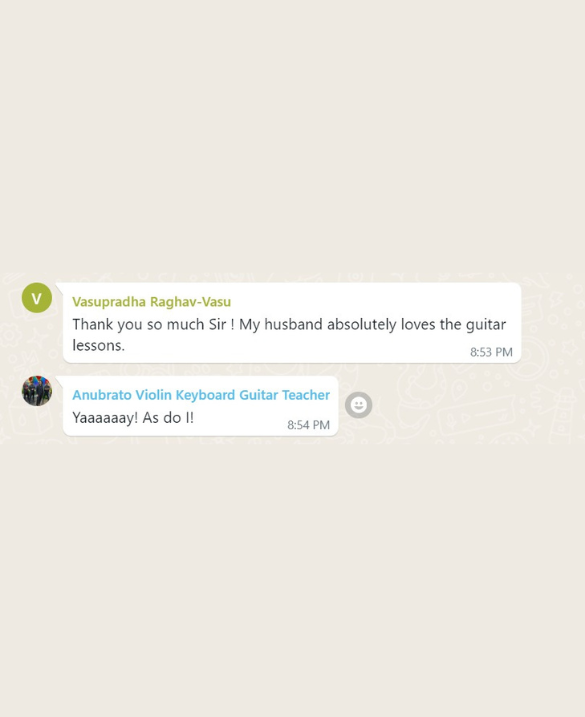
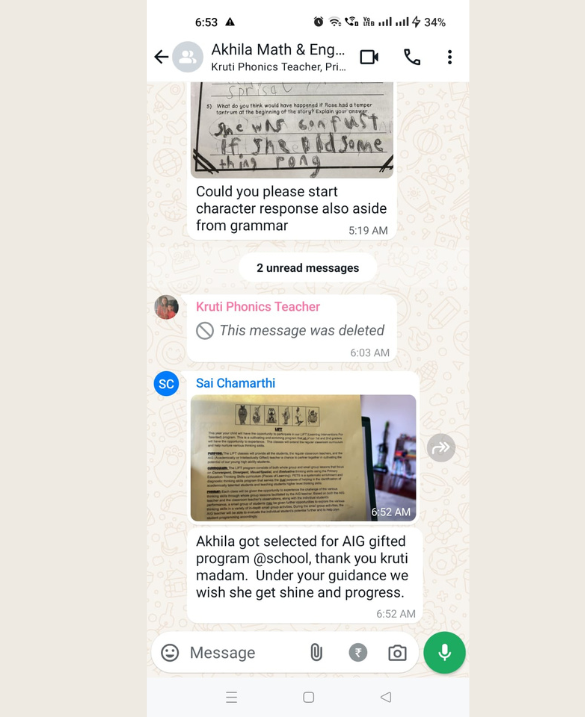
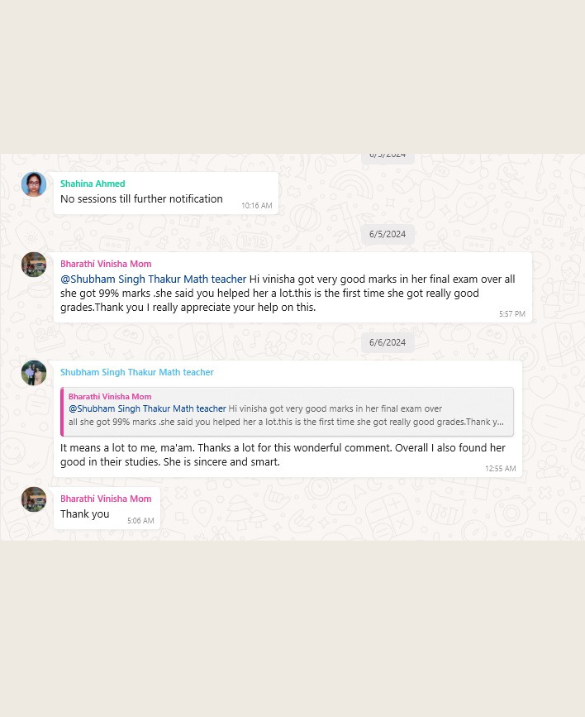
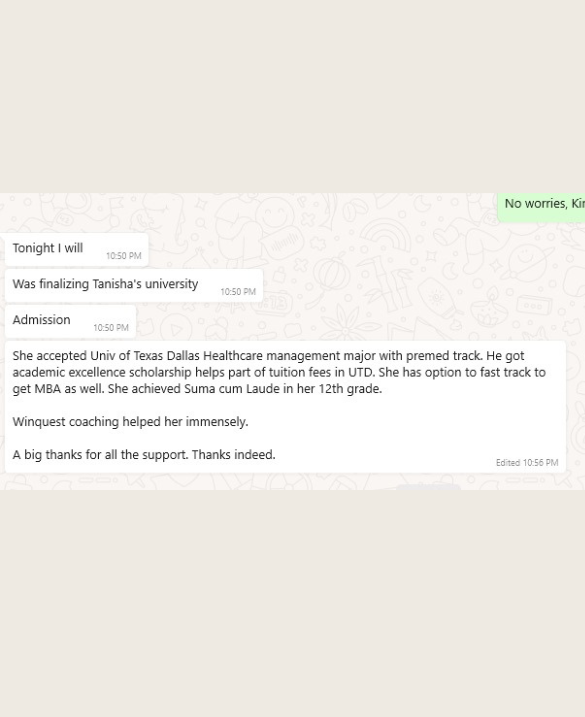
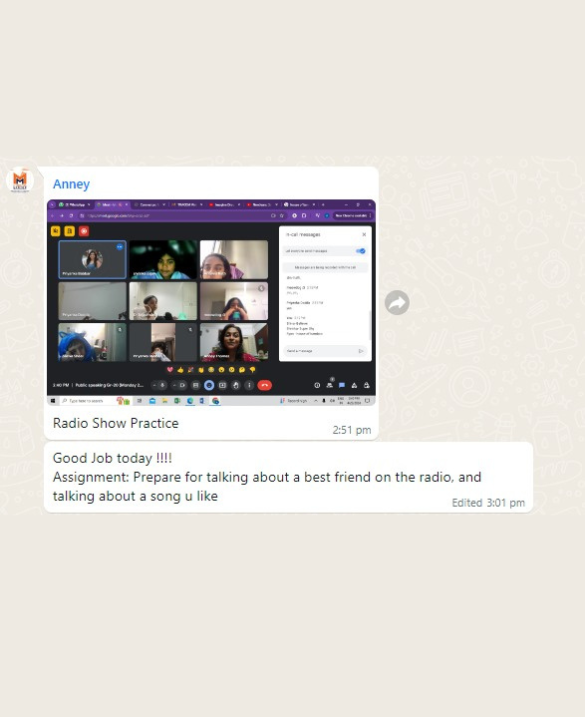
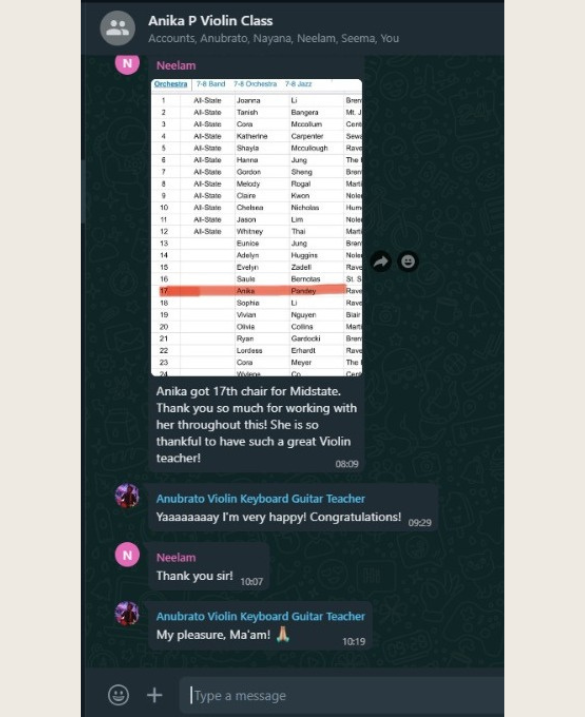
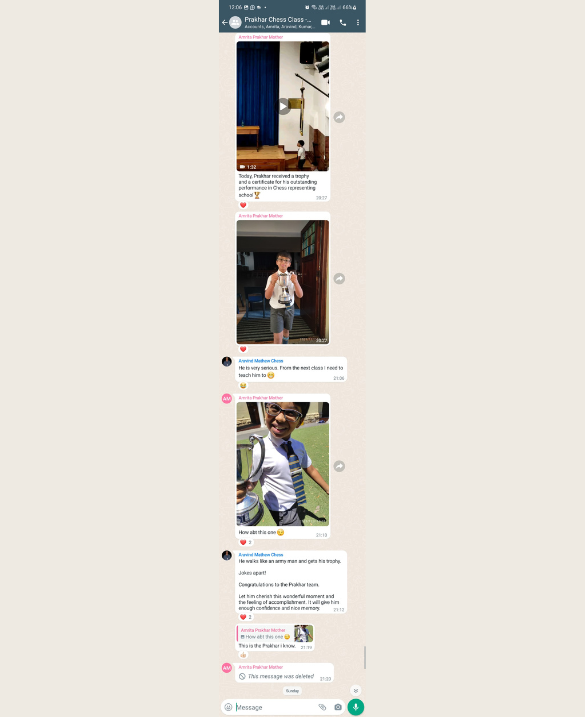
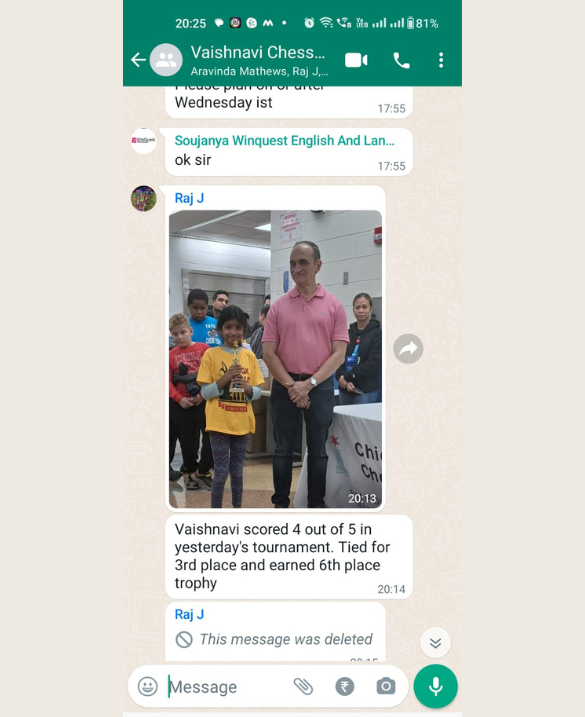
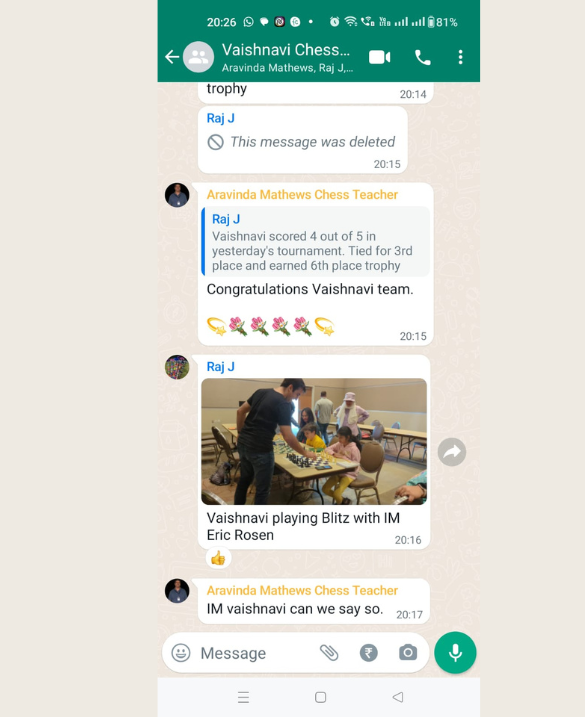
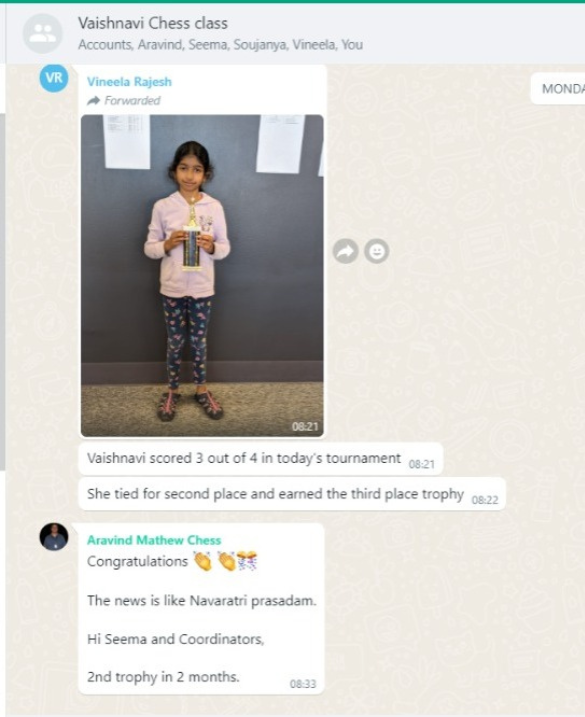
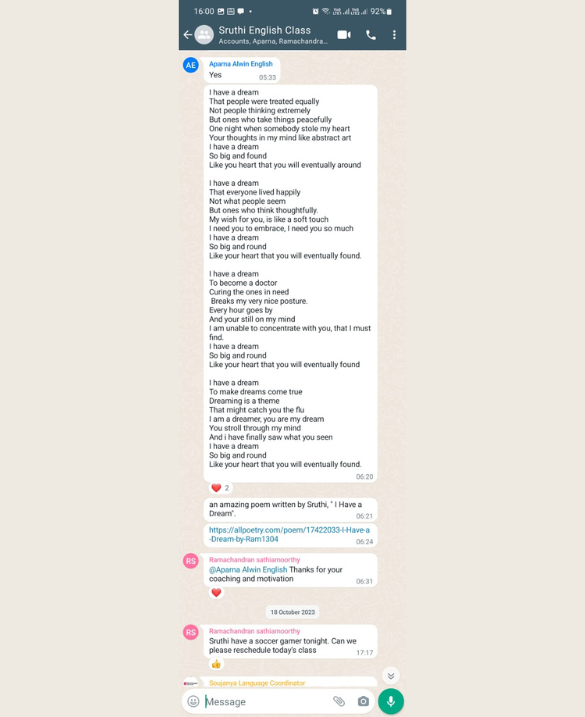
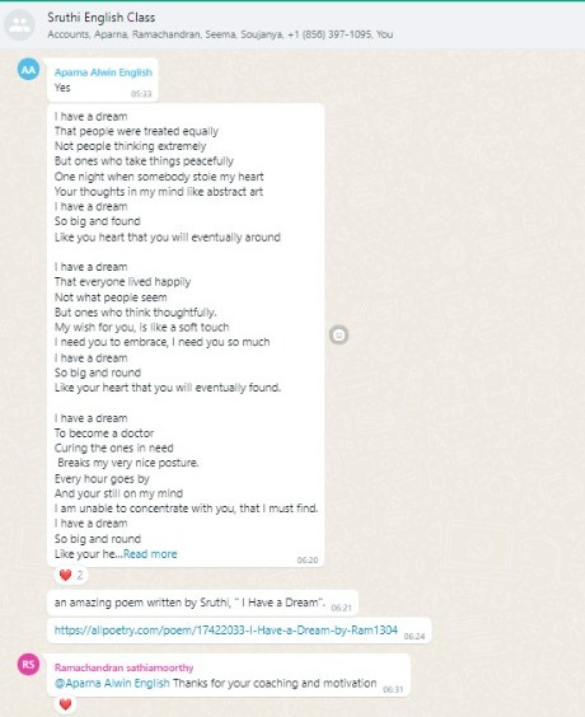
WhatsApp Testimonials
Real Voices from Our WhatsApp Community 💚📚
Latest News and Resources
📰 Learning Updates | 📘 Tips | 🎓 Resources | 💻 Online Courses