

Course Details
Biology Grade 11-12
Biology Grade 11-12
– High School Biology Honors Honors Biology covers topics typically covered in a high school biology course and prepares students for Advanced Placement Biology. About the Course – AP Biology
Why Choose Online Biology Grade 11-12 Classes?
Overview
Biology Grade 11-12 is senior-secondary Biology for the PCB / NEET / AP / IB / A-level stream. WinQuest delivers it 1:1 or in small groups aligned to your board - CBSE Class 11/12, ICSE ISC, Cambridge AS/A-level (9700), AP Biology track, Australian v9.0 Senior Biology, or Singapore H2 Biology - with regular practical paper drilling for boards that require it.
What You'll Learn
- Live interactive sessions
- 1st one-on-one session
- Comprehensive curriculum
- No long-term commitment
- Personalized learning plan
Grade 11
Big Idea 1: Evolution+
- Natural selection (Darwin: differential survival + reproduction) and population genetics (allele frequencies in populations).
- Hardy-Weinberg equilibrium (p^2 + 2pq + q^2 = 1) when no evolution; conditions: no selection, mutation, migration, drift, random mating.
- Phylogeny (evolutionary relationships shown as trees) and speciation (allopatric, sympatric; reproductive isolation).
Big Idea 2: Energetics+
- Cellular energetics - photosynthesis (light reactions in thylakoid; Calvin cycle in stroma) and respiration (glycolysis, Krebs, ETC).
- Enzyme action (lock-and-key, induced-fit; Michaelis-Menten kinetics) and feedback (negative + positive feedback loops).
- Homeostasis at cellular (membrane transport, ion balance) and organismal level (body temperature, blood glucose).
Big Idea 3: Information Storage+
- DNA (double helix, A-T, G-C); replication (semiconservative); transcription (DNA -> mRNA); translation (mRNA -> protein at ribosome).
- Gene regulation (operons in prokaryotes; transcription factors in eukaryotes) and biotechnology (PCR, gel electrophoresis, CRISPR).
- Cell communication and signal transduction - ligand binds receptor -> intracellular cascade -> response (hormones, neurotransmitters).
Big Idea 4: System Interactions+
- Population (group of same species), community (multiple species), and ecosystem (community + abiotic) ecology.
- Energy flow (one-way: sun -> producers -> consumers; 10% efficiency between trophic levels) and matter cycling (C, N, P, water).
- Human impact on ecosystems - habitat loss, pollution, climate change, overharvesting, invasive species, biodiversity loss.
Diversity of Living Things+
- Taxonomy (kingdom -> phylum -> class -> order -> family -> genus -> species) and the six kingdoms (Eubacteria, Archaea, Protista, Fungi, Plantae, Animalia).
- Viruses (non-living, need host) and bacteria (prokaryotic); plant kingdom (algae to angiosperms) and animal kingdom (Porifera to Chordata).
- Biodiversity (species, genetic, ecosystem) and threats to it (habitat loss, climate change, pollution, overexploitation).
Evolution+
- Theories of evolution - Lamarck (use and disuse), Darwin (natural selection), modern synthesis (combines genetics).
- Evidence for evolution (fossils, anatomy, embryology, biogeography, molecular DNA) and speciation (allopatric, sympatric).
- Mechanisms of evolution - natural selection, genetic drift, gene flow, mutation, sexual selection.
Genetic Processes+
- DNA structure (double helix; A-T, G-C; sugar-phosphate backbone) and replication (semiconservative; DNA polymerase).
- Mitosis (somatic, 2 identical daughters); meiosis (gametes, 4 haploid daughters); Mendelian genetics (3:1 ratio, 9:3:3:1).
- Non-Mendelian inheritance - incomplete dominance, codominance, multiple alleles (ABO blood), sex-linked (haemophilia).
Anatomy of Mammals+
- Digestive system in detail - mouth, oesophagus, stomach (HCl, pepsin), small intestine (villi, enzymes), large intestine, accessory organs.
- Circulatory system (heart with 4 chambers; arteries, veins, capillaries; cardiac cycle) and respiratory (lungs, alveoli, gas exchange).
- Excretory system (kidneys, nephron, ultrafiltration, reabsorption) and reproductive (male: testes; female: ovaries, uterus).
Cells & Multicellular Organisms+
- Cells as basic structural and functional units - cell theory; prokaryotic vs eukaryotic; plant vs animal.
- Multicellular organisms - tissues (epithelial, connective, muscular, nervous), organs (heart, lungs), systems (digestive).
- Plant systems (root, shoot; xylem, phloem) and animal systems (digestive, circulatory, respiratory, etc.).
Ecosystem Dynamics+
- Ecosystem function - biotic factors (living organisms) and abiotic factors (temperature, water, sunlight, soil).
- Energy flow (one-way; sun -> producers -> herbivores -> carnivores; 10% transfer) and matter cycling (C, N, P, water).
- Population dynamics (growth: exponential, logistic; limiting factors) and biodiversity (species richness, evenness).
Inheritance & Variation+
- Mitosis (somatic cells, 2 identical daughters, growth and repair) and meiosis (gametes, 4 haploid daughters, sexual reproduction).
- Mendelian inheritance (laws of segregation, independent assortment; monohybrid 3:1, dihybrid 9:3:3:1) and variation.
- DNA - structure (double helix, sugar-phosphate backbone, base pairing A-T, G-C) and function (genetic code, protein synthesis).
Biodiversity & Evolution+
- Classification (taxonomic hierarchy; 5/6 kingdoms; binomial nomenclature) and biodiversity (species, genetic, ecosystem).
- Theory of evolution - Darwin's natural selection; modern synthesis incorporating genetics; evidence (fossils, DNA, anatomy).
- Adaptations (structural, behavioural, physiological) and speciation (allopatric, sympatric, reproductive isolation).
Diversity & Plant Physiology+
- Living world (diversity, naming, taxonomy); biological classification (5 kingdoms: Monera, Protista, Fungi, Plantae, Animalia).
- Plant kingdom - algae (Chlorophyta, Phaeophyta), bryophytes (mosses), pteridophytes (ferns), gymnosperms (pine), angiosperms (flowering).
- Morphology (external structure: root, stem, leaf) and anatomy (internal structure: cells, tissues) of flowering plants.
Cell & Cell Division+
- Cell - structure (nucleus, mitochondria, ER, Golgi, ribosomes, chloroplasts in plants) and functions (metabolism, division, transport).
- Biomolecules - carbohydrates (mono, di, polysaccharides), proteins (amino acids), lipids (triglycerides, phospholipids), nucleic acids (DNA, RNA).
- Cell cycle - mitosis (PMAT - prophase, metaphase, anaphase, telophase) and meiosis (2 divisions: reductional + equational).
Plant Physiology+
- Transport in plants - water (transpiration pull from leaves), minerals (via xylem from roots); translocation in phloem.
- Mineral nutrition (essential macro + micro nutrients; deficiency symptoms) and photosynthesis (light + dark reactions; C3, C4, CAM).
- Respiration in plants (glycolysis, Krebs, ETC); plant growth (meristems) and development (hormones: auxin, gibberellin, cytokinin).
Human Physiology+
- Digestion and absorption (in stomach, small intestine: villi, lacteals); breathing and exchange of gases (alveoli, oxygen / CO2 transport).
- Body fluids (blood, lymph) and circulation (double circulation, cardiac cycle); excretory products (urea, uric acid).
- Locomotion and movement (skeletal, muscular systems); neural control (CNS, PNS, neurons); chemical coordination (hormones).
Diversity in Living World+
- Origin and evolution of life - theories (chemical evolution: Miller-Urey experiment), biological evolution (Darwin).
- Classification of living organisms - 5/6 kingdoms; taxonomy hierarchy; binomial nomenclature (Linnaeus).
- Plant kingdom (algae to angiosperms) and animal kingdom (Porifera, Cnidaria, Platyhelminthes, ... Chordata) in depth.
Cell - Structure & Function+
- Cell theory (all life from cells; cells from existing cells); prokaryotic (no nucleus) and eukaryotic (with nucleus) cells.
- Biomolecules - carbohydrates (energy), lipids (storage, membranes), proteins (enzymes, structure), nucleic acids (DNA, RNA).
- Cell cycle (G1, S, G2, M phases) and division - mitosis (somatic, growth) and meiosis (gametes, reduction).
Plant Physiology+
- Transport in plants - water + minerals via xylem (cohesion-tension theory), food via phloem (pressure-flow hypothesis).
- Photosynthesis (light reactions in thylakoid; Calvin cycle in stroma; C3, C4, CAM plants) and respiration (glycolysis, Krebs, ETC).
- Plant growth and development - meristems (apical, lateral); plant hormones (auxin, gibberellin, cytokinin, ABA, ethylene).
Human Physiology+
- Digestion (alimentary canal + glands), respiration (lungs, gas exchange), circulation (heart, blood, vessels).
- Excretion (kidneys, nephron), locomotion (skeletal, muscular), neural (CNS, PNS) and chemical coordination (hormones).
- Reproductive system - male (testes, accessory organs), female (ovaries, uterus, accessory organs); gametogenesis.
Cell Structure & Biological Molecules+
- Microscopy (light: 1000x; electron: 500,000x; SEM vs TEM) and cell types (prokaryotic, eukaryotic; plant vs animal).
- Carbohydrates (glucose, sucrose, starch, cellulose), lipids (triglycerides, phospholipids), proteins (amino acids, peptide bonds), nucleic acids.
- Enzymes - structure (active site, allosteric site), function (lower activation energy), kinetics (Michaelis-Menten, Vmax, Km).
Cell Membranes & Transport+
- Membrane structure - fluid mosaic model (phospholipid bilayer with proteins, cholesterol, glycoproteins).
- Diffusion (passive, high to low conc.), osmosis (water through semi-permeable membrane), active transport (uses ATP).
- Endocytosis (cell takes in - phagocytosis, pinocytosis, receptor-mediated) and exocytosis (cell releases via vesicles).
Cell & Nuclear Division+
- Cell cycle (interphase: G1, S, G2; mitotic phase: PMAT + cytokinesis) and mitosis (somatic cells, identical daughters).
- Meiosis (2 divisions; reductional then equational; gametes formed) and its biological importance (genetic variation).
- Stem cells - sources (embryonic, adult, induced pluripotent) and applications (tissue repair, disease treatment, research).
Practical Skills+
- Microscope use (set-up, focusing, oil immersion) and biological drawings (clear lines, labels, scale bar, magnification).
- Designing experiments (independent + dependent + control variables; hypothesis); data analysis (statistical tests).
- AS Paper 3 practical exam practice - 1.25 hours; lab skills assessment, data handling, conclusions.
Note+
- IGCSE 0610 Biology is sat at end of Grade 10 / Year 11 in Cambridge schools.
- Cambridge AS-level (9700) Biology is taken in Grade 11 / Year 12 - half of full A-level.
- See the Cambridge AS-level column above for the Grade 11 syllabus and exam structure.
Molecule of Life+
- Cell membrane structure (phospholipid bilayer + proteins, cholesterol, glycoproteins; fluid mosaic model) and transport (diffusion, osmosis, active).
- Proteins (4 levels of structure: primary, secondary, tertiary, quaternary) and enzymes (active site, induced-fit, Km, Vmax).
- Nucleic acids - DNA (double helix, A-T G-C base pairing) and RNA (single-stranded, A-U; types: mRNA, tRNA, rRNA).
DNA, Genomics & Gene Expression+
- DNA replication (semiconservative; DNA polymerase, primase, ligase) and the genetic code (triplet, degenerate, universal).
- Transcription (DNA -> mRNA via RNA polymerase) and translation (mRNA -> protein at ribosome; codon-anticodon).
- Gene regulation - prokaryotes (operons: lac, trp) and eukaryotes (transcription factors, RNA splicing, epigenetics).
Cells & Disease+
- Cell division - mitosis (somatic cells, identical daughters; PMAT phases) and meiosis (gametes; reductional + equational divisions).
- Cancer - causes (mutations in proto-oncogenes, tumour suppressors like p53; carcinogens) and treatments (surgery, chemo, radiotherapy, immunotherapy).
- Infectious diseases - HIV (retrovirus attacks CD4 T-cells; antiretroviral therapy) and malaria (Plasmodium parasite via Anopheles mosquito).
Practical Skills+
- Microscopy (light vs electron; SEM vs TEM; slide preparation) and biological drawings (clear lines, labels, scale).
- Designing experiments (independent, dependent, control variables; hypothesis; replicates) and data analysis (mean, SD, t-test).
- H2 Paper 4 practical exam practice - 2.5 hours; data analysis and lab skills assessment.
Grade 12
Genetics in Depth+
- Mendelian patterns (3:1, 9:3:3:1) and non-Mendelian (incomplete dominance, codominance, multiple alleles, polygenic).
- Chromosomal inheritance - sex-linked genes (X-linked), linkage and recombination, chromosomal abnormalities (trisomy 21).
- Population genetics and Hardy-Weinberg (p^2 + 2pq + q^2 = 1; deviations = evolution; 5 conditions for equilibrium).
Molecular Biology & Biotechnology+
- DNA replication (DNA polymerase III, leading + lagging strand, Okazaki fragments), transcription (RNA pol II, promoter), translation (ribosome P/A sites) - in detail.
- Gene regulation - prokaryotes (lac operon: inducible; trp operon: repressible) and eukaryotes (enhancers, transcription factors, RNA splicing).
- Biotechnology - PCR (denaturation, annealing, extension; Taq polymerase), gel electrophoresis (size separation), CRISPR-Cas9 (genome editing).
Physiology & Homeostasis+
- Endocrine (hormones from pituitary, thyroid, adrenal, pancreas, gonads) and nervous system regulation (CNS, PNS, neurotransmitters).
- Immune system - innate (skin, phagocytes, inflammation; non-specific) and adaptive (B-cells, T-cells; antibody-mediated, cell-mediated).
- Plant physiology - hormones (auxin: phototropism; gibberellin: stem growth; cytokinin: cell division), growth and tropisms.
Ecology & Evolution+
- Community ecology (interactions: competition, predation, symbiosis) and biogeochemical cycles (C, N, P, water).
- Speciation (allopatric: geographic isolation; sympatric: same area) and macroevolution (above-species level changes over geological time).
- Conservation biology - protecting endangered species, habitats; ex situ (zoos, seed banks) and in situ (protected areas) conservation.
Biochemistry+
- Carbohydrates (monosaccharides, disaccharides, polysaccharides), lipids (triglycerides, phospholipids), proteins (4 levels of structure), nucleic acids (DNA, RNA).
- Enzymes (lower activation energy; lock-and-key + induced-fit models) and metabolic pathways (catabolic: break down; anabolic: build up).
- Cellular energetics - glycolysis (cytoplasm; 2 ATP), Krebs cycle (mitochondrial matrix; 2 ATP, NADH, FADH2), ETC (inner membrane; 34 ATP via chemiosmosis).
Metabolic Processes+
- Photosynthesis in detail - light reactions (thylakoid; photosystems II + I; ATP, NADPH); Calvin cycle (stroma; CO2 fixation, glucose).
- Cellular respiration - aerobic (glucose + O2 -> CO2 + H2O + 36 ATP) and anaerobic (lactic acid in muscle, ethanol in yeast).
- Energy yields and efficiency - aerobic ~40% efficiency; anaerobic only 2 ATP per glucose.
Molecular Genetics+
- DNA replication (semiconservative; DNA polymerase) and protein synthesis (transcription + translation; codon table).
- Mutations (point: silent, missense, nonsense; chromosomal: deletion, duplication, inversion, translocation) and gene regulation.
- Biotechnology - recombinant DNA (cut with restriction enzymes, ligate into vector), GMOs (Bt cotton, Golden rice).
Homeostasis & Population Dynamics+
- Endocrine system (pituitary, thyroid, adrenal, pancreas, gonads; hormones, feedback) and nervous system (CNS, PNS, neurons, neurotransmitters).
- Population growth (exponential: dN/dt = rN; logistic: dN/dt = rN(K-N)/K with K = carrying capacity) and ecological niche.
- Climate change (greenhouse gases, global warming, ocean acidification) and biodiversity (species, genetic, ecosystem).
Heredity+
- DNA (double helix structure), gene expression (transcription + translation; codon table), inheritance patterns (Mendelian, non-Mendelian).
- Genetic variation (mutation, recombination, sexual reproduction), mutation (point, frameshift, chromosomal) and biotechnology (PCR, CRISPR).
- Population genetics - allele frequencies; Hardy-Weinberg equilibrium (p^2 + 2pq + q^2 = 1); microevolution mechanisms.
Continuity of Life+
- Reproduction in plants (flowers: pollination, fertilization) and animals (sexual: gametes, fertilization; asexual: budding, parthenogenesis).
- Genetic engineering (insulin from E. coli, GM crops) and ethical considerations (designer babies, germline editing, GMO labelling).
- Cancer biology - mutations in proto-oncogenes / tumour suppressors (p53, BRCA1/2); hallmarks of cancer; treatments (chemo, radio, immuno).
Evolution+
- Theory of evolution - Darwin's natural selection; evidence (fossils, anatomy, molecular DNA) and mechanisms (selection, drift, gene flow, mutation).
- Speciation (allopatric: geographic isolation; sympatric: same area) and adaptive radiation (one ancestor -> many descendants in new niches; e.g., Galapagos finches).
- Human evolution - australopithecines -> Homo habilis -> H. erectus -> H. sapiens; out-of-Africa hypothesis; bipedalism.
Infection & Response+
- Pathogens (bacteria, viruses, fungi, protozoa, prions) and the immune response (innate + adaptive; B-cells, T-cells, antibodies).
- Vaccination (active vs passive; herd immunity at 95%+ coverage) and antibiotic resistance (overuse, MRSA, antibiotic stewardship).
- Emerging infectious diseases - COVID-19 (SARS-CoV-2), Ebola, Zika, antimicrobial-resistant TB; zoonotic origins.
Reproduction+
- Sexual reproduction in flowering plants - pollination (self, cross), fertilization (double fertilization: gametes + endosperm), seed and fruit formation.
- Human reproduction (male + female reproductive systems; gametogenesis; menstrual cycle; fertilization, implantation, pregnancy); reproductive health.
- Principles of inheritance and variation - Mendel's laws (segregation, independent assortment), linkage, sex-linked, polygenic.
Molecular Basis of Inheritance+
- DNA - replication (semiconservative; DNA polymerase), transcription (DNA -> mRNA), translation (mRNA -> protein at ribosome).
- Regulation of gene expression - lac operon (E. coli; lactose induces; regulator, operator, structural genes); positive + negative regulation.
- Human genome project (mapped 3 billion bp by 2003) and DNA fingerprinting (VNTRs, STRs; forensics, paternity).
Evolution & Health+
- Origin of life (chemical evolution: Miller-Urey experiment showed amino acids form from primordial gases); evidence for evolution (fossils, anatomy, DNA).
- Mechanism of evolution - natural selection (Darwin), genetic drift (random), gene flow (migration), mutation (raw material).
- Human health and disease - infectious (bacteria, viruses), non-infectious (cancer, diabetes, CVD), lifestyle, addiction.
Ecology & Biotechnology+
- Organisms and populations (growth: exponential, logistic; interactions: competition, predation); ecosystems (energy flow, nutrient cycles).
- Biodiversity (species, genetic, ecosystem) and conservation (hotspots, ex situ vs in situ, IUCN Red List).
- Biotechnology - principles (DNA recombination), processes (PCR, gel electrophoresis, hybridization) and applications (insulin, vaccines, GM crops).
Reproduction+
- Reproduction in plants - pollination (self, cross via wind, insects, birds), fertilisation (double fertilisation in angiosperms).
- Reproduction in humans (male: testes, sperm; female: ovaries, uterus, menstrual cycle, pregnancy); reproductive health.
- Principles of inheritance - Mendel's laws (segregation, independent assortment); test cross; sex determination; linkage.
Molecular Biology+
- DNA - structure (Watson-Crick double helix, A-T G-C base pairing) and replication (semiconservative; DNA polymerase).
- Transcription (DNA -> mRNA via RNA polymerase; promoter binding) and translation (mRNA -> protein at ribosome; codon-anticodon).
- Gene regulation (operons in prokaryotes; transcription factors in eukaryotes) and biotechnology applications (insulin, vaccines, GMOs).
Evolution & Ecology+
- Origin of life (chemical evolution: Miller-Urey); evolution theories - Lamarck (use/disuse), Darwin (natural selection), modern synthesis.
- Human evolution - Australopithecines -> Homo habilis -> H. erectus -> H. sapiens; bipedalism; out-of-Africa hypothesis.
- Organisms, populations (growth models), ecosystems (energy flow, nutrient cycles); biodiversity (species, genetic, ecosystem).
Health & Disease+
- Human health and disease - infectious (cholera, TB, malaria) vs non-infectious (cancer, diabetes); drugs and alcohol abuse.
- Microbes in human welfare - food production (curd, bread, beer), industry (antibiotics: penicillin), sewage treatment, biogas.
- Biotechnology and its applications - genetic engineering (insulin from E. coli), GM crops (Bt cotton), gene therapy.
Energy & Respiration+
- Photosynthesis - light reactions (thylakoid; photosystems II + I; ATP, NADPH) and dark reactions (Calvin cycle; CO2 fixation).
- Respiration - glycolysis (cytoplasm; glucose -> pyruvate; 2 ATP), Krebs cycle (matrix; NADH, FADH2, 2 ATP), ETC (inner membrane; ~34 ATP).
- Energy and ATP - ATP = energy currency (ADP + Pi + energy <-> ATP); used in active transport, synthesis, motion, replication.
Inheritance & Selection+
- Mendel's laws (segregation, independent assortment) and chromosomal basis (genes on chromosomes; meiosis explains segregation).
- Sex linkage (X-linked: haemophilia, colour blindness; Y-linked) and pedigrees (analysing family inheritance patterns).
- Natural selection (differential survival + reproduction) and speciation (allopatric, sympatric; reproductive isolation mechanisms).
Gene Technology & Control+
- Recombinant DNA (restriction enzymes cut DNA; ligase joins; plasmid vectors) and gene editing (CRISPR-Cas9, ZFN, TALEN).
- PCR (denaturation 95C, annealing 55C, extension 72C; Taq polymerase), gel electrophoresis (DNA fragments by size), gene therapy (replace faulty gene).
- Bioinformatics (computational analysis of DNA/protein sequences; BLAST) and Human Genome Project (3.2 billion bp mapped by 2003).
Past Paper Practice+
- 4 Paper 4 (theory) and Paper 5 (practical) mocks
- A* targeting and time management
- May / October session preparation
Note+
- IGCSE 0610 Biology is sat at the end of Grade 10 / Year 11 in Cambridge schools.
- Cambridge A-level (9700) Biology is taken in Grade 12 / Year 13 - full A-level qualification (AS + A2 papers).
- See the Cambridge A-level column above for the Grade 12 syllabus and exam structure.
Genetics of Viruses & Bacteria+
- Bacterial genetics - plasmids (extrachromosomal DNA), conjugation (DNA transfer via pilus), transformation, transduction.
- Viral life cycles - lytic (rapid replication, host lyses) and lysogenic (DNA integrates as prophage; can switch to lytic).
- Antibiotic resistance - mechanisms (efflux pumps, enzyme degradation, target modification); MRSA; antibiotic stewardship.
Energy & Equilibrium+
- Photosynthesis - light reactions (thylakoid; photolysis of water; ATP, NADPH) and Calvin cycle (stroma; CO2 fixation; G3P, glucose).
- Respiration - oxidative phosphorylation (ETC + chemiosmosis in mitochondria; ATP synthase; major ATP yield).
- ATP and energy currency - ATP + H2O -> ADP + Pi + energy (released for cellular work: motion, transport, synthesis).
Immunity & Infectious Disease+
- Innate immunity (skin, mucous, phagocytes, inflammation; non-specific, rapid) and adaptive immunity (B-cells, T-cells; specific, memory).
- Vaccines (live attenuated, inactivated, subunit, mRNA) and herd immunity (population resistance; threshold depends on R0).
- HIV (attacks CD4 T-cells; antiretroviral therapy), TB (Mycobacterium tuberculosis; DOTS therapy), and emerging diseases (COVID-19, Ebola).
Exam Preparation+
- TYS (Ten-Year Series) past papers - drilling each year's questions for pattern recognition.
- Paper 1 (MCQ; 1 hour, 30 questions), Paper 2 (structured; 2 hours, 100 marks), Paper 3 (essay; 2 hours), Paper 4 (practical; 2.5 hours).
- A-grade target writing - precise terminology, complete answers, diagrams labelled, units / scale for graphs.
Requirements
- A laptop or desktop with stable internet
- Scientific calculator
- Notebook for diagrams, lab reports
- School Biology textbook + past papers (NEET, AP, A-level, ISC etc.)
Reviews
4.95 / 5 ★ · 330+ students enrolled
Parents consistently rate our mentors for personalised attention, clear concepts and steady progress. Book a free demo to experience a class first-hand.
Frequently Asked Questions
How do I get started?+
Click the Book a Demo button on this page and fill in your child's grade and school board (CBSE / ICSE / IGCSE / Cambridge / US Common Core / Singapore MOE etc.). We will schedule a free trial session with a matching tutor. For details, contact our coordinator on WhatsApp at +91 93308 11581 or email contact@winquestonline.com.
Will the tutor follow my child's school board?+
Yes. Every WinQuest tutor is mapped to specific curricula. Before the first class we ask which board your child follows; the tutor uses that board's scope and sequence, supports the school textbook chapter by chapter, and adds worksheets in the board's exam style. We currently support US Common Core, Ontario, Australian v9.0, CBSE (NCERT), ICSE (CISCE), IGCSE 0580 / 0500 / 0610 / 0620 / 0625, Cambridge Primary / Lower Secondary, and Singapore MOE.
How does payment work?+
We require monthly advance payments for the number of classes scheduled in that calendar month. We accept Zelle, PayPal, UPI (for India), Stripe and major credit / debit cards. You can select your preferred payment method during the initial enrolment.
What if my child misses a class?+
For 1:1 sessions we reschedule a make-up at a mutually convenient time at no extra cost (with at least 24 hours notice). For group classes we share a timed recording of the session on parent request, so your child can catch up before the next class.
How long is each class?+
Each class session is 60 minutes long for academic subjects. Frequency is typically twice a week for K-7 grades and 2-3 times a week for high school, based on the board exam timeline and parent preference.
How is progress measured?+
Tutors give written feedback on every homework assignment, run a short formative quiz every 4-6 classes, and a longer chapter test at the end of each topic. Parents receive a monthly progress report covering concept mastery, homework completion and test scores.
What is the class size?+
For 1:1 sessions the class is just your child and the tutor. For group classes we cap each batch at 6-8 students so every learner gets individual attention and can ask questions in real time.
Are the tutors qualified?+
All our tutors are highly qualified subject-matter experts with proven track records - many hold Master's degrees in their subject and several years of school-curriculum teaching experience. Each tutor is interviewed by our academic head before joining and is mapped to specific boards and grades.
What if my child needs to pause for a school break or exam?+
Just let us know in advance. There are no contracts - you can pause for a school holiday or final-exam stretch and resume when the student is ready, with no penalty.
What are the requirements?+
A laptop or desktop with a stable internet connection is required. Pencil, eraser, ruler and a notebook for working out solved problems. For higher grades a basic calculator. The tutor will list any board-specific requirements (textbook, geometry box, etc.) before the first class.
Student Reviews
No reviews yet — be the first to share your experience with this course!
Meet our Teachers
Expert educators who connect, guide, and prepare students with special personalized care ❤️📚✨

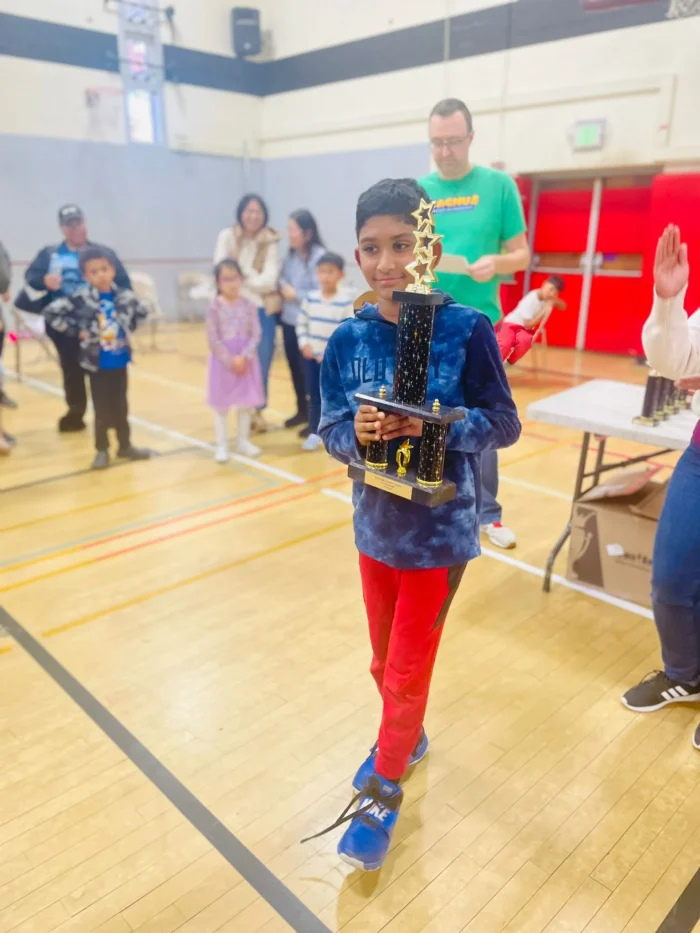
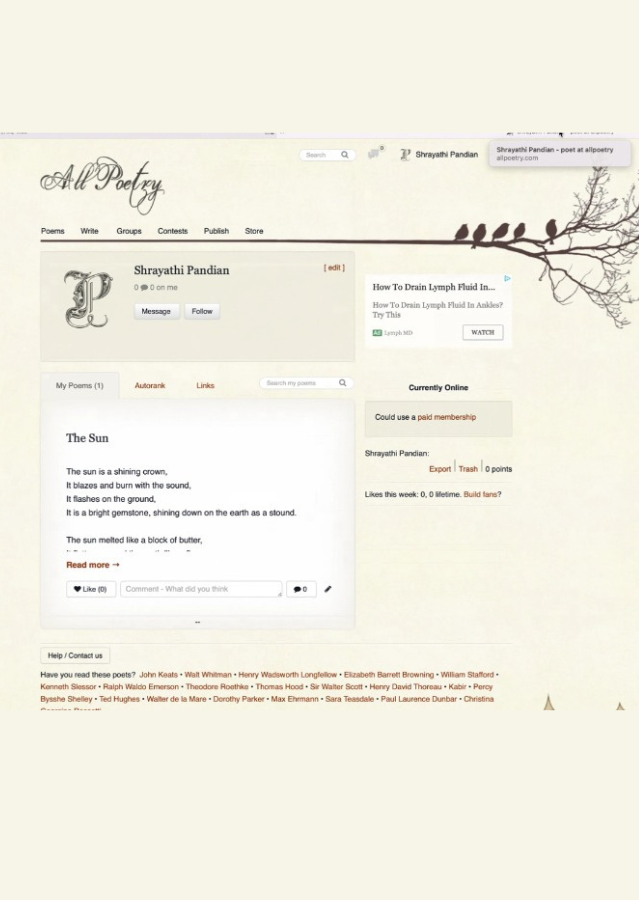
Student Achievements
Making an Impact: 🏆 Student Achievements That Shine | 🌱 Your Growth. Our Mission.
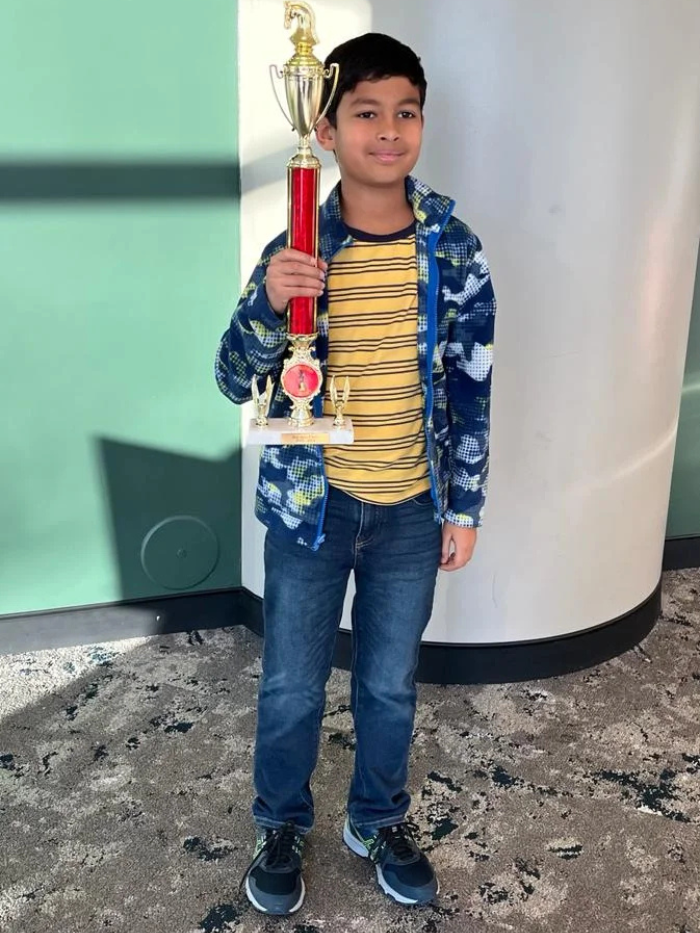
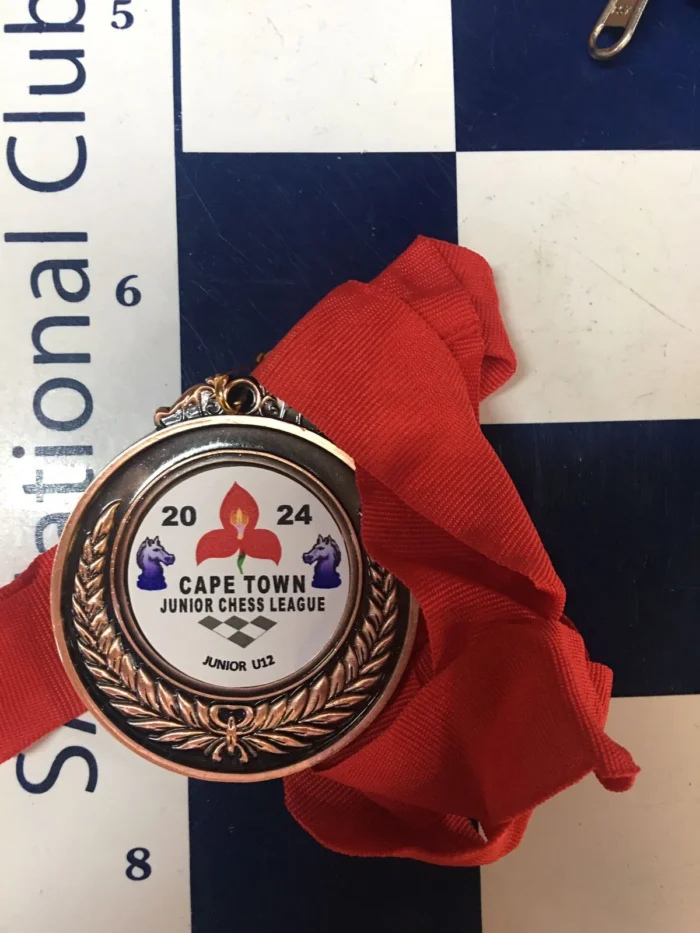
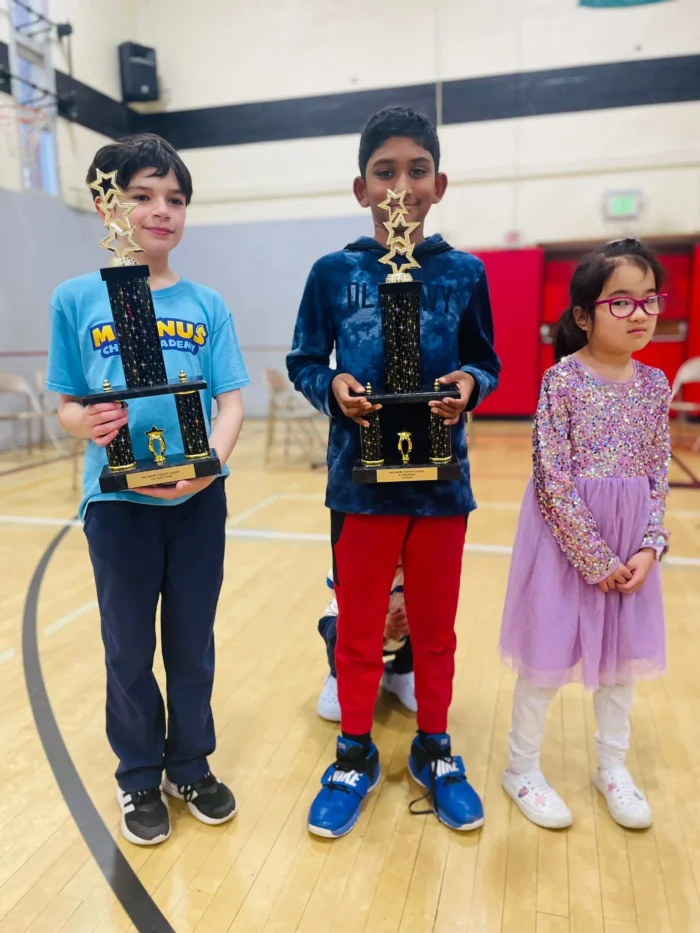
What Our Parents Say About Us
👪 Real Results. Real Parent Voices. 🏆 Futures Built with Care


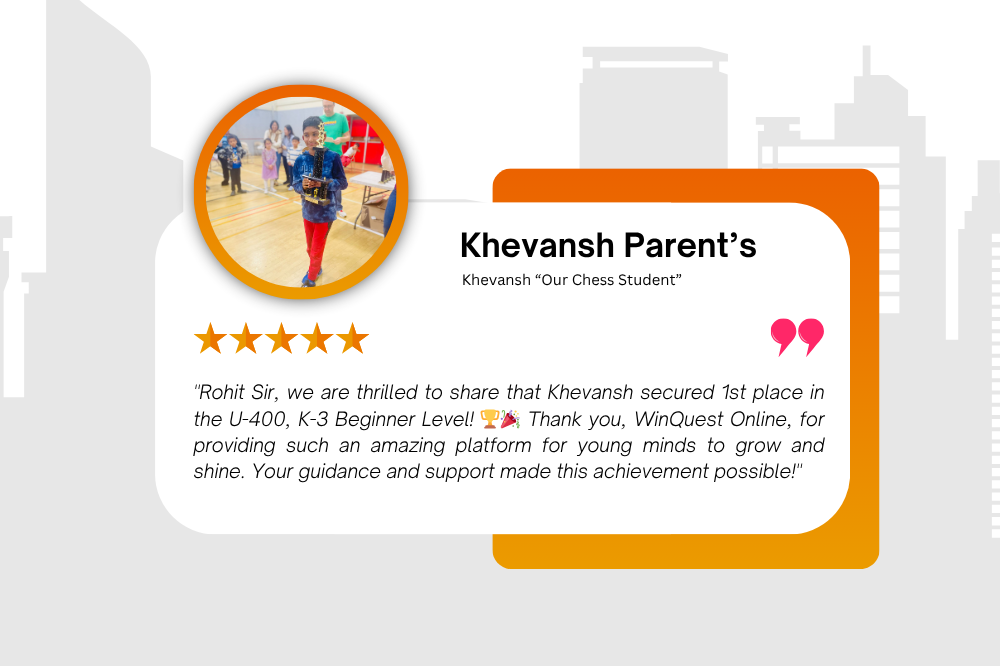
Parent Testimonials
Success Stories That Speak 🌟🎓 Wins That Inspire Pride 🏆
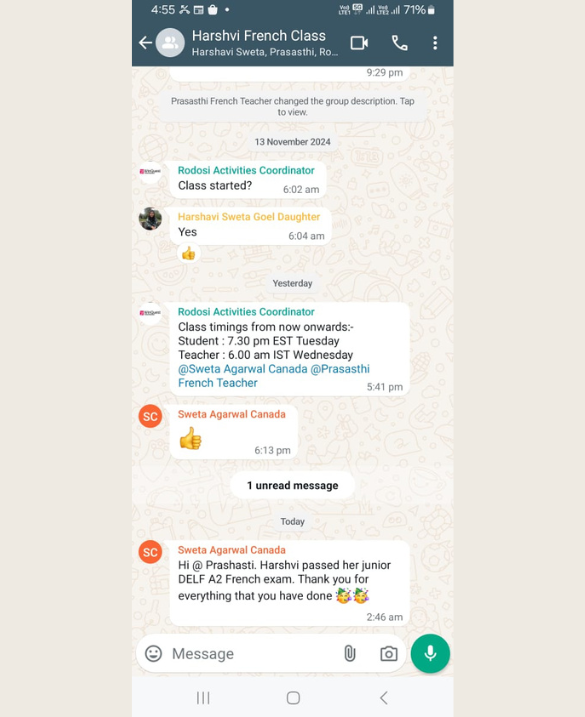
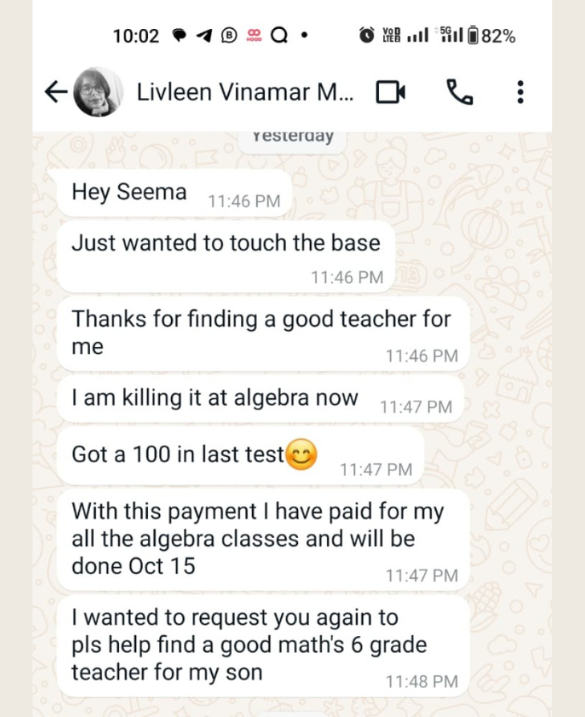
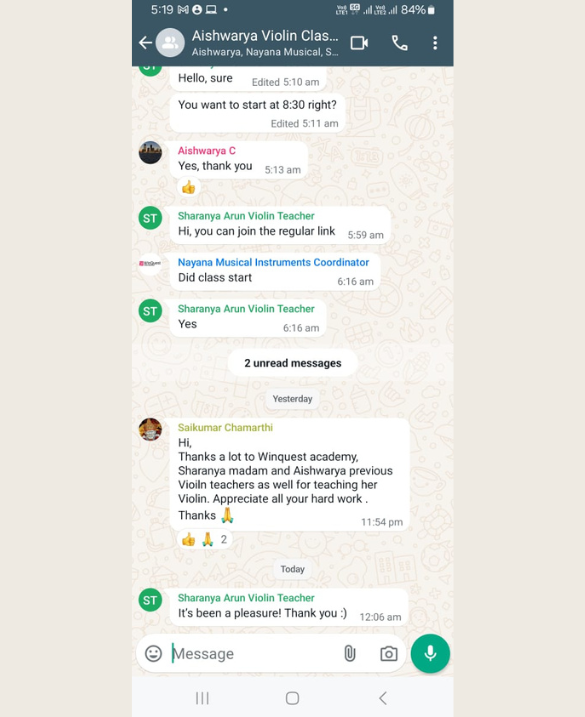
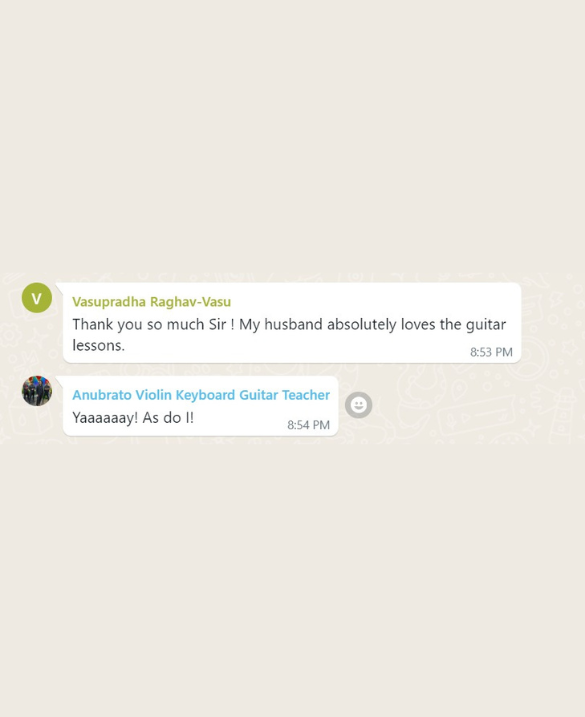
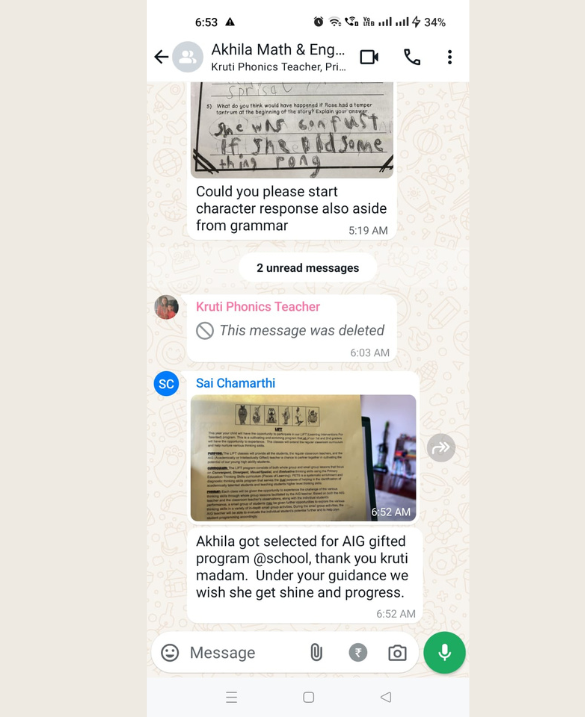
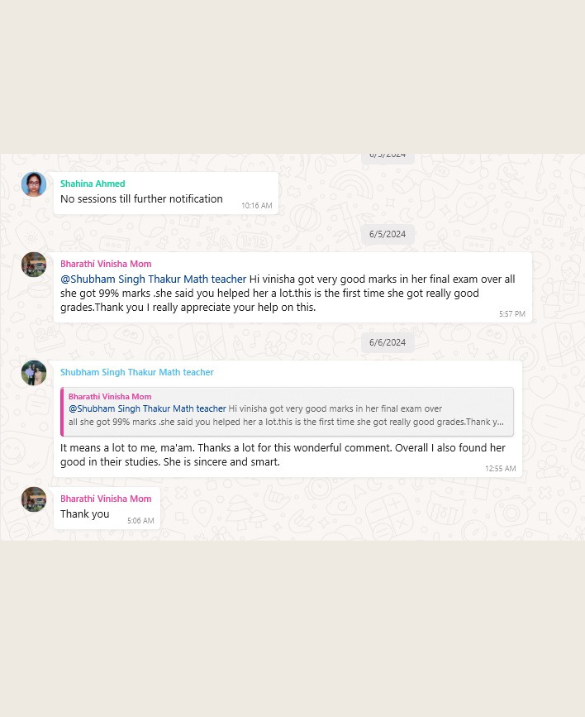
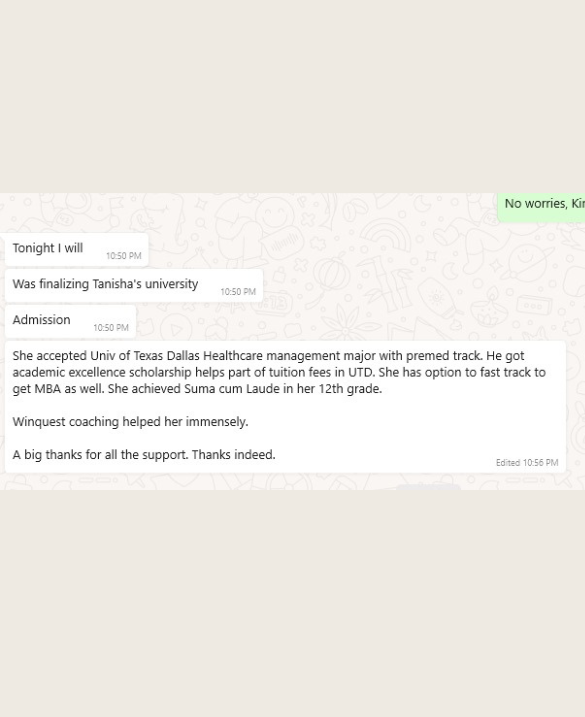
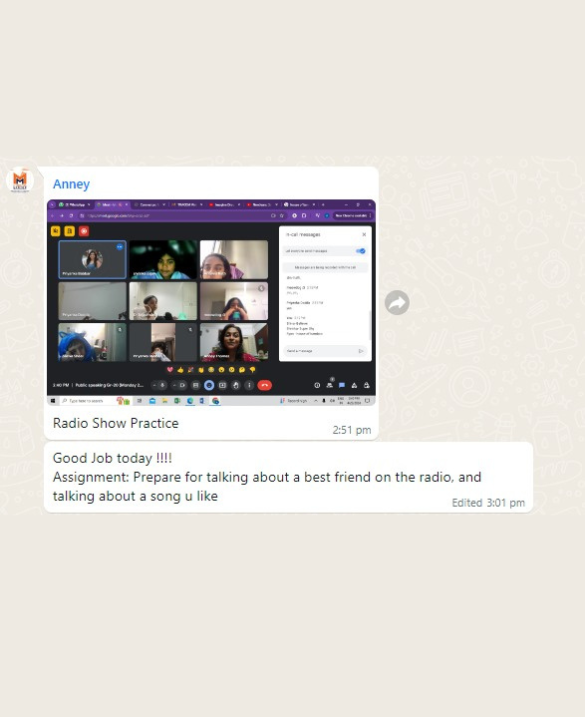
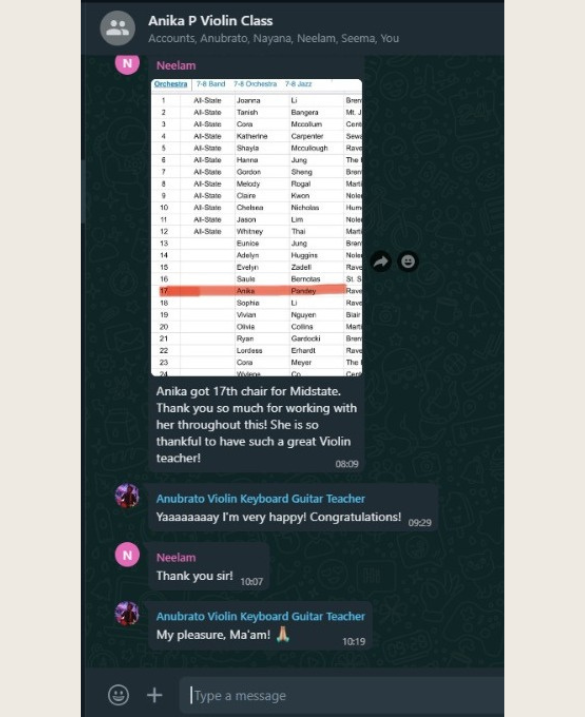
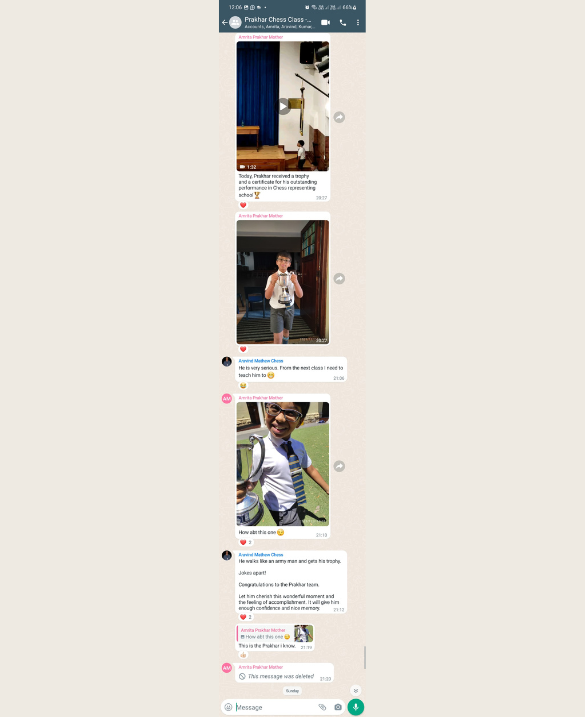
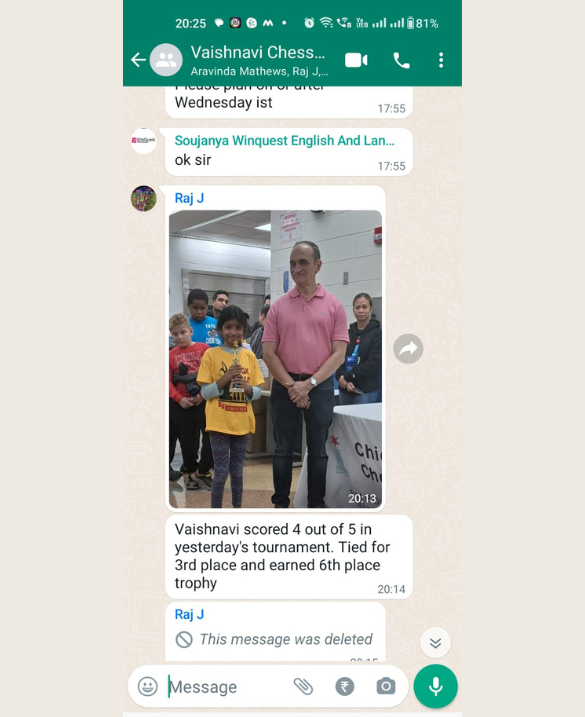
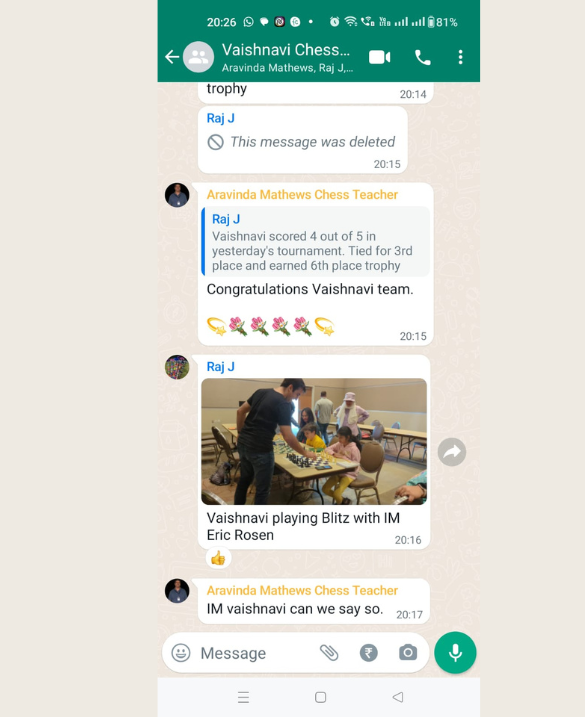
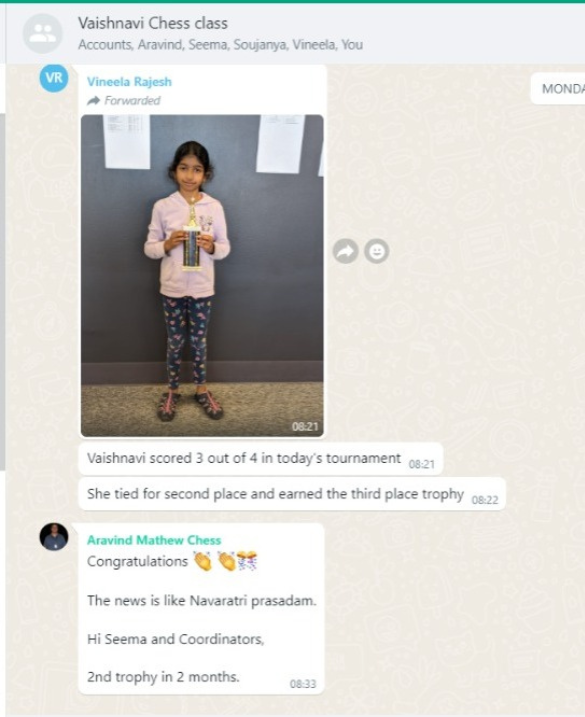
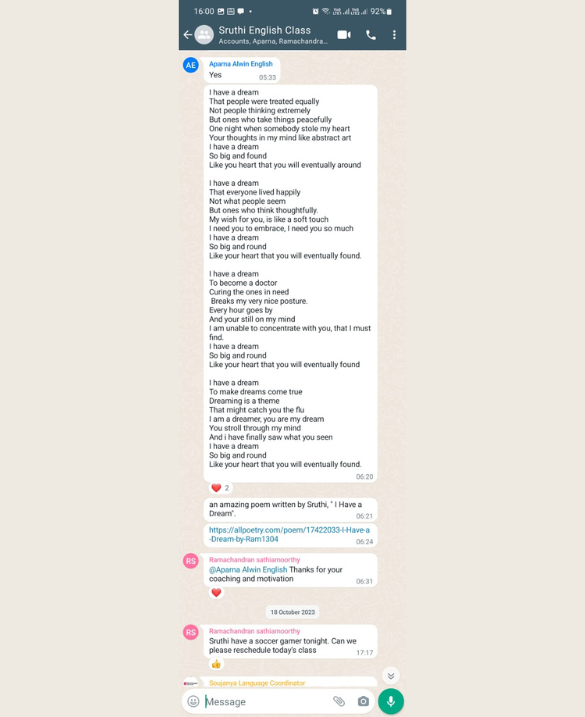
WhatsApp Testimonials
Real Voices from Our WhatsApp Community 💚📚
Latest News and Resources
📰 Learning Updates | 📘 Tips | 🎓 Resources | 💻 Online Courses