


Mind Maths
Abacus
Boost mental-math speed and concentration through structured abacus training.
Why Choose Online Abacus Classes?
Overview
Abacus is a 10-level mental-arithmetic programme based on the Japanese soroban / Chinese suanpan tradition. Children build photographic memory of the abacus and do faster mental math than a calculator. Internationally certified levels - UCMAS, SIP, Brainobrain compatible. Suitable for ages 5-14 across all school boards (US Common Core, CBSE, ICSE, IB, IGCSE).
What You'll Learn
- Live interactive sessions
- 1st one-on-one session
- Comprehensive curriculum
- No long-term commitment
- Personalized learning plan
Level 1-2 (Beginner)
Introduction to the Abacus+
- History - Chinese suanpan (2000+ years old; 7 beads per rod: 2 top + 5 bottom) and Japanese soroban (modernised 1930s; 5 beads per rod: 1 top + 4 bottom).
- Parts of an abacus - frame (wooden rectangle), beads (movable), rod (vertical wire), separator bar (heaven vs earth), units rod.
- Reading numbers on the abacus - heaven bead = 5; earth beads = 1 each; rods from right (units, tens, hundreds, thousands).
Basic Arithmetic - Addition+
- Adding single-digit numbers - pushing earth beads up + heaven beads down; e.g., 3 + 4 = 7 (1 heaven + 2 earth on units rod).
- Adding 2-digit numbers - units rod for ones, tens rod for tens; e.g., 47 + 25 = 72 (carry from units to tens).
- Carrying over - "friends of 5" (pairs that make 5: 1+4, 2+3) and "friends of 10" (pairs that make 10: 1+9, 2+8, etc.).
Basic Arithmetic - Subtraction+
- Subtracting single-digit numbers - reverse of addition; pushing earth beads down + heaven beads up.
- Subtracting 2-digit numbers - units, then tens; e.g., 72 - 25 = 47 (borrow from tens to units).
- Borrowing - "friends of 5" + "friends of 10" patterns reversed; e.g., to subtract 7, add 3 to the borrowed 10.
Multiplication on the Abacus+
- Multiplication of 1-digit by 1-digit - repeated addition or memorised table (e.g., 7 x 8 = 56).
- Multiplication of 2-digit by 1-digit - units then tens; e.g., 27 x 4 = 108 (tens: 4 x 2 = 8 with carry, units: 4 x 7 = 28).
- 2-digit by 2-digit multiplication - 4 partial products; e.g., 23 x 47 = 23 x 40 + 23 x 7 = 920 + 161 = 1081.
Division on the Abacus+
- Division by 1-digit numbers - dividend on left rods, divisor on right; subtract repeatedly.
- Division by 2-digit numbers - longer process; trial digit, multiply, subtract, bring down next digit.
- Quotient and remainder calculations - quotient on result rod; remainder on rightmost rod.
Mental Visualisation (Anzan)+
- Mental calculations using the visualised abacus - children "see" the abacus in their mind and move imaginary beads.
- Building photographic memory of the abacus - daily anzan exercises; aim for instant bead recall.
- Faster than calculator - speed drills (master-level kids do 15-digit addition mentally faster than typing on a calculator).
Advanced Operations+
- Decimals and fractions on the abacus - decimal point at a chosen rod; rods to the right represent tenths, hundredths.
- Square roots (e.g., sqrt(625) = 25) and cube roots (e.g., cuberoot(729) = 9) using subtraction patterns.
- Negative numbers - using two-abacus method or signed-magnitude representation; introduced at advanced levels.
Speed Tests & Competitions+
- 5-minute mental math drills - 100+ questions of mixed +, -, x, / under exam-style timer.
- Mock UCMAS / SIP / Brainobrain levels - international certification programmes; 10 levels each; annual progression.
- National and international abacus competition format - ABACON, UCMAS National, Soroban Olympics; written + mental rounds.
Level 3-5 (Intermediate)
Introduction to the Abacus+
- History - Chinese suanpan (2000+ years old; 7 beads per rod: 2 top + 5 bottom) and Japanese soroban (modernised 1930s; 5 beads per rod: 1 top + 4 bottom).
- Parts of an abacus - frame (wooden rectangle), beads (movable), rod (vertical wire), separator bar (heaven vs earth), units rod.
- Reading numbers on the abacus - heaven bead = 5; earth beads = 1 each; rods from right (units, tens, hundreds, thousands).
Basic Arithmetic - Addition+
- Adding single-digit numbers - pushing earth beads up + heaven beads down; e.g., 3 + 4 = 7 (1 heaven + 2 earth on units rod).
- Adding 2-digit numbers - units rod for ones, tens rod for tens; e.g., 47 + 25 = 72 (carry from units to tens).
- Carrying over - "friends of 5" (pairs that make 5: 1+4, 2+3) and "friends of 10" (pairs that make 10: 1+9, 2+8, etc.).
Basic Arithmetic - Subtraction+
- Subtracting single-digit numbers - reverse of addition; pushing earth beads down + heaven beads up.
- Subtracting 2-digit numbers - units, then tens; e.g., 72 - 25 = 47 (borrow from tens to units).
- Borrowing - "friends of 5" + "friends of 10" patterns reversed; e.g., to subtract 7, add 3 to the borrowed 10.
Multiplication on the Abacus+
- Multiplication of 1-digit by 1-digit - repeated addition or memorised table (e.g., 7 x 8 = 56).
- Multiplication of 2-digit by 1-digit - units then tens; e.g., 27 x 4 = 108 (tens: 4 x 2 = 8 with carry, units: 4 x 7 = 28).
- 2-digit by 2-digit multiplication - 4 partial products; e.g., 23 x 47 = 23 x 40 + 23 x 7 = 920 + 161 = 1081.
Division on the Abacus+
- Division by 1-digit numbers - dividend on left rods, divisor on right; subtract repeatedly.
- Division by 2-digit numbers - longer process; trial digit, multiply, subtract, bring down next digit.
- Quotient and remainder calculations - quotient on result rod; remainder on rightmost rod.
Mental Visualisation (Anzan)+
- Mental calculations using the visualised abacus - children "see" the abacus in their mind and move imaginary beads.
- Building photographic memory of the abacus - daily anzan exercises; aim for instant bead recall.
- Faster than calculator - speed drills (master-level kids do 15-digit addition mentally faster than typing on a calculator).
Advanced Operations+
- Decimals and fractions on the abacus - decimal point at a chosen rod; rods to the right represent tenths, hundredths.
- Square roots (e.g., sqrt(625) = 25) and cube roots (e.g., cuberoot(729) = 9) using subtraction patterns.
- Negative numbers - using two-abacus method or signed-magnitude representation; introduced at advanced levels.
Speed Tests & Competitions+
- 5-minute mental math drills - 100+ questions of mixed +, -, x, / under exam-style timer.
- Mock UCMAS / SIP / Brainobrain levels - international certification programmes; 10 levels each; annual progression.
- National and international abacus competition format - ABACON, UCMAS National, Soroban Olympics; written + mental rounds.
Level 6-8 (Advanced)
Introduction to the Abacus+
- History - Chinese suanpan (2000+ years old; 7 beads per rod: 2 top + 5 bottom) and Japanese soroban (modernised 1930s; 5 beads per rod: 1 top + 4 bottom).
- Parts of an abacus - frame (wooden rectangle), beads (movable), rod (vertical wire), separator bar (heaven vs earth), units rod.
- Reading numbers on the abacus - heaven bead = 5; earth beads = 1 each; rods from right (units, tens, hundreds, thousands).
Basic Arithmetic - Addition+
- Adding single-digit numbers - pushing earth beads up + heaven beads down; e.g., 3 + 4 = 7 (1 heaven + 2 earth on units rod).
- Adding 2-digit numbers - units rod for ones, tens rod for tens; e.g., 47 + 25 = 72 (carry from units to tens).
- Carrying over - "friends of 5" (pairs that make 5: 1+4, 2+3) and "friends of 10" (pairs that make 10: 1+9, 2+8, etc.).
Basic Arithmetic - Subtraction+
- Subtracting single-digit numbers - reverse of addition; pushing earth beads down + heaven beads up.
- Subtracting 2-digit numbers - units, then tens; e.g., 72 - 25 = 47 (borrow from tens to units).
- Borrowing - "friends of 5" + "friends of 10" patterns reversed; e.g., to subtract 7, add 3 to the borrowed 10.
Multiplication on the Abacus+
- Multiplication of 1-digit by 1-digit - repeated addition or memorised table (e.g., 7 x 8 = 56).
- Multiplication of 2-digit by 1-digit - units then tens; e.g., 27 x 4 = 108 (tens: 4 x 2 = 8 with carry, units: 4 x 7 = 28).
- 2-digit by 2-digit multiplication - 4 partial products; e.g., 23 x 47 = 23 x 40 + 23 x 7 = 920 + 161 = 1081.
Division on the Abacus+
- Division by 1-digit numbers - dividend on left rods, divisor on right; subtract repeatedly.
- Division by 2-digit numbers - longer process; trial digit, multiply, subtract, bring down next digit.
- Quotient and remainder calculations - quotient on result rod; remainder on rightmost rod.
Mental Visualisation (Anzan)+
- Mental calculations using the visualised abacus - children "see" the abacus in their mind and move imaginary beads.
- Building photographic memory of the abacus - daily anzan exercises; aim for instant bead recall.
- Faster than calculator - speed drills (master-level kids do 15-digit addition mentally faster than typing on a calculator).
Advanced Operations+
- Decimals and fractions on the abacus - decimal point at a chosen rod; rods to the right represent tenths, hundredths.
- Square roots (e.g., sqrt(625) = 25) and cube roots (e.g., cuberoot(729) = 9) using subtraction patterns.
- Negative numbers - using two-abacus method or signed-magnitude representation; introduced at advanced levels.
Speed Tests & Competitions+
- 5-minute mental math drills - 100+ questions of mixed +, -, x, / under exam-style timer.
- Mock UCMAS / SIP / Brainobrain levels - international certification programmes; 10 levels each; annual progression.
- National and international abacus competition format - ABACON, UCMAS National, Soroban Olympics; written + mental rounds.
Level 9-10 (Master)
Introduction to the Abacus+
- History - Chinese suanpan (2000+ years old; 7 beads per rod: 2 top + 5 bottom) and Japanese soroban (modernised 1930s; 5 beads per rod: 1 top + 4 bottom).
- Parts of an abacus - frame (wooden rectangle), beads (movable), rod (vertical wire), separator bar (heaven vs earth), units rod.
- Reading numbers on the abacus - heaven bead = 5; earth beads = 1 each; rods from right (units, tens, hundreds, thousands).
Basic Arithmetic - Addition+
- Adding single-digit numbers - pushing earth beads up + heaven beads down; e.g., 3 + 4 = 7 (1 heaven + 2 earth on units rod).
- Adding 2-digit numbers - units rod for ones, tens rod for tens; e.g., 47 + 25 = 72 (carry from units to tens).
- Carrying over - "friends of 5" (pairs that make 5: 1+4, 2+3) and "friends of 10" (pairs that make 10: 1+9, 2+8, etc.).
Basic Arithmetic - Subtraction+
- Subtracting single-digit numbers - reverse of addition; pushing earth beads down + heaven beads up.
- Subtracting 2-digit numbers - units, then tens; e.g., 72 - 25 = 47 (borrow from tens to units).
- Borrowing - "friends of 5" + "friends of 10" patterns reversed; e.g., to subtract 7, add 3 to the borrowed 10.
Multiplication on the Abacus+
- Multiplication of 1-digit by 1-digit - repeated addition or memorised table (e.g., 7 x 8 = 56).
- Multiplication of 2-digit by 1-digit - units then tens; e.g., 27 x 4 = 108 (tens: 4 x 2 = 8 with carry, units: 4 x 7 = 28).
- 2-digit by 2-digit multiplication - 4 partial products; e.g., 23 x 47 = 23 x 40 + 23 x 7 = 920 + 161 = 1081.
Division on the Abacus+
- Division by 1-digit numbers - dividend on left rods, divisor on right; subtract repeatedly.
- Division by 2-digit numbers - longer process; trial digit, multiply, subtract, bring down next digit.
- Quotient and remainder calculations - quotient on result rod; remainder on rightmost rod.
Mental Visualisation (Anzan)+
- Mental calculations using the visualised abacus - children "see" the abacus in their mind and move imaginary beads.
- Building photographic memory of the abacus - daily anzan exercises; aim for instant bead recall.
- Faster than calculator - speed drills (master-level kids do 15-digit addition mentally faster than typing on a calculator).
Advanced Operations+
- Decimals and fractions on the abacus - decimal point at a chosen rod; rods to the right represent tenths, hundredths.
- Square roots (e.g., sqrt(625) = 25) and cube roots (e.g., cuberoot(729) = 9) using subtraction patterns.
- Negative numbers - using two-abacus method or signed-magnitude representation; introduced at advanced levels.
Speed Tests & Competitions+
- 5-minute mental math drills - 100+ questions of mixed +, -, x, / under exam-style timer.
- Mock UCMAS / SIP / Brainobrain levels - international certification programmes; 10 levels each; annual progression.
- National and international abacus competition format - ABACON, UCMAS National, Soroban Olympics; written + mental rounds.
Requirements
- A laptop or desktop with stable internet
- A physical abacus (13-rod or 17-rod) - we ship or guide purchase
- Notebook for written practice
- Calm space for concentration
Reviews
4.85 / 5 ★ · 275+ students enrolled
Parents consistently rate our mentors for personalised attention, clear concepts and steady progress. Book a free demo to experience a class first-hand.
Frequently Asked Questions
How do I get started?+
Click the Book a Demo button on this page and fill in your child's grade and school board (CBSE / ICSE / IGCSE / Cambridge / US Common Core / Singapore MOE etc.). We will schedule a free trial session with a matching tutor. For details, contact our coordinator on WhatsApp at +91 93308 11581 or email contact@winquestonline.com.
Will the tutor follow my child's school board?+
Yes. Every WinQuest tutor is mapped to specific curricula. Before the first class we ask which board your child follows; the tutor uses that board's scope and sequence, supports the school textbook chapter by chapter, and adds worksheets in the board's exam style. We currently support US Common Core, Ontario, Australian v9.0, CBSE (NCERT), ICSE (CISCE), IGCSE 0580 / 0500 / 0610 / 0620 / 0625, Cambridge Primary / Lower Secondary, and Singapore MOE.
How does payment work?+
We require monthly advance payments for the number of classes scheduled in that calendar month. We accept Zelle, PayPal, UPI (for India), Stripe and major credit / debit cards. You can select your preferred payment method during the initial enrolment.
What if my child misses a class?+
For 1:1 sessions we reschedule a make-up at a mutually convenient time at no extra cost (with at least 24 hours notice). For group classes we share a timed recording of the session on parent request, so your child can catch up before the next class.
How long is each class?+
Each class session is 60 minutes long for academic subjects. Frequency is typically twice a week for K-7 grades and 2-3 times a week for high school, based on the board exam timeline and parent preference.
How is progress measured?+
Tutors give written feedback on every homework assignment, run a short formative quiz every 4-6 classes, and a longer chapter test at the end of each topic. Parents receive a monthly progress report covering concept mastery, homework completion and test scores.
What is the class size?+
For 1:1 sessions the class is just your child and the tutor. For group classes we cap each batch at 6-8 students so every learner gets individual attention and can ask questions in real time.
Are the tutors qualified?+
All our tutors are highly qualified subject-matter experts with proven track records - many hold Master's degrees in their subject and several years of school-curriculum teaching experience. Each tutor is interviewed by our academic head before joining and is mapped to specific boards and grades.
What if my child needs to pause for a school break or exam?+
Just let us know in advance. There are no contracts - you can pause for a school holiday or final-exam stretch and resume when the student is ready, with no penalty.
What are the requirements?+
A laptop or desktop with a stable internet connection is required. Pencil, eraser, ruler and a notebook for working out solved problems. For higher grades a basic calculator. The tutor will list any board-specific requirements (textbook, geometry box, etc.) before the first class.
Student Reviews
No reviews yet — be the first to share your experience with this course!
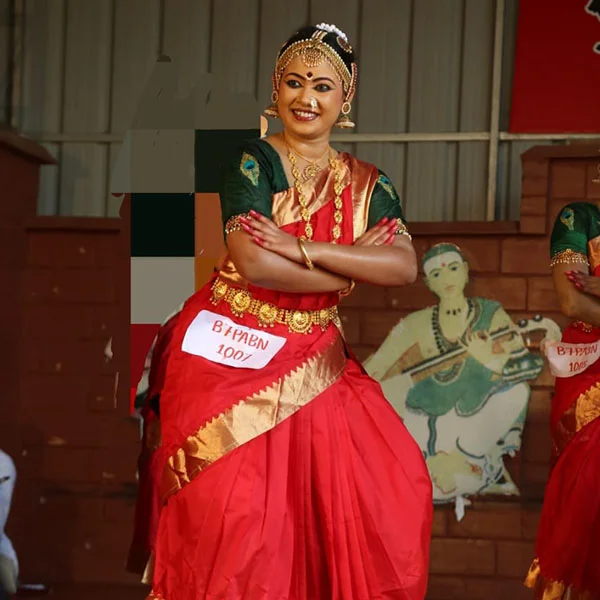
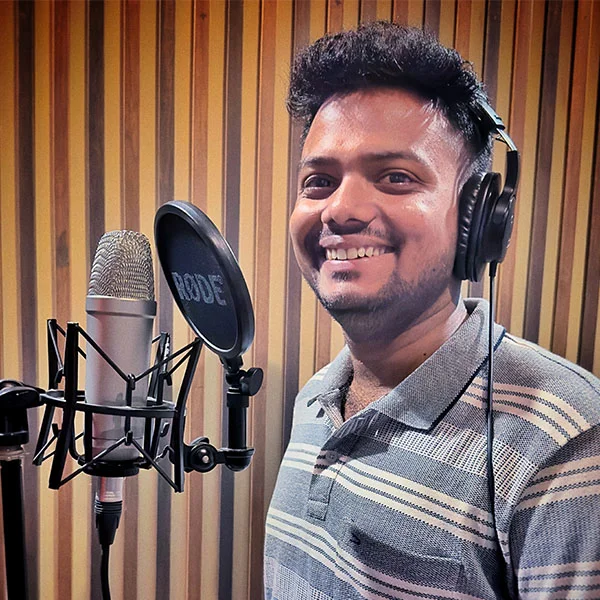
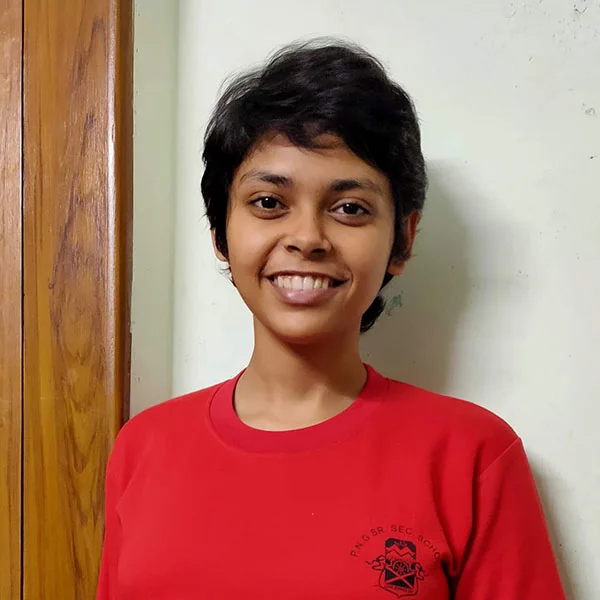
Meet our Teachers
Expert educators who connect, guide, and prepare students with special personalized care ❤️📚✨












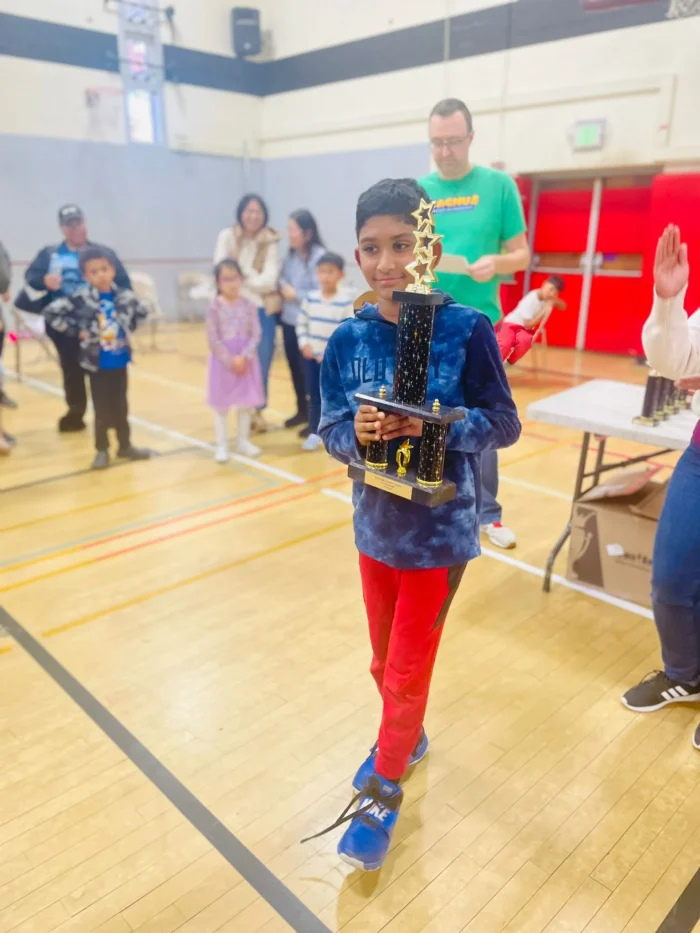
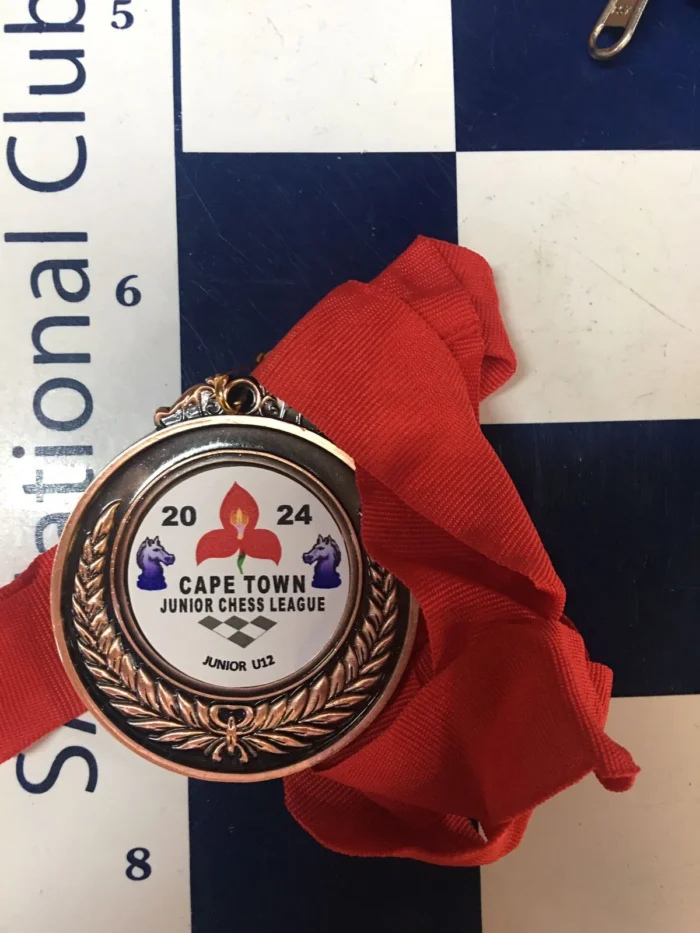
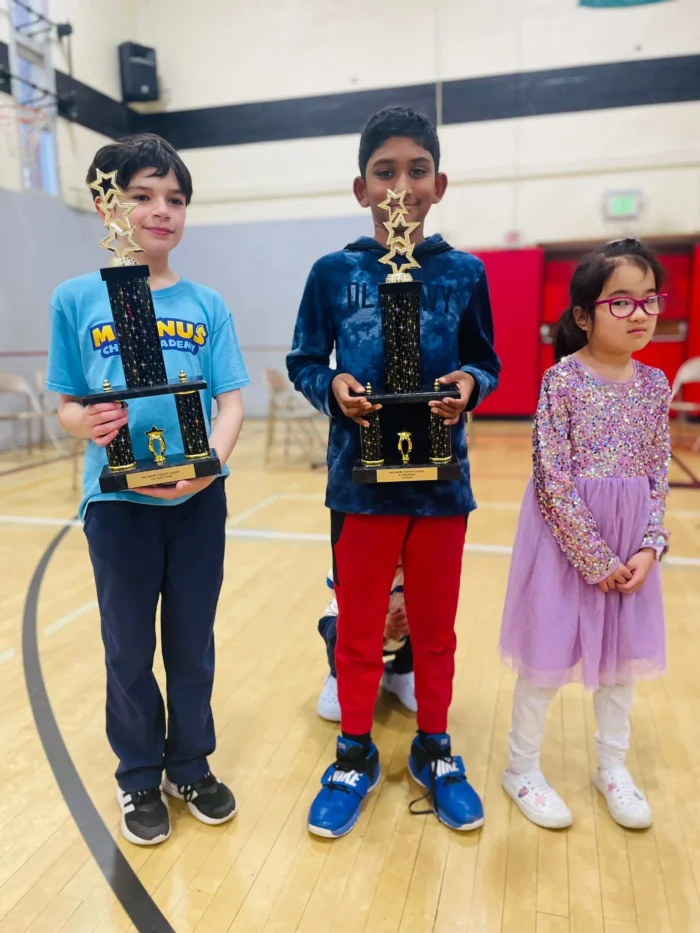
Student Achievements
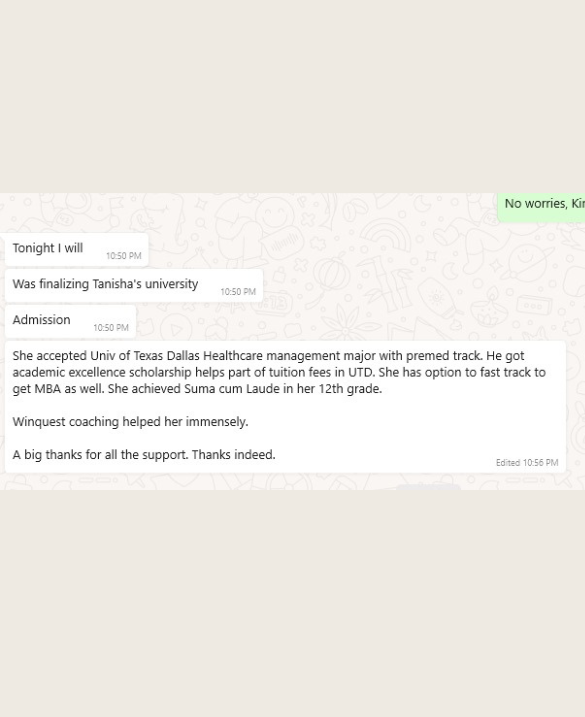
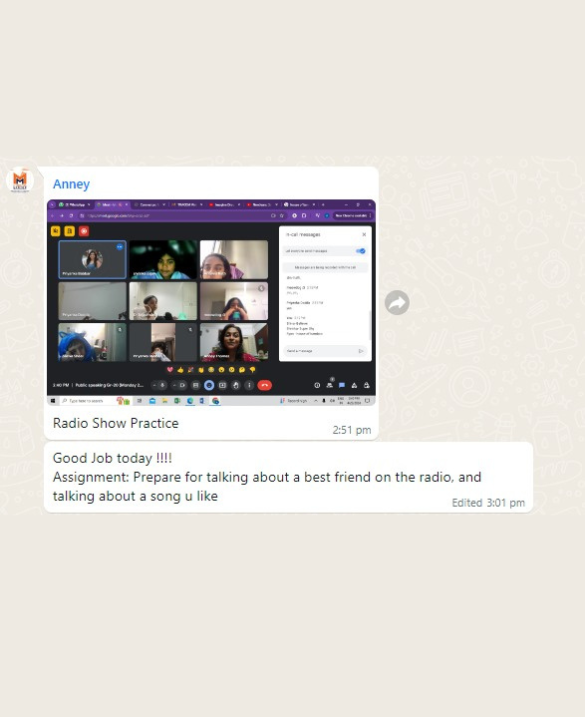
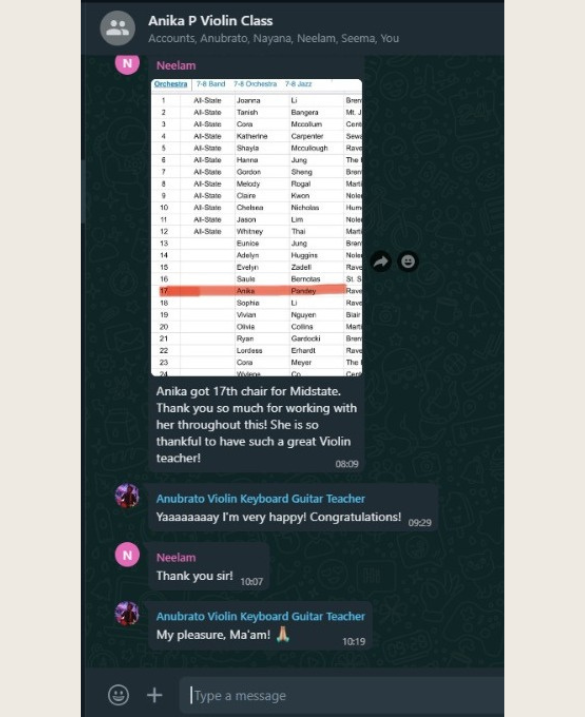
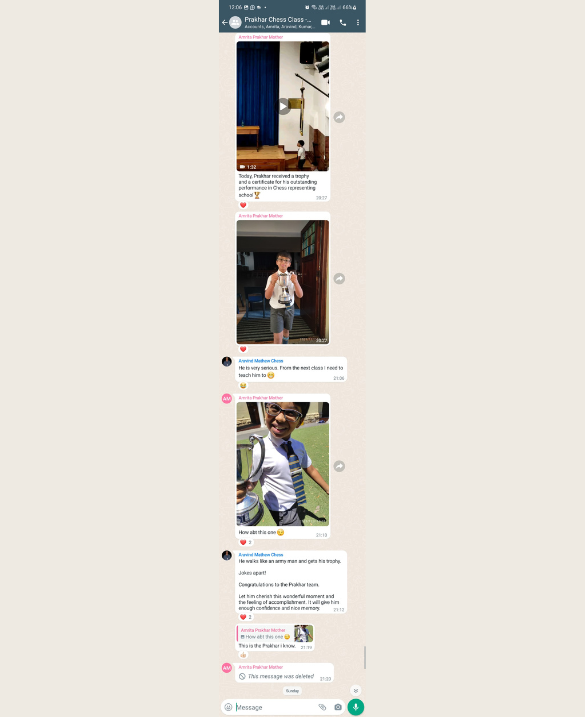
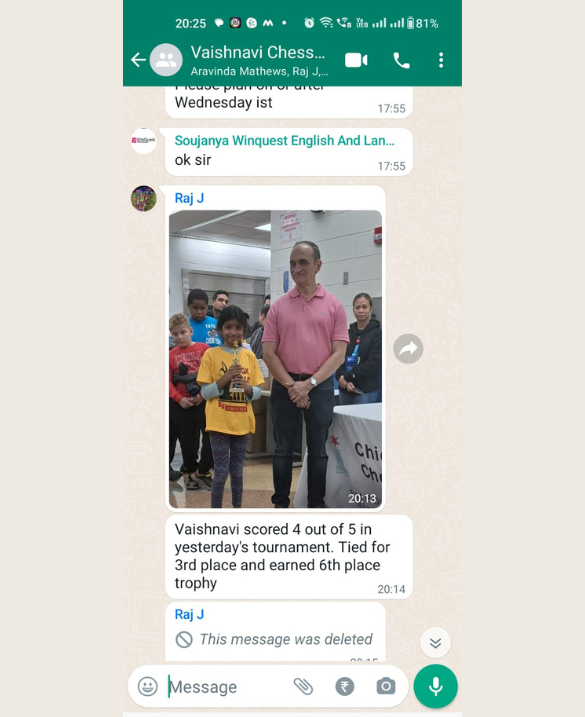
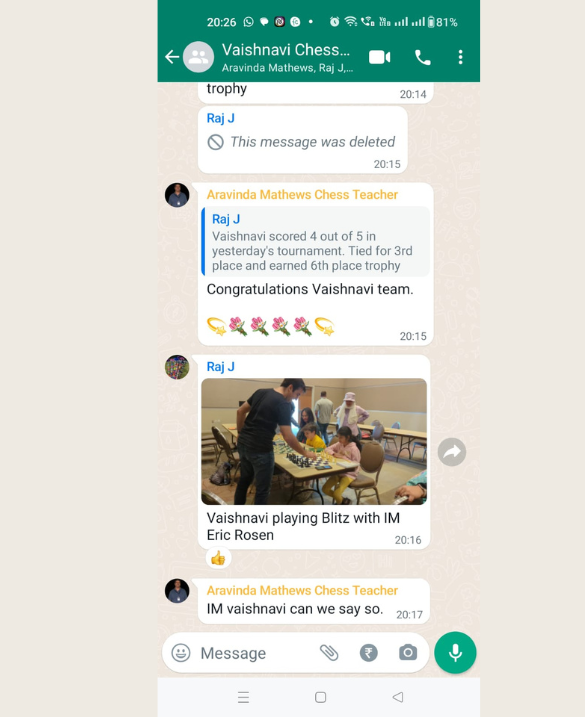
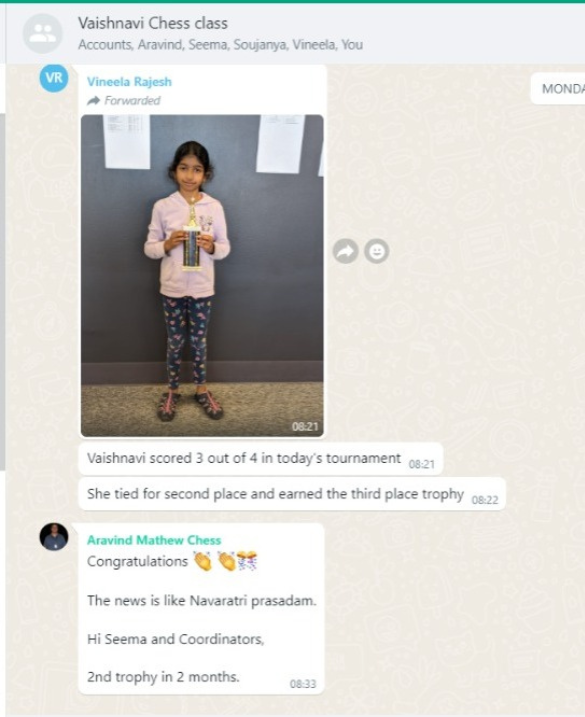
Making an Impact: 🏆 Student Achievements That Shine | 🌱 Your Growth. Our Mission.

What Our Parents Say About Us
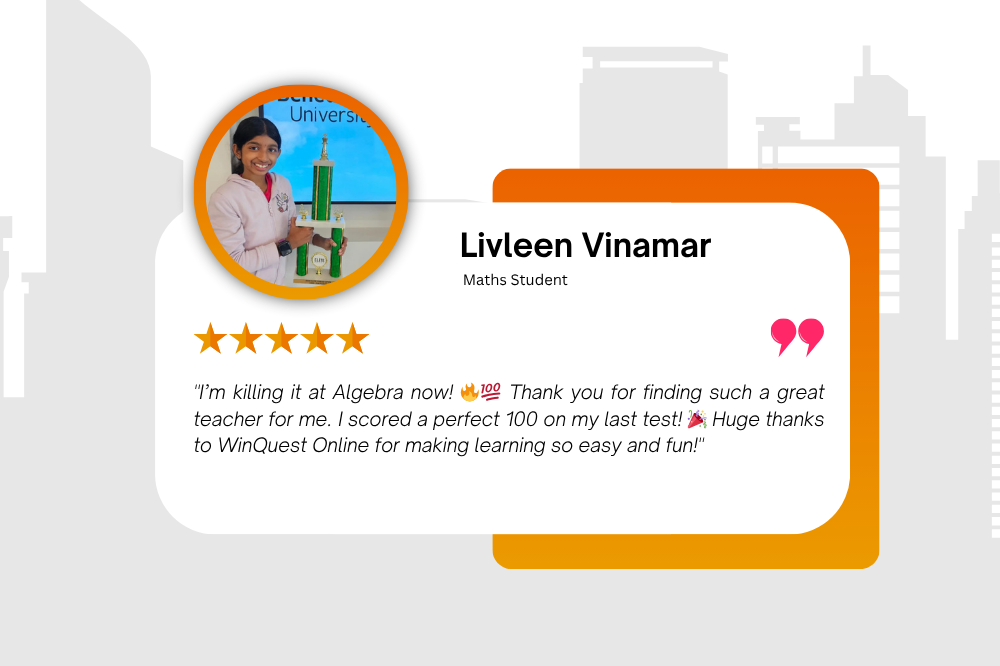
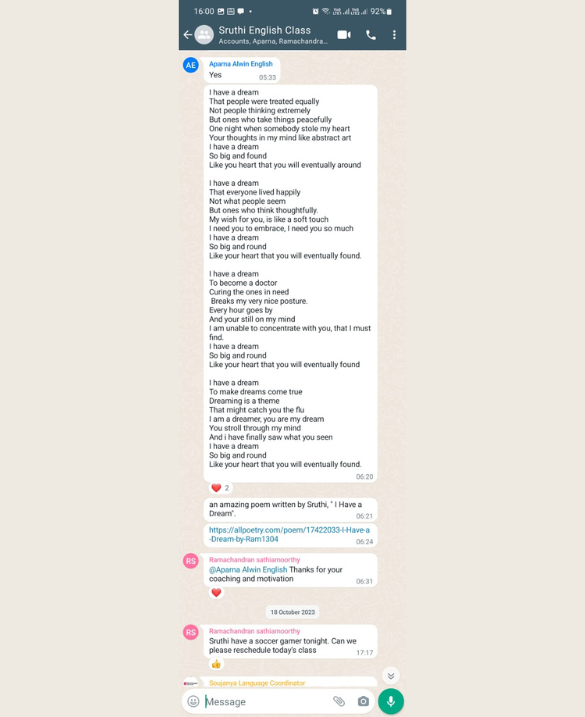
👪 Real Results. Real Parent Voices. 🏆 Futures Built with Care

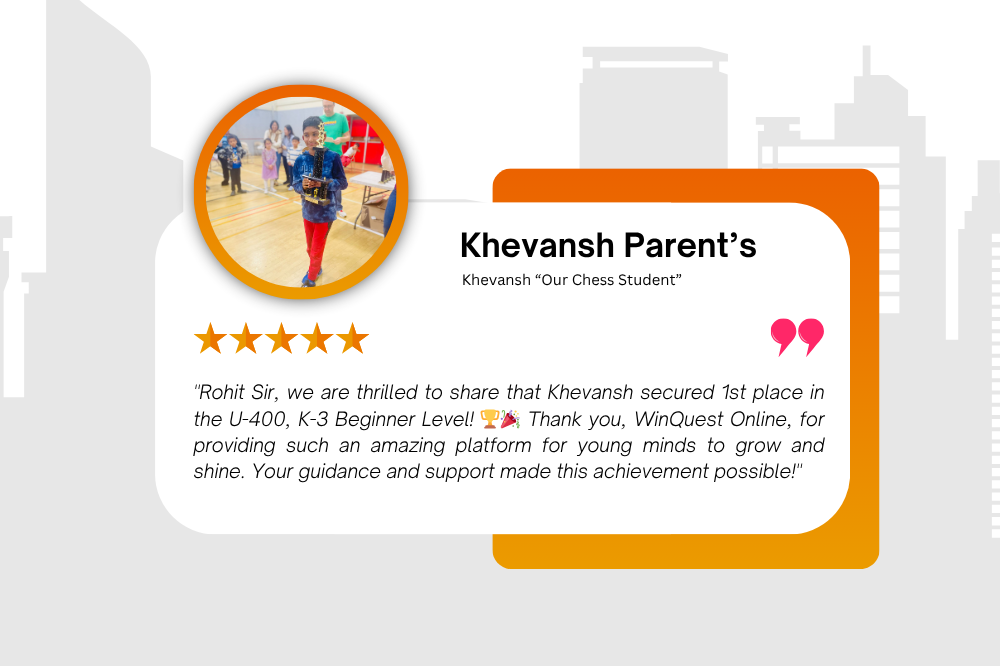
Parent Testimonials
Success Stories That Speak 🌟🎓 Wins That Inspire Pride 🏆
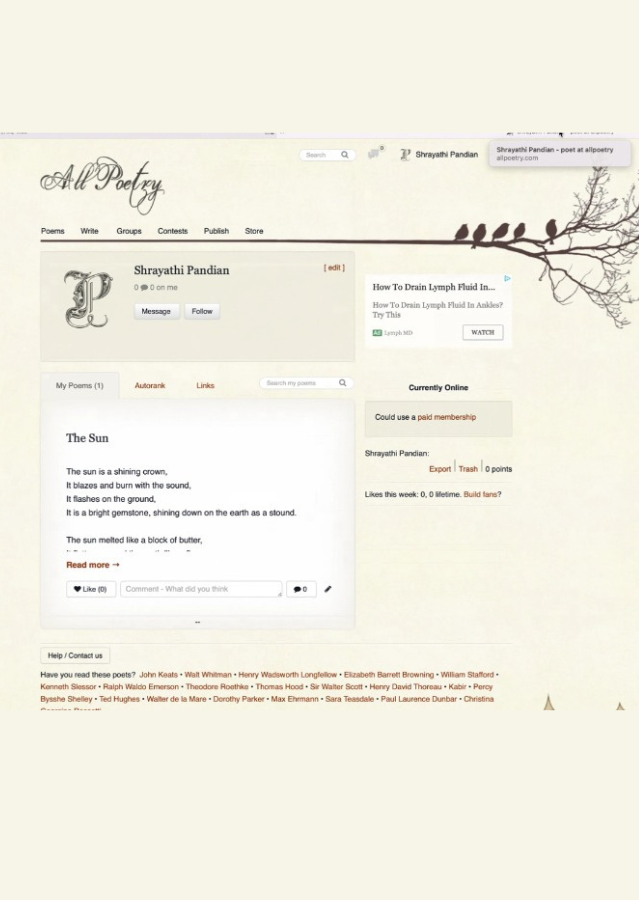
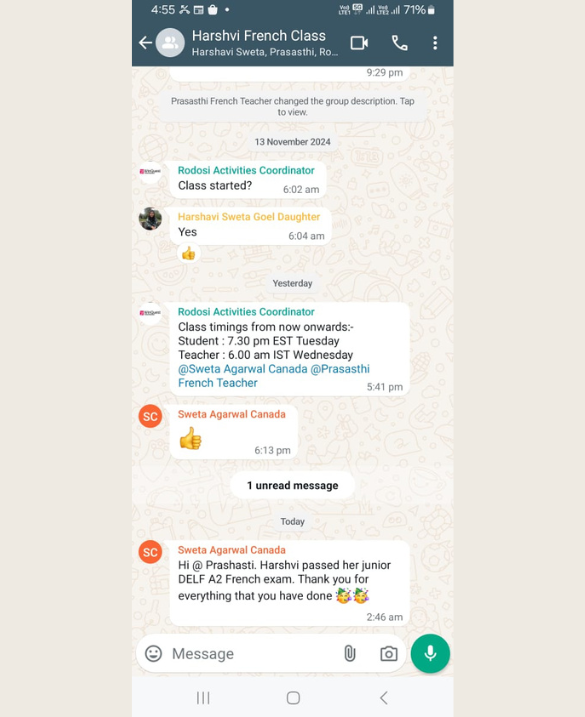
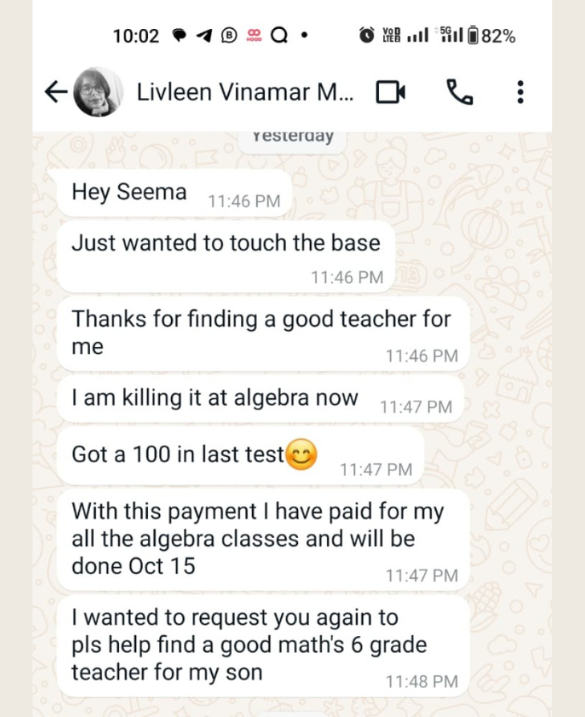
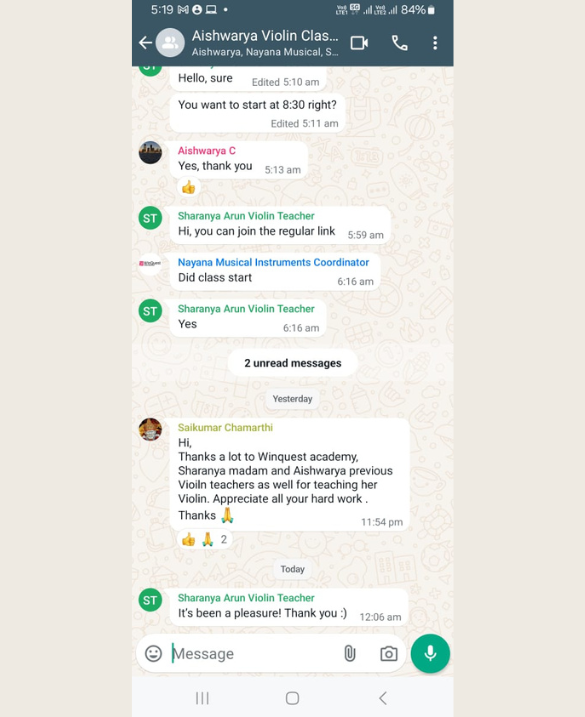
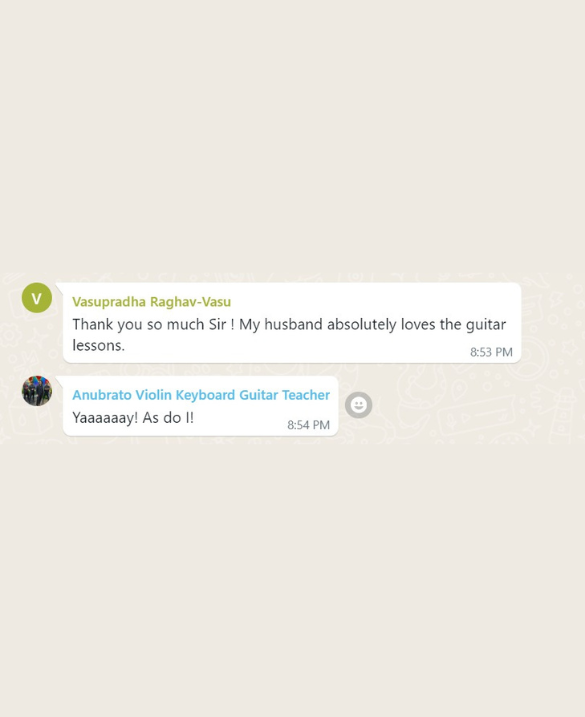
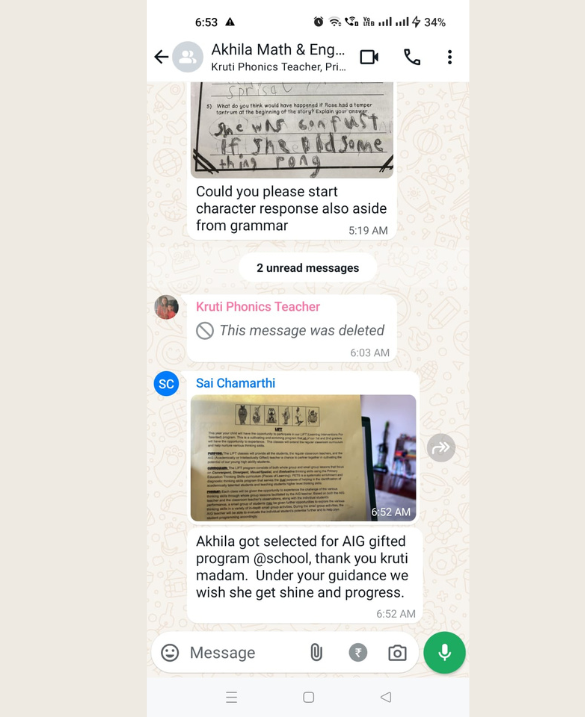
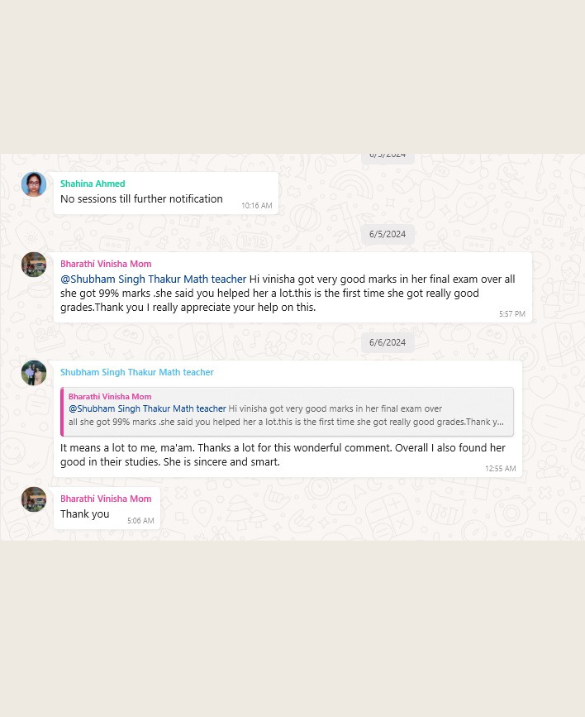
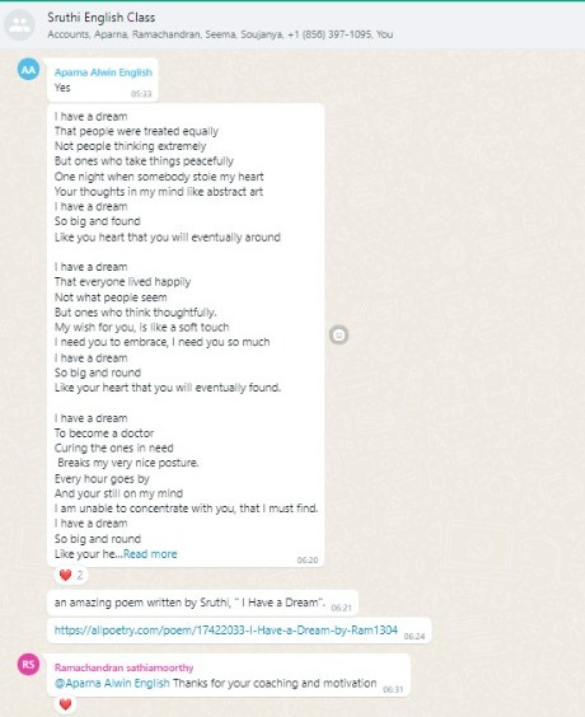
WhatsApp Testimonials
Real Voices from Our WhatsApp Community 💚📚
Latest News and Resources
📰 Learning Updates | 📘 Tips | 🎓 Resources | 💻 Online Courses