


Course Details
English Grade 8
English Grade 8
Why Choose Online English Grade 8 Classes?
Overview
English Grade 8 strengthens reading comprehension, formal writing, grammar accuracy and spoken English ahead of the high-school grades. WinQuest aligns to the school board - US Common Core 8 ELA, Ontario Language, Australian v9.0 English, CBSE Class 8 (Honeydew), ICSE Class 8, Cambridge Lower Secondary Stage 8 English, or Singapore Sec 2 EL.
What You'll Learn
- Live interactive sessions
- 1st one-on-one session
- Comprehensive curriculum
- No long-term commitment
- Personalized learning plan
Grade 8
Reading - Literature+
- Cite the textual evidence that most strongly supports analysis of what the text says explicitly and inferences drawn; provide an objective summary.
- Analyse how particular lines of dialogue or incidents in a story / drama propel the action, reveal aspects of a character, or provoke a decision.
- Compare and contrast the structure of two or more texts (e.g., chronological vs flashback, parallel plots, frame narrative).
Reading - Informational+
- Determine the central idea of an informational text and provide an objective summary distinct from personal opinion.
- Analyse how the text makes connections among individuals, ideas, or events (e.g., through comparison, analogy, categorisation).
- Evaluate the argument and specific claims in a text - is reasoning sound? Is evidence relevant and sufficient? Recognise irrelevant evidence.
Writing+
- Argument writing with claims supported by relevant evidence and acknowledging a counterclaim (then refuting it).
- Informative texts with well-chosen facts, definitions, concrete details, and examples; precise language and domain vocabulary.
- Narratives with techniques such as dialogue (advancing the plot), pacing (slowing key moments), and description (sensory details).
Language+
- Verbals - gerunds (verb-ing as noun: swimming is fun), participles (verb-ed/-ing as adjective: the running water), infinitives (to + verb).
- Active and passive voice (clear vs receiver focus); verb mood - indicative (states fact), imperative (command), subjunctive (wish, hypothesis).
- Determine and clarify the meaning of words and phrases including figurative (similes, metaphors) and connotative (implied feeling) language.
Speaking & Listening+
- Engage effectively in collaborative discussions (one-on-one, group, teacher-led) building on others' ideas and expressing own clearly.
- Analyse the purpose of information presented in different media formats (print, digital, oral) and evaluate the motives.
- Present claims and findings, emphasising salient points, using relevant evidence (facts, statistics, examples), sound reasoning, well-chosen details.
Oral Communication+
- Use active (full attention, nonverbal cues) and critical (evaluate ideas, identify bias) listening strategies.
- Deliver oral presentations using rhetorical devices (repetition, rhetorical questions, parallelism, alliteration).
- Vary vocabulary (precise, formal/informal), sentence structure (simple/compound/complex), and tone for purpose and audience.
Reading+
- Read complex texts (longer, denser vocabulary, multiple themes) using a range of strategies (chunking, predicting, summarising, questioning).
- Make inferences (figure out unstated meaning) supported with textual evidence (specific quotes or details from the text).
- Analyse text features (headings, sidebars, captions, indexes) and conventions (genre patterns, narrative arc, persuasive techniques).
Writing+
- Use the writing process (plan, draft, revise, edit, publish) with increasing independence and self-correction.
- Use a variety of forms including persuasive (essay, letter, speech), narrative (story, biography), and expository (report, instructional).
- Edit (improve content) and proofread (find typos / errors) effectively using a checklist; share with a peer for feedback.
Media Literacy+
- Critically analyse media messages (ads, news, films, social media) - purpose, target audience, techniques, intended effect.
- Identify bias (slanted views), stereotype (oversimplified images), propaganda (one-sided persuasion using emotional appeals).
- Create sophisticated media texts - multi-element brochure, short video with cuts, podcast episode, interactive infographic.
Language+
- Understand how language is influenced by context (formal/informal, written/spoken, audience, purpose).
- Use a range of complex sentence structures (multi-clause sentences with subordinating conjunctions: although, while, since).
- Apply spelling generalisations (doubling, drop-e, change-y-to-i) and word origins (Greek/Latin roots, common prefixes/suffixes).
Literature+
- Analyse how authors create meaning using literary techniques (imagery, symbol, foreshadowing, point of view).
- Create literary texts (stories, poems, plays) experimenting with style (voice, sentence variety, descriptive language).
- Discuss themes (recurring ideas like identity, conflict) and concepts (justice, freedom) across multiple texts.
Literacy+
- Read for varied purposes - critical (evaluate quality), analytical (break down structure), aesthetic (appreciate language).
- Plan (graphic organiser, outline), draft (first version), revise (improve content), edit (fix errors), publish (share) complex multi-paragraph texts.
- Speak using sustained (5-8 minute talks), varied discourse with introduction, points, evidence, conclusion.
Speaking & Listening+
- Critical listening for bias (slanted views) and viewpoint (perspective) in spoken texts - speeches, podcasts, news.
- Plan (outline, notes, slides) and deliver formal presentations (5-8 minutes) with visual aids and vocal variety.
- Engage in formal debates - proposition, opposition, rebuttal, summary; structured argumentation with evidence.
Reading - Honeydew + It So Happened+
- Prose, poetry from CBSE Class 8 Honeydew textbook + supplementary reader (It So Happened - story collection).
- Comprehension - inferential (figure out unstated meaning), evaluative (form opinions), applied (use ideas in new contexts) questions.
- Literary devices (simile, metaphor, personification, alliteration, hyperbole, irony, symbolism) and their effects on the reader.
Writing+
- Essay writing - descriptive (sensory details), narrative (story arc), argumentative (claim + 3 reasons + counterclaim).
- Letter writing - formal (to principal, editor, business) and informal (to family / friend) with correct format and tone.
- Notice, message, diary entry, report (factual account), article (200-250 words for school magazine / newspaper).
Grammar+
- Tenses - all 12 forms; subject-verb agreement (singular/plural, collective nouns); modals (can/could, may/might, must/should, will/would).
- Active and passive voice (across all tenses); direct (exact words) and indirect / reported speech.
- Phrases (noun, verb, adjective, adverbial, prepositional), clauses (independent, dependent), complex and compound-complex sentences.
Listening & Speaking+
- Listening comprehension - detailed (extract names, dates, numbers, key arguments from longer spoken texts).
- Group discussions and debates - formal (proposition, opposition, rebuttal, summary); arguing a position with evidence.
- Presentations (5-8 minutes) and role-play (everyday and historical scenarios) with vocal variety and gestures.
Comprehension+
- Unseen prose (250-300 word passages) and poetry passages with comprehension questions of varied complexity.
- Inferential (figure out implied meaning), evaluative (form and justify opinions), applied (use ideas in new contexts) questions.
- Note-making (heading, sub-headings, key points using abbreviations) and summarising (1/3 length) of a passage.
Composition+
- Essay writing (200-250 words) on descriptive, narrative, expository, or argumentative topics.
- Letter writing - formal (to principal, editor, business) and informal (to friends, relatives) with correct format.
- Notice (event details), report (factual account), article (school magazine), e-mail writing (formal vs informal).
Grammar+
- Tenses (all 12 forms); sequence of tenses (main + subordinate clause agree); subject-verb agreement rules.
- Active / passive voice (across all tenses); direct (exact words) and indirect / reported speech (statements, questions, commands).
- Phrasal verbs (give up, look after, take off), idioms (a piece of cake, hit the books); transformation of sentences (simple to compound to complex).
Literature (separate paper)+
- Prescribed prose, poetry, and drama texts as per the ICSE Class 8 syllabus (changes by year).
- Themes (central ideas), characters (analysis of motivation), language analysis (word choice, devices).
- Reference to context questions - identify the passage, explain the context, comment on the language / meaning.
Reading+
- Identify writer's purpose (inform, persuade, entertain), tone (formal, casual, serious, humorous), viewpoint (perspective).
- Analyse a range of literary (novels, poems, plays) and non-literary (essays, articles, reports) texts.
- Compare two texts on the same theme - similarities and differences in approach, tone, technique, viewpoint.
Writing+
- Plan (graphic organiser, outline), draft (first version), revise (improve) stories, reports, arguments of 250-350 words.
- Use varied vocabulary (precise, descriptive, formal, technical) and rhetorical devices (repetition, rhetorical questions, antithesis).
- Use paragraphs (one main idea each, topic sentence + supporting + closing) and cohesive devices (firstly, however, consequently, in conclusion).
Speaking & Listening+
- Deliver prepared talks (5-10 minutes) with cue cards / slides and respond confidently to audience questions.
- Participate in formal debates (proposition, opposition, rebuttal, summary) and structured discussions.
- Adapt language (vocabulary, register, tone) for purpose (inform, persuade, entertain) and audience (peer, teacher, adult).
Spelling, Punctuation & Grammar+
- Complex spelling patterns (-ough, -augh, -ph as /f/, -ch as /k/) and word origins (Greek, Latin, French roots).
- Tenses (all 12 forms) and sentence structures (simple, compound, complex, compound-complex).
- Punctuation - colons (introducing lists/explanations), dashes (for emphasis), brackets (parenthetical), apostrophes (possession, contraction).
Listening & Viewing+
- Listen for explicit (stated), implicit (implied), and evaluative (judging) meaning in formal and informal spoken texts.
- Identify tone (formal/casual, serious/humorous), attitude (positive/negative, neutral), and viewpoint (perspective).
- Respond critically to ideas and themes - share opinions with reasons, ask probing questions, suggest alternatives.
Reading & Viewing+
- Comprehend literary (stories, poems, plays, novels) and non-literary (articles, blogs, infographics) texts including digital.
- Use of context (sentence around the word), word parts (prefix + root + suffix), and dictionary skills (online and print).
- Discuss texts and justify viewpoints with text evidence (quotations) and personal reasoning.
Speaking & Representing+
- Speak fluently (smooth flow, varied pace) using sustained discourse (5-10 minute talks).
- Use appropriate register (formal vs informal), tone (serious vs humorous), and style for audience and purpose.
- Use visual aids (slides, posters, props, video clips) effectively to clarify and engage audience.
Writing & Representing+
- Plan (graphic organiser), draft, revise compositions of 250-300 words - narratives, expositions, persuasive pieces.
- Use varied sentence structures (simple, compound, complex, compound-complex) and vocabulary (precise, formal, technical).
- Edit for accuracy in grammar (tense, agreement, articles), spelling (sight + phonics + roots), punctuation (capitals, commas, semicolons).
Bridge to IGCSE 0500 / 0500+
- Reading comprehension - directed writing (turn information into a different form) and summary skills (1/3 length).
- Composition - narrative (story arc with rising action, climax, resolution) and descriptive (sensory details, vivid imagery).
- Grammar accuracy (tenses, agreement, punctuation) and varied vocabulary (precise, formal, varied openings).
Note+
- IGCSE First Language English 0500 / 0524 is taken at the end of Year 11 (Grade 10/11) as a formal exam.
- For Grade 8, the Cambridge Lower Secondary Stage 8 syllabus above is used as the primary track.
- Full IGCSE 0500 syllabus appears in the English Grade 9-10 product (next 2 years).
Requirements
- A laptop, desktop or tablet with stable internet
- Notebook for written work
- School English textbook + supplementary reader
- Headphones with a mic for listening / speaking
Reviews
4.85 / 5 ★ · 335+ students enrolled
Parents consistently rate our mentors for personalised attention, clear concepts and steady progress. Book a free demo to experience a class first-hand.
Frequently Asked Questions
How do I get started?+
Click the Book a Demo button on this page and fill in your child's grade and school board (CBSE / ICSE / IGCSE / Cambridge / US Common Core / Singapore MOE etc.). We will schedule a free trial session with a matching tutor. For details, contact our coordinator on WhatsApp at +91 93308 11581 or email contact@winquestonline.com.
Will the tutor follow my child's school board?+
Yes. Every WinQuest tutor is mapped to specific curricula. Before the first class we ask which board your child follows; the tutor uses that board's scope and sequence, supports the school textbook chapter by chapter, and adds worksheets in the board's exam style. We currently support US Common Core, Ontario, Australian v9.0, CBSE (NCERT), ICSE (CISCE), IGCSE 0580 / 0500 / 0610 / 0620 / 0625, Cambridge Primary / Lower Secondary, and Singapore MOE.
How does payment work?+
We require monthly advance payments for the number of classes scheduled in that calendar month. We accept Zelle, PayPal, UPI (for India), Stripe and major credit / debit cards. You can select your preferred payment method during the initial enrolment.
What if my child misses a class?+
For 1:1 sessions we reschedule a make-up at a mutually convenient time at no extra cost (with at least 24 hours notice). For group classes we share a timed recording of the session on parent request, so your child can catch up before the next class.
How long is each class?+
Each class session is 60 minutes long for academic subjects. Frequency is typically twice a week for K-7 grades and 2-3 times a week for high school, based on the board exam timeline and parent preference.
How is progress measured?+
Tutors give written feedback on every homework assignment, run a short formative quiz every 4-6 classes, and a longer chapter test at the end of each topic. Parents receive a monthly progress report covering concept mastery, homework completion and test scores.
What is the class size?+
For 1:1 sessions the class is just your child and the tutor. For group classes we cap each batch at 6-8 students so every learner gets individual attention and can ask questions in real time.
Are the tutors qualified?+
All our tutors are highly qualified subject-matter experts with proven track records - many hold Master's degrees in their subject and several years of school-curriculum teaching experience. Each tutor is interviewed by our academic head before joining and is mapped to specific boards and grades.
What if my child needs to pause for a school break or exam?+
Just let us know in advance. There are no contracts - you can pause for a school holiday or final-exam stretch and resume when the student is ready, with no penalty.
What are the requirements?+
A laptop or desktop with a stable internet connection is required. Pencil, eraser, ruler and a notebook for working out solved problems. For higher grades a basic calculator. The tutor will list any board-specific requirements (textbook, geometry box, etc.) before the first class.
Student Reviews
No reviews yet — be the first to share your experience with this course!
Meet our Teachers
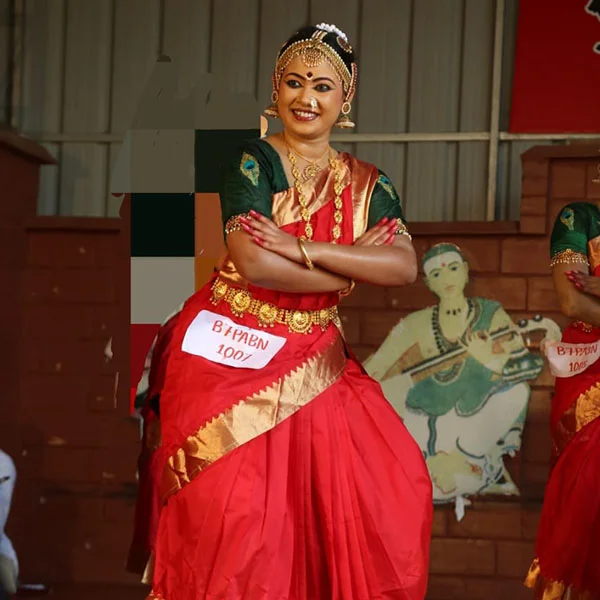
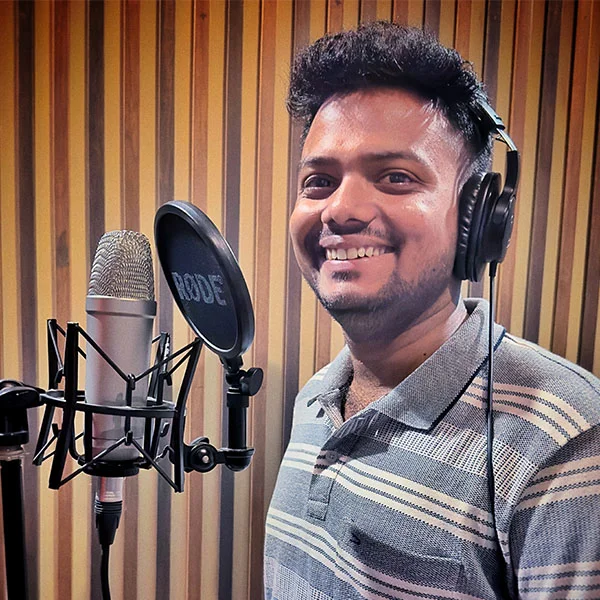
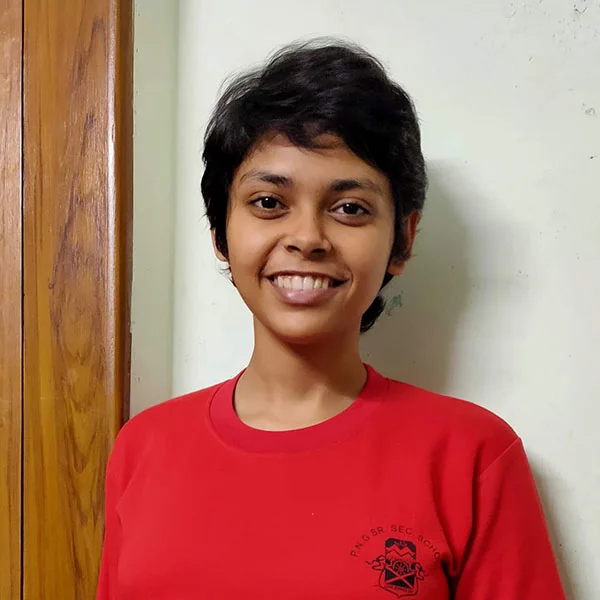
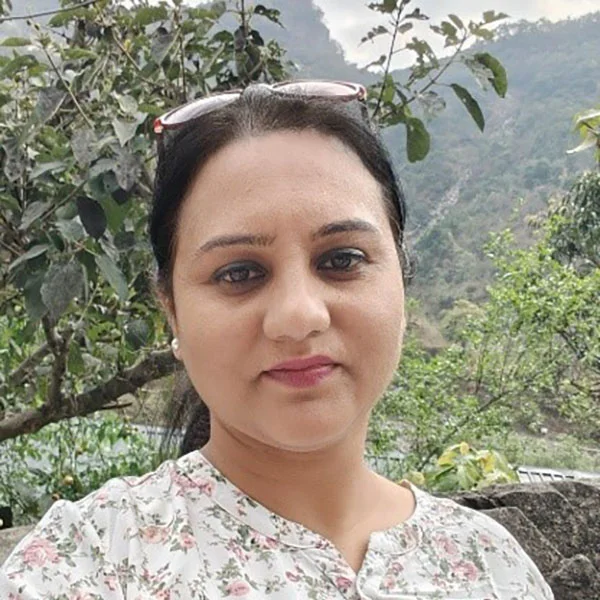
Expert educators who connect, guide, and prepare students with special personalized care ❤️📚✨










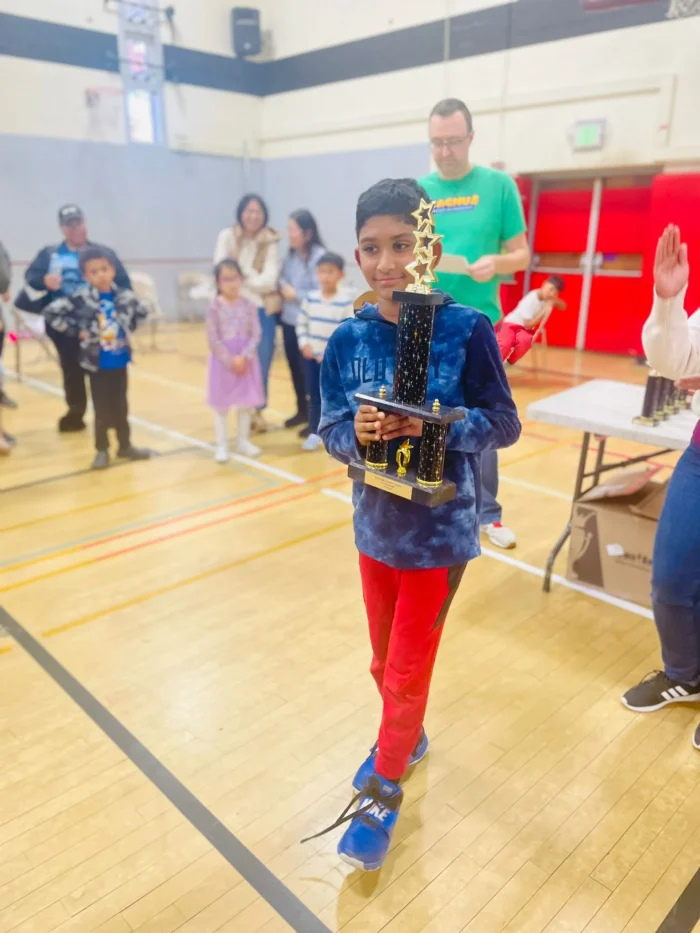
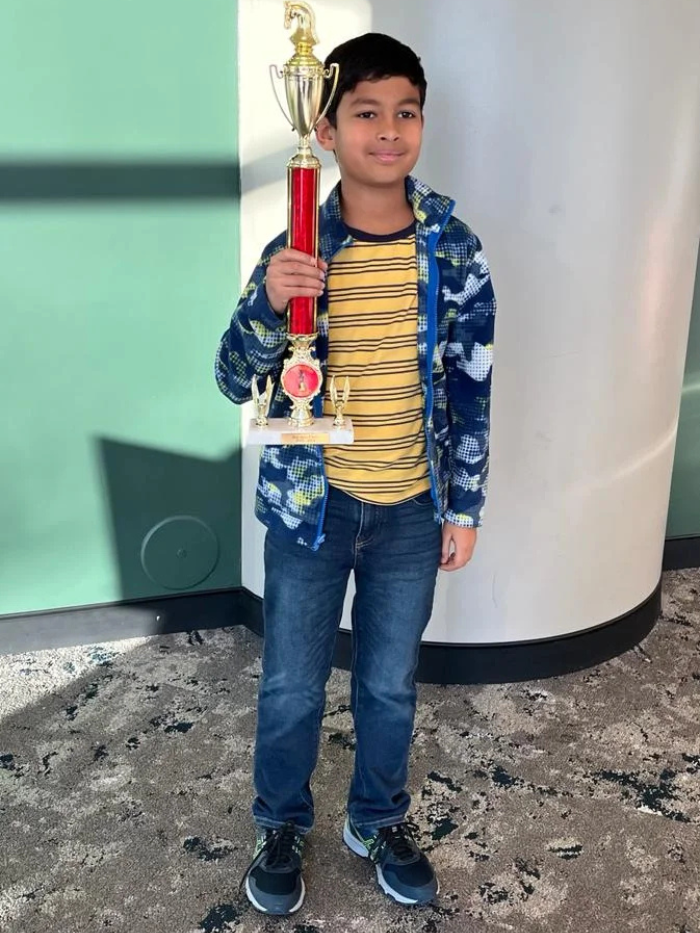
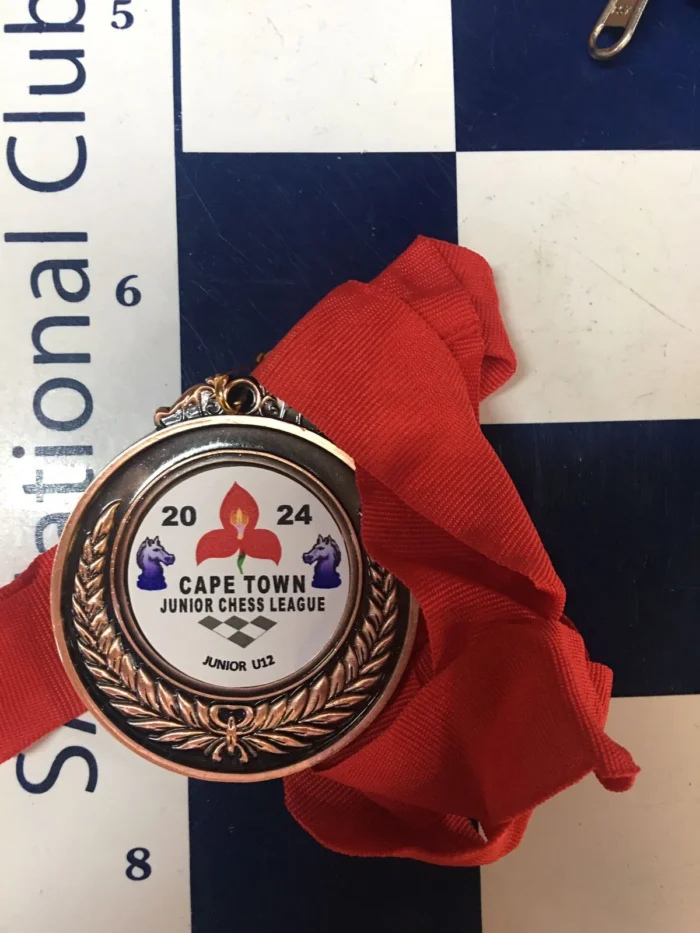
Student Achievements
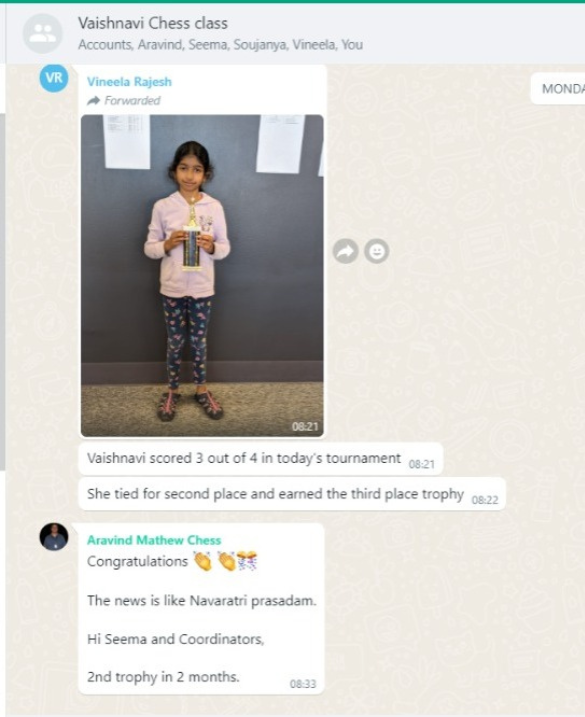
Making an Impact: 🏆 Student Achievements That Shine | 🌱 Your Growth. Our Mission.
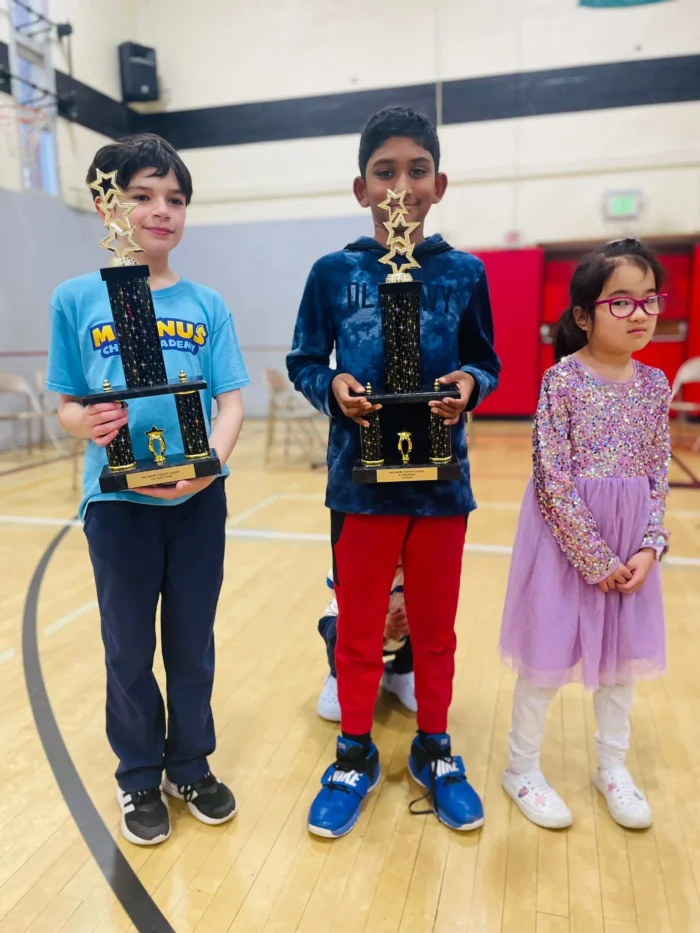
What Our Parents Say About Us
👪 Real Results. Real Parent Voices. 🏆 Futures Built with Care

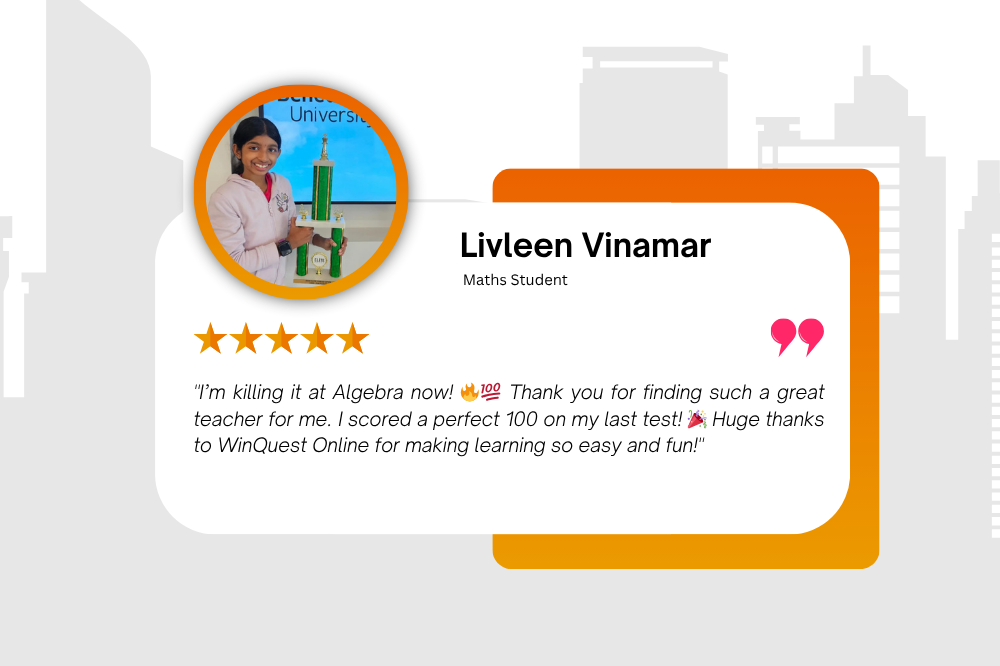
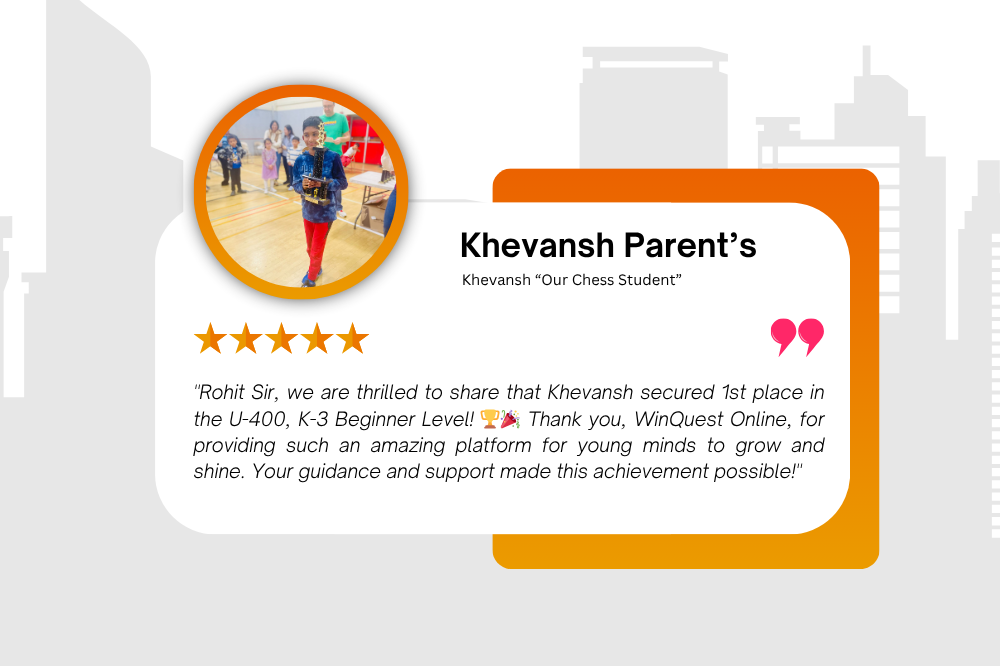
Parent Testimonials
Success Stories That Speak 🌟🎓 Wins That Inspire Pride 🏆
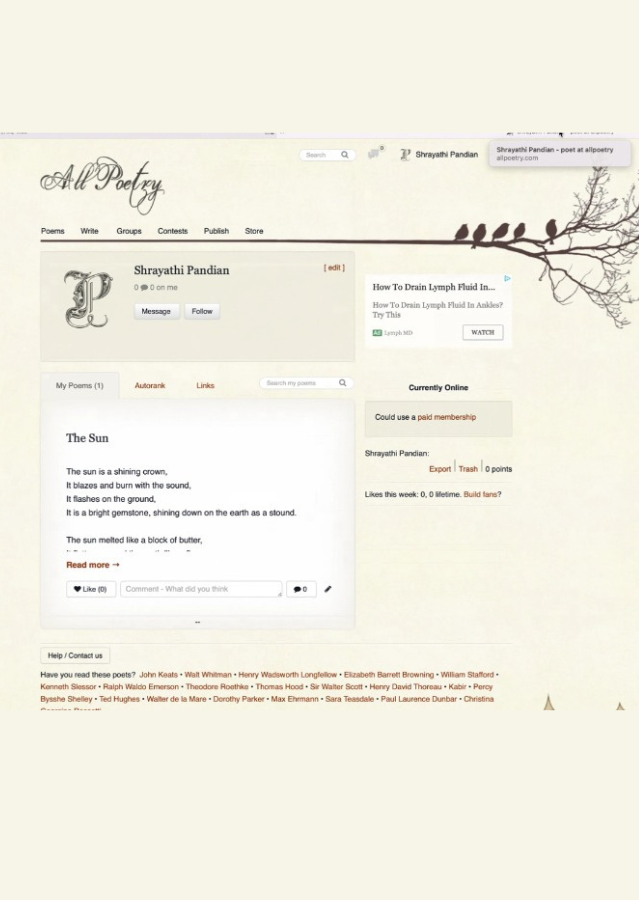
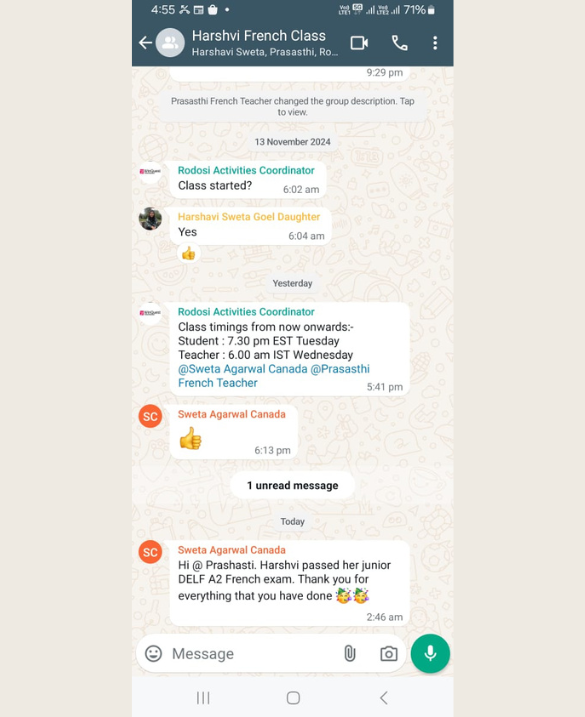
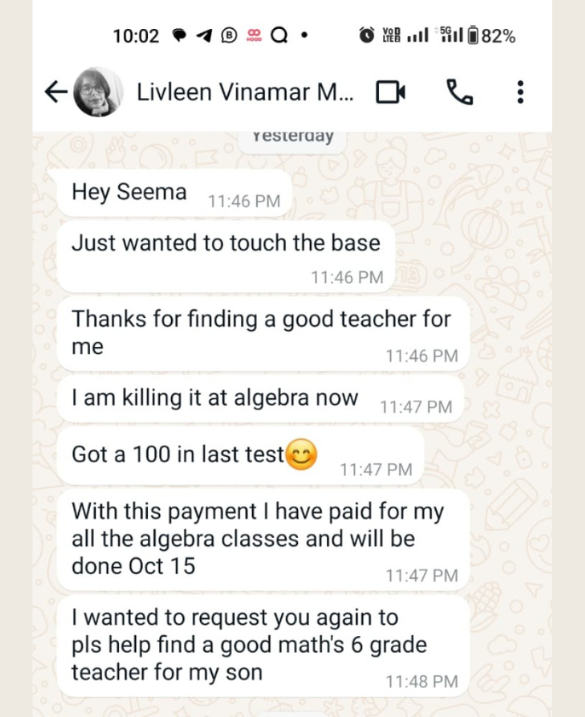
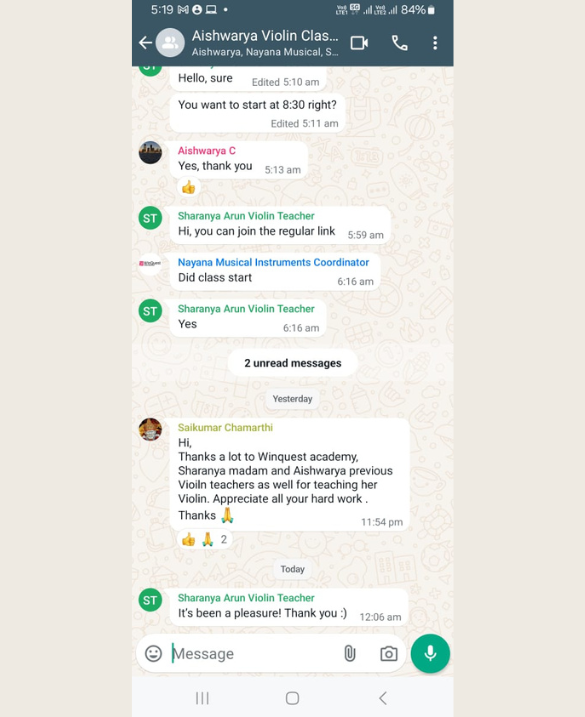
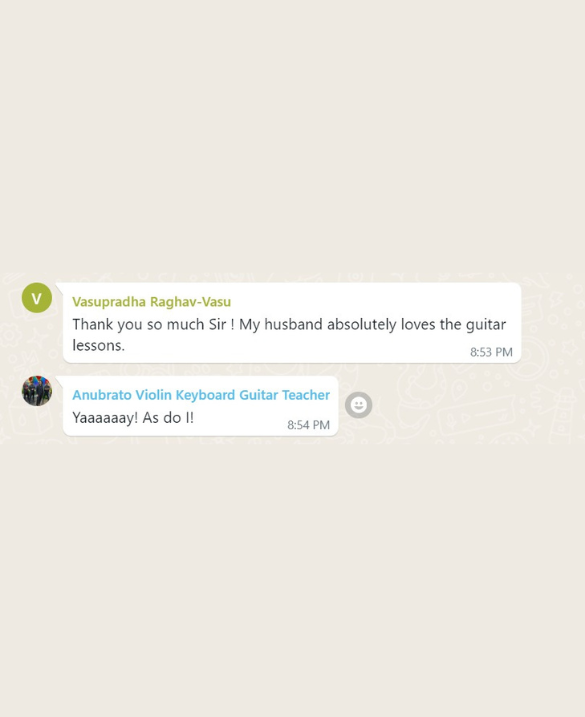
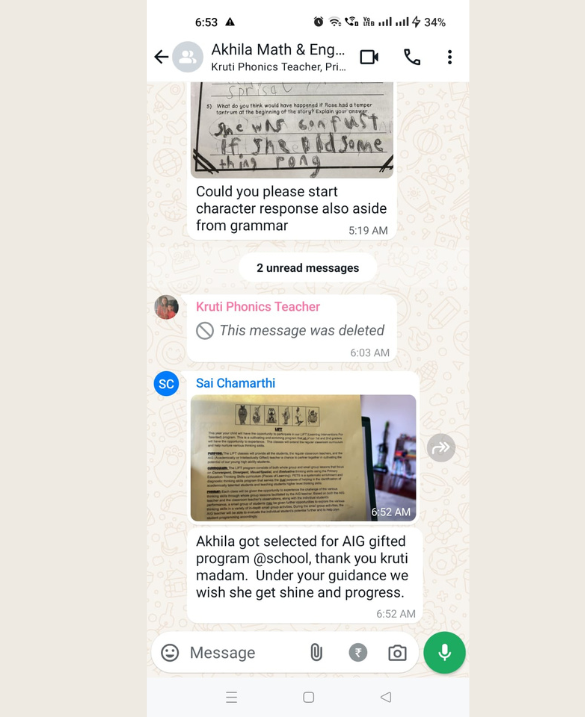
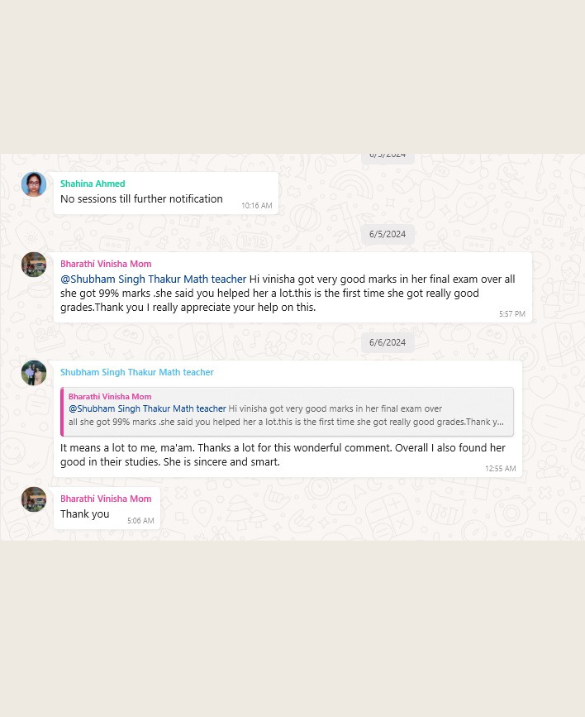
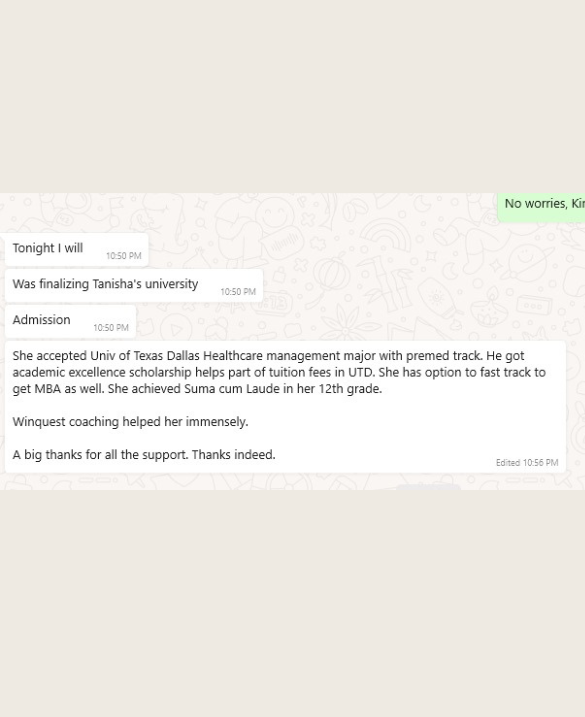
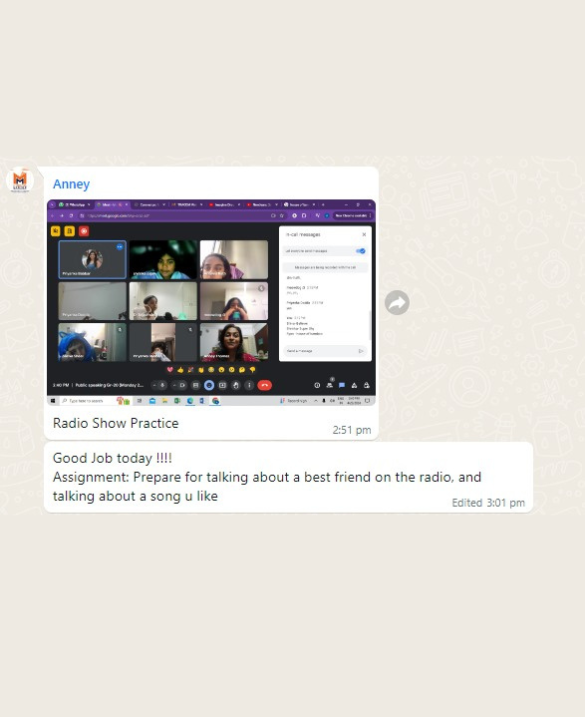
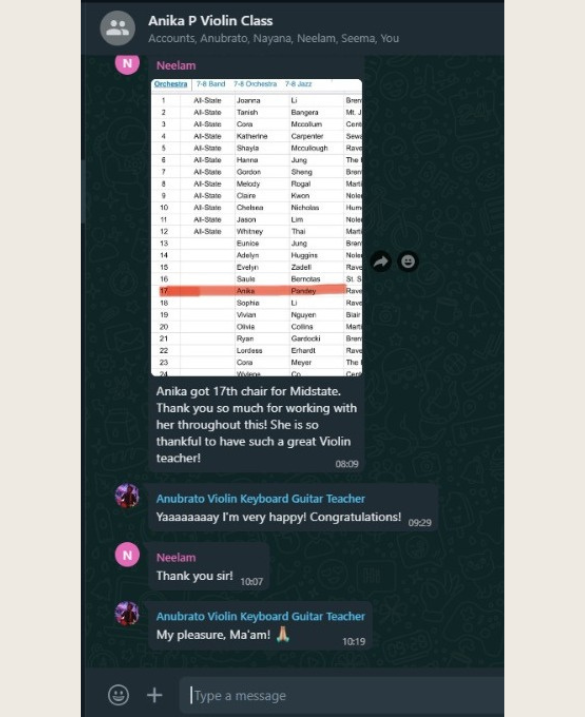
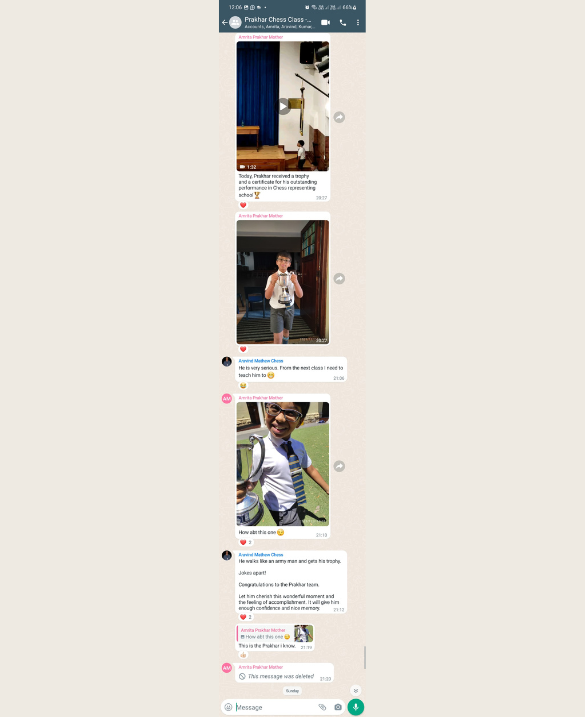
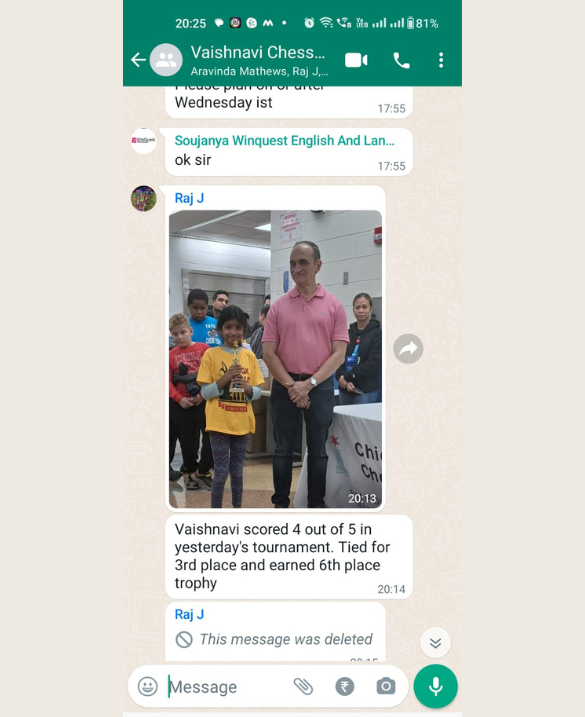
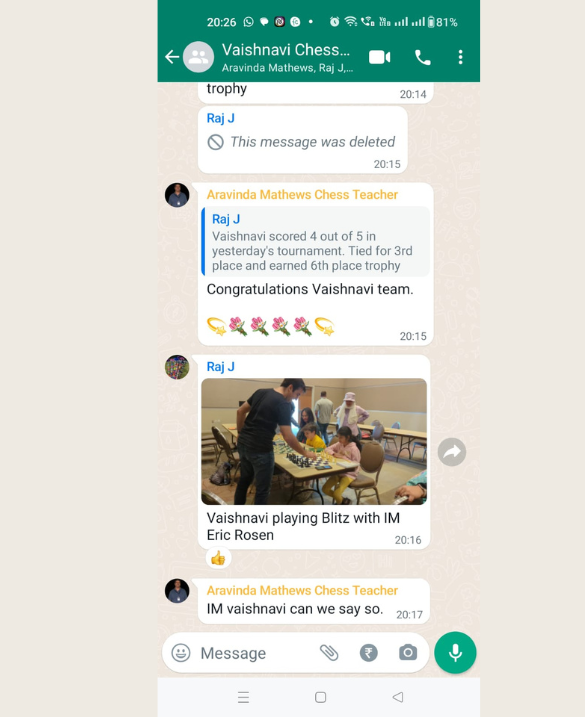
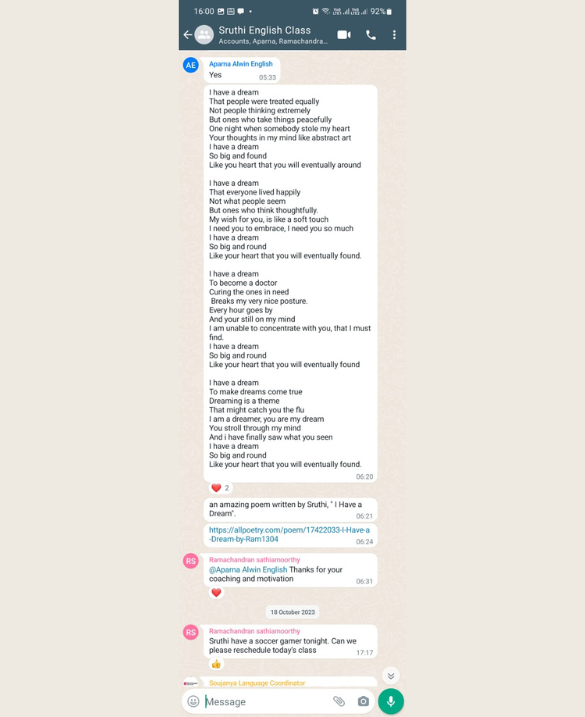
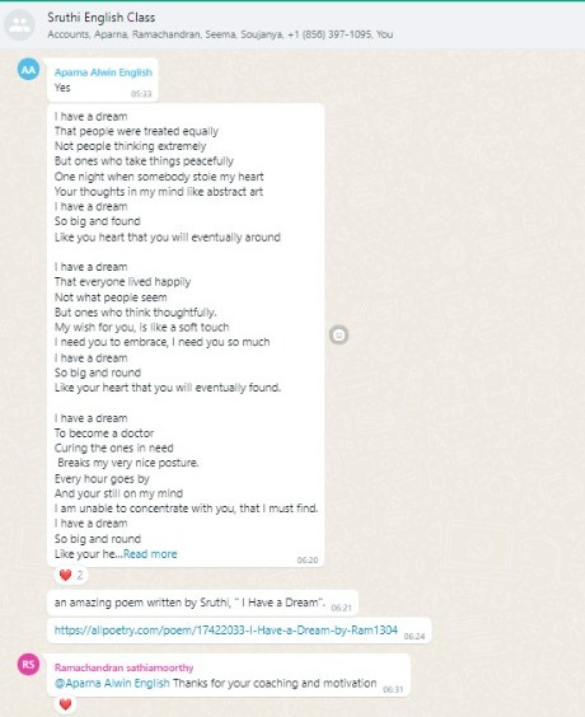
WhatsApp Testimonials
Real Voices from Our WhatsApp Community 💚📚
Latest News and Resources
📰 Learning Updates | 📘 Tips | 🎓 Resources | 💻 Online Courses