


Course Details
English Grade 9-10
English Grade 9-10
Why Choose Online English Grade 9-10 Classes?
Overview
English Grade 9-10 prepares your child for the high-school board exam, IGCSE 0500 / 0510, O-level English Language, or US 9-10 ELA assessments. WinQuest delivers it aligned to your board with concentrated focus on reading comprehension, formal writing (essay / letter / article / speech), grammar accuracy and oral communication.
What You'll Learn
- Live interactive sessions
- 1st one-on-one session
- Comprehensive curriculum
- No long-term commitment
- Personalized learning plan
Grade 9
Reading - Literature+
- Cite strong and thorough textual evidence to support analysis of what the text says explicitly and inferences drawn.
- Determine a theme or central idea of a text and analyse its development; provide an objective summary.
- Analyse how complex characters develop over the course of a text, interact with others, and advance the plot or theme.
Reading - Informational+
- Determine the central idea of an informational text and analyse its development; provide an objective summary.
- Analyse the author's ideas / claims and evaluate the reasoning (is it valid? are claims supported by sufficient evidence?).
- Analyse seminal US documents (Declaration of Independence, Bill of Rights, MLK's "I Have a Dream") for purpose and rhetoric.
Writing+
- Argument writing with precise claims, relevant evidence, organised paragraphs, and acknowledgement of counterclaims.
- Informative / explanatory writing - select and convey complex ideas, concepts, information clearly and accurately.
- Narrative writing with vivid description (sensory imagery), well-structured event sequences, and reflective conclusion.
Language & Vocabulary+
- Parallel structure (matching grammatical form in lists: running, jumping, swimming) and varied phrases and clauses for style.
- Use semicolons (joining two related independent clauses) and colons (introducing lists or explanations) effectively.
- Determine the meaning of words and phrases including figurative (similes, metaphors, idioms) and connotative (implied feeling) language.
Oral Communication+
- Active (full attention, taking notes) and critical (evaluate ideas, identify bias) listening in formal and informal settings.
- Speaking to inform (presentations), persuade (debates), entertain (storytelling) with varied techniques for each.
- Vary vocabulary (precise, formal/informal), sentence structure, register, and tone for different audiences.
Reading+
- Read literary (novels, poems, plays) and informational (essays, articles, reports) texts with depth and critical engagement.
- Analyse (break down) and evaluate (judge quality of) texts and their elements - structure, language, characterisation, ideas.
- Recognise literary devices (simile, metaphor, irony, symbolism) and rhetorical devices (repetition, parallelism, antithesis).
Writing+
- Use the writing process (plan, draft, revise, edit, publish) with sophistication and multiple revision cycles.
- Use a variety of forms including persuasive essays (with thesis + body + conclusion), narratives, reports, literary analyses.
- Apply language conventions (grammar, spelling, punctuation, mechanics) effectively to enhance clarity and style.
Media Studies+
- Critically analyse media texts (ads, films, news, social media) and their messages - purpose, technique, intended effect.
- Identify perspectives (whose voice), bias (slanted views), propaganda (one-sided persuasion) in media.
- Create complex media texts - multi-element brochure, short documentary video, podcast episode, infographic.
Language+
- Analyse how language varies for different audiences (peer, expert, general public) and contexts (formal, informal, written, spoken).
- Use a wide range of complex grammatical structures (multi-clause sentences with subordinating conjunctions and relative pronouns).
- Apply spelling (Greek/Latin roots, common patterns) and punctuation (commas, semicolons, colons, dashes) conventions.
Literature+
- Analyse text construction across literary genres (novel, short story, poetry, drama) - structure, voice, point of view.
- Create literary texts that experiment with style (formal/informal, sparse/elaborate, traditional/modern) and voice.
- Identify themes (central ideas), viewpoints (author's position), and values (cultural beliefs) embedded in texts.
Literacy+
- Interpret (figure out meaning) and evaluate (judge quality) texts critically using textual evidence.
- Plan (graphic organiser, outline), draft (first version), and refine (revise + edit) complex multi-paragraph texts.
- Speak using sustained (6-10 minute), varied discourse with introduction, body points, evidence, conclusion.
Speaking & Listening+
- Critical listening for bias (slanted views), intent (speaker's purpose), and persuasive techniques in spoken texts.
- Plan (outline, slides, notes) and deliver formal presentations (8-10 minutes) with visual aids.
- Engage in formal debates - proposition, opposition, rebuttal, summary; structured argumentation with evidence.
Reading - Beehive + Moments+
- Prose and poetry from CBSE Class 9 Beehive textbook plus the supplementary reader (Moments - short stories).
- Comprehension - factual (stated facts), inferential (figure out implied), evaluative (form opinions, judge) questions.
- Note-making (heading, sub-headings, key points using abbreviations) and summarising (1/3 length) techniques.
Writing+
- Article (200-250 words for school magazine), story (300-400 words with full plot arc), descriptive paragraph.
- Letter writing - formal (complaint, enquiry, application, order, suggestion) with correct format and tone.
- Diary entry (personal reflection with date) and biographical sketch (brief life history of a notable person).
Grammar+
- Tenses (all 12 forms); modals (can/could, may/might, must/should, will/would); subject-verb agreement rules.
- Active / passive voice (across all tenses); direct (exact words) and indirect / reported speech.
- Clauses (independent, dependent); gap-filling exercises, editing tasks, transformation of sentences.
Listening & Speaking+
- Listening comprehension - detailed (extract names, dates, numbers, key arguments from long spoken texts).
- Group discussions and debates - formal (proposition, opposition, rebuttal, summary) with evidence.
- Presentations (5-10 minutes with visual aids) and role-play (everyday and historical scenarios).
English Language Paper+
- Composition (300-350 words) - 4 choices (narrative, descriptive, expository, argumentative); choose strongest topic.
- Letter writing - formal (to principal / editor / authority) and informal (to friend / relative) with correct format.
- Comprehension - unseen passage (200-300 words); vocabulary (synonyms, antonyms) and grammar (gap-filling, transformation).
English Literature Paper+
- Prescribed prose - Treasure Trove (Short Stories anthology) with literary analysis questions.
- Prescribed poetry - Treasure Trove (Poems anthology) - theme, language, imagery analysis.
- Prescribed drama - Shakespeare's Merchant of Venice (or other prescribed play) - character, theme, language study.
Grammar Mastery+
- Transformation of sentences - active to passive, direct to indirect, affirmative to negative, simple to compound to complex.
- Phrasal verbs (give up, look after, take off) and idioms (a piece of cake, hit the books) in context.
- Synonyms (similar meaning) and antonyms (opposite meaning) in context; words frequently confused (e.g., affect/effect).
Listening & Speaking+
- Listening comprehension - detailed (extract names, dates, numbers, key arguments from long spoken texts).
- Group discussions and debates - formal (proposition, opposition, rebuttal, summary); arguing a position.
- Presentations (5-10 minutes with visual aids) and role-play (everyday and historical scenarios).
Paper 1 - Reading (incl. Directed Writing)+
- Question 1 - short-answer comprehension (extract facts) and language analysis (identify effects of word choice).
- Question 2 - language analysis comparing two texts on similar topics or themes; impact of language techniques.
- Question 3 - summary writing - condense an extended text to around 250 words while preserving key ideas.
Paper 2 - Composition+
- Section A - Directed Writing (250-350 words) - turn a stimulus into a different form (speech, letter, article, etc.).
- Section B - Composition (350-450 words) - choose between narrative (story arc) or descriptive (vivid imagery).
- Planning (5 min outline), drafting (35 min), editing (5 min) under exam time pressure.
Vocabulary & Style+
- Tone (formal/casual, serious/humorous), register (level of formality), intent (purpose); word-class analysis (precise diction).
- Figurative language (simile, metaphor, personification) and rhetorical devices (repetition, rhetorical questions, alliteration).
- Varied sentence structures (simple, compound, complex, compound-complex) for effect on the reader.
Past Paper Practice+
- 4 full-length proctored Paper 1 mocks (2 hours each) under exam conditions.
- 4 full-length proctored Paper 2 mocks (2 hours each) under exam conditions.
- Mark-scheme calibration (matching answers to examiner expectations) and personalised feedback.
Reading & Use of English+
- Skimming (overview - read fast) and scanning (find specific info - keyword search) techniques for IGCSE 0510 papers.
- Multiple-choice (4 options), gap-fill (one or two words), matching tasks (paragraph headings to text); strategies for each.
- Note-taking (key points only, abbreviations) and summarising (condense to 1/3 length) for IGCSE 0510.
Writing+
- Informal email (to friend), formal letter (to organisation), article (for magazine), report (factual) - format and tone.
- Discursive essays (balanced view on a topic) and argumentative essays (taking and defending a position) of 150-200 words.
- Word count (stay within limits) and time management (allocate time per question) for the IGCSE 0510 exam.
Listening+
- Note-taking from short (30-60 second) and extended (5-7 minute) recordings; identify main points and details.
- Multiple-choice (4 options) and short-answer (1-2 word) responses to listening tasks.
- Listening for gist (overall meaning) and specific information (facts, opinions, attitudes); recognising tone.
Speaking+
- Topic card discussion - 6-9 minutes with the examiner on a chosen topic with prompts.
- Vocabulary range (varied, precise) and pronunciation (clear, accent-neutral) for higher marks.
- Past paper speaking practice with recording and rubric-based feedback.
Paper 1 - Writing+
- Editing - identifying and correcting language errors (grammar, spelling, punctuation) in a given short passage.
- Situational writing - 250 words based on a visual / textual prompt with specific purpose and audience.
- Continuous writing - 350-500 words on one of 4 essay prompts (narrative, descriptive, expository, argumentative).
Paper 2 - Comprehension+
- Visual text (image / diagram) and narrative text (story extract) comprehension questions.
- Non-narrative / argumentative text (article / opinion) comprehension - inferential and evaluative questions.
- Summary writing - condense extended text to 80 words while preserving key ideas (paper 2 specific task).
Paper 3 - Listening+
- Multiple-choice (4 options) and short-answer (1-2 word) responses to varied listening tasks.
- Listening for gist (overall meaning) and specific information (facts, opinions, tone, attitude).
- Note-taking under time - quick selective notes during a single playback (or two playbacks for some tasks).
Paper 4 - Oral+
- Reading aloud with appropriate pronunciation (clear sounds), pace (natural rhythm), and expression for the O-level oral.
- Stimulus-based conversation (3 questions) - examiner shows visual / text prompt and asks follow-up questions.
- Past paper practice with recording feedback - identify weak areas and target improvements.
Grade 10
Reading - Advanced Literature+
- Analyse multiple themes and their interactions across literary works.
- Analyse a particular point of view in world literature, including non-Western perspectives.
- Compare structures across different time periods (Renaissance, Romantic, Modernist) and genres.
Reading - Informational+
- Analyse various accounts of a subject told in different mediums (text, audio, video) - determine which details are emphasised in each.
- Determine the author's perspective and assess rhetoric (use of language to persuade); identify their purpose.
- Compare seminal US documents (Federalist Papers, Lincoln's addresses) of historical and literary significance.
Writing - Argument & Synthesis+
- Multi-source synthesis essays - draw on multiple texts to develop and support a unified argument.
- Counterclaim development (consider opposing view) and refutation (explain why your claim still holds).
- Research project with annotated sources (brief description and evaluation of each source) using MLA / APA format.
Speaking & Language Mastery+
- Formal speeches with rhetorical devices (ethos: credibility, pathos: emotion, logos: logic; repetition, parallelism).
- Independent grammar mastery - self-correction of common errors (subject-verb, pronoun-antecedent, dangling modifier).
- Vocabulary in academic contexts - tier 2 (academic) and tier 3 (domain-specific) words for college-level discourse.
Literature Study+
- Novel study (full-length text like To Kill a Mockingbird, Lord of the Flies) with analysis of literary devices.
- Drama (Shakespearean intro - Romeo and Juliet, Macbeth) and poetry (modern + classical) analysis.
- Comparative literature - identifying common themes (justice, identity) across two or more texts.
Writing+
- Literary essays with clear thesis statement, supporting analysis with textual evidence, and reflective conclusion.
- Persuasive (convince audience) and argumentative (defend a position with logic + evidence) essays.
- Research papers with citations - MLA or APA format; in-text citations and works cited / references page.
Oral Communication+
- Formal presentations (8-12 minutes, prepared, structured) and Socratic seminars (student-led dialogue on text).
- Group dialogue (cooperative talk) and discussion (exchange of ideas) following protocols (Harkness method, fishbowl).
- Rhetorical analysis of speeches - identify and explain devices used (e.g., MLK's "I Have a Dream", JFK Inaugural).
Media Studies+
- Analyse film (visual storytelling, cinematography), advertising (persuasive techniques), news media (selection, framing).
- Identify bias (slanted views) and intent (purpose, target audience, desired effect) in media texts.
- Create complex media texts - short documentary, podcast episode, ad campaign with multiple elements.
Language+
- Analyse how language varies across genres (legal text vs poem vs news report vs casual blog).
- Use a wide range of complex grammatical structures (subordinate clauses, parallel structure, varied openings).
- Apply spelling (Greek/Latin roots, doubling rule, drop-e) and punctuation (semicolons, colons, dashes, brackets) conventions.
Literature+
- Analyse text construction across genres (narrative, poetry, drama, non-fiction) - structure, voice, point of view, technique.
- Create literary texts that experiment with style (formal/informal, terse/elaborate) and voice (first/third person, character).
- Identify and analyse themes (central ideas), viewpoints (author's position), and values (cultural beliefs) in texts.
Literacy+
- Interpret (figure out meaning) and evaluate (judge quality of) complex texts critically with textual evidence.
- Plan (graphic organiser, outline), draft (first version), and refine (revise + edit) sophisticated multi-paragraph texts.
- Speak using extended (10+ minute), well-structured discourse with intro, points, evidence, conclusion.
Speaking & Listening+
- Critical listening for bias (slanted views), intent (purpose), propaganda (one-sided persuasion using emotional appeals).
- Plan (outline, slides, notes) and deliver formal presentations (8-12 minutes) with visual aids and vocal variety.
- Engage in formal debates - proposition, opposition, rebuttal, summary; structured argumentation with evidence.
Reading - First Flight + Footprints+
- Prose and poetry from CBSE Class 10 First Flight textbook plus the supplementary reader (Footprints Without Feet - stories).
- Comprehension passages with MCQ (multiple choice), SAQ (short answer 30-40 words), LAQ (long answer 100-120 words).
- Reference to context questions (identify, explain), note-making (heading, sub-headings, key points), and summary (1/3 length).
Writing - Letters, Articles, etc.+
- Formal letter writing - complaint (about a problem), enquiry (seeking info), order (placing request), application (for job/school).
- Article writing (200-250 words for newspaper / magazine) and analytical paragraph (thesis + evidence + analysis).
- Speech writing (with opening, body, closing) and report writing (factual account of an event) - introduction.
Grammar+
- Tenses (all 12 forms); subject-verb agreement (singular/plural, collective nouns); modals (can/could, may/might, must/should).
- Active / passive voice (across all tenses); direct (exact words) and indirect / reported speech.
- Editing (correct grammar/spelling errors in given passage), gap-filling (insert correct word / form), sentence reordering.
Board Paper Practice+
- CBSE Sample Paper (released each year by CBSE) and previous year question paper practice (last 5 years).
- Marking scheme analysis - understanding examiner expectations, key terms, word limits, common mark allocations.
- 2-4 full-length proctored mocks (3 hours each) before March board exam under exam conditions.
English Language Paper+
- Composition (300-350 words) - 4 choices (narrative, descriptive, expository, argumentative); choose strongest topic.
- Letter writing - formal (to principal, editor, authority) and informal (to friend, relative) with correct format.
- Comprehension passage; vocabulary (synonyms, antonyms) and grammar (gap-filling, transformation) questions.
English Literature Paper+
- Prescribed prose - Treasure Chest (Short Stories anthology) with literary analysis questions.
- Prescribed poetry - Treasure Chest (Poems anthology) - theme, language, imagery analysis.
- Prescribed drama - Shakespeare's play (Julius Caesar / The Merchant of Venice) or other prescribed text.
Grammar Mastery+
- Transformation of sentences - active to passive, direct to indirect, affirmative to negative, simple to compound to complex.
- Phrasal verbs (give up, look after, take off) and idioms (a piece of cake, hit the books) in context.
- Synonyms (similar meaning), antonyms (opposite meaning), and fill-in-the-blanks with correct word / form.
Board Paper Practice+
- ICSE Specimen Paper (released by CISCE) and previous year question paper practice (last 5 years).
- Marking scheme analysis - understanding examiner expectations, key terms, word limits, mark allocations.
- 2-4 full-length proctored mocks (3 hours each) before the February ICSE board exam.
Paper 1 - Reading+
- Question 1 - language analysis (10 mins) - explain effects of word choice and language techniques in a short extract.
- Question 2 - comparative analysis (45 mins) - analyse two texts and compare language, structure, viewpoint.
- Question 3 - summary writing (45 mins) - condense an extended text to around 250 words preserving key ideas.
Paper 2 - Directed Writing & Composition+
- Section A - directed writing (25 marks) - turn a stimulus into a different form (speech, article, letter, report).
- Section B - composition - narrative or descriptive (40 marks; 350-450 words) with literary techniques and flow.
- Time management (allocate per section) and structure (intro + body + conclusion); planning under exam pressure.
Speaking Endorsement+
- Individual task - presentation 3-4 minutes on a chosen topic with notes / visual aids (optional endorsement).
- Discussion 6-7 minutes - examiner asks follow-up questions on the presentation topic and related areas.
- Past paper practice and rubric calibration - match performance to examiner mark scheme criteria.
Past Paper Practice+
- Full Paper 1 mocks (2 hours, June and Nov sessions) - past papers from May / October.
- Full Paper 2 mocks (2 hours) - directed writing + composition under exam conditions.
- A and A* targeting strategies - mark distribution, examiner expectations, exam-day routine.
Reading & Use of English+
- Skimming (overview), scanning (find specific info), vocabulary tasks (word meanings, synonyms) under exam time.
- Note-taking (key points only, abbreviations) and summarising (condense to 1/3 length) for IGCSE 0510.
- Multiple-choice (4 options) and gap-fill (insert one or two words) techniques for the reading paper.
Writing+
- Informal email, formal letter, article (for magazine), report (factual account) - format, register, tone.
- Discursive (balanced) and argumentative (taking a position) essays of 150-200 words for IGCSE 0510.
- Word count (stay within limits), planning (5 min outline), editing (5 min checks) for exam writing.
Listening+
- Short (30-60 second) and extended (5-7 minute) recordings - varied accents and contexts.
- Note-taking (key info during a single playback); multiple-choice (4 options); short-answer (1-2 words).
- Past paper listening practice - 5 years of past listening papers with timed mocks.
Speaking+
- Topic card discussion - 10-12 minutes with the examiner on a chosen topic with discussion prompts.
- Past paper speaking practice with recording and rubric-based feedback.
- Vocabulary range (varied, precise, idiomatic) and accent neutralisation (clear, intelligible).
Paper 1 - Writing+
- Editing for grammar and spelling errors in a given short passage; identify and correct them.
- Situational writing - 250 words on a real-life scenario (visual or text prompt) with specific audience.
- Continuous writing - 350-500 words on one of 4 essay prompts (narrative, descriptive, argumentative, expository).
Paper 2 - Comprehension+
- Visual text comprehension - poster, infographic, advertisement with comprehension questions.
- Narrative text comprehension - extracted story or short passage with inferential questions.
- Non-narrative / argumentative text comprehension + summary (condense to 80 words preserving key ideas).
Paper 3 - Listening+
- Multiple-choice questions (4 options) - listening for stated facts and inferred meaning.
- Short-answer questions (1-3 words) - extracting specific information from spoken text.
- Listening for note completion - filling in missing words / phrases in a structured notes template.
Paper 4 - Oral+
- Reading aloud (10 marks) - clear pronunciation, appropriate pace, expression, intonation for the O-level oral.
- Stimulus-based conversation (3 questions) - examiner shows visual / text prompt and asks follow-up questions.
- TYS (Ten-Year Series) past papers and recording feedback for self-evaluation.
Requirements
- A laptop or desktop with stable internet
- Notebook for written work; school textbook + reader
- Headphones with mic for speaking / listening tasks
- Past papers / sample papers (we will share the practice pack)
Reviews
4.8 / 5 ★ · 345+ students enrolled
Parents consistently rate our mentors for personalised attention, clear concepts and steady progress. Book a free demo to experience a class first-hand.
Frequently Asked Questions
How do I get started?+
Click the Book a Demo button on this page and fill in your child's grade and school board (CBSE / ICSE / IGCSE / Cambridge / US Common Core / Singapore MOE etc.). We will schedule a free trial session with a matching tutor. For details, contact our coordinator on WhatsApp at +91 93308 11581 or email contact@winquestonline.com.
Will the tutor follow my child's school board?+
Yes. Every WinQuest tutor is mapped to specific curricula. Before the first class we ask which board your child follows; the tutor uses that board's scope and sequence, supports the school textbook chapter by chapter, and adds worksheets in the board's exam style. We currently support US Common Core, Ontario, Australian v9.0, CBSE (NCERT), ICSE (CISCE), IGCSE 0580 / 0500 / 0610 / 0620 / 0625, Cambridge Primary / Lower Secondary, and Singapore MOE.
How does payment work?+
We require monthly advance payments for the number of classes scheduled in that calendar month. We accept Zelle, PayPal, UPI (for India), Stripe and major credit / debit cards. You can select your preferred payment method during the initial enrolment.
What if my child misses a class?+
For 1:1 sessions we reschedule a make-up at a mutually convenient time at no extra cost (with at least 24 hours notice). For group classes we share a timed recording of the session on parent request, so your child can catch up before the next class.
How long is each class?+
Each class session is 60 minutes long for academic subjects. Frequency is typically twice a week for K-7 grades and 2-3 times a week for high school, based on the board exam timeline and parent preference.
How is progress measured?+
Tutors give written feedback on every homework assignment, run a short formative quiz every 4-6 classes, and a longer chapter test at the end of each topic. Parents receive a monthly progress report covering concept mastery, homework completion and test scores.
What is the class size?+
For 1:1 sessions the class is just your child and the tutor. For group classes we cap each batch at 6-8 students so every learner gets individual attention and can ask questions in real time.
Are the tutors qualified?+
All our tutors are highly qualified subject-matter experts with proven track records - many hold Master's degrees in their subject and several years of school-curriculum teaching experience. Each tutor is interviewed by our academic head before joining and is mapped to specific boards and grades.
What if my child needs to pause for a school break or exam?+
Just let us know in advance. There are no contracts - you can pause for a school holiday or final-exam stretch and resume when the student is ready, with no penalty.
What are the requirements?+
A laptop or desktop with a stable internet connection is required. Pencil, eraser, ruler and a notebook for working out solved problems. For higher grades a basic calculator. The tutor will list any board-specific requirements (textbook, geometry box, etc.) before the first class.
Student Reviews
No reviews yet — be the first to share your experience with this course!
Meet our Teachers
Expert educators who connect, guide, and prepare students with special personalized care ❤️📚✨






Student Achievements
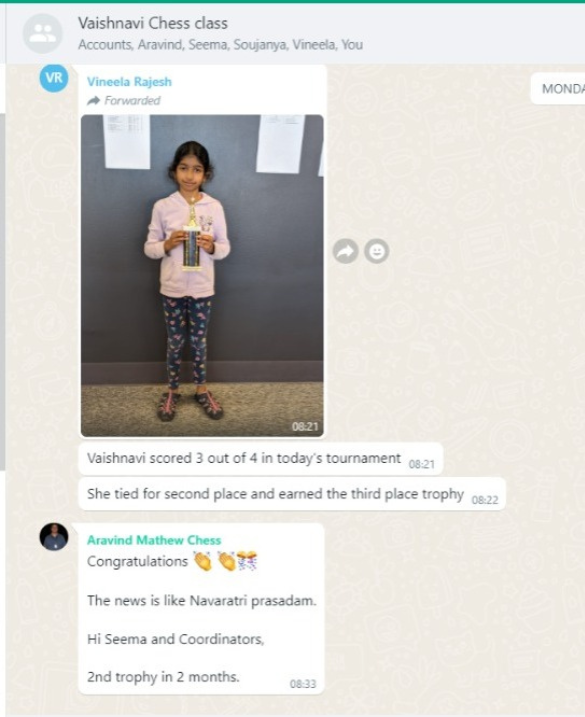
Making an Impact: 🏆 Student Achievements That Shine | 🌱 Your Growth. Our Mission.
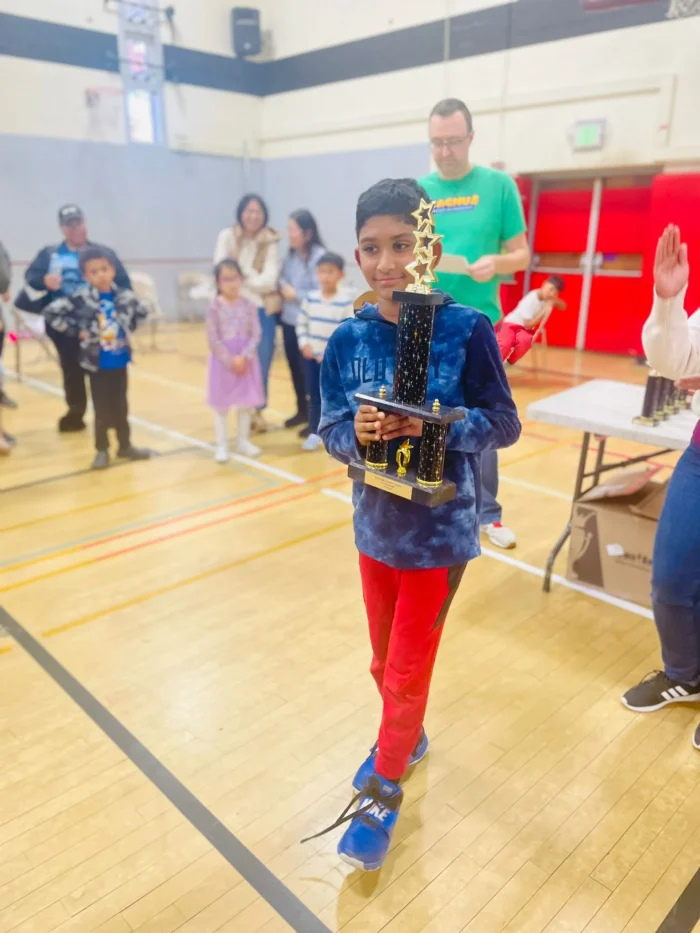
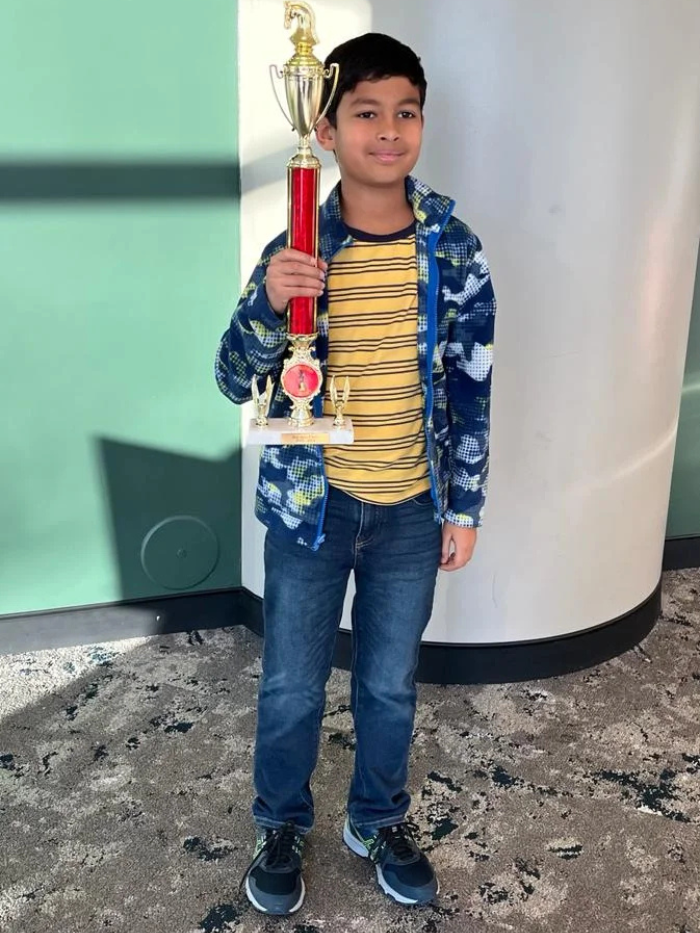
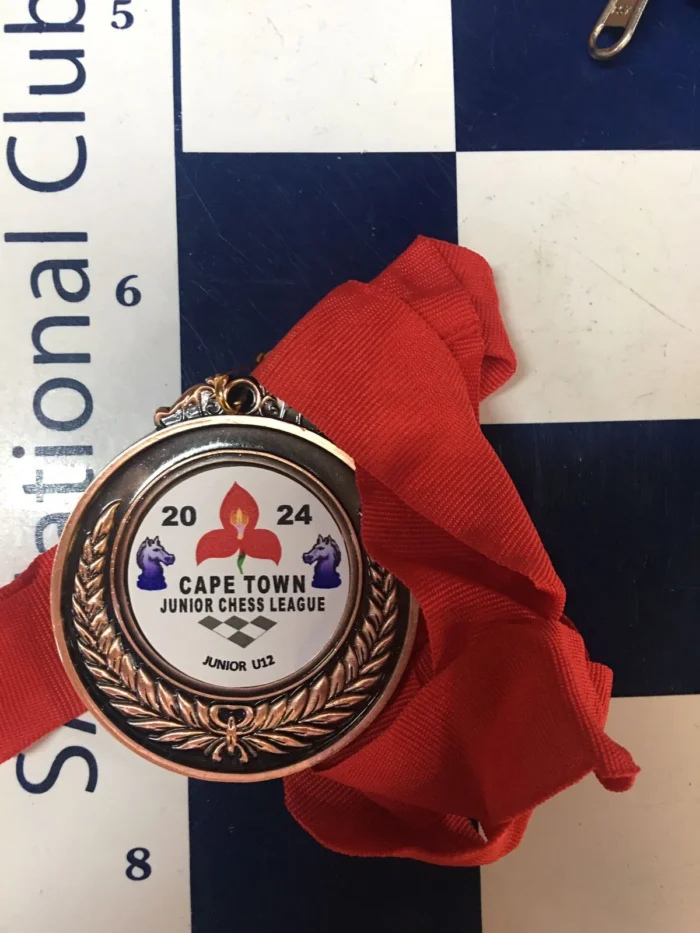
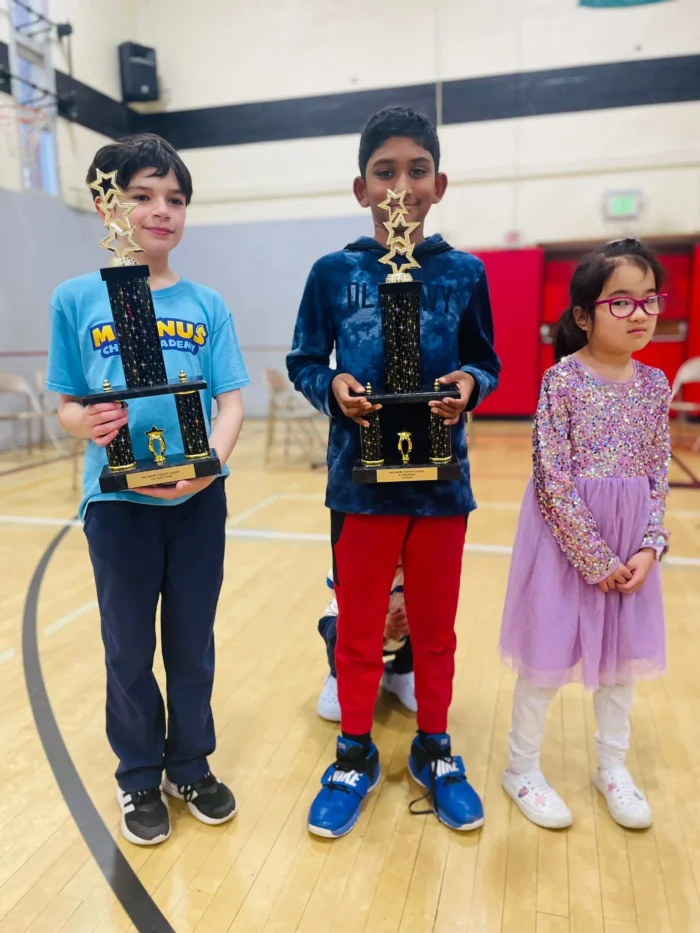
What Our Parents Say About Us
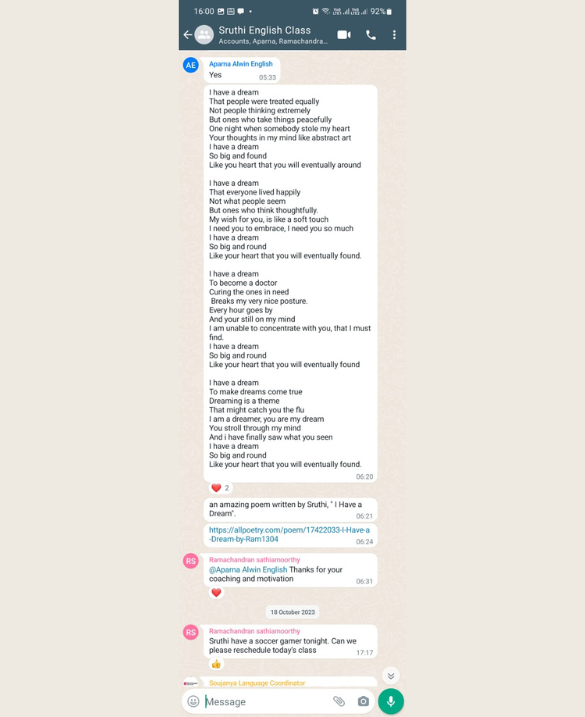
👪 Real Results. Real Parent Voices. 🏆 Futures Built with Care

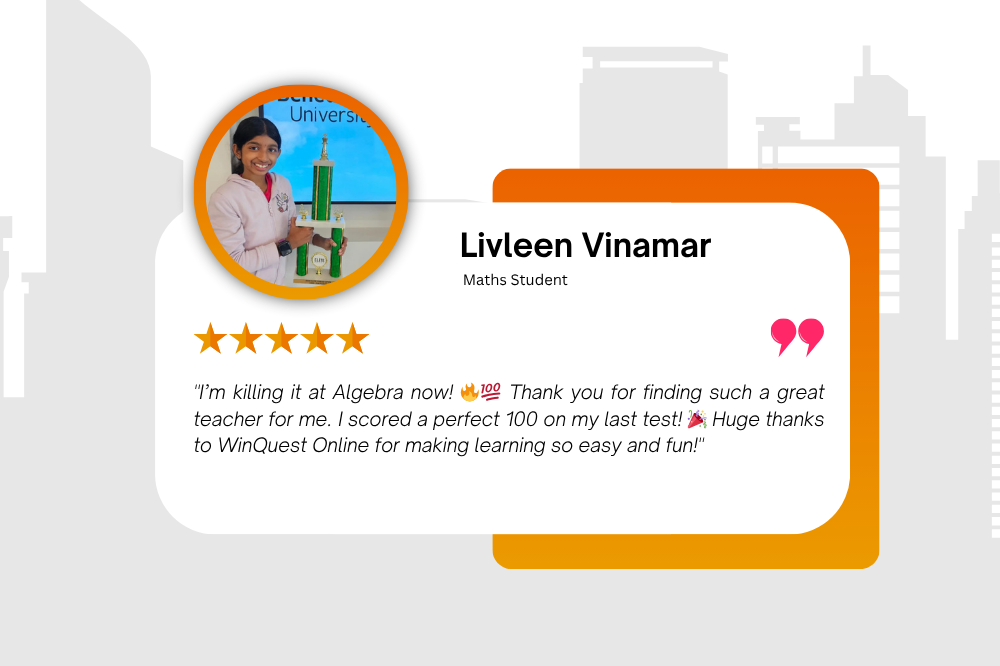
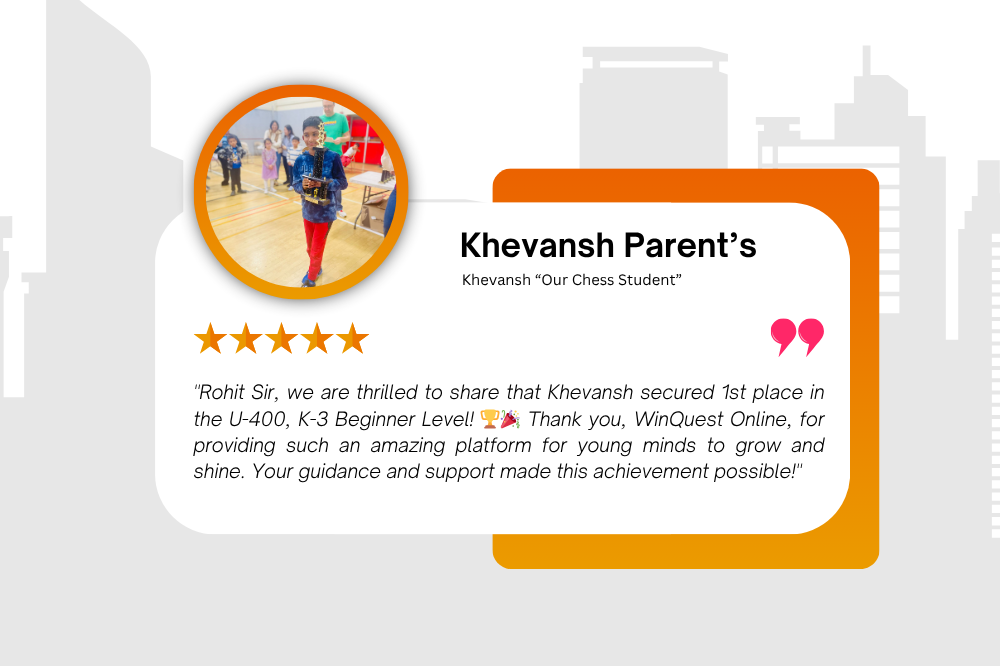
Parent Testimonials
Success Stories That Speak 🌟🎓 Wins That Inspire Pride 🏆
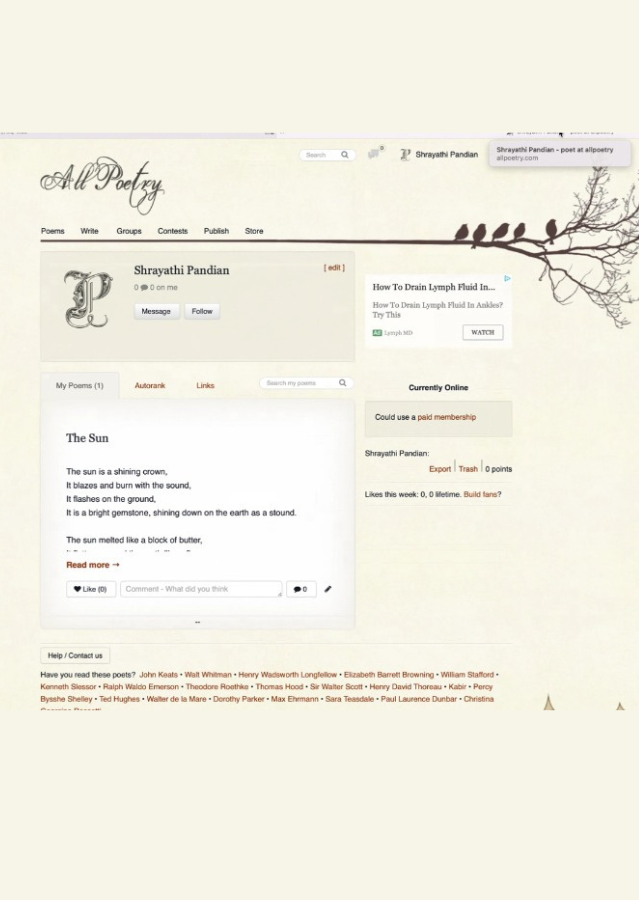
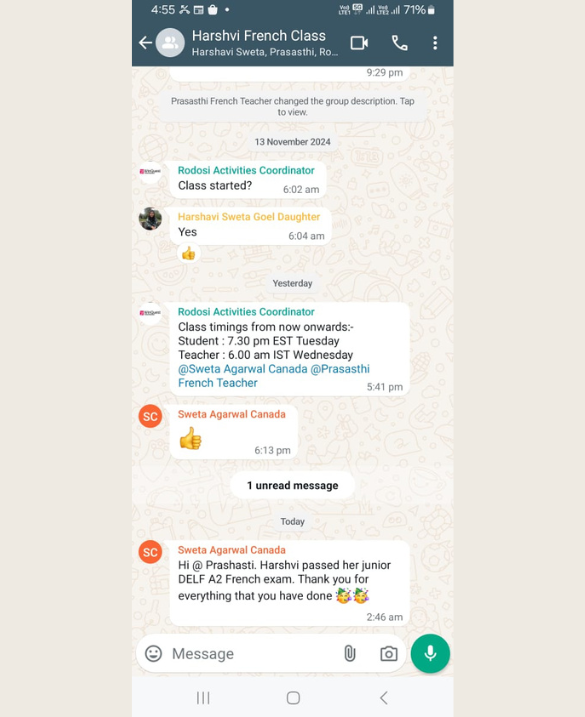
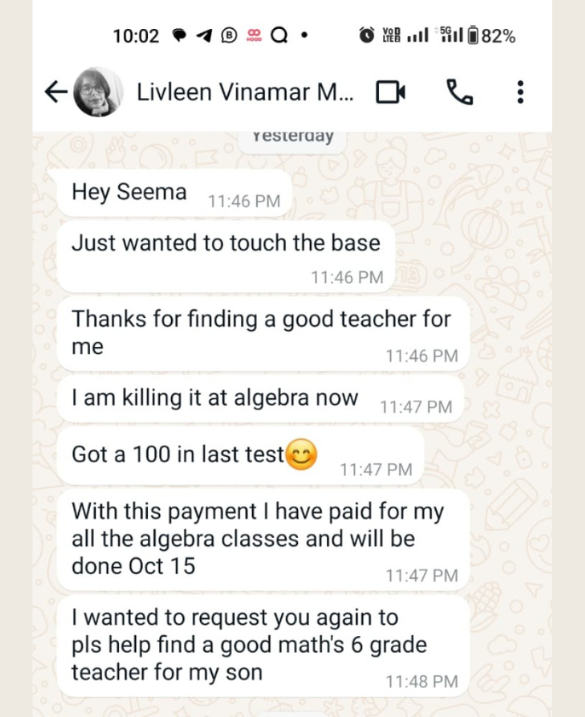
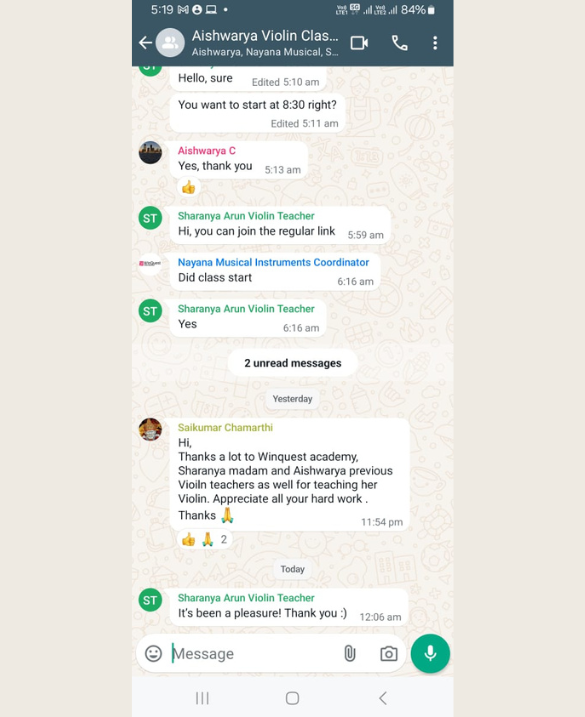
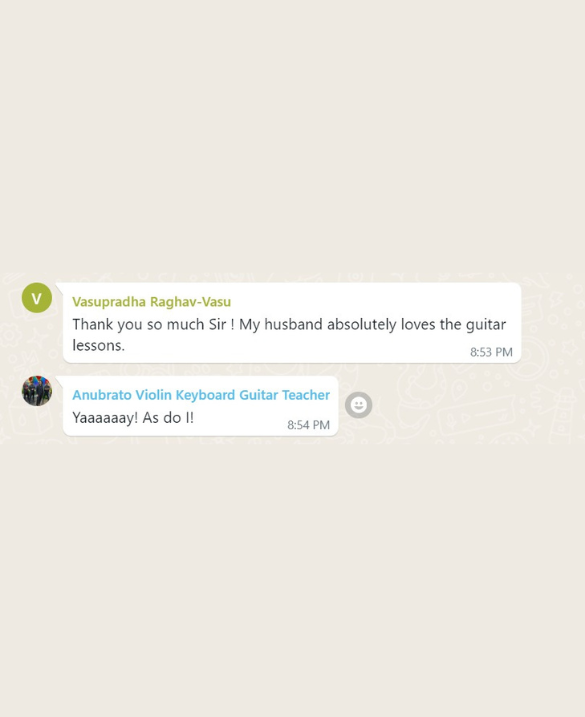
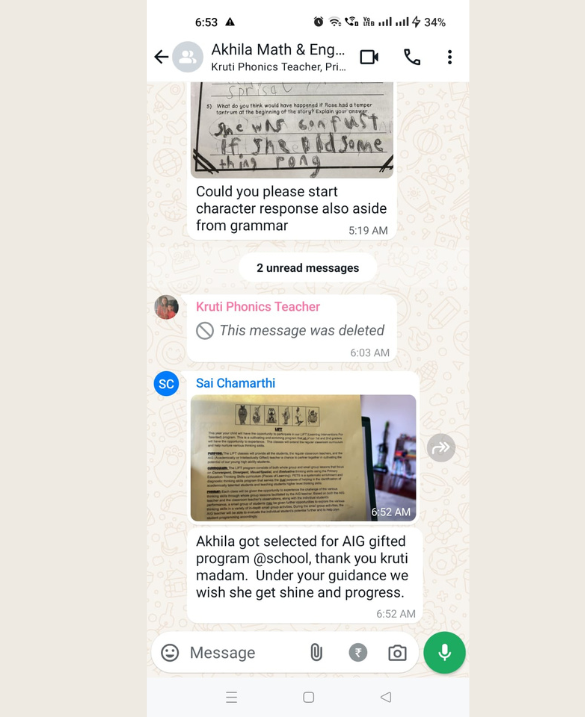
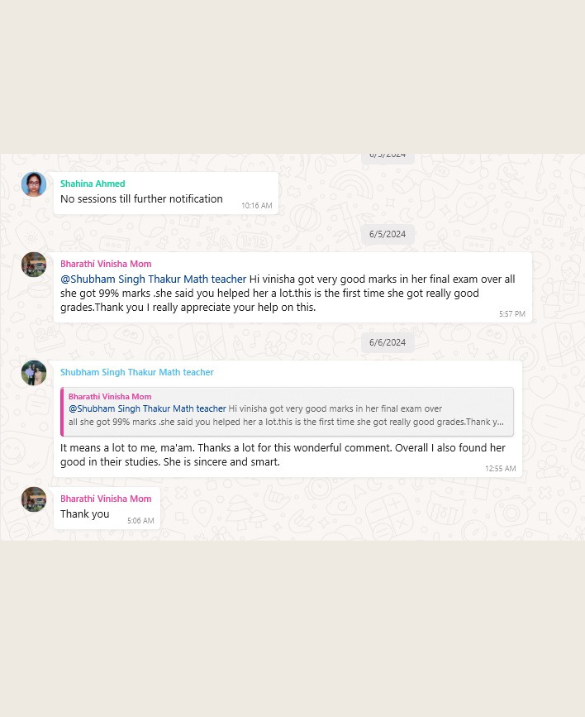
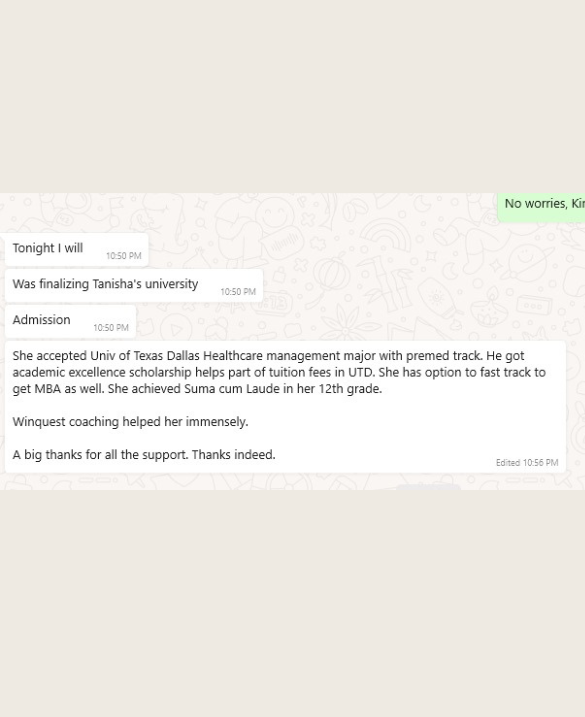
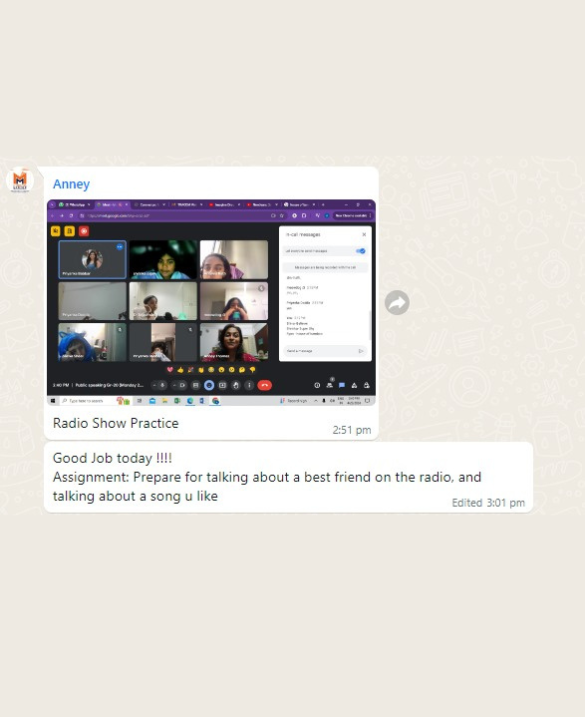
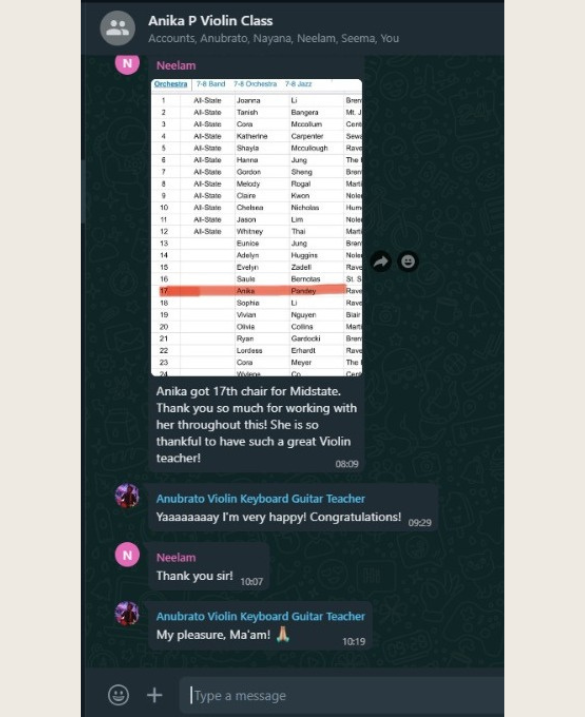
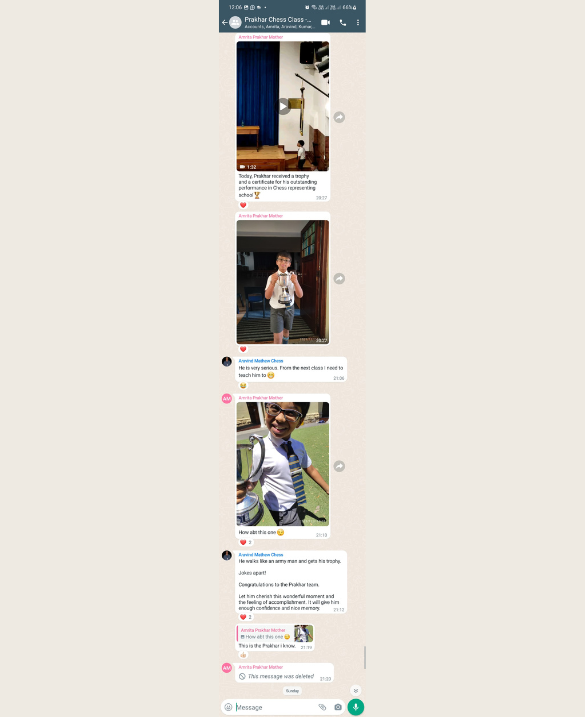
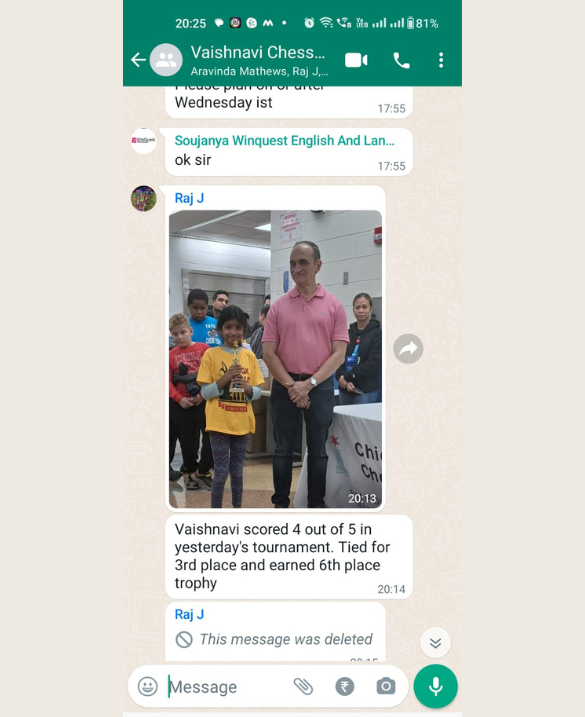
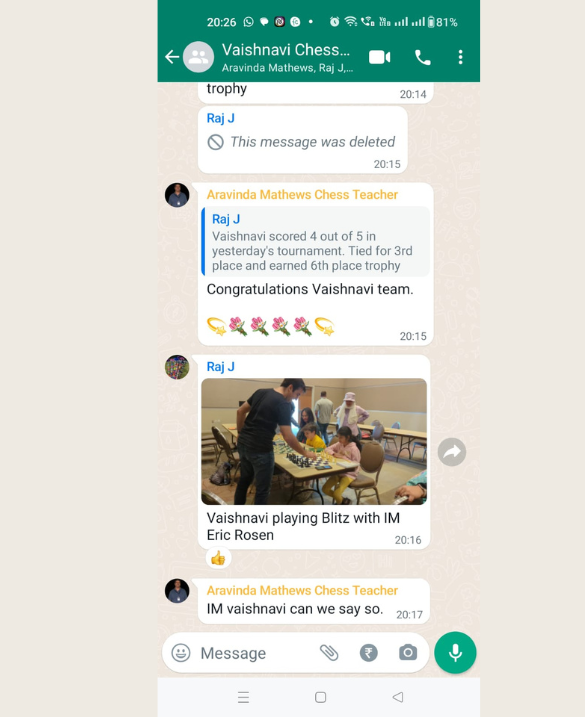
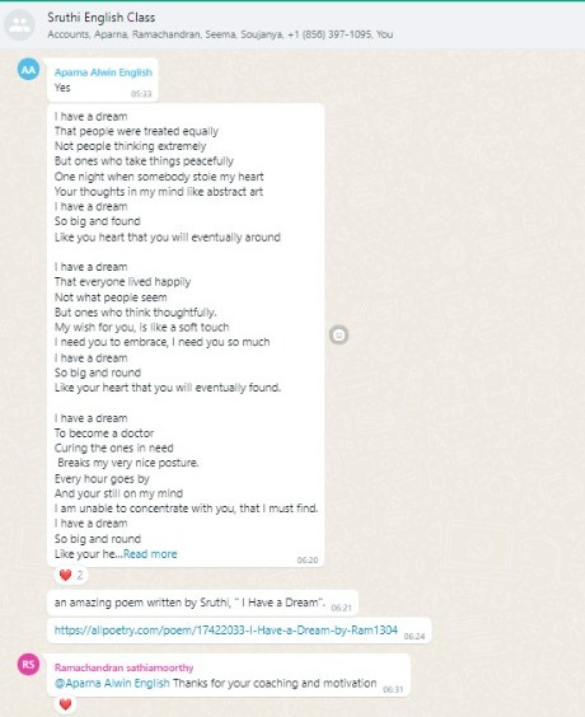
WhatsApp Testimonials
Real Voices from Our WhatsApp Community 💚📚
Latest News and Resources
📰 Learning Updates | 📘 Tips | 🎓 Resources | 💻 Online Courses