

Course Details
Science Grade 1-7
Science Grade 1-7
Why Choose Online Science Grade 1-7 Classes?
Overview
Science Grade 1-7 is integrated primary science - living things, matter and energy, Earth and space - aligned to your child's board: NGSS, Ontario, Australian v9.0, CBSE (NCERT EVS / Science), ICSE, Cambridge Primary Science, Singapore MOE. Each class blends concept-build, simple experiment / demonstration, and a written reflection or diagram.
What You'll Learn
- Live interactive sessions
- 1st one-on-one session
- Comprehensive curriculum
- No long-term commitment
- Personalized learning plan
Grade 1
Waves: Light & Sound+
- Sound is made when materials vibrate (drum, guitar string, vocal cords) - feel the vibration with your hand.
- Light - objects can only be seen when light shines on them; rough surfaces scatter light, smooth surfaces reflect.
- Communicating with light (flashlight, mirrors) and sound (drum patterns, songs) over short and long distances.
Structure & Function (Plants & Animals)+
- External parts of plants (roots, stem, leaves, flower) and animals (eyes, ears, nose, legs) - what each part does.
- How parts help plants and animals survive in their habitats (e.g., bird wings for flight, fish fins for swimming).
- Patterns of behaviour - young animals look like and behave similarly to their parents (lion cubs, kittens, ducklings).
Earth & Space+
- Patterns in the sky - sun rises in east + sets in west; moon changes shape over a month; stars appear at night.
- Seasons (spring, summer, autumn, winter) and weather (sunny, rainy, cloudy, windy) observations.
- Using sun (shadow direction), moon, and stars for finding direction; how navigators used the stars long ago.
Understanding Life Systems+
- Needs (food, water, air, shelter, sunlight) and characteristics (growth, reproduction, sensing) of living things.
- Body coverings (fur, feathers, scales, skin) and how they protect animals from cold, heat, predators.
- Healthy habits - eating fruits and vegetables, washing hands, brushing teeth, sleeping enough, exercising.
Structures & Mechanisms+
- Materials (wood, metal, plastic, glass), objects (chair, lamp, book), and everyday structures (house, bridge, tower).
- Identifying purposes of structures - house keeps us safe and warm, bridge helps cross water, fence keeps things in/out.
- Building strong structures - using triangles, supports, sturdy materials; experiment with paper or blocks.
Matter & Energy+
- Energy in our lives - we need energy for our bodies (food) and for our homes (electricity, gas, sunlight).
- Sources of energy (sun, wind, water, fuel) and uses (light, heat, movement, sound).
- Saving energy - switch off lights when not needed, use natural light, turn off taps - why this is good for Earth.
Earth & Space Systems+
- Daily cycles (day and night) and seasonal cycles (spring, summer, autumn, winter) - what causes them.
- Sun as a source of light (lets us see) and heat (keeps Earth warm) - life on Earth depends on it.
- Adapting to seasonal changes - wearing warm clothes in winter, lighter clothes in summer; animals hibernate or migrate.
Biological Sciences+
- Living things have basic needs - food, water, air, and a safe place to live; non-living things do not.
- External features of living things - shape, size, colour, body parts (legs, wings, leaves, roots).
- Plants (trees, grass, flowers) and animals (birds, mammals, fish, insects) we see around us.
Chemical Sciences+
- Objects made of different materials - wooden chair, plastic bottle, metal spoon, glass cup.
- Materials change when manipulated - paper tears, clay shapes, ice melts to water, water freezes to ice.
- Properties of common materials - hard / soft, smooth / rough, transparent / opaque, heavy / light.
Earth & Space Sciences+
- Daily changes (day-night, hot-cold morning/afternoon) and seasonal changes (summer-winter, dry-wet).
- Sky observation - sun by day, moon and stars at night, clouds (white, grey, fluffy, thin).
- Earth's resources we use - water (for drinking, washing), wood (for buildings, fuel), soil (for plants).
Physical Sciences+
- Light (sun, lamp, fire), sound (talking, music, traffic), and heat (sun, stove, body) in our world.
- How things move - push (pushing a swing) and pull (pulling a wagon); some things move fast, some slow.
- Light and dark - things that give light (sun, candle), things that block light (shadows of trees, houses).
My Body & Surroundings+
- Body parts (head, eyes, ears, mouth, hands, legs) and their functions (see, hear, eat, hold, walk).
- Healthy habits (brushing teeth, washing hands, exercising) and food (fruits, vegetables, milk, water).
- Family (parents, siblings, grandparents) and neighbourhood (neighbours, shopkeeper, postman, doctor).
Plants+
- Parts of a plant - roots (absorb water), stem (supports plant), leaves (make food), flower (becomes fruit).
- Types of plants - trees (tall, woody), shrubs (medium, bushy), herbs (small, soft), creepers and climbers.
- Importance of plants - give us food (fruits, vegetables, grains), oxygen, wood, medicines, shelter.
Animals+
- Domestic animals (cow, dog, hen, goat - live with humans) and wild animals (lion, elephant, tiger - live in forests).
- How animals move (walk, run, hop, fly, swim, crawl) and eat (chew, peck, lick, gulp, hunt).
- Animals as helpers - cow gives milk, dog guards house, hen gives eggs, horse helps with transport.
Air, Water & Weather+
- Air around us - we can't see it but we breathe it; it moves things (wind, fan, balloon).
- Water around us - sources (rivers, lakes, wells, rain); uses (drinking, cooking, washing, plants).
- Sun (bright + hot, day), moon (cool, night, changes shape), stars (twinkle, far away) in the sky.
Living and Non-living+
- Characteristics of living things - they grow, move, breathe, eat, reproduce; non-living things do not.
- Plants (trees, grass, flowers) and animals (birds, cats, dogs) we see around us every day.
- Pets (dog, cat, parrot, fish) we care for at home and farm animals (cow, hen, goat) that help us.
Body & Hygiene+
- Parts of the body (head, neck, hands, legs, eyes, ears) and their functions (think, see, hear, hold, walk).
- Healthy habits (washing hands, brushing teeth, sleeping early) and personal hygiene (clean clothes, clean nails).
- Balanced diet introduction - eating different foods (fruits, vegetables, grains, dairy) to stay healthy.
Around Us+
- Air, water, and weather observations - sunny, rainy, cloudy, windy days; rain comes from clouds.
- Day and night - sun gives us day, moon and stars appear at night; Earth rotates to make day-night.
- Seasons - summer (hot), winter (cold), monsoon (rainy), spring (flowers); each has special clothes and foods.
Materials & Activities+
- Things made of various materials - wood (chair, table), metal (spoon, pan), plastic (bottle, toy), cloth (clothes).
- Pushing (push a swing) and pulling (pull a drawer) - simple machines like wheels, levers help us move things.
- Energy from food - we eat food to get energy for play, study, work; need balanced food daily.
Biology+
- Plants - what they need (sunlight, water, air, soil); parts of a plant (roots, stem, leaves, flower).
- Animals - life cycles (egg-chick-hen, baby-adult), habitats (forest, desert, water, sky).
- Humans - body parts (head, hands, legs, eyes, ears) and senses (sight, hearing, smell, taste, touch).
Chemistry+
- Materials and their properties - wood (hard, brown), metal (shiny, strong), plastic (light, can be coloured).
- Solids (stone, ice, book - fixed shape) and liquids (water, milk, juice - take shape of container) around us.
- Sorting materials by colour, size, shape, hardness, transparency for science classification.
Physics+
- Forces - push (away from body) and pull (towards body); make things start, stop, move, change direction.
- Light and dark - we can see in light, not in dark; sources of light (sun, lamp, candle, fire).
- Sound - loud (drum, shout) and soft (whisper, leaves rustling); we hear with our ears.
Earth & Space+
- Day sky (blue, sun, clouds) and night sky (dark, moon, stars) - Earth spins to make day-night.
- Weather (today's sky - sunny, rainy, cloudy) and seasons (year's pattern - summer, winter, spring, autumn).
- Earth's materials - rocks (hard, made of minerals), soil (where plants grow), water (rivers, lakes, oceans).
Diversity+
- Diversity of living things in the environment - many kinds of plants and animals around us with different features.
- Diversity of materials around us - many kinds of natural (wood, stone, cotton) and human-made (plastic, metal, glass).
- Use of materials based on properties - hard (chair), soft (pillow), transparent (window), waterproof (raincoat).
Cycles+
- Day and night cycle - Earth rotates once in 24 hours; sun appears to rise and set.
- Life cycle of plants (seed -> seedling -> plant -> flower -> seed) and animals (egg -> baby -> adult).
- Water cycle and weather - water evaporates, condenses into clouds, falls as rain (simple introduction).
Systems+
- Plant and animal body systems - simple introduction (plants have roots/stem/leaves; animals have heart, lungs).
- Human body parts (head, hands, legs) and senses (sight, hearing, smell, taste, touch).
- Healthy habits - washing hands, eating well, sleeping enough, exercising daily.
Energy+
- Sources of energy - sun (light + heat), food (energy for our body to play and grow).
- Heat (warm objects), light (we can see with), sound (vibrating objects) - everyday examples.
- Using energy wisely and saving energy - switch off lights/fans, use natural light, walk short distances.
Note+
- IGCSE Sciences (0610/0620/0625 or Combined 0653/Co-ord 0654) are sat in Years 10-11
- For this grade the Cambridge Primary Science framework above is used
Grade 2
Structure & Properties of Matter+
- Different kinds of matter around us - solids (rock, wood), liquids (water, juice), gases (air, balloon).
- Properties of matter - shape (round, square), colour (red, blue), hardness (hard like stone, soft like cotton).
- Heating and cooling change materials - ice melts to water (heat), water freezes to ice (cool), butter melts on bread.
Interdependent Relationships+
- Plants need sunlight (to make food), water, air, and soil to grow - without one, they wither.
- Animals depend on plants for food and shelter; pollination - bees / butterflies carry pollen flower to flower.
- Local environments (park, garden, pond) and the life there (specific plants, birds, insects, fish).
Earth's Systems+
- Land (mountains, plains, deserts) and water (rivers, lakes, oceans) on Earth - their shapes and locations.
- Wind and water change Earth's surface - wind moves sand to make dunes, water cuts canyons over years.
- Maps of land and water features - using symbols, colours, scale to show what is where on Earth.
Growth & Changes in Animals+
- Animals - characteristics (body covering, movement, food) and needs (food, water, air, shelter, mate).
- Life cycles of animals - egg-to-chick (birds), butterfly (egg-caterpillar-pupa-butterfly), human (baby-child-adult).
- Adaptations to environment - polar bear has thick fur (cold), camel stores water in hump (desert).
Movement+
- Movement of objects - push (away from body), pull (towards body), friction (rubbing slows motion).
- Types of motion - rolling (ball, wheel), sliding (ice cube), spinning (top, fan), back-and-forth (swing).
- Forces that cause motion - someone has to push or pull; gravity pulls everything down.
Properties of Liquids & Solids+
- Properties of liquids - flow (move from high to low), take shape of container, can be poured.
- Properties of solids - fixed shape (do not change), hardness (hard or soft), can be lifted, stacked.
- Comparing states - solid (ice), liquid (water), gas (steam); they look and feel different.
Air & Water in the Environment+
- Air properties - air moves (wind blows leaves), takes space (fills a balloon when blown up).
- Water properties - sources (rivers, rain, wells, lakes) and uses (drinking, cooking, bathing, plants).
- Pollution (smoke in air, garbage in water) and conservation (recycling, saving water, planting trees).
Biological Sciences+
- Living things grow (get bigger), change (become adults), and have offspring (babies, seeds, eggs).
- Plants (seed -> plant -> flower -> seed) and animals (egg -> baby -> adult) have life cycles.
- Habitats (forest, desert, ocean, grassland) meet basic needs of living things - food, water, shelter, climate.
Chemical Sciences+
- Different materials can be combined to make mixtures (e.g., salt + water, sand + soil, milk + sugar).
- Materials can be physically changed - shape (clay), size (cutting paper), state (water freezing).
- Properties of mixtures - some mix evenly (sugar in water), some do not (oil in water); can be separated.
Earth & Space Sciences+
- Earth's resources (water, soil, rocks, plants, wood) are used in our daily lives - building, eating, drinking.
- Land (mountains, plains, deserts), water (rivers, oceans, rain), and air (we breathe) in our environment.
- Changes in the sky over time - moon changes shape (phases) over a month; weather changes daily.
Physical Sciences+
- Push (away), pull (towards), friction (rubbing) - forces that move or stop things.
- Heat - sources (sun, fire, electric heater) and effects (melting ice, drying clothes, cooking food).
- Sound (loud / soft, high / low) and light (bright / dim, sources, shadows) - everyday observations.
EVS - Family & Neighbours+
- Family members - generations (grandparents, parents, children) and relationships (uncle, aunt, cousin).
- Festivals (Diwali, Eid, Christmas, Holi) and celebrations - food, dress, customs, traditions.
- Different occupations around us - teacher, doctor, farmer, shopkeeper, driver - all serve the community.
EVS - Plants+
- Different plants - vegetables (potato, onion, carrot), flowers (rose, lotus, sunflower), fruits, grains.
- Parts of plants and their uses - leaves (spinach, tea), stem (sugarcane), root (carrot), fruit (apple), seed (rice).
- Care of plants and trees - watering, sunlight, no plucking leaves, not breaking branches.
EVS - Animals+
- Animal homes (nest for bird, den for fox, hive for bee) and groups (herd, flock, school, swarm).
- Animal food chains - simple (grass -> deer -> tiger); show who eats what in nature.
- Pet care - giving food and water, clean place, exercise, taking to vet when sick, love.
EVS - Water, Food, Houses+
- Sources of water (rain, river, lake, well, tube-well, tap); conservation - close taps, no wasting.
- Sources of food - plants (fruits, vegetables, grains, pulses) and animals (milk, eggs, meat, honey).
- Different types of houses and shelters - kachcha (mud), pucca (brick), igloo, tent, bungalow, apartment.
Living World+
- Plants - parts (roots, stem, leaves, flower, fruit), types (trees, shrubs, herbs), importance (food, oxygen).
- Animals - types (mammals, birds, fish, insects), habitats (land, water, air, trees), food (herbivore, carnivore, omnivore).
- Birds - characteristics (feathers, wings, beak, two legs) and habits (build nests, lay eggs, migrate).
Body & Health+
- Body parts - external (head, hands, legs, eyes) and internal (heart, lungs, stomach) - simple introduction.
- Sense organs (eyes-see, ears-hear, nose-smell, tongue-taste, skin-feel) and their care.
- Balanced diet (mix of fruits, vegetables, grains, milk, water) and hygiene (clean hands, clean clothes).
Environment+
- Air (we breathe), water (we drink), weather (today's sky), climate (year-round pattern).
- Seasons (summer, monsoon, winter, spring) and their importance for farming, festivals, clothing.
- Day (sun), night (moon, stars), sun (light + heat), moon (changes shape - new moon, full moon).
Materials & Forces+
- Different types of materials - wood, metal, plastic, glass, cloth, rubber, paper.
- Simple machines - levers (seesaw), wheels (cart), pulleys (well) - make work easier.
- Force - push (away from body) and pull (towards body); make things move, stop, change direction.
Biology+
- Plants - growth (need sunlight, water, soil, air) and life cycle (seed -> seedling -> plant -> flower).
- Animals - habitats (forest, desert, ocean, grassland) and adaptations (fur, fins, feathers, camouflage).
- Humans - parts of the body (head, hands, legs, organs) and senses (sight, hearing, smell, taste, touch).
Chemistry+
- Materials - properties (hard / soft, shiny / dull, transparent / opaque) and changes (cutting, melting, bending).
- Solids (book, ice - fixed shape), liquids (water, milk - flow), gases (air, steam - spread out) - simple intro.
- Mixing materials - some mix completely (sugar in water), some do not (oil and water); separating mixtures.
Physics+
- Forces - push (away from body), pull (towards body), friction (rubbing reduces motion).
- Light - sources (sun, lamp, candle) and shadows (formed when light is blocked by an object).
- Sound - high (whistle, bird chirp) and low (drum, thunder) sounds; loud and soft.
Earth & Space+
- Weather (today's sky - sunny, rainy) and seasons (year - summer, winter, spring, autumn).
- Day (sun shines), night (moon, stars), the moon (changes shape - phases over month).
- Rocks (hard, made of minerals), soil (where plants grow), water (rivers, lakes, oceans).
Diversity+
- Diversity of plants (trees, shrubs, herbs, climbers) and animals (mammals, birds, fish, insects).
- Diversity of materials - natural (wood, stone, cotton) and human-made (plastic, metal, glass, paper).
- Sorting by properties - colour, size, shape, hardness, transparency, magnetism, ability to float.
Cycles+
- Life cycle of butterfly (egg -> caterpillar -> pupa -> butterfly) and frog (egg -> tadpole -> froglet -> frog).
- Day-night cycle - Earth rotates once in 24 hours; sun appears to rise / set.
- Water cycle - simple (water in sea evaporates, forms clouds, rain falls, returns to sea).
Systems+
- Plant parts and functions - roots (absorb water), stem (supports), leaves (make food), flower (becomes fruit).
- Human body - simple systems (digestive: chew + stomach, breathing: nose + lungs, blood circulation: heart).
- Habitats (forest, desert, ocean) and adaptations (polar bear thick fur, camel hump, fish gills, cactus thorns).
Energy+
- Forms of energy - heat (warm objects), light (we see by), sound (vibrating things), movement (kinetic).
- Energy from food (for our body to play, grow) and sun (light + heat for Earth and plants).
- Using energy (electricity, fuel, food) and saving energy (switch off lights, walk short distances, use natural light).
Note+
- IGCSE Sciences (0610/0620/0625 or Combined 0653/Co-ord 0654) are sat in Years 10-11
- For this grade the Cambridge Primary Science framework above is used
Grade 3
Forces & Interactions+
- Balanced (forces equal, no motion change) and unbalanced (forces unequal, motion changes) forces.
- Patterns of motion - predict future motion based on past observations (swing, ball roll).
- Static electricity (rubbing balloon picks up hair) and magnetic forces (attracts iron, repels another magnet).
Life Cycles & Traits+
- Plant life cycle (seed -> seedling -> plant -> flower -> fruit -> seed) and animal life cycle (egg -> baby -> adult).
- Inherited traits (eye colour, fur colour from parents) vs learned traits (dogs sitting, kids reading).
- Variations within a species - different colours, sizes, shapes among the same animals or plants.
Weather & Climate+
- Climate (long-term pattern of an area, e.g., desert hot+dry) vs weather (today's temperature, rain).
- Climates across the world - tropical (hot+wet), temperate (mild), polar (cold+icy), arid (dry).
- Weather-related hazards - cyclones, hurricanes, floods, droughts, thunderstorms; safety measures.
Growth & Changes in Plants+
- Plants - parts (roots, stem, leaves, flower, fruit) and their functions in plant survival.
- Life cycle of plants (seed germinates, grows, flowers, makes seeds) and growth needs (sunlight, water, soil, air).
- Adaptations of plants to habitats - cactus stores water (desert), water lily floats (pond), pine survives cold.
Forces Causing Movement+
- Forces - push (away), pull (towards), gravity (pulls everything down), magnetism (attracts iron).
- Forces and structures - sturdy structures resist forces (bridges, buildings, towers); engineering basics.
- Forces in daily life - opening a door (push/pull), cycling (pedal force), lifting (against gravity).
Soils in the Environment+
- Components of soil - sand (coarse), clay (sticky), humus (dark, from decaying matter) - all needed for plants.
- Soils support plant life - provide minerals, hold water for roots, anchor plants firmly.
- Soil conservation - preventing erosion (tree planting, terracing), not over-using fertilizers.
Visible Light & Sound+
- Properties of light - travels in straight lines, can be blocked (shadows); sources (sun, lamp, fire).
- Reflection of light - bouncing off smooth surfaces (mirror, water); how we see things.
- How sound is produced - vibrations of objects (drum skin, vocal cords, guitar strings) make air vibrate.
Biology+
- Living things can be grouped based on features - mammals (fur, milk), birds (feathers, eggs), fish (scales, gills).
- Life cycles of plants (seed -> plant -> flower -> seed) and animals (egg -> baby -> adult); some metamorphose.
- Living things depend on the environment - food, water, shelter, climate; changes affect them.
Chemistry+
- Heating and cooling change materials - ice melts (heat), water boils to steam (heat), steam condenses (cool).
- Different states of matter - solid (fixed shape, e.g., book), liquid (takes container shape, e.g., water), gas (fills space, e.g., air).
- Properties and uses of materials - hard (cement for building), soft (rubber for tyres), magnetic (iron for magnets).
Earth & Space+
- Earth's rotation - spins on its axis once in 24 hours, causing day and night.
- Earth's surface changes over time - rivers cut canyons, wind moves sand, volcanoes form mountains.
- Resources from Earth - water (rivers, rain), minerals (rocks, metals), fossil fuels (coal, oil, gas).
Physics+
- Heat can move from one object to another - hot tea cools because heat flows to cooler air.
- Light - reflection (bouncing off surfaces) and shadows (formed when light is blocked); shadow length changes over the day.
- Sound - vibrations (object moves back-and-forth) create sound; pitch (high / low) depends on vibration speed.
Living Things Around Us+
- Plants and animals in different habitats - desert (cactus, camel), forest (mango, monkey), pond (lotus, fish).
- Adaptations of living things - structural (camel hump), behavioural (bird migration), physiological (snake venom).
- Food chains - simple (grass -> deer -> tiger); producers (plants), consumers (animals), decomposers (fungi).
Body & Health+
- Skeletal system (bones give shape, support) and muscular system (muscles cause movement) - basic intro.
- Digestive system (mouth -> stomach -> intestines) and respiratory system (nose -> lungs) - basic intro.
- Healthy habits (washing hands, brushing teeth, exercising) and balanced diet (fruits, vegetables, grains, dairy).
Materials & States+
- States of matter - solid (fixed shape, e.g., ice), liquid (flows, e.g., water), gas (spreads, e.g., steam).
- Changes - melting (solid -> liquid), freezing (liquid -> solid), boiling (liquid -> gas), condensing (gas -> liquid).
- Properties of different materials - hardness (steel), elasticity (rubber), conductivity (metal), transparency (glass).
Earth & Sky+
- Solar system - sun at centre, 8 planets (Mercury, Venus, Earth, Mars, Jupiter, Saturn, Uranus, Neptune) - simple intro.
- Earth's movements - rotation (spin on axis, 24h, day-night) and revolution (around sun, 365 days, year).
- Weather (daily) and seasons (yearly: summer, autumn, winter, spring) - causes and effects.
Plants+
- Plant kingdom - flowering (with seeds in fruit, e.g., apple, mango) and non-flowering (ferns, mosses).
- Photosynthesis - introduction (plants use sunlight + CO2 + water to make food = glucose + oxygen).
- Adaptation of plants to environment - cactus thorns (desert), wide leaves (rainforest), pine cones (cold).
Animals & Birds+
- Animal classification - simple (mammals, birds, fish, reptiles, amphibians, insects) by body features.
- Adaptations in animals - body covering (fur, feathers, scales), movement (legs, fins, wings), behaviour (hibernation).
- Reproduction in animals - simple (egg-laying birds, fish; live-birth mammals; metamorphosis insects, frogs).
Body & Health+
- Skeletal (bones - support), muscular (muscles - movement), digestive (food breakdown) systems - basic intro.
- Sense organs in detail - eyes (sight), ears (hearing + balance), nose (smell), tongue (taste), skin (touch).
- First aid - basic (cleaning a cut, treating a burn, helping someone who fell); when to call a doctor.
Matter & Force+
- Matter - states (solid, liquid, gas) and properties (mass, volume, density, hardness).
- Force (push/pull), work (force x distance), energy (ability to do work) - simple intro with examples.
- Simple machines - lever (seesaw), pulley (well), inclined plane (ramp) - reduce effort to move objects.
Biology+
- Plants - photosynthesis introduction (sunlight + CO2 + H2O -> glucose + O2); plant adaptations to environments.
- Animals - habitats (where they live), food chains (who eats whom), classification by features.
- Humans - skeletal system (bones for support) and digestive system (mouth -> stomach -> intestines).
Chemistry+
- States of matter - solid (fixed shape), liquid (takes container shape), gas (spreads, fills space).
- Changes in matter - reversible (ice <-> water, fold paper) and irreversible (burning wood, cooking egg, rusting iron).
- Materials - properties (hardness, conductivity, transparency) and uses (steel for buildings, copper for wires).
Physics+
- Forces - friction (rubbing slows motion, makes heat) and magnetism (attracts iron, repels another magnet).
- Light - reflection (mirrors, smooth surfaces) and shadows (light blocked by opaque objects).
- Sound - vibration (objects move back-and-forth) and pitch (high = fast vibration, low = slow).
Earth & Space+
- Solar system - sun at centre (star), 8 planets, asteroids, moons; Earth is the third planet.
- Earth's rotation - spins on axis once in 24 hours, causing day and night cycles.
- Weather (daily), seasons (yearly pattern), climate (long-term average for an area).
Diversity+
- Classifying living things into 5 kingdoms - animals, plants, fungi, protists, monera (simple intro at this level).
- Diversity of materials and their uses - metals (iron, copper, gold), polymers (plastic, rubber), ceramics (clay, brick).
- Sorting and grouping by properties - hardness, magnetism, transparency, electrical conductivity, density.
Cycles+
- Life cycle of plants (seed -> plant -> flower -> seed) and animals (egg -> baby -> adult, including metamorphosis).
- Water cycle - evaporation (water -> vapour), condensation (vapour -> cloud), precipitation (rain), collection (lake/sea).
- Day-night cycle (Earth rotates, 24h) and seasonal cycle (Earth tilts and revolves around sun).
Systems+
- Plant transport system - simple (xylem carries water up; phloem carries food down from leaves).
- Human body systems - introduction (digestive, circulatory, respiratory, nervous, skeletal).
- Ecosystems - habitats (forest, desert, ocean, pond) where producers, consumers, decomposers interact.
Energy+
- Forms of energy - heat (warm), light (bright), sound (vibrations), kinetic (motion), chemical (food, fuel).
- Energy conversions - simple examples (electric heater: electricity -> heat; battery torch: chemical -> light).
- Saving energy - using LED bulbs, switching off appliances, using public transport, walking short distances.
Note+
- IGCSE Sciences (0610/0620/0625 or Combined 0653/Co-ord 0654) are sat in Years 10-11
- For this grade the Cambridge Primary Science framework above is used
Grade 4
Energy+
- Energy can be transferred from one object to another; faster objects have more kinetic energy (more speed = more energy).
- Sound (vibrations), light (waves), and heat (molecular motion) are forms of energy that transfer between objects.
- Conservation of energy (energy cannot be created or destroyed, only transformed) and resources (use them wisely).
Waves & Information+
- Waves - properties: wavelength (distance between peaks), frequency (waves per second), amplitude (height).
- Information transfer via waves - radio, TV, phone signals use electromagnetic waves to send info long distances.
- Animals use senses (sight, hearing, smell) to receive information from their environment for survival.
Earth's Features+
- Rock layers and fossils tell history of Earth - older layers below, fossils show what life was like millions of years ago.
- Patterns of features - mountain ranges (often near plate boundaries), oceans cover 70% of Earth, deserts in dry areas.
- Earth processes - erosion (wind/water moves soil), weathering (rocks break down over time), deposition.
Habitats & Communities+
- Habitats (where species live - forest, desert) and communities (different species interacting in one place).
- Food chains (linear sequence: grass -> rabbit -> fox) and food webs (interconnected chains).
- Adaptations to environment - structural (camel hump), behavioural (bird migration), physiological (snake venom).
Pulleys & Gears+
- Simple machines - pulleys (lift heavy loads) and gears (change speed / torque) reduce effort needed.
- How they reduce effort - by trading force for distance (e.g., a longer rope with pulley = less force).
- Applications in daily life - cranes (pulleys), bicycles (gears), flagpoles (pulleys), watches (gears).
Light & Sound+
- Light - reflection (bouncing off surfaces - mirror) and refraction (bending when passing through water, glass).
- Sound waves travel through air (and other media); ears detect vibrations and brain interprets them.
- Musical instruments produce sound by vibration - strings (guitar), air column (flute), membrane (drum).
Rocks & Minerals+
- Properties of rocks (hardness, colour, texture) and minerals (e.g., quartz, mica, calcite) - building blocks of rocks.
- Soil (layers: humus, topsoil, subsoil) and erosion (wind/water moves soil) - conservation methods.
- Earth's resources - water (drinking, irrigation), minerals (mining), fossil fuels (coal, oil, gas).
Biology+
- Living things in habitats (forest, desert, ocean) and food chains (energy flows from producers to consumers).
- Adaptations of plants (cactus stores water) and animals (polar bear thick fur) to their environments.
- Survival behaviours - migration (birds fly to warmer places), hibernation (bears sleep through winter), camouflage.
Chemistry+
- Properties of natural materials (wood, stone, cotton) and processed materials (plastic, steel, glass) - origin and usage.
- Mixtures can be separated by physical methods - filtration (sand from water), evaporation (salt from water), magnetism.
- Reversible changes (ice <-> water, dissolve salt) vs irreversible changes (burning, cooking, rusting).
Earth & Space+
- Earth's surface changes over time - rivers cut canyons, wind moves sand, volcanoes form mountains.
- Resources from Earth - renewable (sunlight, wind, water) vs non-renewable (coal, oil, natural gas).
- Sustainability - meeting present needs without compromising future generations; recycling, conservation.
Physics+
- Forces affect motion of objects - magnitude (how strong), direction (which way), point of application.
- Heat transfer (conduction in metals, convection in fluids, radiation through space) and insulation (wool, polystyrene).
- Light (travels in straight lines, reflection, refraction) and sound (vibrations, pitch, loudness).
Living World+
- Adaptations - plants and animals in different habitats (cactus in desert, polar bear in arctic, lotus in ponds).
- Food chains (linear) and food webs (interconnected) - show energy flow from producers to consumers to decomposers.
- Inter-dependence of living things - plants give oxygen, animals give CO2; predators control prey populations.
Body Systems+
- Digestive system in depth - mouth (chewing, saliva), oesophagus, stomach (acid), small + large intestine, anus.
- Circulatory system (heart pumps blood through arteries, veins, capillaries) and respiratory (lungs inhale O2, exhale CO2).
- Healthy habits - hygiene (handwashing, brushing teeth), exercise (30 min daily), good sleep, balanced diet.
Matter & Energy+
- States of matter (solid, liquid, gas, plasma); changes of state (melting, freezing, evaporating, condensing, sublimation).
- Heat - sources (sun, fire, electricity); effects (expansion, melting, drying); conduction (heat moves through metals).
- Sound (vibrations carried by air) and light (waves travel in straight lines); reflection from smooth surfaces.
Earth & Beyond+
- Solar system - 8 planets and their features (size, distance from sun, atmosphere, moons, rings).
- Earth's structure - crust (outer rocky), mantle (hot rock), core (iron-nickel); resources from each layer.
- Day and night (Earth rotates on axis), seasons (Earth tilts and revolves around sun) - explanations.
Plants+
- Plant reproduction - flowers (male/female parts), pollination, fertilization, seed formation and dispersal.
- Adaptations of plants to environment - desert (thick stems), aquatic (floating leaves), cold (needles).
- Conservation of forests - importance (oxygen, animals, water cycle, climate), threats (deforestation), solutions.
Animals+
- Animal kingdom - classification by features (vertebrates: fish, amphibians, reptiles, birds, mammals; invertebrates).
- Adaptations - aquatic (fins, gills), terrestrial (legs, lungs), aerial (wings, hollow bones).
- Animal reproduction - simple (oviparous: eggs, viviparous: live birth, ovoviviparous: eggs hatch inside body).
Body Systems+
- Digestive system (mouth -> stomach -> intestines) and excretory system (kidneys filter blood, ureters, bladder).
- Circulatory system (heart pumps blood through arteries, capillaries, veins) and respiratory (lungs).
- Skeletal system (206 bones in adult human) and nervous system (brain, spinal cord, nerves).
Matter, Force, Energy+
- States of matter (solid, liquid, gas); properties (mass, volume, density, shape, compressibility).
- Force (push/pull) and motion (speed, direction); work (force x distance) and energy (ability to do work).
- Light (sources, reflection, refraction), sound (vibrations, pitch, loudness), heat (transfer, expansion).
Biology+
- Living things and their habitats - structural and behavioural features that help them survive.
- Animals including humans - life cycles (egg/birth -> growth -> reproduction -> death); humans grow from baby to adult.
- Adaptation (specific features for environment) and food chains (energy from sun -> plants -> herbivores -> carnivores).
Chemistry+
- States of matter (solid, liquid, gas); changes of state (melting, freezing, boiling, condensing, sublimation).
- Properties of materials - hardness, transparency, conductivity (heat, electricity), magnetism, density.
- Solutions (solute + solvent, e.g., salt + water = saltwater) and separation methods (filtration, evaporation).
Physics+
- Forces - gravity (pulls everything down towards Earth's centre) and friction (opposes motion, makes heat).
- Light - reflection (smooth surfaces - mirrors) and shadows (formed when opaque objects block light).
- Sound - pitch (high / low - depends on vibration frequency) and loudness (loud / soft - depends on amplitude).
Earth & Space+
- Earth in the solar system - third planet from sun, has one moon, atmosphere supports life.
- Day and night (Earth rotates on axis), seasons (Earth tilts 23.5 deg and revolves around sun).
- Rocks (igneous, sedimentary, metamorphic) and weathering (mechanical, chemical breakdown over time).
Diversity+
- Classifying plants (flowering, non-flowering) and animals (vertebrates, invertebrates) by features.
- Diversity of materials - natural (wood, stone, wool, cotton) and human-made (plastic, glass, steel, paper).
- Habitats (forest, desert, ocean, grassland) and adaptations (camouflage, hibernation, migration).
Cycles+
- Life cycles - plants (seed -> seedling -> plant -> flower -> seed), animals (egg/birth -> young -> adult), humans.
- Water cycle - in detail (evaporation from sea/land, condensation forming clouds, precipitation as rain/snow, runoff).
- Earth's cycles - day (24h rotation), night, seasons (yearly tilt + revolution), year.
Systems+
- Human digestive (mouth -> stomach -> intestines) and respiratory (nose -> windpipe -> lungs) systems.
- Plant systems - transport (xylem carries water up from roots; phloem carries food down from leaves).
- Ecosystems (community of organisms + environment) and food chains (energy flow from producers to consumers).
Energy & Interactions+
- Forms of energy (kinetic, potential, heat, light, sound, chemical) and conversions (e.g., chemical -> light in candle).
- Forces - balanced (equal opposing forces, no motion change) and unbalanced (motion changes).
- Heat (transfer: conduction, convection, radiation), light (sources, reflection), sound (vibrations, pitch).
Note+
- IGCSE Sciences (0610/0620/0625 or Combined 0653/Co-ord 0654) are sat in Years 10-11
- For this grade the Cambridge Primary Science framework above is used
Grade 5
Structure & Properties of Matter+
- Matter made of particles (atoms, molecules) too small to see; behaviour of matter explains structure.
- Conservation of matter - total mass before and after physical or chemical change stays the same.
- Identifying materials by properties - colour, density, magnetism, electrical conductivity, solubility.
Matter & Energy in Ecosystems+
- Plants get materials for growth from air (CO2) and water (H2O) through photosynthesis, not from soil alone.
- Movement of matter among plants (make food), animals (eat plants/animals), and decomposers (break down dead matter).
- Energy flows from sun through ecosystems - plants capture sunlight, animals eat plants, energy lost as heat.
Earth's Place in the Universe+
- Sun is a star (one of billions); stars vary in distance from Earth (some near, most very far).
- Patterns of stars (constellations) and motion of Earth (rotation, revolution) and sun (rises east, sets west).
- Gravity is directed down toward Earth's centre; this is why things fall when dropped.
Human Organ Systems+
- Major systems - circulatory (heart + blood vessels), respiratory (lungs), digestive (stomach + intestines), nervous (brain + nerves).
- How systems work together - digestive gets nutrients, circulatory carries them to cells, respiratory provides O2.
- Healthy lifestyle choices - balanced diet, regular exercise, adequate sleep, hygiene, no smoking / drinking.
Forces & Pressure+
- Forces acting on structures - gravity, wind, water pressure, tension; structures must resist these.
- Internal (tension, compression within an object) and external (gravity, applied forces) forces on a structure.
- Pressure in fluids - intro (water pressure increases with depth; atmospheric pressure decreases with altitude).
Properties of Matter & Changes+
- Physical (colour, hardness, density) and chemical (reactivity, combustibility, acidity) properties.
- Reversible changes (ice <-> water, dissolve salt) vs irreversible (burning, rusting, cooking).
- Mixtures (sand + water - can be separated) and solutions (sugar + water - uniformly mixed).
Conservation of Energy+
- Forms of energy (kinetic, potential, heat, light, sound, chemical, electrical) and transformations.
- Energy efficiency - using less energy for the same task (LED bulbs vs incandescent; insulation in homes).
- Renewable (sun, wind, water, biomass) and non-renewable (coal, oil, gas, nuclear) energy sources.
Biology+
- Living things depend on each other (food chains) and the environment (sunlight, water, air, shelter).
- Adaptations help survival - polar bear thick fur (cold), cactus thorns (water), camouflage (hiding).
- Reproduction in plants (seeds, pollination, asexual cuttings) and animals (sexual, asexual in lower animals).
Chemistry+
- Solids (particles packed tight), liquids (particles slide past each other), gases (particles spread out) - particle model.
- Physical changes (state changes, no new substance) vs chemical changes (new substance formed: burning, cooking).
- Reversible (ice <-> water) and irreversible changes (burning paper, cooking egg, rusting iron).
Earth & Space+
- Earth in space - sun (centre of solar system), moon (Earth's natural satellite), 8 planets, asteroids.
- Day and night (Earth rotates on axis), seasons (Earth tilts at 23.5 deg and revolves around sun).
- Earth's resources (water, minerals, soil, fossil fuels) and sustainability (use without depleting future supplies).
Physics+
- Energy can be transferred (from one form to another) and stored (potential energy in springs, batteries).
- Light travels in straight lines (rays) at very high speed (300,000 km/s); shadows show this.
- Forces in everyday life - gravity (objects fall), friction (slowing down), tension (rope), normal (table pushing up).
Living World+
- Plant reproduction - flowers (male anther + female stigma), pollination (bees/wind), fertilization, germination of seeds.
- Animal reproduction - simple (sexual: parents needed; asexual: single parent in some animals).
- Inter-dependence - food webs (multiple interconnected food chains) show energy and matter flow in ecosystems.
Body Systems+
- Nervous system (brain, spinal cord, nerves - control) and excretory system (kidneys filter blood, ureters, bladder).
- Reproductive system - introduction (male: testes, sperm; female: ovaries, eggs; fertilization).
- Diseases - communicable (spread by germs: cold, flu, COVID) and non-communicable (heart disease, diabetes, cancer).
Matter & Energy+
- Changes around us - physical (state changes, dissolving) and chemical (new substance: burning, rusting, cooking).
- Light - sources (sun, electric bulb, candle, fire) and properties (travels in straight lines, reflection, refraction).
- Sound - production (vibrating objects) and propagation (through air, water, solids - needs a medium).
Earth & Space+
- Solar system in detail - 8 planets (Mercury, Venus, Earth, Mars, Jupiter, Saturn, Uranus, Neptune) and their features.
- Earth's structure - crust (rocky outer shell), mantle (hot semi-molten rock), outer core (liquid metal), inner core (solid).
- Natural resources (water, soil, forests, minerals, fossil fuels) and conservation (recycling, sustainable use, renewable energy).
Plants & Animals+
- Plant reproduction - sexual (seeds from flowers via pollination + fertilization) and asexual (stem cuttings, runners, bulbs).
- Animal reproduction - oviparous (egg-laying: birds, reptiles, fish) and viviparous (live birth: mammals).
- Adaptations in detail - structural (camel hump, fish fins), behavioural (migration, hibernation, camouflage).
Human Body+
- Digestive system (mouth -> stomach -> small intestine -> large intestine) and circulatory (heart -> arteries -> capillaries -> veins).
- Respiratory system (nose -> windpipe -> lungs -> alveoli) and excretory system (kidneys -> ureters -> bladder).
- Reproductive system - introduction (male: testes produce sperm; female: ovaries produce eggs; reproduction).
Matter & Materials+
- States of matter (solid, liquid, gas) and changes between states (melting, freezing, evaporating, condensing).
- Heating effects (expansion, melting, drying, cooking) and cooling effects (contraction, freezing, condensation).
- Solutions - solute (dissolved substance, e.g., salt), solvent (dissolving substance, e.g., water), solution (mixture).
Force, Energy & Earth+
- Force (push/pull), work (force x distance, units: joules), energy (ability to do work).
- Light (reflection, refraction, dispersion), sound (vibrations, pitch, loudness), heat (transfer methods).
- Earth's structure (crust, mantle, core) and solar system (sun + 8 planets + moons + asteroids).
Biology+
- Living things and their habitats - structural and behavioural features that help them survive in their environments.
- Life cycles - plants (seed -> seedling -> plant -> flower -> seed), animals (egg / birth -> young -> adult).
- Reproduction (sexual: 2 parents; asexual: 1 parent) and inheritance - simple (offspring resemble parents).
Chemistry+
- Properties of materials - identifying (hardness, conductivity, transparency, magnetism, density).
- Changes in matter - reversible (ice <-> water) and irreversible (burning, cooking, rusting).
- Mixtures (no chemical reaction, can be separated) and solutions (one substance dissolved in another).
Physics+
- Forces - gravity (pulls down), air resistance (opposes motion through air), friction (between surfaces).
- Earth and space - solar system (sun + 8 planets), Earth's rotation (24h) and revolution (365 days).
- Light - sources (sun, lamp, fire), shadows (formed by opaque objects), eclipses (solar and lunar).
Earth & Space+
- Solar system - 8 planets (Mercury, Venus, Earth, Mars, Jupiter, Saturn, Uranus, Neptune), moon orbits Earth.
- Earth's rotation (24h on axis - day/night) and revolution (365 days around sun - year, seasons).
- Climate (long-term pattern, e.g., tropical / temperate / polar) and weather patterns (daily changes).
Diversity+
- Classifying living things; introduction to 5 kingdoms (animals, plants, fungi, protists, monera).
- Diversity of plants (flowering / non-flowering) and animals (vertebrates / invertebrates).
- Materials and their properties - hardness, conductivity, transparency, magnetism, density, solubility.
Cycles+
- Life cycles (seed -> plant -> seed; egg / birth -> adult) and reproduction (sexual, asexual).
- Water cycle in detail - evaporation, condensation, precipitation, runoff, infiltration.
- Day-night cycle (Earth rotates 24h) and seasonal cycles (Earth tilts and revolves around sun).
Systems+
- Human body systems - introduction (digestive, circulatory, respiratory, nervous, skeletal, muscular, reproductive).
- Plant transport (xylem: water up; phloem: food down) and reproduction systems (flowers, seeds, pollination).
- Ecosystems (community + environment) and food webs (interconnected food chains showing energy flow).
Energy & Interactions+
- Electric circuits - simple (cell, wires, bulb, switch); current flows through closed circuit.
- Forces - balanced (no motion change) and unbalanced (cause acceleration / deceleration / direction change).
- Heat - conductors (metals - allow heat through) and insulators (wood, plastic, wool - resist heat flow).
Note+
- IGCSE Sciences (0610/0620/0625 or Combined 0653/Co-ord 0654) are sat in Years 10-11
- For this grade the Cambridge Primary Science framework above is used
Grade 6
MS-PS: Physical Science+
- Structure and properties of matter - atoms, molecules; how arrangement determines state and behaviour.
- Chemical reactions (atoms rearrange to form new substances); conservation of mass (total mass unchanged).
- Energy transfer in collisions - kinetic energy moves from one object to another (billiard balls).
MS-LS: Life Science+
- Cells as basic units of life - all living things made of cells; single-celled vs multi-celled organisms.
- Photosynthesis (plants make food from sunlight + CO2 + H2O) and cellular respiration (cells release energy from food).
- Heredity (traits passed from parents to offspring via genes) and natural selection (Darwin's theory of evolution).
MS-ESS: Earth & Space+
- Plate tectonics (Earth's crust in moving pieces) and Earth's structure (crust, mantle, outer + inner core).
- Climate (long-term weather pattern) and Earth's systems (atmosphere, hydrosphere, geosphere, biosphere interact).
- Solar system (sun + 8 planets + dwarf planets + moons + asteroids) and stars (sun is one of billions).
Diversity of Living Things+
- Classification of organisms - taxonomy hierarchy (kingdom -> phylum -> class -> order -> family -> genus -> species).
- Microscope use (eyepiece, objective, focus, slide preparation) and cell theory (all life from cells).
- Biodiversity importance - ecosystem services, medicines, food, climate regulation, cultural value.
Flight+
- Properties of air (compressible, exerts pressure, has weight) and how they enable flight.
- Forces of flight - lift (upwards from wings), drag (opposes motion), thrust (forward push), weight (gravity down).
- Designs (aerofoil shape, propellers, jet engines) and applications (planes, helicopters, drones, gliders).
Electricity & Devices+
- Static electricity (charge that does not flow - rubbing balloon) and current electricity (flowing charge in circuits).
- Series circuits (one path - one bulb out, all out) and parallel circuits (multiple paths - independent).
- Electrical safety - dry hands, no overloading sockets, no playing with sockets, ground wire, fuses.
Space+
- Solar system - 8 planets (Mercury to Neptune), moons (Earth has 1, Jupiter has 90+), asteroids (between Mars + Jupiter).
- Earth's movements - rotation (24h on axis - day/night) and revolution (365 days around sun - year, seasons).
- Space exploration - history (Sputnik, Apollo, ISS), current missions (Mars rovers, James Webb), future (Mars colonisation).
Biology+
- Multi-cellular organisms (e.g., humans, trees, fish) have body systems (groups of organs working together).
- Cell theory (all life from cells, smallest unit, cells from existing cells) and microscope use (compound microscope).
- Reproduction in plants (sexual via flowers, asexual via cuttings) and animals (sexual via gametes, asexual in some).
Chemistry+
- Mixtures (multiple substances physically combined) and pure substances (single element or compound).
- Solutions - concentration (amount of solute per amount of solvent: dilute, concentrated, saturated).
- Physical changes (state, shape - no new substance) vs chemical changes (new substance: burning, rusting, cooking).
Earth & Space+
- Earth's place in the universe - third planet from sun, in Milky Way galaxy, one of trillions of planets.
- Solar system (8 planets, moons, asteroids, comets) and beyond (galaxies, nebulae, black holes).
- Geological events - earthquakes (plate movement), volcanoes (magma escaping), tsunamis (ocean disturbance).
Physics+
- Energy transfer through waves (light, sound, water waves) and electricity (current carries energy).
- Heat transfer - conduction (through solids), convection (in fluids), radiation (electromagnetic waves through space).
- Forces (gravity, friction, tension, normal) and motion (Newton's 3 laws - simple intro at this level).
Food, Components of Food+
- Components of food - nutrients (carbohydrates, proteins, fats, vitamins, minerals, water, roughage).
- Balanced diet (right mix of all nutrients) and deficiency diseases (scurvy from vitamin C lack, rickets from vitamin D lack).
- Sources - plant (cereals, pulses, fruits, vegetables, nuts) and animal (milk, eggs, meat, fish).
Fibre to Fabric, Materials, Separation+
- Plant fibres (cotton, jute, flax) and animal fibres (wool, silk) - properties and uses.
- Classifying materials by properties - hardness, transparency, conductivity, magnetism, solubility.
- Methods of separation - filtration (insoluble solids), evaporation (dissolved solids), magnetic, sieving.
Living Organisms & Their Surroundings+
- Plants - classification (herbs, shrubs, trees, climbers, creepers), parts (root, stem, leaf, flower), functions.
- Animals - habitats (terrestrial, aquatic, aerial), adaptations (camel hump, fish fins, bird wings).
- The living organisms and body movements - muscles, bones, joints; locomotion in animals (swim, fly, walk, slither).
Light, Magnetism, Electricity, Air, Water+
- Light - shadows (formed by opaque objects blocking light), reflection (off shiny surfaces - mirrors).
- Magnets - properties (north and south poles, attract iron, repel like poles) and uses (compass, motors, MRI).
- Electricity (current, voltage, circuits - basic) and circuits (battery + wires + bulb); air and water around us.
Living World+
- Plant kingdom - classification (algae, bryophytes, pteridophytes, gymnosperms, angiosperms).
- Animal kingdom - classification (porifera, cnidaria, platyhelminthes, annelida, arthropoda, mollusca, chordata).
- Cells (basic unit of life), tissues (group of similar cells) - introduction to cell theory.
Body Systems+
- Digestive system (mouth-stomach-intestines), respiratory (lungs), circulatory (heart + blood vessels).
- Excretory system (kidneys), reproductive (male/female), nervous system (brain, spinal cord, nerves).
- Adolescence (physical + emotional changes, puberty) and hygiene (personal cleanliness, healthy habits).
Matter & Energy+
- Matter - solid (particles packed), liquid (particles slide), gas (particles spread); particle theory of matter.
- Elements (single type of atom, e.g., gold, oxygen), compounds (atoms chemically bonded, e.g., water H2O), mixtures.
- Energy - forms (kinetic, potential, heat, light, sound, chemical, electrical), transformations between forms.
Earth & Space+
- Solar system in detail - 8 planets, their orbits, moons, atmospheres, distances from sun.
- Earth's structure - atmosphere (air around Earth), lithosphere (solid surface), hydrosphere (water).
- Natural resources (water, soil, forests, minerals, fossil fuels) and conservation (reduce, reuse, recycle).
Biology+
- Cell theory; cells (smallest unit), tissues (similar cells), organs (tissues working together), systems (organs).
- Photosynthesis (plants: 6CO2 + 6H2O -> C6H12O6 + 6O2) and respiration (C6H12O6 + 6O2 -> 6CO2 + 6H2O + energy).
- Reproduction - asexual (single parent: budding, fission, regeneration) and sexual (two parents: fertilization).
Chemistry+
- Particle model of matter - all matter made of tiny particles (atoms, molecules) in constant motion.
- Solids (fixed shape, particles packed), liquids (flow, particles slide), gases (spread out); changes of state.
- Mixtures (physically combined) and pure substances (elements + compounds - cannot be physically separated).
Physics+
- Forces - gravity (pulls towards Earth), friction (opposes motion), air resistance (drag through air).
- Energy - forms (kinetic, potential, heat, light, sound, chemical) and transfers (one form to another).
- Light (reflection, refraction), sound (vibrations, pitch), electricity (current, voltage, basic circuits).
Earth & Space+
- Earth in the solar system - third planet from sun, has 1 moon, 70% surface covered with water.
- Day and night (Earth rotates on axis), seasons (Earth tilts 23.5 deg and revolves around sun) - explained.
- Rock cycle (igneous -> sedimentary -> metamorphic) and weathering (mechanical: cracking; chemical: dissolving).
Diversity+
- Classification of living things into 5 kingdoms (animals, plants, fungi, protists, monera).
- Diversity of materials and properties - natural, processed; properties determine uses.
- Identifying materials (by tests: solubility, magnetism, conductivity) and living things (by features).
Cycles+
- Cells and reproduction - cells divide (mitosis), reproduction (sexual: 2 parents; asexual: 1 parent).
- Water cycle in detail - evaporation, condensation, precipitation, infiltration, runoff, transpiration.
- Nutrient cycling in ecosystems - carbon, nitrogen, phosphorus cycles; decomposers return nutrients to soil.
Systems+
- Human body systems - digestive (food breakdown), circulatory (heart + blood), respiratory (lungs).
- Plant transport (xylem: water up; phloem: food down) and reproduction (flowers, pollination, fertilization, seeds).
- Ecosystems (community + environment) and food webs (interconnected food chains showing energy flow).
Energy & Interactions+
- Electric circuits - series (single path, one bulb out -> all out) and parallel (independent paths).
- Forces (gravity, friction, tension) and pressure (force per area; high pressure in fluids = depth + density).
- Heat transfer - conduction (through solids), convection (in fluids), radiation (electromagnetic waves).
Note+
- IGCSE Sciences (0610/0620/0625 or Combined 0653/Co-ord 0654) are sat in Years 10-11
- For this grade the Cambridge Primary Science framework above is used
Grade 7
Cells, Heredity & Ecosystems+
- Cell structure (nucleus, cytoplasm, membrane, organelles) and function (metabolism, reproduction, response).
- Genetic variation (differences among individuals) and heredity (traits passed from parents to offspring).
- Matter and energy in ecosystems - matter cycles (C, N), energy flows one-way (sun -> producers -> consumers).
Forces, Motion & Energy+
- Newton's laws of motion - 1st (inertia), 2nd (F = ma), 3rd (action-reaction pairs).
- Gravity (attractive force between masses) and electromagnetic forces (charge-based: attract / repel).
- Kinetic energy (KE = 1/2 mv^2, energy of motion) and potential energy (stored: PE = mgh for height).
Earth Systems & Climate+
- Weathering (rock breakdown by physical or chemical processes), erosion (movement by wind/water), deposition (settling).
- Plate tectonics (Earth's lithosphere in moving plates) and rock cycle (igneous -> sedimentary -> metamorphic).
- Climate change (long-term warming due to greenhouse gases) and human impact (CO2 emissions, deforestation).
Interactions in the Environment+
- Ecosystems (biological community + physical environment); biotic factors (living things) and abiotic factors (non-living: sun, water, soil).
- Food chains (linear), food webs (interconnected), energy pyramids (10% energy passed per level).
- Human impact on ecosystems - deforestation, pollution (air, water, soil), overfishing, climate change.
Form & Function+
- Functions of organisms and structures - how anatomical features serve specific roles for survival.
- Adaptations (structural, behavioural, physiological) and evolution (changes over generations via natural selection).
- Form-function relationship - bird beak shape determines diet, fish gills allow underwater breathing.
Pure Substances & Mixtures+
- Pure substances - elements (single type of atom, e.g., gold) and compounds (atoms chemically bonded, e.g., H2O).
- Mixtures - homogeneous (uniform throughout, e.g., saltwater) and heterogeneous (uneven, e.g., salad).
- Solutions - solute + solvent; concentration (dilute, concentrated, saturated, supersaturated).
Heat in the Environment+
- Heat transfer - conduction (in solids, particle collisions), convection (in fluids, density currents), radiation (EM waves).
- Effects of heat - expansion (materials get bigger when heated), change of state (melting, boiling).
- Heat in the environment - greenhouse effect (CO2 + other gases trap heat, warming Earth).
Biology+
- Classification of living things using taxonomy (kingdom, phylum, class, order, family, genus, species).
- Interdependence within ecosystems - food webs, symbiosis (mutualism, commensalism, parasitism), competition.
- Adaptation (features helping survival) and natural selection - intro (Darwin's theory; survival of the fittest).
Chemistry+
- Elements (118 known), compounds (e.g., water H2O, CO2), mixtures (no chemical bonding) - distinguish.
- Chemical reactions - introduction (reactants -> products with energy change; combination, decomposition, displacement).
- Acids (sour taste, pH < 7, e.g., lemon juice) and bases (bitter, pH > 7, e.g., soap) - introduction.
Earth & Space+
- Earth's structure - crust, mantle, outer + inner core; resources from each layer (rocks, oil, metals).
- Geological events (earthquakes, volcanoes) and natural disasters (tsunamis, landslides, hurricanes).
- Solar system (sun + 8 planets + dwarf planets + asteroids) and universe (galaxies, nebulae, black holes).
Physics+
- Forces (gravity, friction, electromagnetic) and Newton's laws - basic (inertia, F = ma, action-reaction).
- Energy - forms (kinetic, potential, heat, light, sound, chemical, electrical), transfer, efficiency.
- Light (reflection, refraction, dispersion - rainbow), sound (waves, frequency, amplitude), electricity in detail.
Nutrition, Respiration, Transport, Excretion+
- Nutrition in plants - photosynthesis (chlorophyll + sunlight + CO2 + H2O -> glucose + O2 in leaves).
- Nutrition in animals; digestion - mouth (chewing, saliva), oesophagus, stomach (acid), intestines (absorption).
- Respiration (cellular: glucose + O2 -> energy + CO2), transportation (blood/sap), excretion (waste removal).
Heat, Acids & Bases, Physical & Chemical Changes+
- Heat - temperature (measure of heat in Celsius / Kelvin), expansion (solids, liquids, gases when heated).
- Acids (sour, turn litmus red), bases (bitter, turn litmus blue), salts (neutral); indicators (litmus, phenolphthalein).
- Physical changes (state, shape - no new substance) vs chemical changes (new substance: burning, rusting, cooking).
Weather, Climate, Wind & Storms+
- Weather (daily temperature, rain) and climate (long-term pattern); adaptations of organisms to climate.
- Winds (caused by air pressure differences), storms (low pressure systems), cyclones (rotating low pressure).
- Water - a precious resource; water scarcity, distribution, conservation, rainwater harvesting.
Light, Electricity & Forests+
- Light - reflection (off mirrors), mirrors (plane, concave, convex), lenses (convex, concave - image formation).
- Electric current (flow of charge) and circuits (cell, wires, bulb, switch, resistor, ammeter, voltmeter).
- Forests - our lifeline (oxygen, climate, biodiversity, water cycle, livelihoods); wastewater (treatment, sewage).
Living World+
- Cell (basic unit), tissues (group of similar cells), organs (tissues working together), systems (organs).
- Plant kingdom (algae, bryophytes, pteridophytes, gymnosperms, angiosperms) and animal kingdom classification.
- Microorganisms (bacteria, viruses, fungi, protozoa, algae) and diseases (cholera, tuberculosis, malaria, COVID).
Body Systems+
- Digestion (mouth -> stomach -> intestines), circulation (heart, blood, blood vessels), respiration (lungs).
- Nervous system (brain, spinal cord, nerves) and reproductive system (male: testes; female: ovaries).
- Health (physical, mental, social) and hygiene (personal cleanliness, healthy habits, disease prevention).
Matter, Force, Energy+
- Matter - particles (smallest units), atoms (smallest unit of an element), molecules (atoms bonded together).
- Force (push / pull, measured in newtons), work (force x distance, joules), energy (ability to do work).
- Light (reflection, refraction), sound (waves, pitch, loudness), heat (transfer), electricity, magnetism.
Earth & Space+
- Earth's atmosphere (layers: troposphere, stratosphere, mesosphere, thermosphere) and weather patterns.
- Natural resources - water, soil, forests, minerals, fossil fuels; conservation (reduce, reuse, recycle).
- Solar system (sun + 8 planets), space exploration, environmental issues (climate change, pollution, biodiversity loss).
Biology+
- Cells (basic unit of life), tissues (group of similar cells), organs (e.g., heart, lungs), systems (organs).
- Photosynthesis (6CO2 + 6H2O + sunlight -> C6H12O6 + 6O2) and respiration (reverse - releases energy).
- Ecosystems (community + environment) and human impact (deforestation, pollution, climate change).
Chemistry+
- Acids (pH < 7, e.g., HCl, citric acid), alkalis (pH > 7, e.g., NaOH, baking soda), pH scale (0-14).
- Chemical reactions - reactants -> products; word equations (e.g., zinc + acid -> zinc chloride + hydrogen).
- Separation techniques - filtration (insoluble), evaporation (dissolved), distillation, chromatography, magnetism.
Physics+
- Forces (gravity, friction, electromagnetic) and Newton's laws - intro (inertia, F = ma, action-reaction).
- Energy - forms (kinetic, potential, heat, light, sound, chemical, electrical) and transfers between them.
- Light (reflection, refraction), sound (waves, frequency), electricity (current, voltage), magnetism (poles, fields).
Earth & Space+
- Earth's structure (crust, mantle, outer + inner core) and rocks (igneous, sedimentary, metamorphic).
- Solar system (sun + 8 planets + dwarf planets + asteroids) and beyond (galaxies, stars, black holes).
- Climate change (rising temperatures due to greenhouse gases) and renewable energy (solar, wind, hydro, geothermal).
Diversity+
- Classifying living things using cellular structure (prokaryotes vs eukaryotes; unicellular vs multicellular).
- Atoms (smallest unit of element, e.g., carbon), elements (118 known), compounds (e.g., H2O, CO2, NaCl).
- Periodic table - introduction (rows = periods, columns = groups; metals, non-metals, metalloids).
Cycles+
- Reproduction in plants (sexual: flowers, asexual: cuttings) and animals (sexual: gametes, asexual in some).
- Carbon cycle (CO2 in atmosphere -> photosynthesis -> respiration / decomposition / burning -> CO2) and water cycle.
- Cycles in ecosystems - carbon, nitrogen, oxygen, water cycles; decomposers recycle nutrients.
Systems+
- Human body systems - digestive (food breakdown), respiratory (O2 / CO2 exchange), circulatory (blood), excretory (waste).
- Plant transport (xylem: water up; phloem: food down) and reproduction (flowers, pollination, fertilization, seeds).
- Ecosystems (community + abiotic factors) - food webs, energy flow, nutrient cycles.
Energy & Interactions+
- Forces (gravity, friction, electromagnetic), pressure (force per area), and motion (velocity, acceleration).
- Electricity - circuits (series, parallel) and Ohm's law - intro (V = IR; voltage, current, resistance).
- Heat transfer (conduction, convection, radiation) and thermal physics (specific heat, expansion, change of state).
Note+
- IGCSE Sciences (0610/0620/0625 or Combined 0653/Co-ord 0654) are sat in Years 10-11
- For this grade the Cambridge Primary Science framework above is used
Requirements
- A laptop or desktop with stable internet
- Notebook for observations and diagrams
- School Science textbook (any board)
- Optional - simple at-home materials (water, magnifier, household items) for demonstrations
Reviews
4.95 / 5 ★ · 380+ students enrolled
Parents consistently rate our mentors for personalised attention, clear concepts and steady progress. Book a free demo to experience a class first-hand.
Frequently Asked Questions
How do I get started?+
Click the Book a Demo button on this page and fill in your child's grade and school board (CBSE / ICSE / IGCSE / Cambridge / US Common Core / Singapore MOE etc.). We will schedule a free trial session with a matching tutor. For details, contact our coordinator on WhatsApp at +91 93308 11581 or email contact@winquestonline.com.
Will the tutor follow my child's school board?+
Yes. Every WinQuest tutor is mapped to specific curricula. Before the first class we ask which board your child follows; the tutor uses that board's scope and sequence, supports the school textbook chapter by chapter, and adds worksheets in the board's exam style. We currently support US Common Core, Ontario, Australian v9.0, CBSE (NCERT), ICSE (CISCE), IGCSE 0580 / 0500 / 0610 / 0620 / 0625, Cambridge Primary / Lower Secondary, and Singapore MOE.
How does payment work?+
We require monthly advance payments for the number of classes scheduled in that calendar month. We accept Zelle, PayPal, UPI (for India), Stripe and major credit / debit cards. You can select your preferred payment method during the initial enrolment.
What if my child misses a class?+
For 1:1 sessions we reschedule a make-up at a mutually convenient time at no extra cost (with at least 24 hours notice). For group classes we share a timed recording of the session on parent request, so your child can catch up before the next class.
How long is each class?+
Each class session is 60 minutes long for academic subjects. Frequency is typically twice a week for K-7 grades and 2-3 times a week for high school, based on the board exam timeline and parent preference.
How is progress measured?+
Tutors give written feedback on every homework assignment, run a short formative quiz every 4-6 classes, and a longer chapter test at the end of each topic. Parents receive a monthly progress report covering concept mastery, homework completion and test scores.
What is the class size?+
For 1:1 sessions the class is just your child and the tutor. For group classes we cap each batch at 6-8 students so every learner gets individual attention and can ask questions in real time.
Are the tutors qualified?+
All our tutors are highly qualified subject-matter experts with proven track records - many hold Master's degrees in their subject and several years of school-curriculum teaching experience. Each tutor is interviewed by our academic head before joining and is mapped to specific boards and grades.
What if my child needs to pause for a school break or exam?+
Just let us know in advance. There are no contracts - you can pause for a school holiday or final-exam stretch and resume when the student is ready, with no penalty.
What are the requirements?+
A laptop or desktop with a stable internet connection is required. Pencil, eraser, ruler and a notebook for working out solved problems. For higher grades a basic calculator. The tutor will list any board-specific requirements (textbook, geometry box, etc.) before the first class.
Student Reviews
No reviews yet — be the first to share your experience with this course!
Meet our Teachers
Expert educators who connect, guide, and prepare students with special personalized care ❤️📚✨








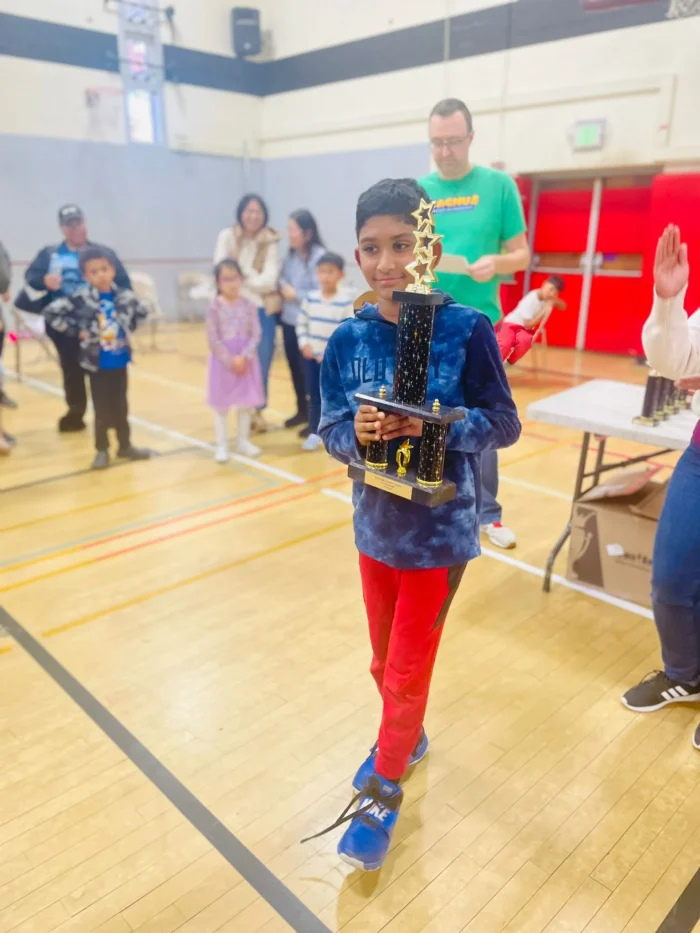
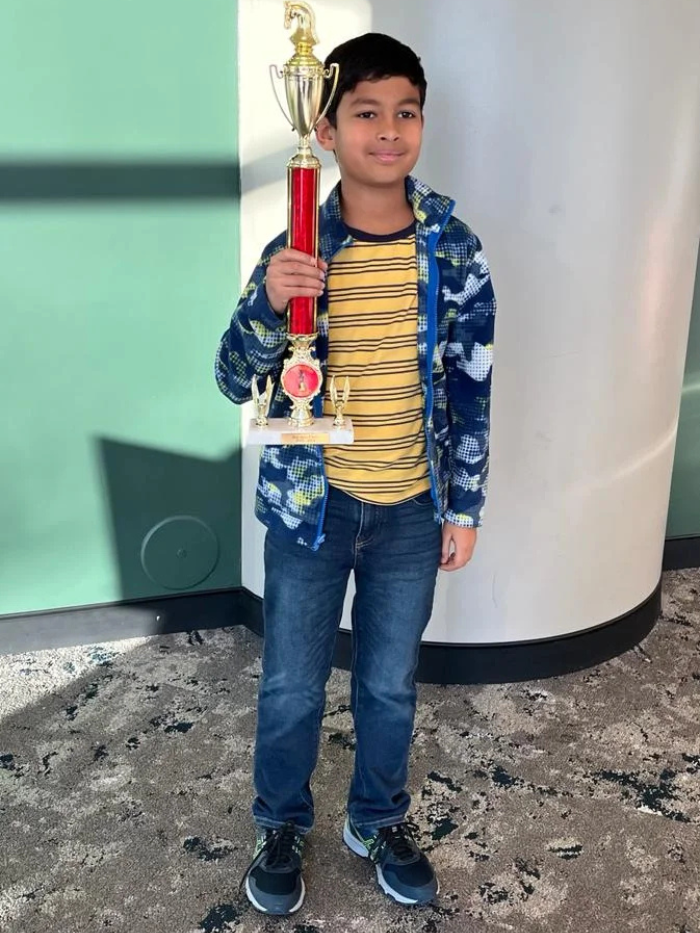
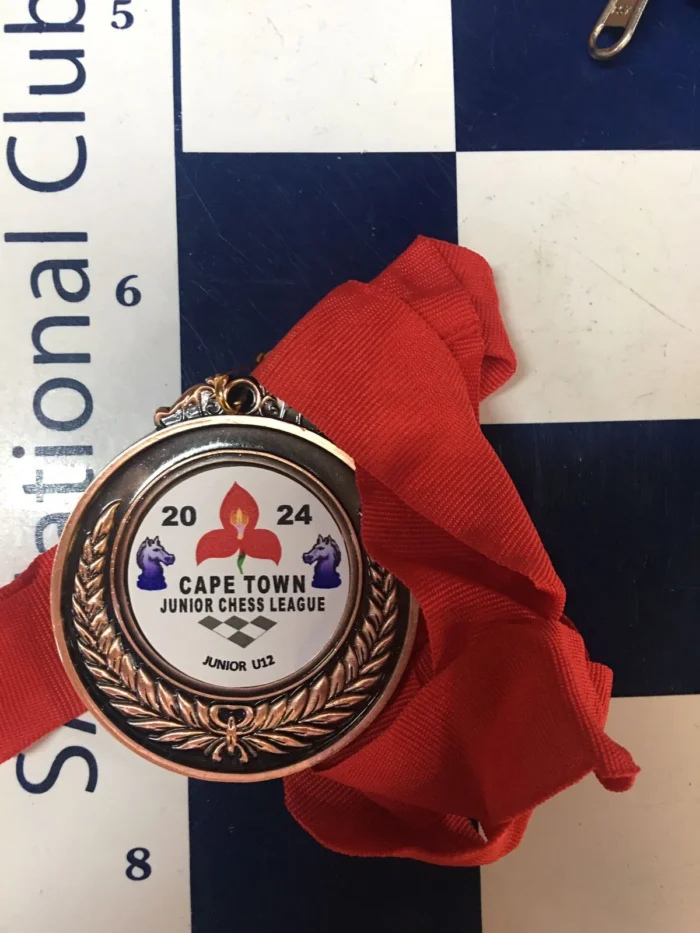
Student Achievements
Making an Impact: 🏆 Student Achievements That Shine | 🌱 Your Growth. Our Mission.
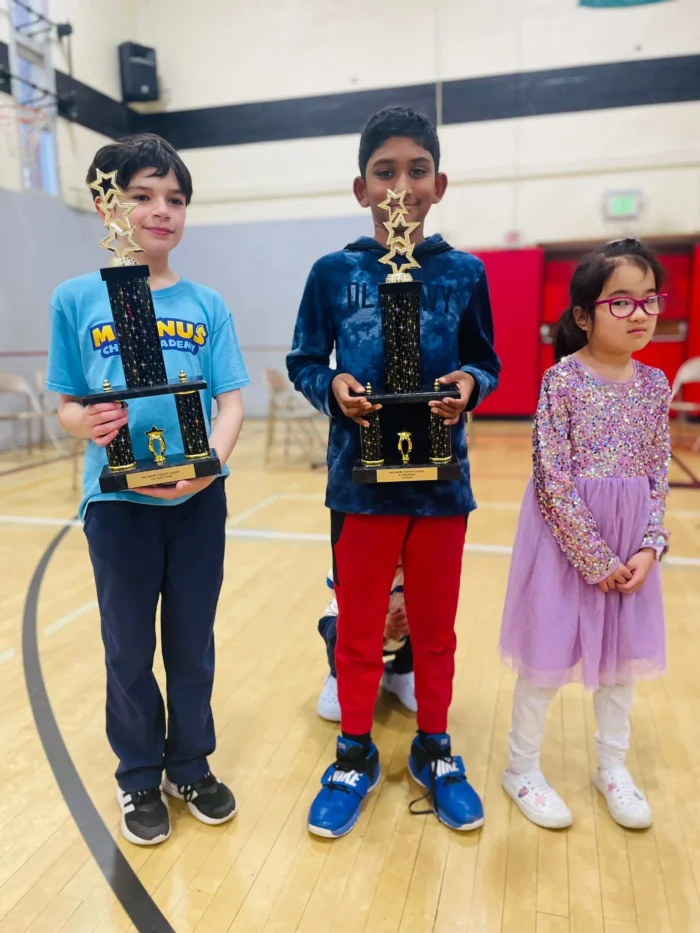
What Our Parents Say About Us
👪 Real Results. Real Parent Voices. 🏆 Futures Built with Care

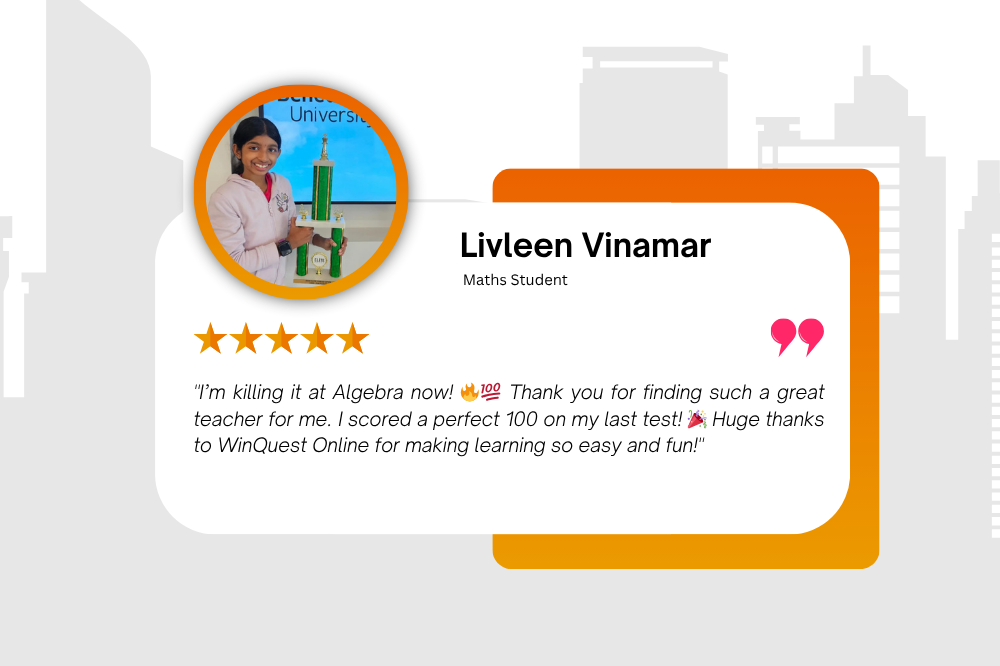
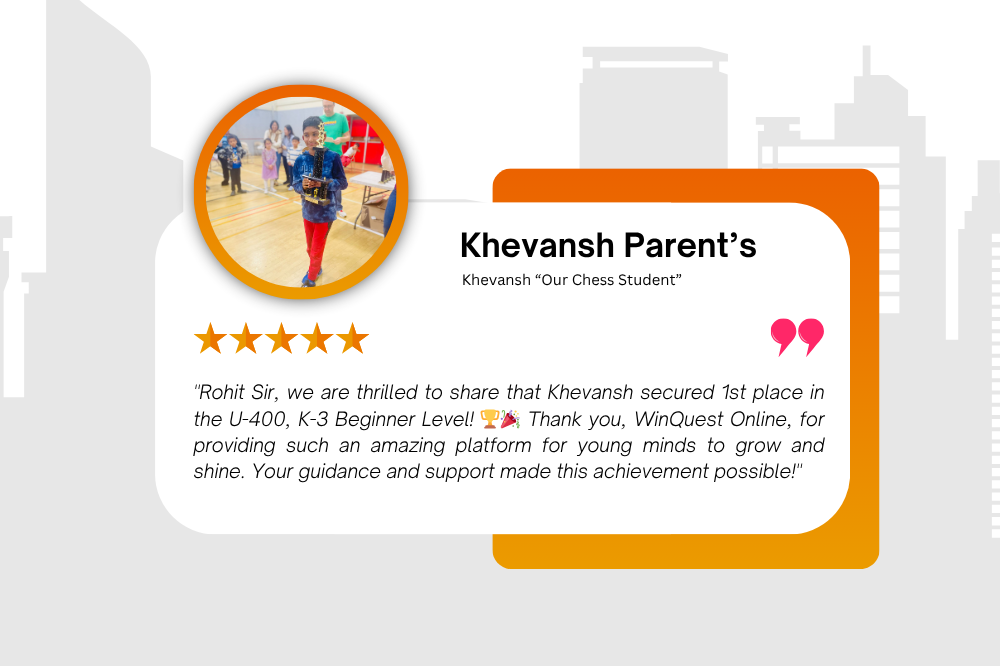
Parent Testimonials
Success Stories That Speak 🌟🎓 Wins That Inspire Pride 🏆
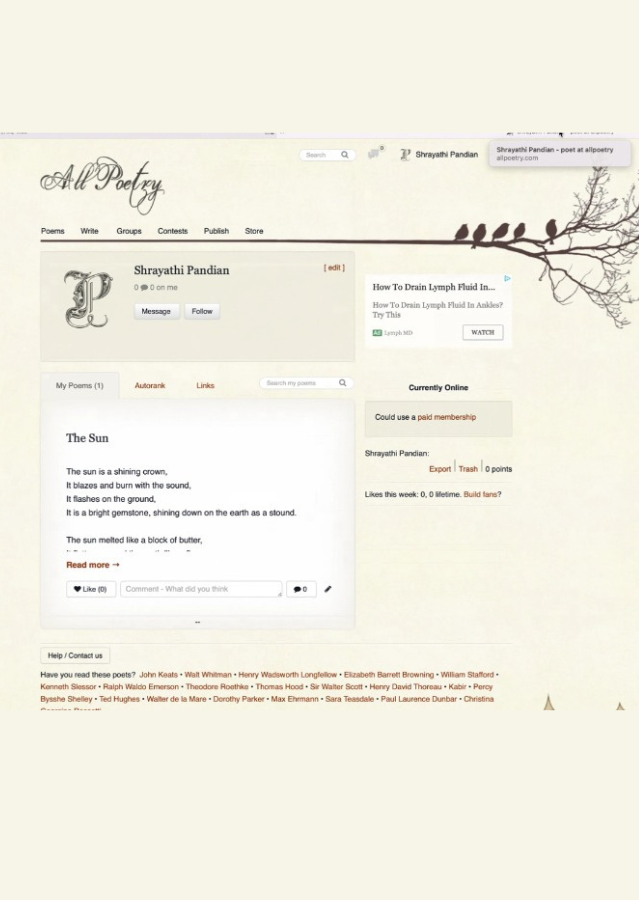
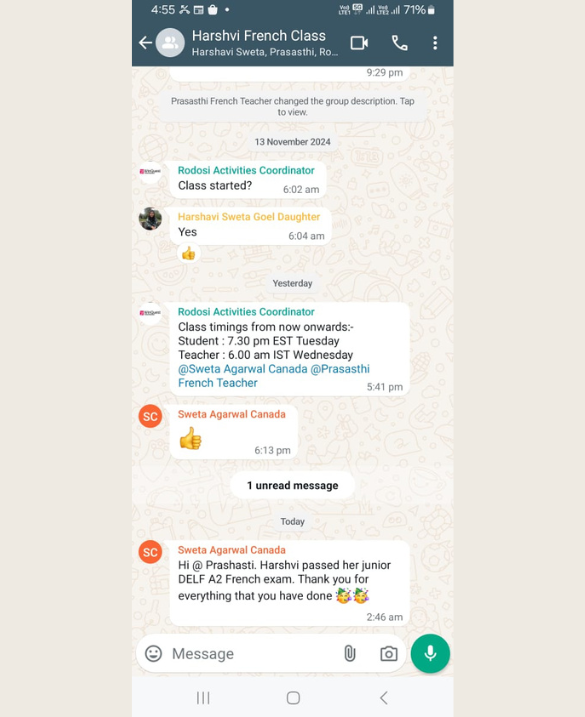
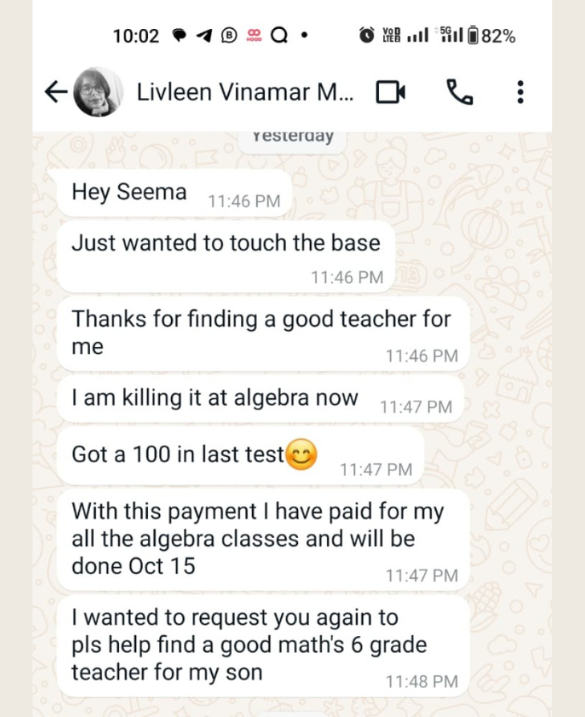
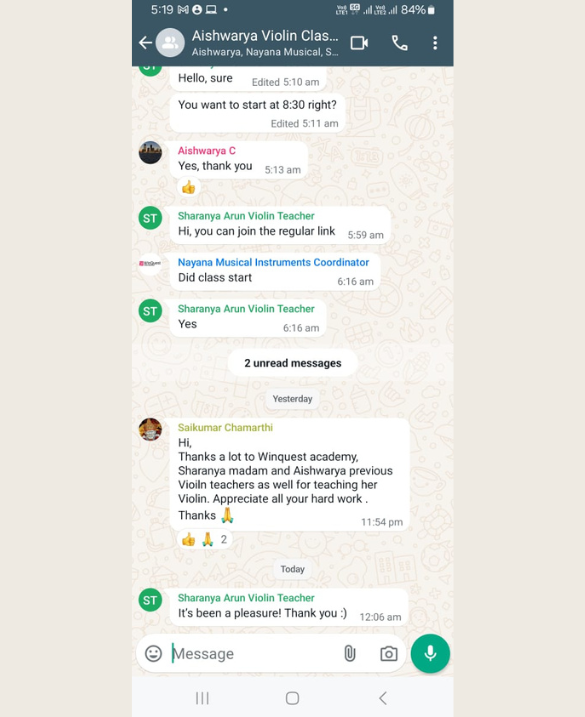
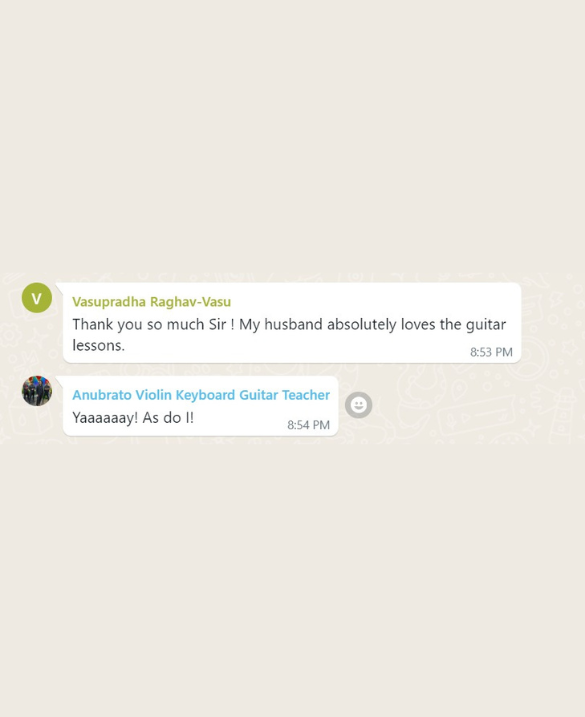
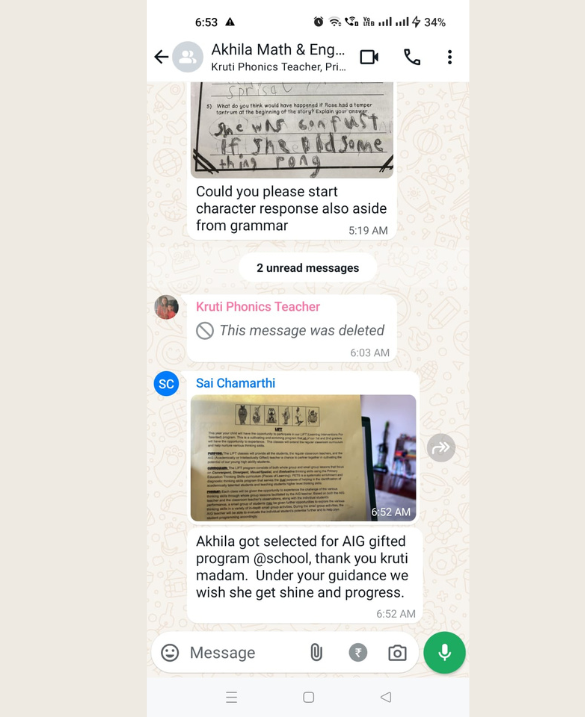
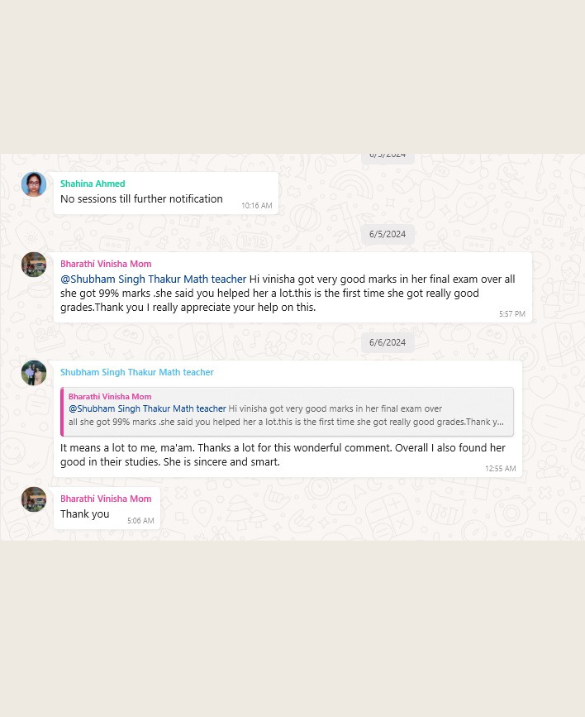
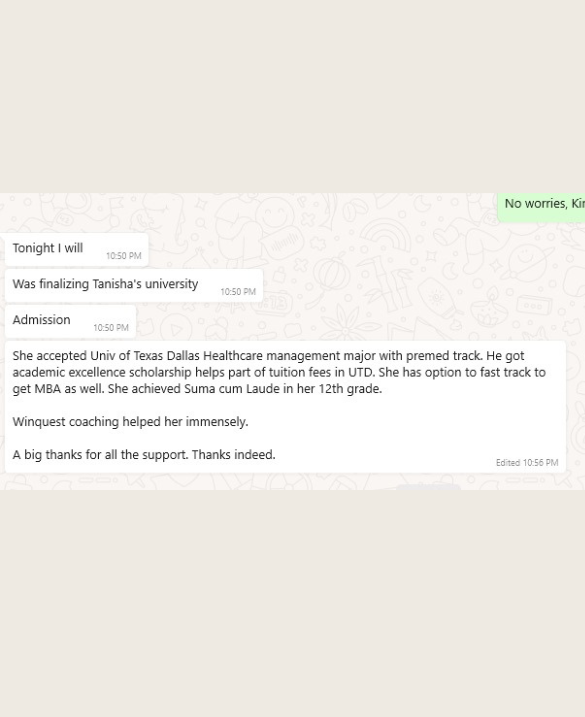
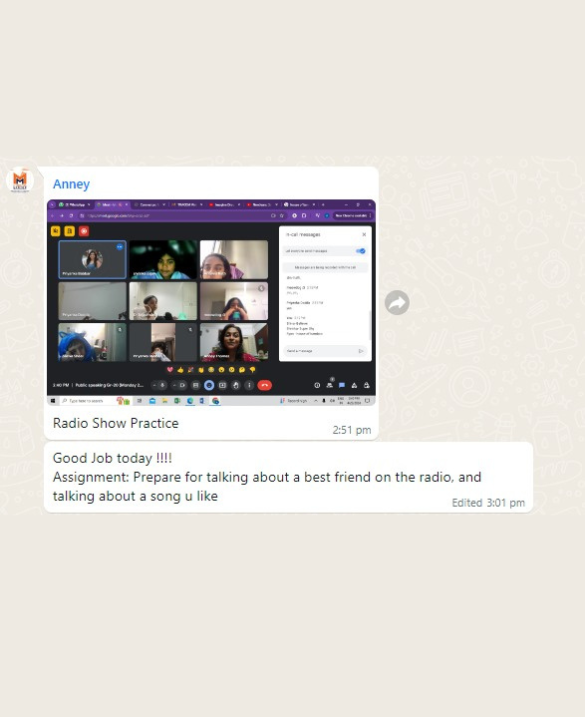
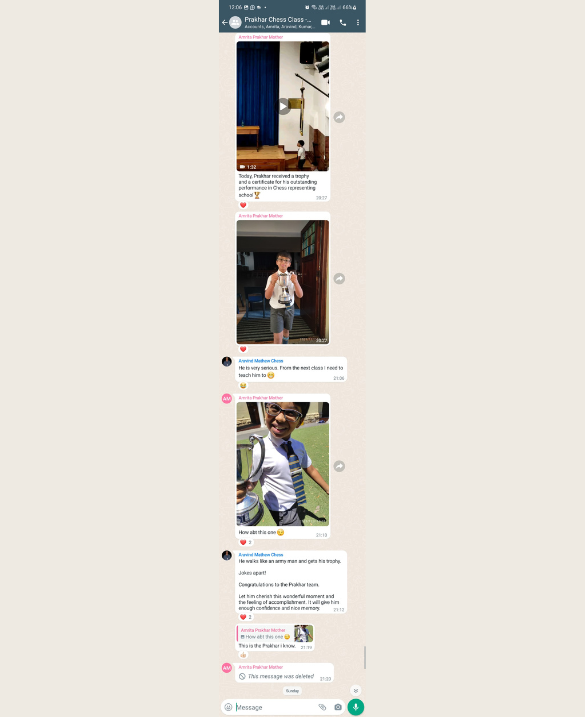
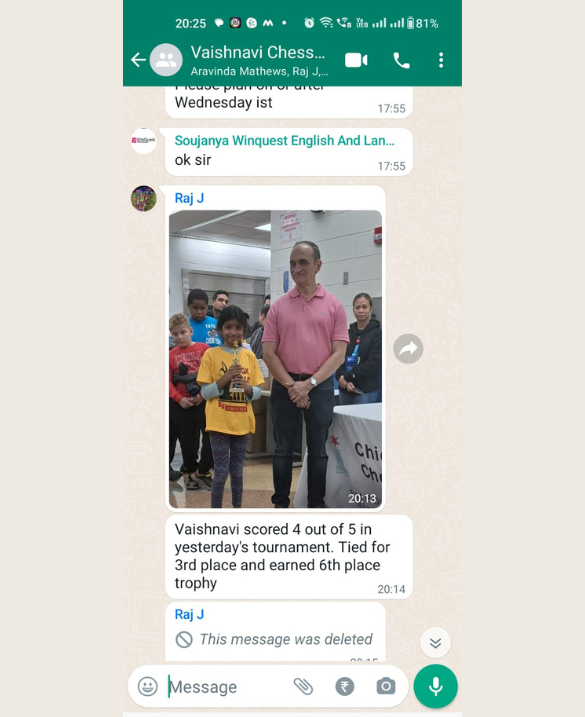
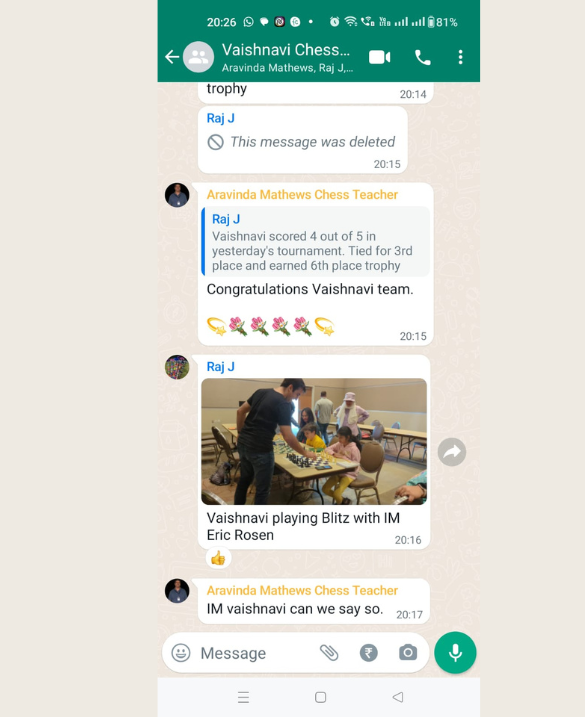
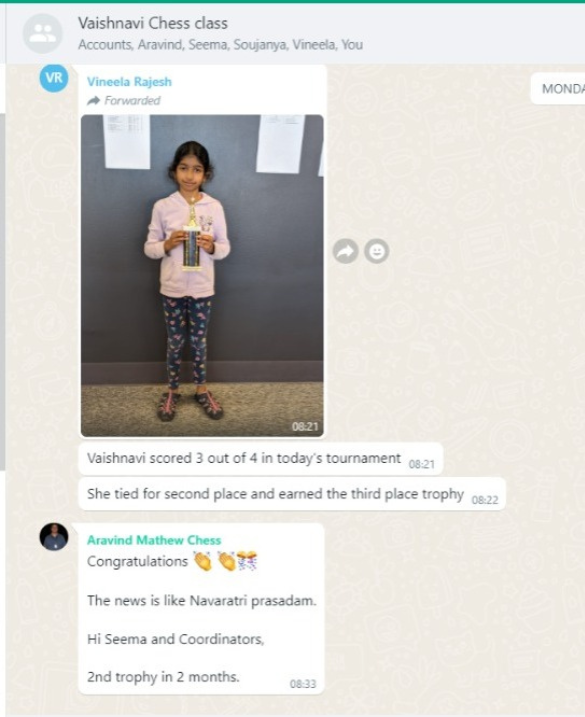
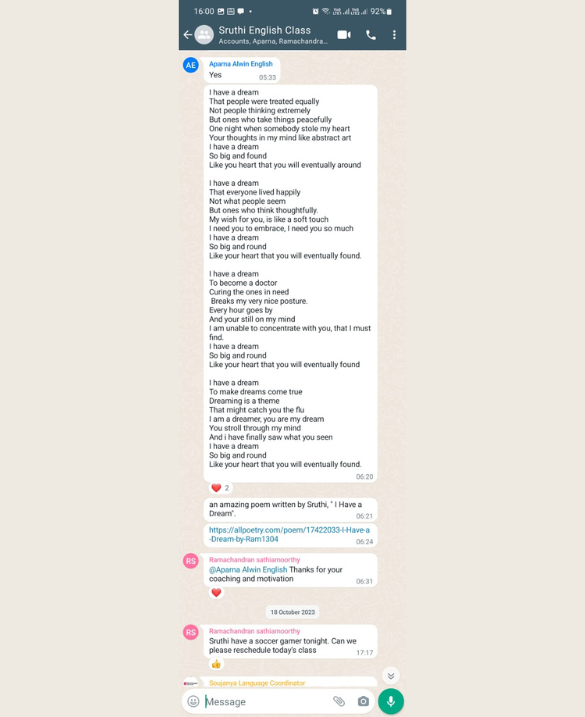
WhatsApp Testimonials
Real Voices from Our WhatsApp Community 💚📚

Latest News and Resources
📰 Learning Updates | 📘 Tips | 🎓 Resources | 💻 Online Courses