


Course Details
Science Grade 9-10
Science Grade 9-10
Why Choose Online Science Grade 9-10 Classes?
Overview
Science Grade 9-10 is high-school integrated / combined Science - the foundation for IGCSE Combined or Co-ordinated Sciences, CBSE / ICSE Class 9-10 Science (Phys + Chem + Bio), Ontario SNC1D / SNC2D, Australian v9.0 Year 9-10, NGSS HS, Cambridge Lower Sec 9, and Singapore O-level Combined Science.
What You'll Learn
- Live interactive sessions
- 1st one-on-one session
- Comprehensive curriculum
- No long-term commitment
- Personalized learning plan
Grade 9
HS-PS: Physical Science+
- Structure of atoms (nucleus with protons + neutrons; electrons in shells / orbitals) and the periodic table (118 elements arranged by atomic number).
- Chemical reactions (atoms rearrange; conservation of mass) and stoichiometry (mole ratios, limiting reagents, percent yield).
- Energy in chemical processes - exothermic (release energy: combustion) vs endothermic (absorb energy: photosynthesis); enthalpy changes.
HS-LS: Life Science+
- Cell structure (nucleus, mitochondria, ER, Golgi, ribosomes, membrane) and function (metabolism, reproduction, response).
- Inheritance (Mendelian: dominant + recessive; sex-linked) and variation of traits (mutation, genetic recombination).
- Ecosystem dynamics (energy flow, nutrient cycles, succession) and stability (resilience, biodiversity, disturbance).
HS-ESS: Earth & Space+
- Earth's place in the universe - solar system in Milky Way galaxy; Big Bang origin; expanding universe.
- Earth's systems (atmosphere, hydrosphere, geosphere, biosphere) and history (4.6 billion years; eras).
- Earth and human activity - global climate change, biodiversity loss, resource use; sustainability.
Biology - Sustainable Ecosystems+
- Biotic factors (living things - producers, consumers, decomposers) and abiotic factors (sun, water, soil, temp).
- Biodiversity (variety of life: species, genetic, ecosystem) and human impact (habitat loss, climate change, pollution).
- Sustainable practices - renewable resources, conservation, reduce-reuse-recycle, sustainable agriculture.
Chemistry - Atoms, Elements, Compounds+
- Atomic theory (Dalton, Thomson, Rutherford, Bohr) and the periodic table (groups, periods, families).
- Ionic compounds (metal + non-metal; ions: cations / anions) and covalent compounds (shared electrons; non-metals).
- Chemical reactions - balancing equations (atoms conserved on both sides; balance using coefficients).
Physics - Static Electricity & Current+
- Static electricity (charges at rest; charge by rubbing, conduction, induction; Coulomb's law intro).
- Current electricity (charge flow) and Ohm's law (V = IR; voltage in volts, current in amperes, resistance in ohms).
- Series circuits (single loop, current same throughout) and parallel circuits (branches, voltage same across each).
Earth & Space - The Universe+
- Structure of the universe (clusters, galaxies, stars, planets) and galaxies (Milky Way is spiral, has 100B+ stars).
- Stars and their life cycles - nebula -> main sequence -> red giant -> white dwarf / neutron star / black hole.
- Solar system formation (4.6 BYA from rotating nebula; planets accreted from disc material).
Biological Sciences+
- Multi-cellular organisms - coordination (nervous, endocrine systems) and regulation (homeostasis: temp, glucose).
- Ecosystems - matter flow (carbon, nitrogen cycles) and energy flow (sun -> producers -> consumers, with heat lost).
- Reproduction (asexual: 1 parent; sexual: 2 parents, meiosis, fertilization) and inheritance (genes, alleles, Mendel).
Chemical Sciences+
- Atomic structure (nucleus: protons + neutrons; electrons in shells) and the periodic table (groups, periods, trends).
- Chemical reactions (atoms rearrange; balanced equations) and bonding (ionic: transfer; covalent: share; metallic: sea of electrons).
- Energy changes in chemical reactions - exothermic (release heat: combustion) vs endothermic (absorb heat: photosynthesis).
Earth & Space Sciences+
- Plate tectonics (Earth's lithosphere in moving plates) and geological events (earthquakes, volcanoes, mountain building).
- Earth's history (4.6 BYA; eons, eras, periods) and rock record (fossils tell history; superposition principle).
- Human impact on Earth's systems - climate change, deforestation, ocean acidification, ozone depletion.
Physical Sciences+
- Energy transfer - electromagnetic (light), sound (waves), electric (current) - all forms of energy transmission.
- Newton's laws of motion - 1st (inertia), 2nd (F = ma), 3rd (action-reaction pairs).
- Conservation of energy - energy cannot be created or destroyed, only transformed; total energy constant in closed system.
Physics+
- Motion - distance (path length, scalar), displacement (straight line, vector), speed (distance/time), velocity (displacement/time).
- Force (push/pull) and laws of motion - Newton's 1st (inertia), 2nd (F = ma), 3rd (action-reaction).
- Gravitation - Newton's law of universal gravitation (F = Gm1m2/r^2), free fall (g = 9.8 m/s^2 on Earth).
- Work (W = F.d, joules), energy (KE = 1/2 mv^2, PE = mgh), power (P = W/t, watts).
- Sound - production (vibrations), propagation (waves in medium), characteristics (pitch, loudness, quality).
Chemistry+
- Matter in our surroundings - states (solid, liquid, gas, plasma) and properties (mass, volume, density).
- Is matter around us pure - mixtures (homogeneous vs heterogeneous), separation (filtration, distillation, chromatography).
- Atoms and molecules - law of constant proportions (compounds have fixed mass ratios); atomic + molecular mass.
- Structure of atom - Bohr model (electrons in fixed orbits); electronic configuration (2, 8, 8, 18 in shells).
Biology+
- Cell - fundamental unit of life; cell theory; prokaryotic vs eukaryotic; plant vs animal; organelles.
- Tissues - plant tissues (meristematic: growth; permanent: parenchyma, collenchyma, sclerenchyma) and animal tissues (epithelial, connective, muscular, nervous).
- Diversity in living organisms - classification (5 kingdoms: Monera, Protista, Fungi, Plantae, Animalia).
- Why do we fall ill - diseases (infectious: COVID, malaria; non-infectious: cancer, diabetes) and health (physical, mental, social).
Physics+
- Measurements and experimentation - SI units (m, kg, s, A, K, mol, cd), measuring instruments, precision and accuracy.
- Motion - laws and equations (v = u + at, s = ut + 1/2 at^2, v^2 = u^2 + 2as for uniform acceleration).
- Laws of motion (Newton's 1st, 2nd, 3rd) and gravitation (F = Gm1m2/r^2; g on Earth = 9.8 m/s^2).
- Pressure in fluids - Pascal's law (pressure transmitted equally); Archimedes' principle (buoyancy = weight of fluid displaced).
- Heat - temperature (kinetic energy of particles) and thermal expansion (solids, liquids, gases expand on heating).
Chemistry+
- Atomic structure - Rutherford (gold foil experiment, dense nucleus) and Bohr models (electrons in fixed orbits).
- Periodic table - Mendeleev (1869, by atomic mass) to modern (by atomic number); periods, groups, families.
- Chemical bonding - ionic (metal + non-metal, electron transfer) and covalent (non-metal + non-metal, electron sharing).
- Acids (pH < 7), bases (pH > 7), salts (neutralisation product); the language of chemistry (symbols, formulae, equations).
Biology+
- Cell - the unit of life; structure (nucleus, mitochondria, ER, Golgi, ribosomes) and function (metabolism, reproduction).
- Tissues - plant (meristematic: apical, lateral, intercalary; permanent: simple, complex) and animal (epithelial, connective, muscular, nervous) in detail.
- Diversity in living world - five kingdoms (Monera, Protista, Fungi, Plantae, Animalia) and their characteristics.
- Plant physiology - nutrition (autotrophic via photosynthesis), respiration (cellular respiration releases ATP from glucose).
Biology (0610)+
- Characteristics and classification of living organisms - 7 life processes (MRS GREN); 5 kingdoms; binomial nomenclature.
- Cells and the chemicals of life - cell structure (plant vs animal vs bacteria); biological molecules (carbs, proteins, lipids).
- Movement in and out of cells - diffusion (passive, down gradient), osmosis (water through membrane), active transport (uses ATP).
Chemistry (0620)+
- States of matter (solid, liquid, gas, plasma); atoms (smallest unit); elements (118); compounds (chemically bonded atoms).
- Stoichiometry (mole ratios from balanced equations) and chemical formulae (subscripts for atoms, brackets for groups).
- Electrochemistry (electrolysis: decomposition using electric current; electrode reactions) and chemical energetics (enthalpy, exo/endo).
Physics (0625)+
- Motion (kinematics: v = u + at; s = ut + 1/2 at^2), forces (Newton's laws; F = ma), energy (KE, PE, work).
- Thermal physics - temperature, heat, specific heat capacity, latent heat, thermal expansion, heat transfer.
- Waves - light (reflection, refraction, EM spectrum) and sound (longitudinal waves, frequency, wavelength, speed).
Co-ordinated / Combined Sciences+
- Combined Sciences 0653 - covers Bio + Chem + Phys at a slightly reduced depth (one combined qualification).
- Co-ordinated Sciences 0654 - covers them as 3 separate qualifications (more depth per subject; double award).
- Choice depends on the school - we cover either path with the same exam strategy and past-paper drilling.
Biology+
- Cells and microscopy - cell theory (3 principles), light vs electron microscope, slide preparation, magnification.
- Photosynthesis (6CO2 + 6H2O + sunlight -> C6H12O6 + 6O2; chlorophyll, light, dark reactions) and respiration (aerobic vs anaerobic).
- Variation (continuous: height; discontinuous: blood type) and natural selection (Darwin's theory; differential survival).
Chemistry+
- Periodic table (118 elements; groups + periods; reactivity trends) and atomic structure (electrons, protons, neutrons; shells).
- Chemical reactions and equations - word equations, symbol equations, balanced equations (conservation of atoms).
- Acids (pH < 7, H+ donors), bases (pH > 7, OH- producers), salts (neutralisation), electrolysis (intro - decompose using current).
Physics+
- Forces and motion - Newton's laws (1st: inertia, 2nd: F = ma, 3rd: action-reaction); kinematics equations.
- Energy - work (W = F.d), power (P = W/t), efficiency (useful output / total input, expressed as %).
- Light (reflection, refraction, EM spectrum), sound (longitudinal waves), and waves (transverse: light; longitudinal: sound).
Earth & Space+
- Earth's structure (crust, mantle, outer + inner core) and plate tectonics (continental drift, sea-floor spreading, plate boundaries).
- Climate (long-term pattern: tropical, polar, temperate) and weather (daily: temperature, pressure, humidity, wind).
- Solar system (sun + 8 planets + asteroids + Kuiper belt) and beyond (Milky Way, galaxies, universe).
Biology+
- Diversity of life and classification - 5 kingdoms (Monera, Protista, Fungi, Plantae, Animalia); binomial nomenclature.
- Cells (basic unit), tissues (similar cells), organs (e.g., heart, lungs), systems (organs working together).
- Nutrition (autotrophic in plants via photosynthesis; heterotrophic in animals), transport (xylem/phloem in plants; blood in humans), respiration.
Chemistry+
- Particle theory (all matter made of tiny particles in motion) and states of matter (solid, liquid, gas, plasma).
- Atomic structure (protons, neutrons in nucleus; electrons in shells) and bonding (ionic, covalent, metallic).
- Chemical reactions and stoichiometry - balancing equations, mole concept, limiting reagents, percent yield.
Physics+
- Measurement (SI units: m, kg, s, A, K, mol, cd) and kinematics (motion equations: v = u + at; s = ut + 1/2 at^2).
- Forces (push/pull, contact, non-contact) and Newton's laws (1st: inertia, 2nd: F = ma, 3rd: action-reaction).
- Energy (KE, PE, conservation), work (W = F.d, joules), power (P = W/t, watts); heat (specific heat capacity, latent heat).
Practical Skills+
- Conducting and recording experiments - hypothesis, variables (independent, dependent, controlled), method, results.
- Data analysis (tables, graphs, statistical methods) and conclusions (interpret results, evaluate, suggest improvements).
- Lab safety - PPE (goggles, gloves, lab coat), handling chemicals, emergency procedures, MSDS sheets.
Grade 10
Physics - Mechanics & Waves+
- Kinematics (1D and 2D motion equations) and Newton's laws in depth (free-body diagrams, friction, normal force).
- Energy conservation (mechanical, total energy constant) and momentum (p = mv, conservation in collisions).
- Waves - electromagnetic (radio, microwave, IR, visible, UV, X-ray, gamma) and mechanical (sound, water waves).
Chemistry - Reactions & Equilibrium+
- Reaction stoichiometry (mole ratios from balanced equations) and limiting reagents (which runs out first).
- Acids (Bronsted-Lowry H+ donors), bases (H+ acceptors) and equilibrium (dynamic state; Le Chatelier's principle).
- Thermodynamics (enthalpy, entropy, Gibbs free energy) and kinetics (reaction rate factors: concentration, temperature, catalysts).
Biology - Cells to Ecosystems+
- Cellular processes - photosynthesis (light and dark reactions; Calvin cycle), respiration (glycolysis, Krebs, ETC, ATP yield).
- Genetics (Mendelian, codominance, sex-linked) and protein synthesis (DNA -> RNA via transcription -> protein via translation).
- Evolution (natural selection, genetic drift, gene flow) and biodiversity (species richness, ecosystem stability).
Biology - Tissues, Organs & Systems+
- Plant tissues (meristematic, parenchyma, collenchyma, sclerenchyma, xylem, phloem) and animal tissues (epithelial, connective, muscular, nervous).
- Human body systems - integration (how digestive, circulatory, respiratory, nervous, endocrine systems work together).
- Stem cells (undifferentiated cells; embryonic vs adult) and biotechnology (genetic engineering, cloning, vaccines, GMOs).
Chemistry - Reactions+
- Types of chemical reactions - combination, decomposition, single displacement, double displacement, combustion, redox.
- Balancing chemical equations - ensure same number of each atom on both sides; using coefficients.
- Stoichiometry (mole ratios) and yield (theoretical, actual, percent yield) - quantitative reaction analysis.
Physics - Light & Geometric Optics+
- Reflection of light (laws: angle of incidence = angle of reflection) and refraction (Snell's law: n1 sin theta1 = n2 sin theta2).
- Lenses (convex: converging; concave: diverging) and image formation (real, virtual, magnified, inverted, diminished).
- Optical instruments - magnifying glass, microscope (compound, electron), telescope (refracting, reflecting), camera, projector.
Climate Change+
- Earth's climate system - atmosphere, oceans, land, ice, biosphere interact to determine weather and climate.
- Greenhouse effect (CO2, CH4, H2O vapour trap heat) and global warming (rising temperatures due to human GHG emissions).
- Climate change mitigation - renewable energy, carbon capture, electric vehicles, reforestation, energy efficiency.
Biological Sciences+
- Evolution and natural selection - Darwin's theory; evidence (fossils, anatomy, embryology, DNA); microevolution.
- DNA (double helix, A-T, G-C base pairing) and genetics (genes, alleles, chromosomes; Mendelian inheritance).
- Transmission of inherited characteristics - dominant vs recessive, sex-linked, codominance, incomplete dominance.
Chemical Sciences+
- Chemical reactions - types (combination, decomposition, displacement, double displacement) and rates (collision theory, factors).
- Acids (donate H+) and bases (accept H+); strong vs weak; pH scale (0-14); neutralisation reactions.
- Use of chemicals in everyday life - food preservation, cleaning, medicines, agriculture (fertilizers, pesticides).
Earth & Space Sciences+
- Global systems - atmosphere (layers: troposphere to thermosphere), hydrosphere (oceans, rivers, ice caps).
- Theories of universe origin and structure - Big Bang (13.8 BYA), expansion (Hubble), structure (galaxies, clusters).
- Climate change (rising temps, sea level, extreme weather) and renewable energy (solar, wind, hydro, geothermal).
Physical Sciences+
- Energy conservation (total energy constant in closed system); energy transfers in living systems (food chains, ATP).
- Motion - acceleration (a = dv/dt), momentum (p = mv) - 10A optional; impulse, conservation of momentum.
- Light (reflection, refraction, EM spectrum), sound (longitudinal waves), and EM spectrum (radio to gamma).
Physics+
- Light - reflection (laws), refraction (Snell's law); lenses (convex, concave; lens formula 1/f = 1/v + 1/u; magnification).
- Human eye (cornea, iris, lens, retina) and the colourful world (dispersion through prism, rainbow, atmospheric refraction).
- Electricity - current (I = Q/t), voltage (V = W/Q), resistance (R = V/I), Ohm's law (V = IR; resistors in series, parallel).
- Magnetic effects of electric current - electromagnetic induction (Faraday's law; AC and DC generators; motors).
- Sources of energy - conventional (fossil fuels, hydro, nuclear) and non-conventional (solar, wind, biogas, geothermal).
Chemistry+
- Chemical reactions and equations; types (combination, decomposition, displacement, double displacement, oxidation-reduction).
- Acids (sour, pH < 7, H+ donors), bases (bitter, pH > 7), salts (neutralisation products); pH scale and indicators.
- Metals (lustre, malleability, conductivity) and non-metals (brittle, non-conductors); reactivity series (K, Na, Ca, Mg... Au).
- Carbon and its compounds - hydrocarbons (alkanes, alkenes, alkynes), functional groups (-OH, -COOH, -CHO, -NH2).
- Periodic classification of elements - history (Newlands, Mendeleev, modern); periodic trends (atomic radius, electronegativity).
Biology+
- Life processes - nutrition (autotrophic photosynthesis; heterotrophic), respiration (aerobic, anaerobic), transportation, excretion.
- Control and coordination - nervous system (CNS, PNS; reflex arc) and endocrine system (hormones from pituitary, thyroid, etc.).
- How do organisms reproduce (asexual: fission, budding; sexual: gametes, fertilization); heredity and evolution.
- Our environment - food chains (producers -> herbivores -> carnivores), ecosystems (community + environment), conservation.
Physics+
- Force (push/pull, F = ma), work (W = F.d, joules), energy (KE, PE, conservation), power (P = W/t, watts).
- Machines - mechanical advantage (load / effort), efficiency (useful output / total input), simple machines (lever, pulley, etc.).
- Refraction of light - Snell's law (n1 sin theta1 = n2 sin theta2), lenses (convex, concave), prisms (dispersion).
- Sound - waves (longitudinal), frequency (Hz), pitch (high f = high pitch), loudness (depends on amplitude).
- Current electricity - Ohm's law (V = IR), circuits (series, parallel), magnetism (poles, fields, electromagnets).
Chemistry+
- Periodic table (18 groups, 7 periods, s/p/d/f blocks) and atomic structure (subatomic particles, isotopes, electronic config).
- Chemical bonding - ionic (electron transfer), covalent (electron sharing), metallic (sea of electrons); types of reactions.
- Acids (pH < 7), bases (pH > 7), salts (neutralisation); analytical chemistry intro - identifying ions (flame tests, precipitation).
- Mole concept (1 mole = 6.022 x 10^23 particles) and stoichiometry (mole ratios from balanced equations).
- Carbon compounds (organic), ammonia (NH3 - Haber process), sulphuric acid (H2SO4 - Contact process); industrial chemistry.
Biology+
- Cell cycle - mitosis (somatic cells, identical daughters) and meiosis (gametes, halved chromosomes); Mendelian genetics.
- Plant physiology - transpiration (water loss from stomata), photosynthesis (light and dark reactions; ATP, NADPH).
- Human physiology - circulation (heart, blood vessels), excretion (kidneys, nephron), nervous (CNS, PNS, neurons), endocrine (hormones).
- Reproductive system (male: testes, sperm; female: ovaries, eggs, uterus); pollution (air, water, soil, noise) and health.
IGCSE Biology (0610) Extended+
- Respiration (aerobic vs anaerobic; word + symbol equations), gas exchange (lungs, leaves), transport (blood, xylem, phloem).
- Co-ordination (nervous + endocrine systems); response (reflex arc, hormonal); drugs (medicinal, recreational, effects).
- Reproduction (sexual + asexual); inheritance (Mendelian, codominance, sex-linked); biotechnology (genetic engineering, cloning).
IGCSE Chemistry (0620) Extended+
- Stoichiometry and the mole (1 mole = 6.022 x 10^23 particles); electrolysis (decomposition using electric current).
- Acids and bases (Bronsted-Lowry); redox reactions (oxidation: lose e-, reduction: gain e-); reaction rates (factors).
- Organic chemistry - hydrocarbons (alkanes, alkenes), alcohols (-OH), carboxylic acids (-COOH); functional groups.
IGCSE Physics (0625) Extended+
- Forces (vectors, F = ma), motion (kinematics: v = u + at; v^2 = u^2 + 2as), energy (KE, PE), momentum (p = mv).
- Thermal physics in detail - temperature, heat, specific heat capacity, latent heat, gas laws (Boyle's, Charles's).
- Electricity (current, voltage, resistance), magnetism (poles, fields), electromagnetism (Lenz's law, transformers).
Past Paper Practice+
- 4 Bio (0610) + 4 Chem (0620) + 4 Phys (0625) mocks (full Papers 4 + 6) under exam conditions.
- Alternative to practical paper (Paper 6) practice - data analysis, drawing apparatus, planning experiments.
- A* targeting (>= 90%) and time management - 90 minutes per paper; allocate time per question.
Note+
- For Grade 10 / Year 11, Cambridge-pathway students sit IGCSE Sciences (separate or combined / co-ordinated).
- See the IGCSE 0610 Bio / 0620 Chem / 0625 Phys Extended column above for the syllabus and exam structure.
- Coursework / examination preparation runs through Year 10 and 11; May and October exam sessions.
Biology (Pure 6093)+
- Photosynthesis (6CO2 + 6H2O + sunlight -> C6H12O6 + 6O2; light + dark reactions) and respiration (cellular respiration; ATP).
- Human physiology - digestion (mouth -> stomach -> intestines), circulation (heart, blood, vessels), excretion (kidneys).
- Genetics (Mendelian, codominance, sex-linked), inheritance (genes, alleles, chromosomes), reproduction (gametes).
Chemistry (Pure 6092)+
- Chemical bonding (ionic: electron transfer; covalent: sharing; metallic: sea of e-) and structure (molecular geometry).
- Mole concept (Avogadro number 6.022 x 10^23) and stoichiometry (mole ratios from balanced equations).
- Acids (pH < 7), bases (pH > 7), salts (neutralisation); redox (oxidation: lose e-; reduction: gain); organic chemistry intro.
Physics (Pure 6091)+
- Kinematics (motion equations) and dynamics - Newton's laws (1st: inertia, 2nd: F = ma, 3rd: action-reaction).
- Energy (KE = 1/2 mv^2; PE = mgh; conservation), work (W = F.d), power (P = W/t); thermal physics.
- Waves (transverse, longitudinal), electricity (V = IR), magnetism (poles, fields), electromagnetism (Lenz's law).
Practical Paper (Paper 3)+
- Performing experiments under exam conditions (Paper 3) - following protocols, accurate measurements, safety.
- Drawing diagrams (apparatus, setup) and recording results (tables, graphs, units, significant figures).
- Data analysis (calculations, graph interpretation) and writing conclusions (interpret results, errors, improvements).
Requirements
- A laptop or desktop with stable internet
- Scientific calculator
- Notebook for diagrams and equations
- School Science textbook + past papers for IGCSE / O-level / Board candidates
Reviews
4.9 / 5 ★ · 420+ students enrolled
Parents consistently rate our mentors for personalised attention, clear concepts and steady progress. Book a free demo to experience a class first-hand.
Frequently Asked Questions
How do I get started?+
Click the Book a Demo button on this page and fill in your child's grade and school board (CBSE / ICSE / IGCSE / Cambridge / US Common Core / Singapore MOE etc.). We will schedule a free trial session with a matching tutor. For details, contact our coordinator on WhatsApp at +91 93308 11581 or email contact@winquestonline.com.
Will the tutor follow my child's school board?+
Yes. Every WinQuest tutor is mapped to specific curricula. Before the first class we ask which board your child follows; the tutor uses that board's scope and sequence, supports the school textbook chapter by chapter, and adds worksheets in the board's exam style. We currently support US Common Core, Ontario, Australian v9.0, CBSE (NCERT), ICSE (CISCE), IGCSE 0580 / 0500 / 0610 / 0620 / 0625, Cambridge Primary / Lower Secondary, and Singapore MOE.
How does payment work?+
We require monthly advance payments for the number of classes scheduled in that calendar month. We accept Zelle, PayPal, UPI (for India), Stripe and major credit / debit cards. You can select your preferred payment method during the initial enrolment.
What if my child misses a class?+
For 1:1 sessions we reschedule a make-up at a mutually convenient time at no extra cost (with at least 24 hours notice). For group classes we share a timed recording of the session on parent request, so your child can catch up before the next class.
How long is each class?+
Each class session is 60 minutes long for academic subjects. Frequency is typically twice a week for K-7 grades and 2-3 times a week for high school, based on the board exam timeline and parent preference.
How is progress measured?+
Tutors give written feedback on every homework assignment, run a short formative quiz every 4-6 classes, and a longer chapter test at the end of each topic. Parents receive a monthly progress report covering concept mastery, homework completion and test scores.
What is the class size?+
For 1:1 sessions the class is just your child and the tutor. For group classes we cap each batch at 6-8 students so every learner gets individual attention and can ask questions in real time.
Are the tutors qualified?+
All our tutors are highly qualified subject-matter experts with proven track records - many hold Master's degrees in their subject and several years of school-curriculum teaching experience. Each tutor is interviewed by our academic head before joining and is mapped to specific boards and grades.
What if my child needs to pause for a school break or exam?+
Just let us know in advance. There are no contracts - you can pause for a school holiday or final-exam stretch and resume when the student is ready, with no penalty.
What are the requirements?+
A laptop or desktop with a stable internet connection is required. Pencil, eraser, ruler and a notebook for working out solved problems. For higher grades a basic calculator. The tutor will list any board-specific requirements (textbook, geometry box, etc.) before the first class.
Student Reviews
No reviews yet — be the first to share your experience with this course!
Meet our Teachers
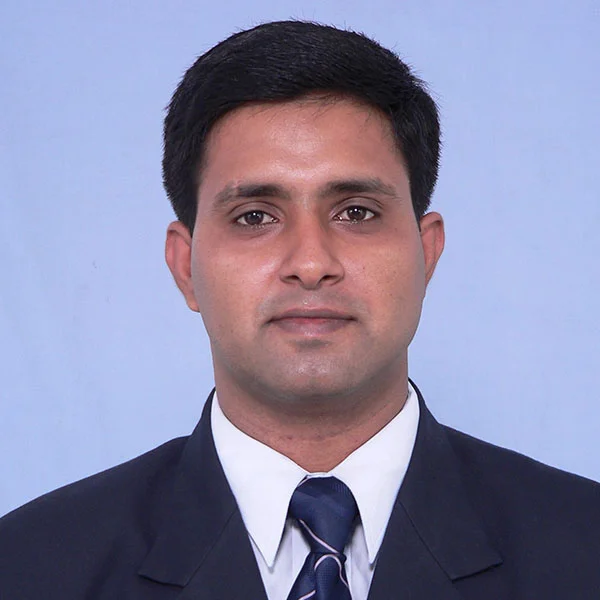
Expert educators who connect, guide, and prepare students with special personalized care ❤️📚✨






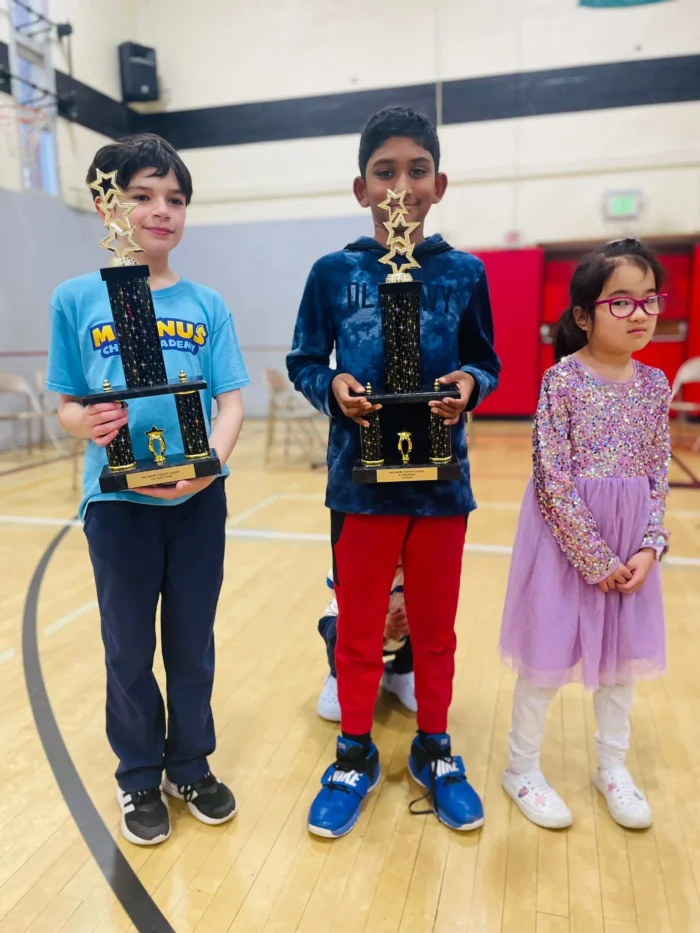
Student Achievements
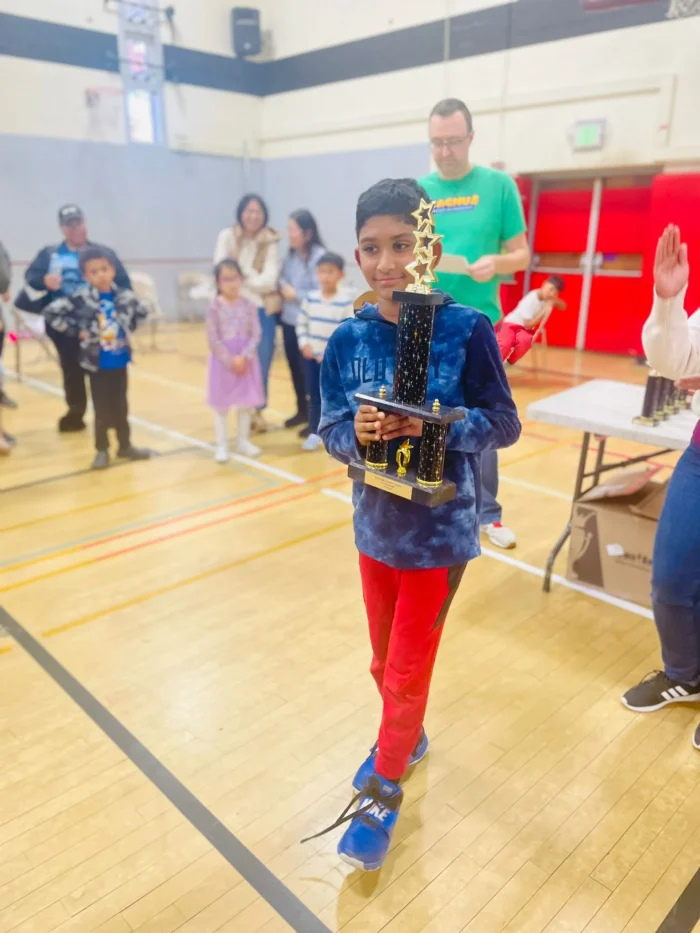
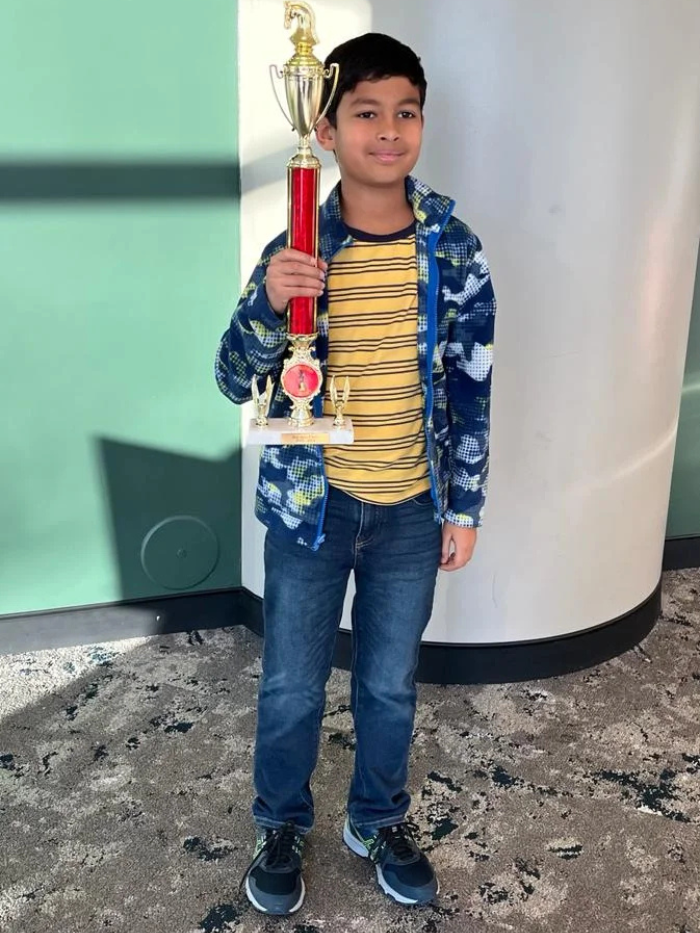
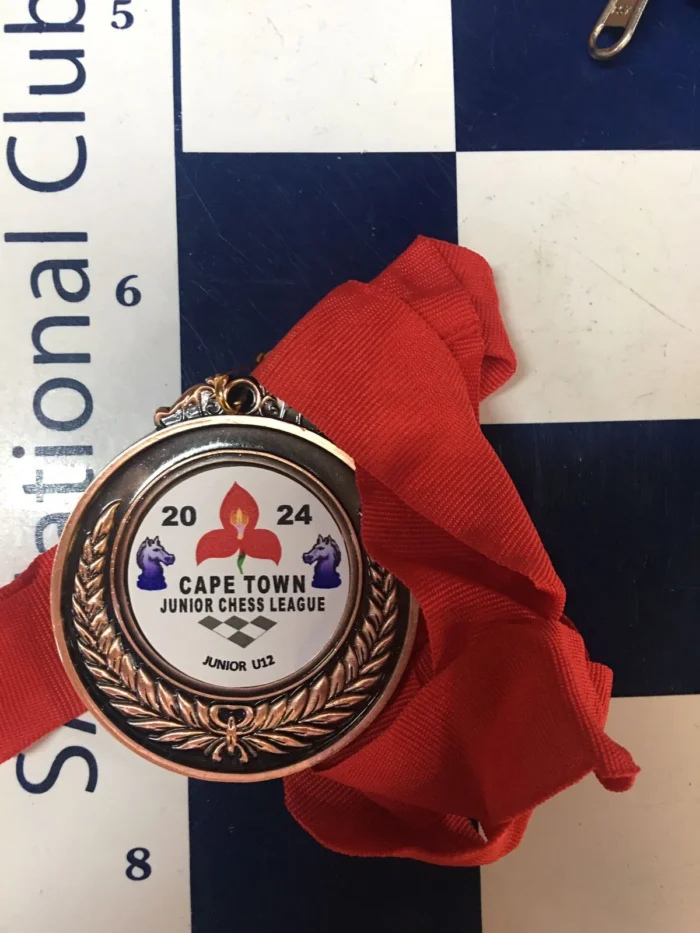
Making an Impact: 🏆 Student Achievements That Shine | 🌱 Your Growth. Our Mission.
What Our Parents Say About Us
👪 Real Results. Real Parent Voices. 🏆 Futures Built with Care

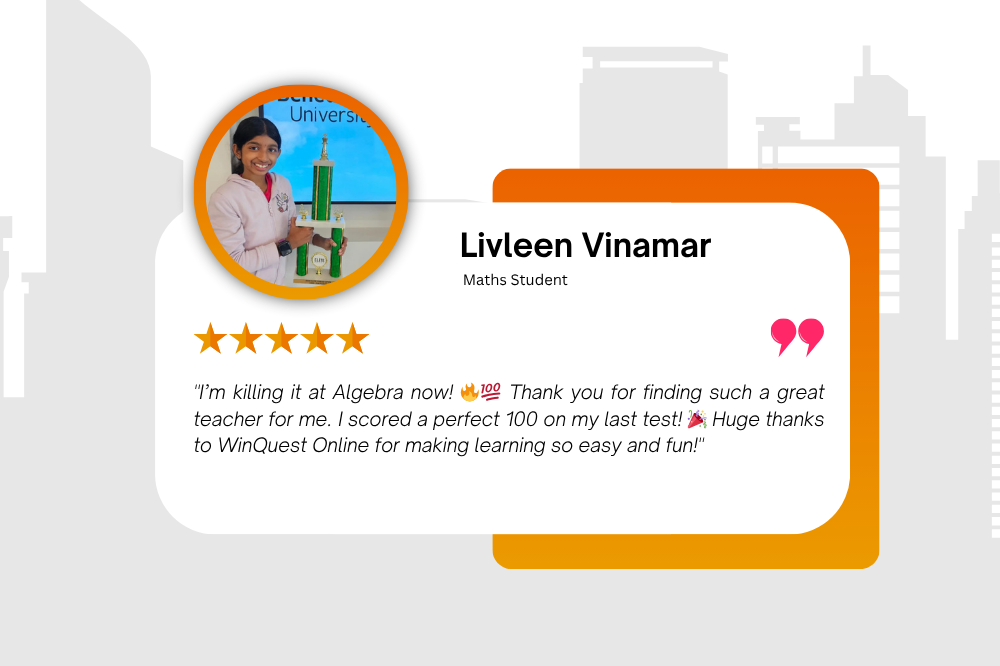
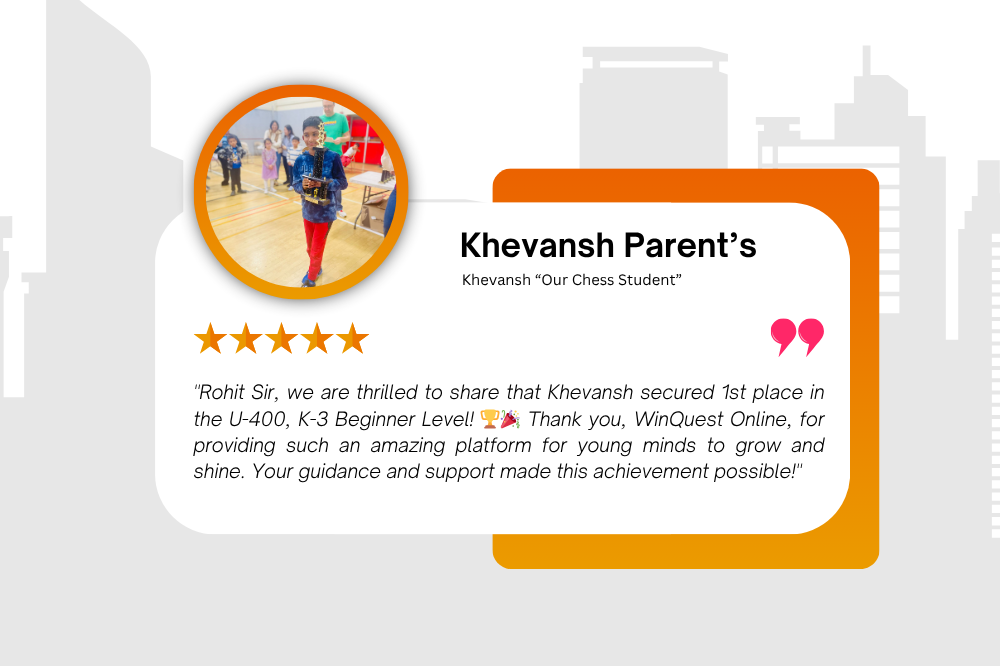
Parent Testimonials
Success Stories That Speak 🌟🎓 Wins That Inspire Pride 🏆
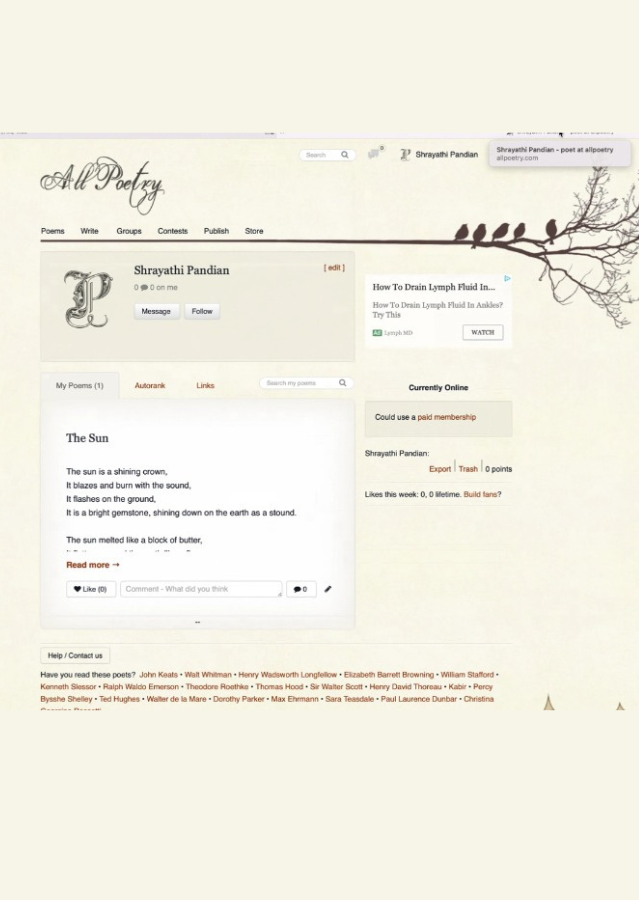
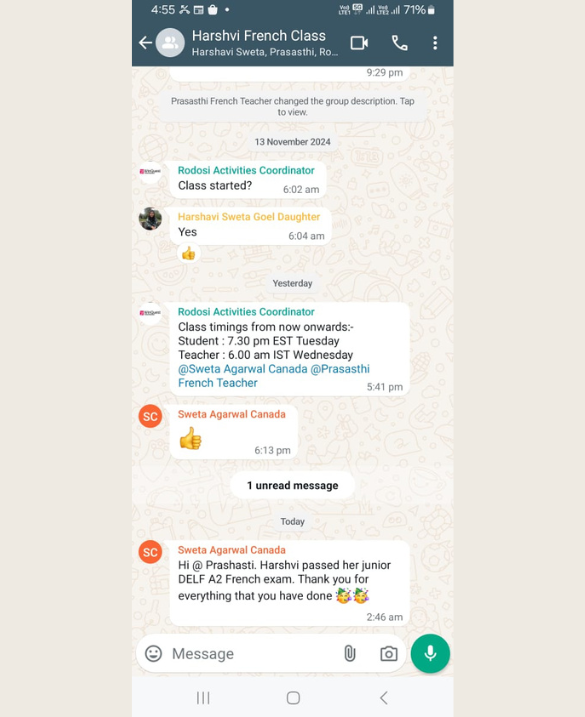
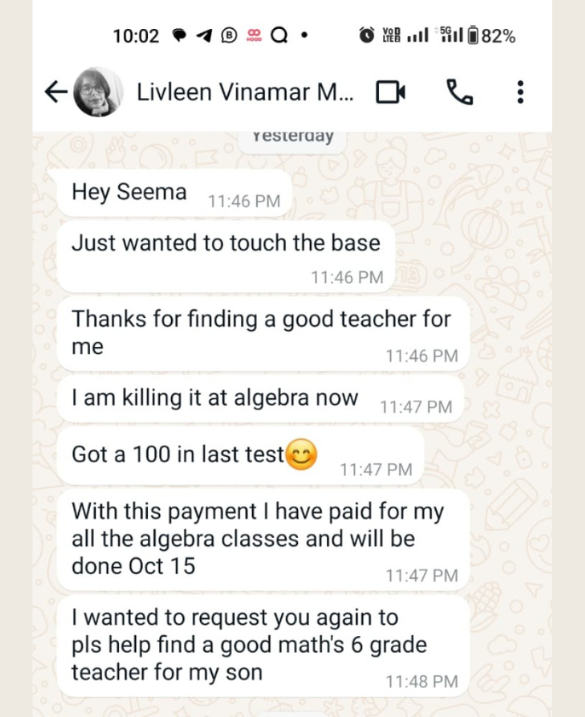
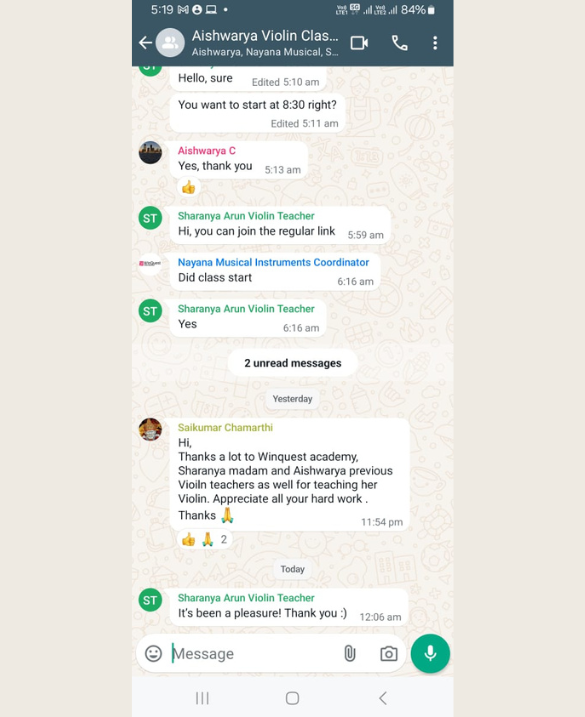
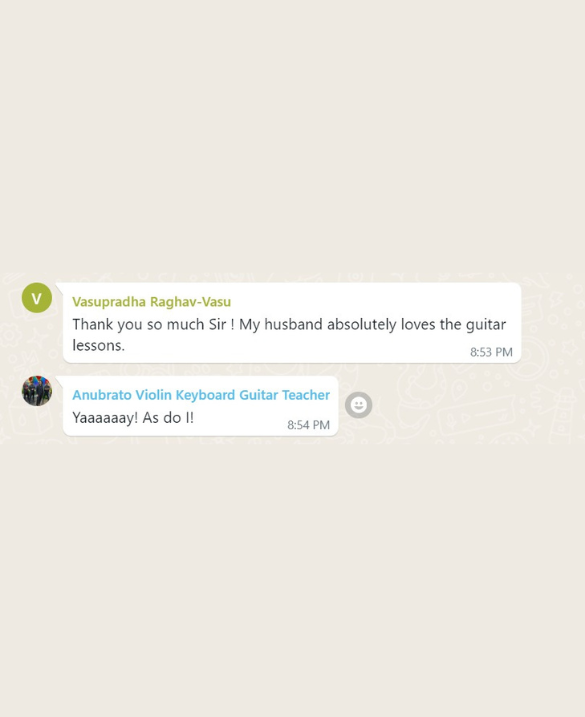
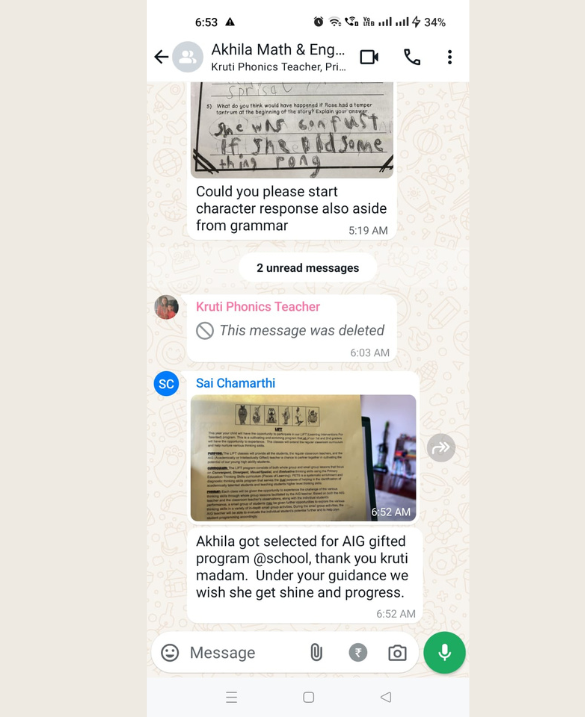
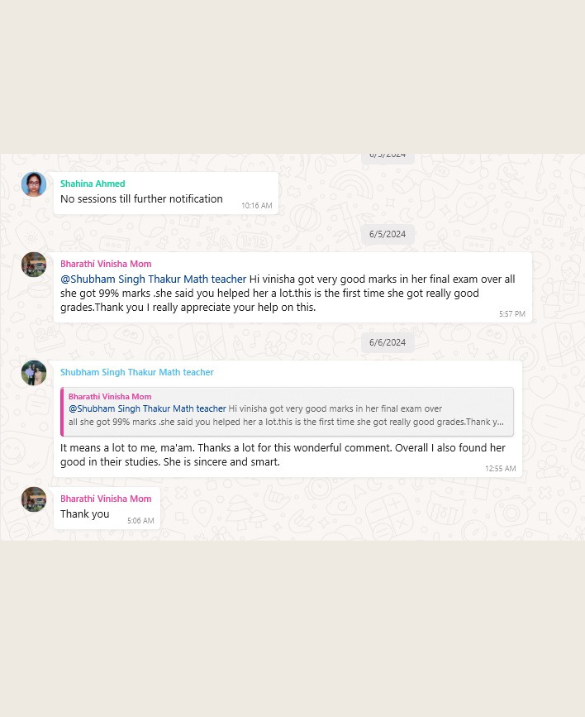
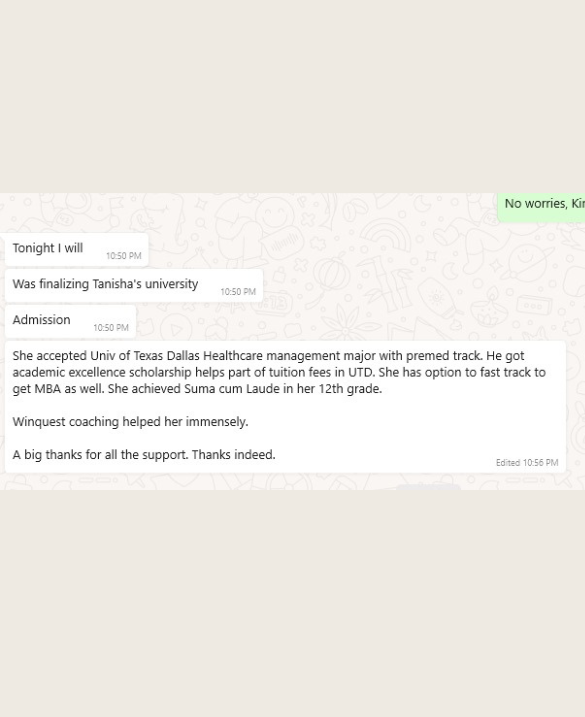
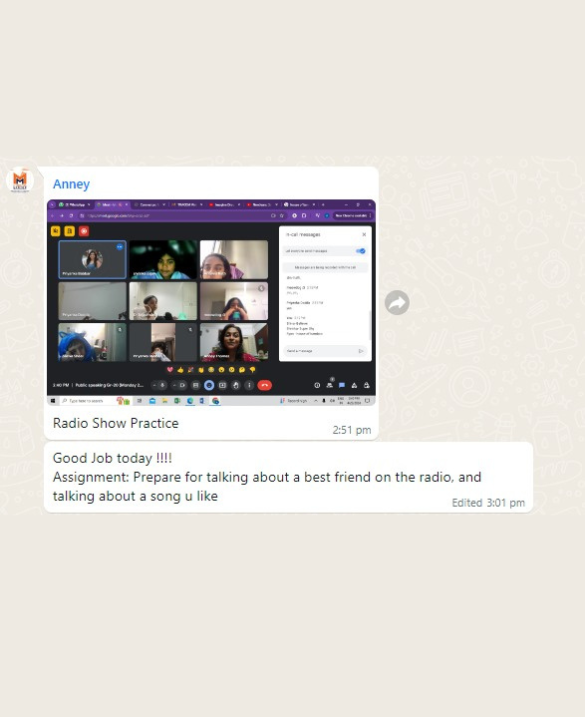
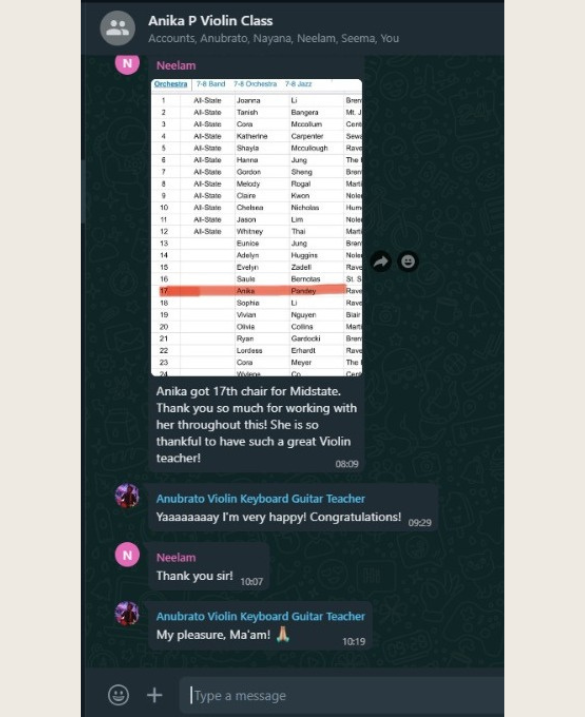
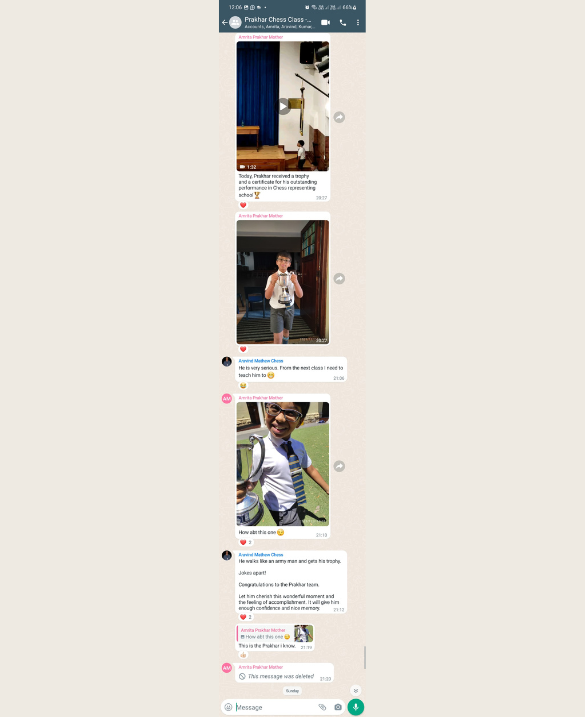
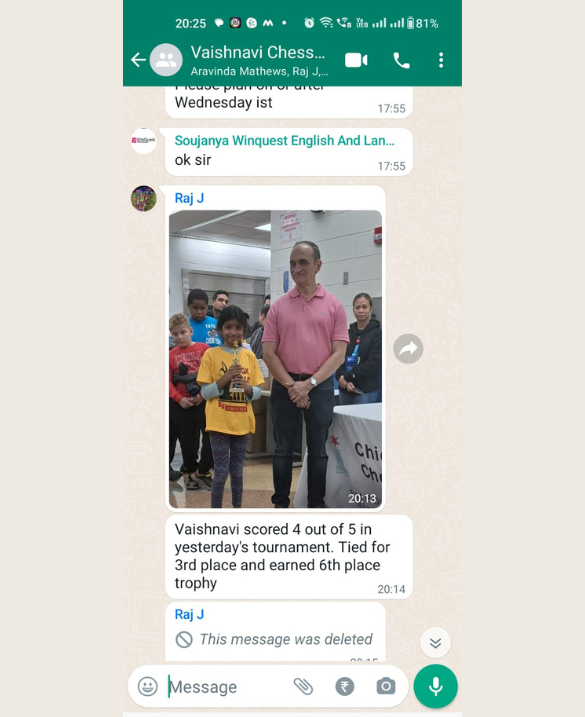
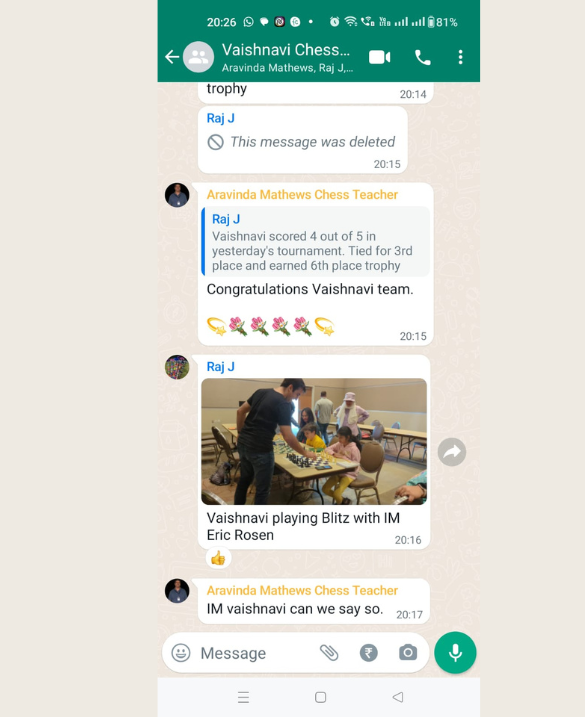
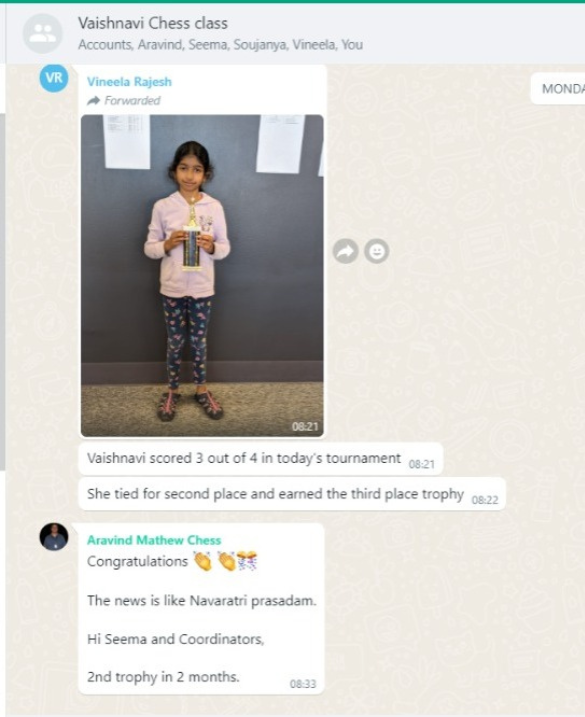
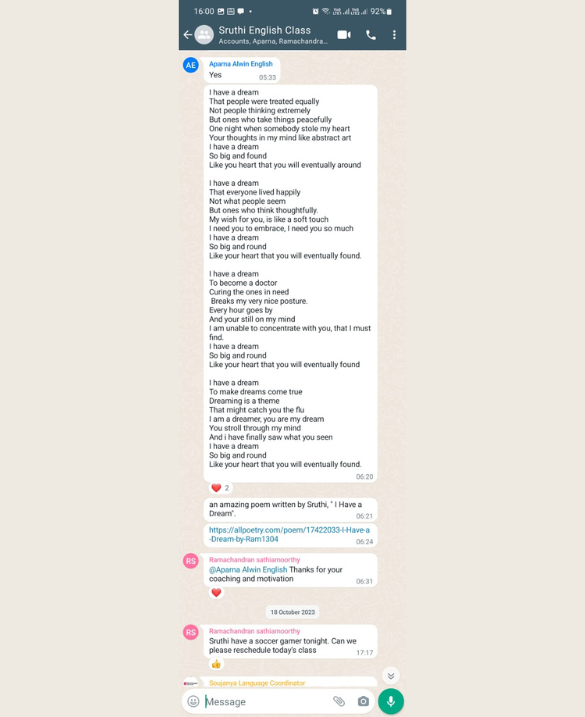
WhatsApp Testimonials
Real Voices from Our WhatsApp Community 💚📚
Latest News and Resources
📰 Learning Updates | 📘 Tips | 🎓 Resources | 💻 Online Courses