



Communication Skills
Spoken English & Confident Communication
Live conversational English with personalised feedback. Speak fluently, fearlessly.
Why Choose Online Spoken English & Confident Communication Classes?
Overview
Move beyond grammar drills to real conversation. Every session is interactive, with structured feedback that targets fluency, pronunciation and confidence.
What You'll Learn
- Live interactive sessions
- 1st one-on-one session
- Comprehensive curriculum
- No long-term commitment
- Personalized learning plan
Beginner (Age 8-12)
Pronunciation & Accent+
- Sounds of English - 20 vowel sounds (5 short, 5 long, 8 diphthongs, 2 schwa), 24 consonants; IPA chart.
- Stress (which syllable receives emphasis), rhythm (stressed-unstressed pattern), intonation (rising for questions, falling for statements).
- Common pronunciation issues for non-native speakers - /v/ vs /w/, /ʃ/ vs /s/, silent letters, schwa /ə/ vowel reduction.
Vocabulary & Idioms+
- Active vocabulary building - 50 words a week with definitions, example sentences, synonyms, antonyms, daily usage.
- Idioms ("a piece of cake", "raining cats and dogs"), phrasal verbs (look up, give in), collocations (heavy rain, strong coffee) in context.
- Word stress (CON-tent noun vs con-TENT adjective) and connected speech (linking, elision, assimilation) for natural fluency.
Conversation Skills+
- Greetings (Hi / Hello / Good morning) and small talk (weather, weekend, work, sports) for everyday social settings.
- Asking (Wh- questions, yes/no questions, tag questions) and answering questions (clear, complete responses).
- Conversation flow - turn-taking (signals: pause, eye contact), transitions ("speaking of...", "by the way..."), active listening.
Public Speaking+
- Voice projection (breath support, audible volume) and pacing (varied; pauses for emphasis; ~125 words per minute).
- Body language - posture (upright, open), gestures (purposeful, not fidgety), eye contact (3-5 seconds with audience members).
- Structuring a short speech - opening (hook: question, story, statistic), body (3 key points with examples), close (call to action / memorable line).
Group Discussions & Debates+
- Listening before speaking - acknowledging others ("That's an interesting point...") before contributing your own view.
- Stating opinion confidently with evidence ("I think... because...") - clear thesis followed by reasoning + examples.
- Disagreeing politely ("I see your point, but...") and building on others' ideas ("Adding to what X said...").
Interview Skills+
- Common interview questions - prepared answers (Tell me about yourself, Why this role, Strengths/weaknesses) in 60-90 seconds.
- STAR method for behavioural questions - Situation, Task, Action, Result; structured stories for "Tell me about a time when..." prompts.
- Voice (steady, confident), body language (firm handshake, sitting upright), and follow-up questions (asking thoughtful ones about the role).
Storytelling & Presentations+
- Building a narrative arc - setup (introduce character + situation), conflict (challenge arises), resolution (how it ended + lesson learned).
- Visual aids - PowerPoint (1 idea per slide; big text; minimal animations), props (relevant, simple, visible to audience).
- Handling Q&A and unexpected questions - pause to think, paraphrase the question, give 1-2 minute answer, bridge to your message.
Confidence & Practice+
- Overcoming stage fright - deep belly breathing (4-7-8 method), visualisation (imagine success), preparation lowers anxiety.
- Recording and self-review - smartphone video; watch with mute on first (body language), then with sound (filler words, pace).
- Weekly speaking challenges with feedback - 2-min impromptu, prepared 5-min speech, debate; instructor + peer feedback.
Intermediate (Age 12-16)
Pronunciation & Accent+
- Sounds of English - 20 vowel sounds (5 short, 5 long, 8 diphthongs, 2 schwa), 24 consonants; IPA chart.
- Stress (which syllable receives emphasis), rhythm (stressed-unstressed pattern), intonation (rising for questions, falling for statements).
- Common pronunciation issues for non-native speakers - /v/ vs /w/, /ʃ/ vs /s/, silent letters, schwa /ə/ vowel reduction.
Vocabulary & Idioms+
- Active vocabulary building - 50 words a week with definitions, example sentences, synonyms, antonyms, daily usage.
- Idioms ("a piece of cake", "raining cats and dogs"), phrasal verbs (look up, give in), collocations (heavy rain, strong coffee) in context.
- Word stress (CON-tent noun vs con-TENT adjective) and connected speech (linking, elision, assimilation) for natural fluency.
Conversation Skills+
- Greetings (Hi / Hello / Good morning) and small talk (weather, weekend, work, sports) for everyday social settings.
- Asking (Wh- questions, yes/no questions, tag questions) and answering questions (clear, complete responses).
- Conversation flow - turn-taking (signals: pause, eye contact), transitions ("speaking of...", "by the way..."), active listening.
Public Speaking+
- Voice projection (breath support, audible volume) and pacing (varied; pauses for emphasis; ~125 words per minute).
- Body language - posture (upright, open), gestures (purposeful, not fidgety), eye contact (3-5 seconds with audience members).
- Structuring a short speech - opening (hook: question, story, statistic), body (3 key points with examples), close (call to action / memorable line).
Group Discussions & Debates+
- Listening before speaking - acknowledging others ("That's an interesting point...") before contributing your own view.
- Stating opinion confidently with evidence ("I think... because...") - clear thesis followed by reasoning + examples.
- Disagreeing politely ("I see your point, but...") and building on others' ideas ("Adding to what X said...").
Interview Skills+
- Common interview questions - prepared answers (Tell me about yourself, Why this role, Strengths/weaknesses) in 60-90 seconds.
- STAR method for behavioural questions - Situation, Task, Action, Result; structured stories for "Tell me about a time when..." prompts.
- Voice (steady, confident), body language (firm handshake, sitting upright), and follow-up questions (asking thoughtful ones about the role).
Storytelling & Presentations+
- Building a narrative arc - setup (introduce character + situation), conflict (challenge arises), resolution (how it ended + lesson learned).
- Visual aids - PowerPoint (1 idea per slide; big text; minimal animations), props (relevant, simple, visible to audience).
- Handling Q&A and unexpected questions - pause to think, paraphrase the question, give 1-2 minute answer, bridge to your message.
Confidence & Practice+
- Overcoming stage fright - deep belly breathing (4-7-8 method), visualisation (imagine success), preparation lowers anxiety.
- Recording and self-review - smartphone video; watch with mute on first (body language), then with sound (filler words, pace).
- Weekly speaking challenges with feedback - 2-min impromptu, prepared 5-min speech, debate; instructor + peer feedback.
Advanced (Age 16+)
Pronunciation & Accent+
- Sounds of English - 20 vowel sounds (5 short, 5 long, 8 diphthongs, 2 schwa), 24 consonants; IPA chart.
- Stress (which syllable receives emphasis), rhythm (stressed-unstressed pattern), intonation (rising for questions, falling for statements).
- Common pronunciation issues for non-native speakers - /v/ vs /w/, /ʃ/ vs /s/, silent letters, schwa /ə/ vowel reduction.
Vocabulary & Idioms+
- Active vocabulary building - 50 words a week with definitions, example sentences, synonyms, antonyms, daily usage.
- Idioms ("a piece of cake", "raining cats and dogs"), phrasal verbs (look up, give in), collocations (heavy rain, strong coffee) in context.
- Word stress (CON-tent noun vs con-TENT adjective) and connected speech (linking, elision, assimilation) for natural fluency.
Conversation Skills+
- Greetings (Hi / Hello / Good morning) and small talk (weather, weekend, work, sports) for everyday social settings.
- Asking (Wh- questions, yes/no questions, tag questions) and answering questions (clear, complete responses).
- Conversation flow - turn-taking (signals: pause, eye contact), transitions ("speaking of...", "by the way..."), active listening.
Public Speaking+
- Voice projection (breath support, audible volume) and pacing (varied; pauses for emphasis; ~125 words per minute).
- Body language - posture (upright, open), gestures (purposeful, not fidgety), eye contact (3-5 seconds with audience members).
- Structuring a short speech - opening (hook: question, story, statistic), body (3 key points with examples), close (call to action / memorable line).
Group Discussions & Debates+
- Listening before speaking - acknowledging others ("That's an interesting point...") before contributing your own view.
- Stating opinion confidently with evidence ("I think... because...") - clear thesis followed by reasoning + examples.
- Disagreeing politely ("I see your point, but...") and building on others' ideas ("Adding to what X said...").
Interview Skills+
- Common interview questions - prepared answers (Tell me about yourself, Why this role, Strengths/weaknesses) in 60-90 seconds.
- STAR method for behavioural questions - Situation, Task, Action, Result; structured stories for "Tell me about a time when..." prompts.
- Voice (steady, confident), body language (firm handshake, sitting upright), and follow-up questions (asking thoughtful ones about the role).
Storytelling & Presentations+
- Building a narrative arc - setup (introduce character + situation), conflict (challenge arises), resolution (how it ended + lesson learned).
- Visual aids - PowerPoint (1 idea per slide; big text; minimal animations), props (relevant, simple, visible to audience).
- Handling Q&A and unexpected questions - pause to think, paraphrase the question, give 1-2 minute answer, bridge to your message.
Confidence & Practice+
- Overcoming stage fright - deep belly breathing (4-7-8 method), visualisation (imagine success), preparation lowers anxiety.
- Recording and self-review - smartphone video; watch with mute on first (body language), then with sound (filler words, pace).
- Weekly speaking challenges with feedback - 2-min impromptu, prepared 5-min speech, debate; instructor + peer feedback.
IELTS / TOEFL Speaking+
- Part 1 - personal questions (4-5 min; about home, hobbies, work, daily life); short focused answers with example.
- Part 2 - long turn (2 minutes after 1-min prep; cue card topic); structured: opening, 3 main points, closing.
- Part 3 - discussion (4-5 min; abstract follow-up); band 7+ targeting via wide vocabulary + complex grammar.
Professional Communication+
- Email (clear subject, concise body, polite closing) and meeting communication (agenda-driven, active participation, minute-taking).
- Cross-cultural communication - direct (US, Germany) vs indirect (Japan, India) styles; high vs low context cultures.
- Crisis communication (transparent, timely, empathetic) and difficult conversations (DESC method: Describe, Express, Specify, Consequences).
Requirements
- A laptop or desktop with stable internet
- Headphones with a clear microphone
- Quiet space for recording / speaking practice
- Open mind and commitment to practise daily
Reviews
4.95 / 5 ★ · 440+ students enrolled
Parents consistently rate our mentors for personalised attention, clear concepts and steady progress. Book a free demo to experience a class first-hand.
Frequently Asked Questions
How do I get started?+
Click the Book a Demo button on this page and fill in your child's grade and school board (CBSE / ICSE / IGCSE / Cambridge / US Common Core / Singapore MOE etc.). We will schedule a free trial session with a matching tutor. For details, contact our coordinator on WhatsApp at +91 93308 11581 or email contact@winquestonline.com.
Will the tutor follow my child's school board?+
Yes. Every WinQuest tutor is mapped to specific curricula. Before the first class we ask which board your child follows; the tutor uses that board's scope and sequence, supports the school textbook chapter by chapter, and adds worksheets in the board's exam style. We currently support US Common Core, Ontario, Australian v9.0, CBSE (NCERT), ICSE (CISCE), IGCSE 0580 / 0500 / 0610 / 0620 / 0625, Cambridge Primary / Lower Secondary, and Singapore MOE.
How does payment work?+
We require monthly advance payments for the number of classes scheduled in that calendar month. We accept Zelle, PayPal, UPI (for India), Stripe and major credit / debit cards. You can select your preferred payment method during the initial enrolment.
What if my child misses a class?+
For 1:1 sessions we reschedule a make-up at a mutually convenient time at no extra cost (with at least 24 hours notice). For group classes we share a timed recording of the session on parent request, so your child can catch up before the next class.
How long is each class?+
Each class session is 60 minutes long for academic subjects. Frequency is typically twice a week for K-7 grades and 2-3 times a week for high school, based on the board exam timeline and parent preference.
How is progress measured?+
Tutors give written feedback on every homework assignment, run a short formative quiz every 4-6 classes, and a longer chapter test at the end of each topic. Parents receive a monthly progress report covering concept mastery, homework completion and test scores.
What is the class size?+
For 1:1 sessions the class is just your child and the tutor. For group classes we cap each batch at 6-8 students so every learner gets individual attention and can ask questions in real time.
Are the tutors qualified?+
All our tutors are highly qualified subject-matter experts with proven track records - many hold Master's degrees in their subject and several years of school-curriculum teaching experience. Each tutor is interviewed by our academic head before joining and is mapped to specific boards and grades.
What if my child needs to pause for a school break or exam?+
Just let us know in advance. There are no contracts - you can pause for a school holiday or final-exam stretch and resume when the student is ready, with no penalty.
What are the requirements?+
A laptop or desktop with a stable internet connection is required. Pencil, eraser, ruler and a notebook for working out solved problems. For higher grades a basic calculator. The tutor will list any board-specific requirements (textbook, geometry box, etc.) before the first class.
Student Reviews
No reviews yet — be the first to share your experience with this course!
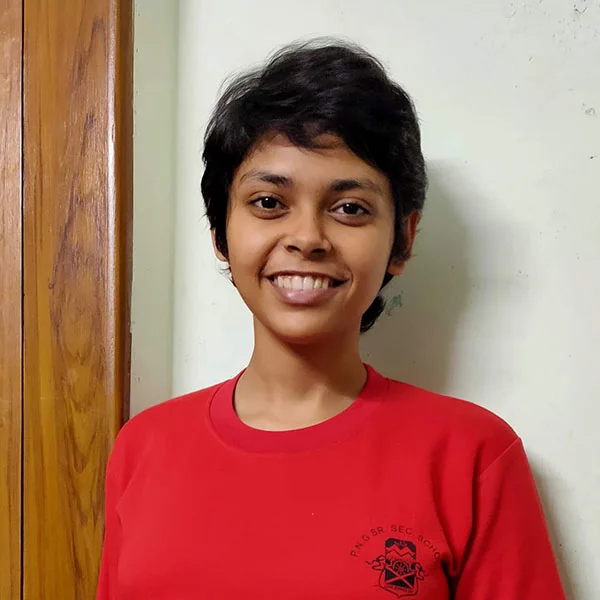
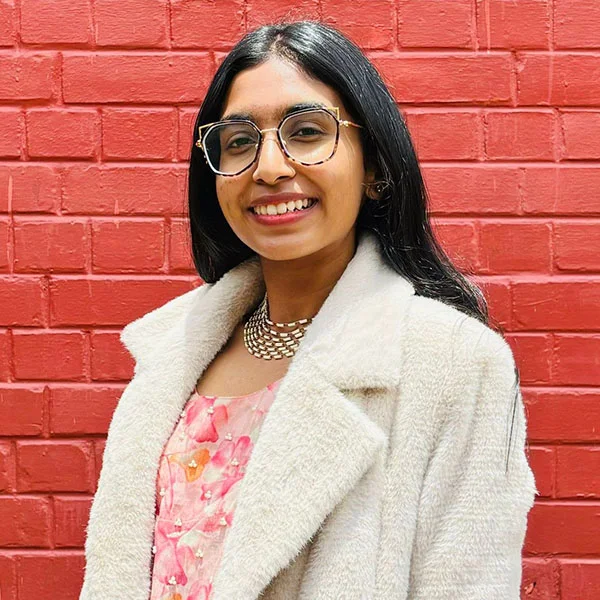
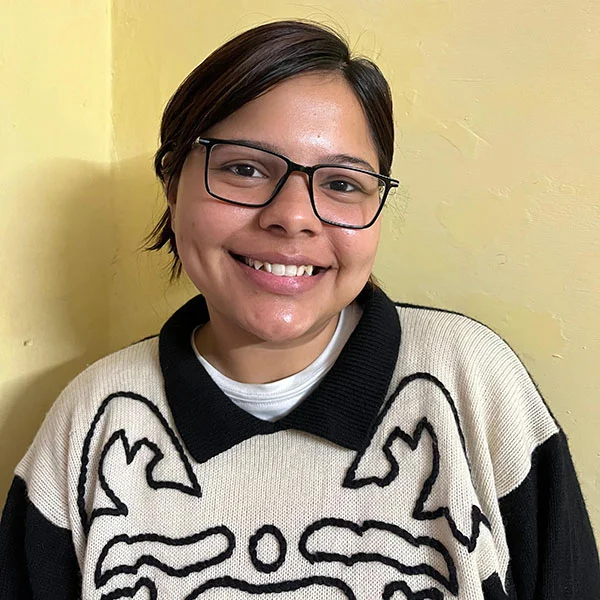
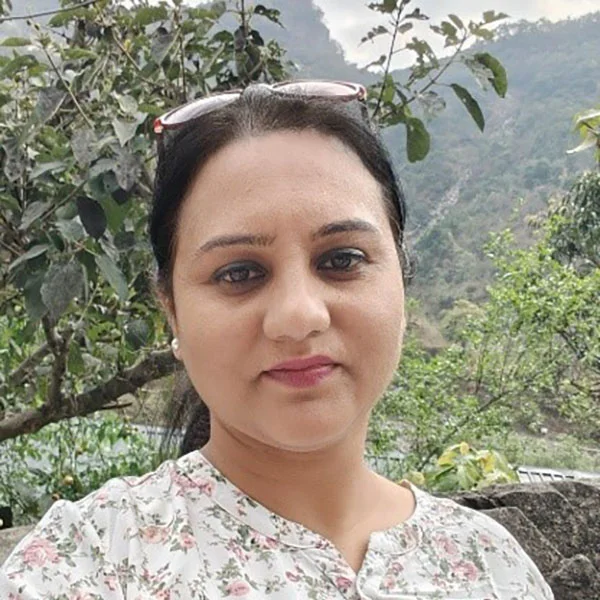
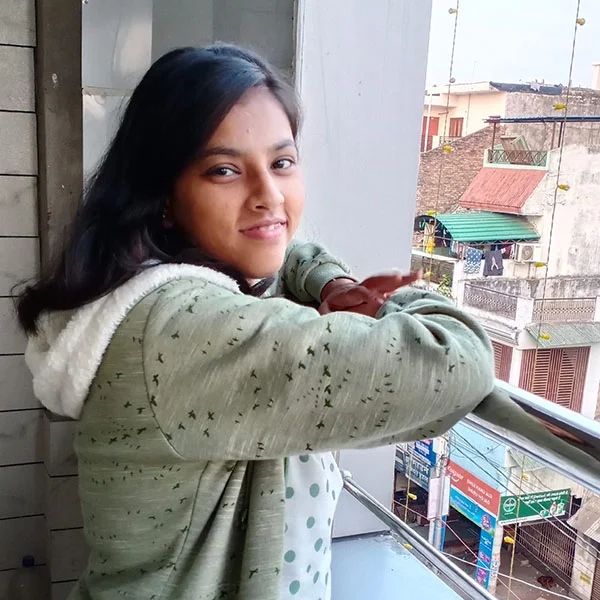
Meet our Teachers
Expert educators who connect, guide, and prepare students with special personalized care ❤️📚✨






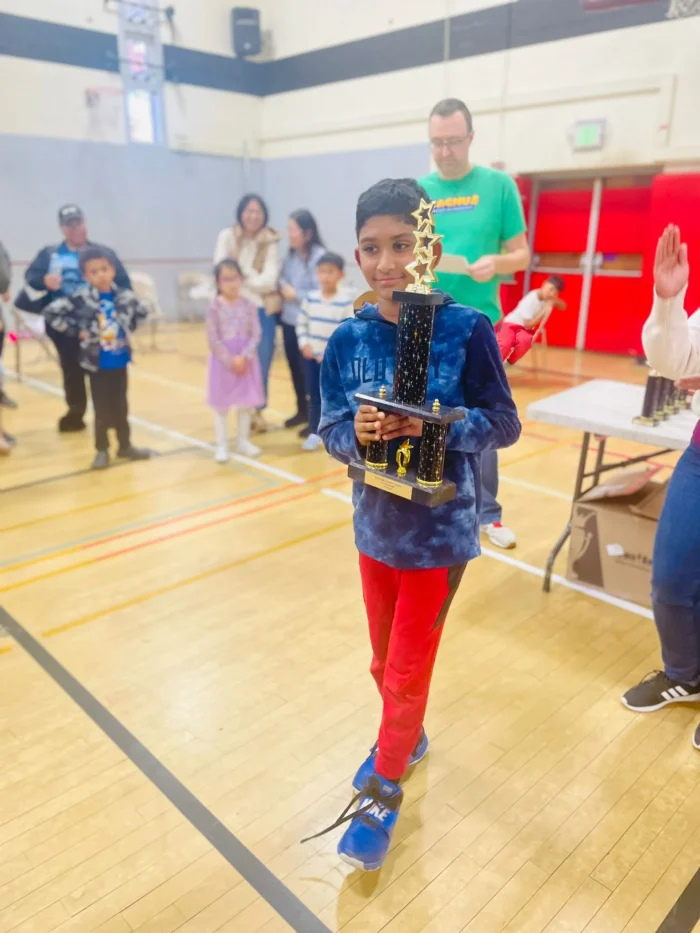
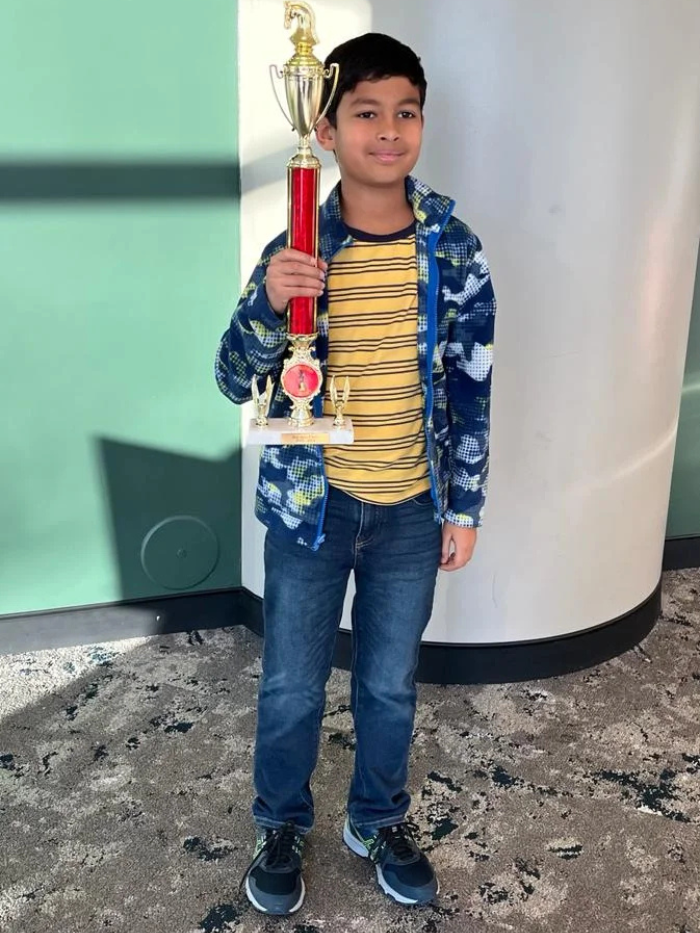
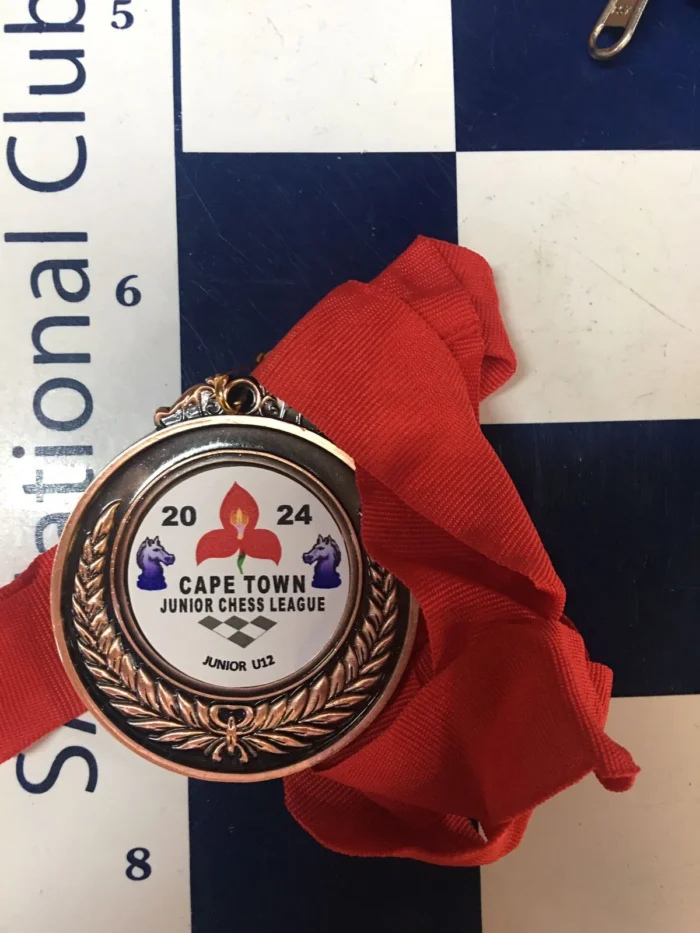
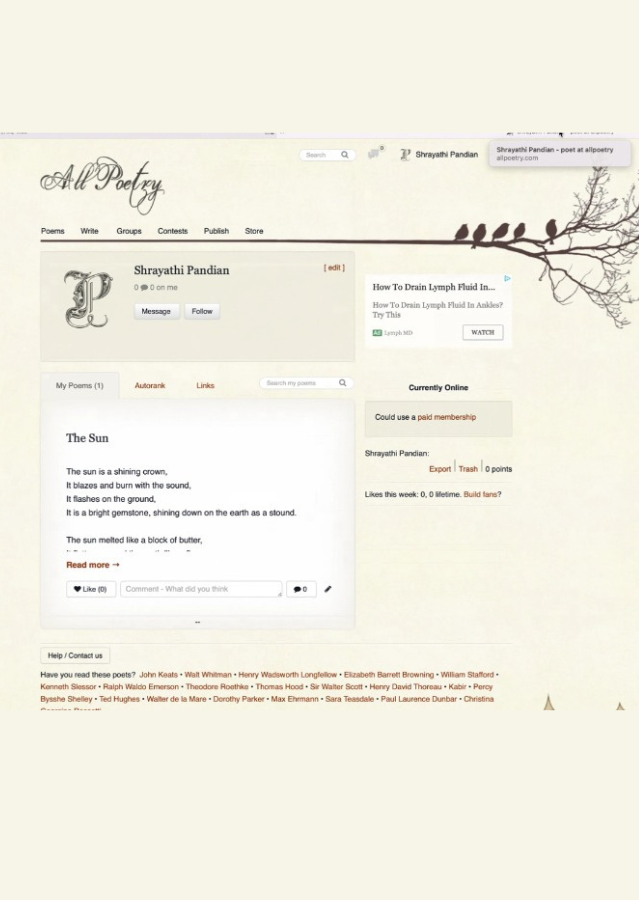
Student Achievements
Making an Impact: 🏆 Student Achievements That Shine | 🌱 Your Growth. Our Mission.
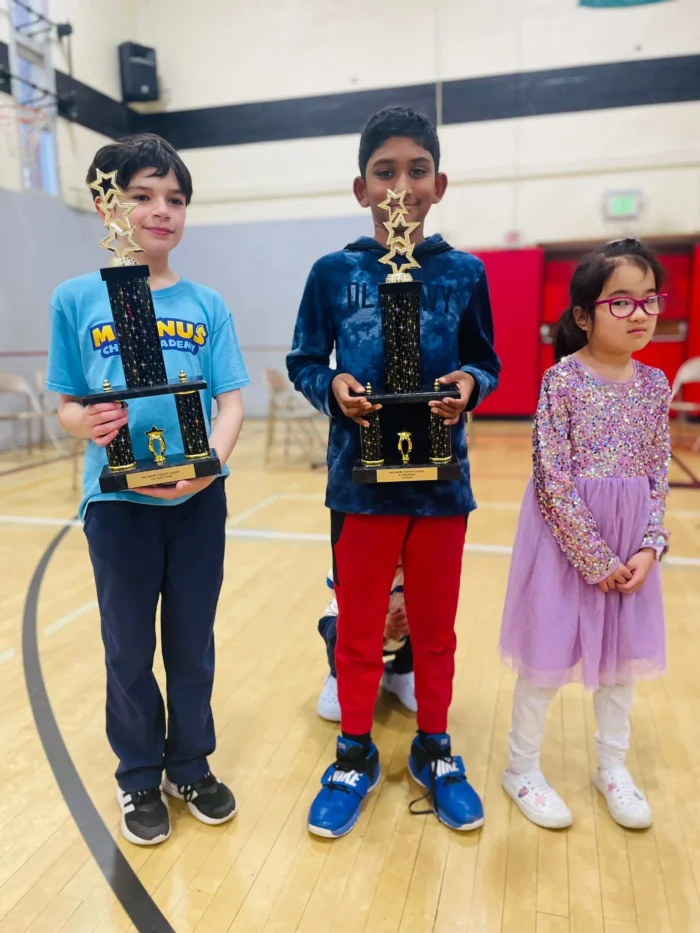
What Our Parents Say About Us
👪 Real Results. Real Parent Voices. 🏆 Futures Built with Care
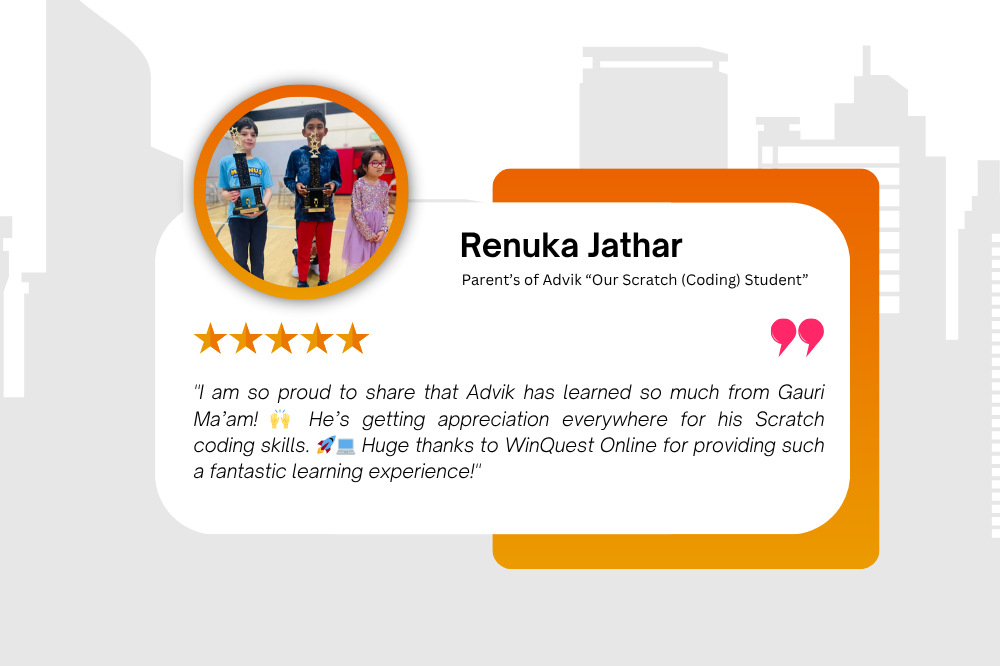
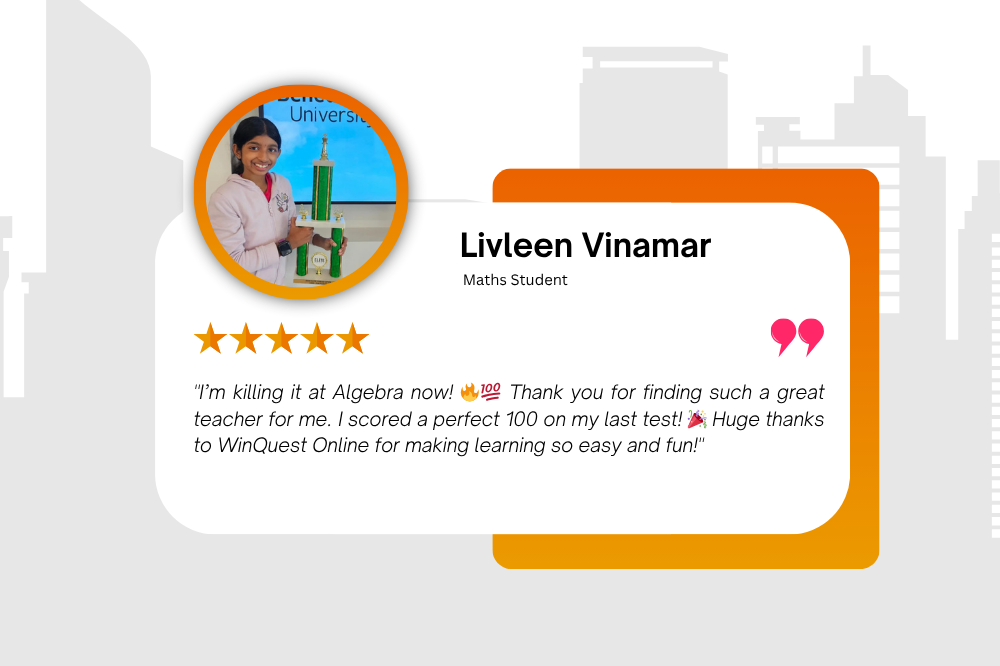
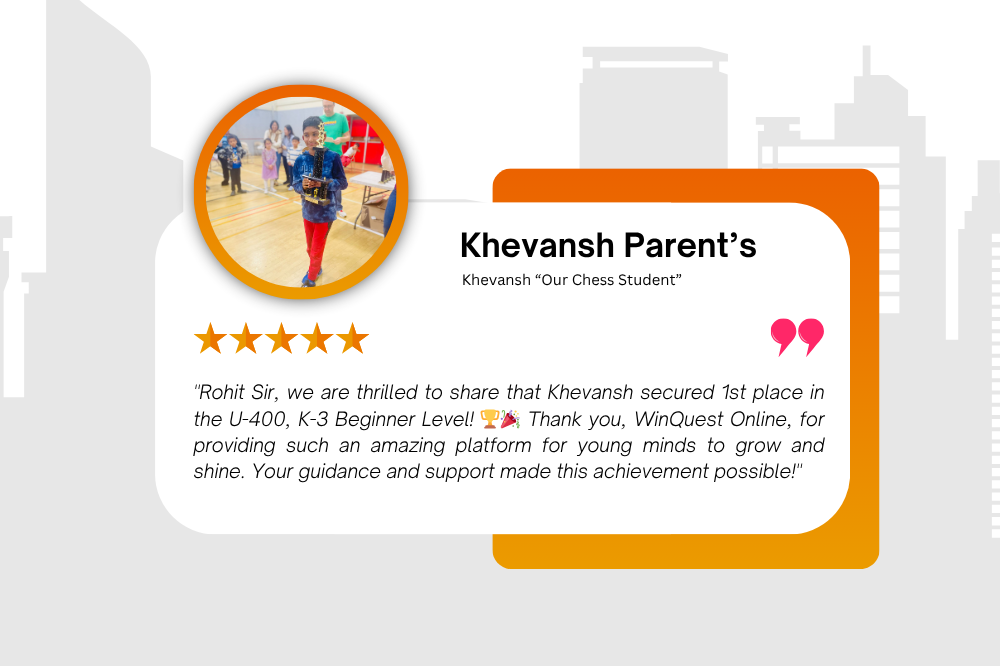
Parent Testimonials
Success Stories That Speak 🌟🎓 Wins That Inspire Pride 🏆
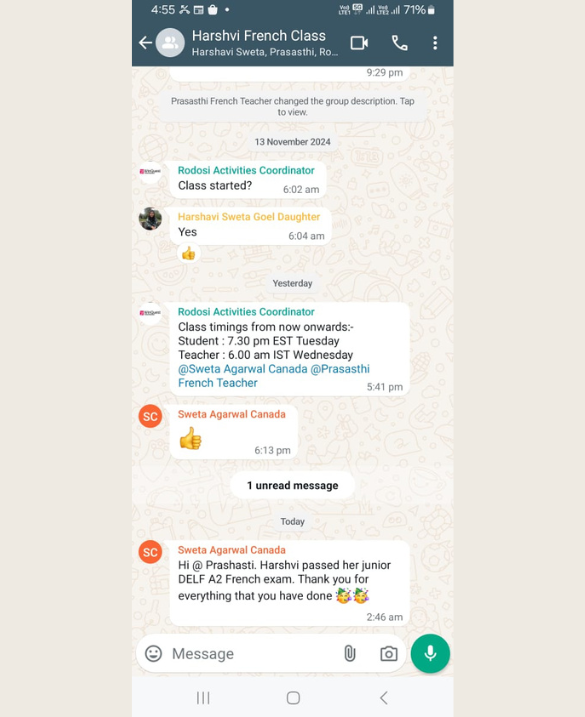
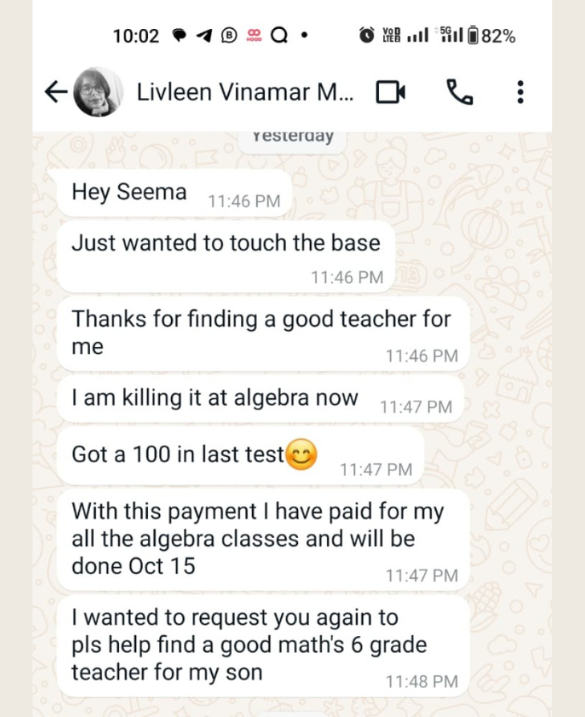
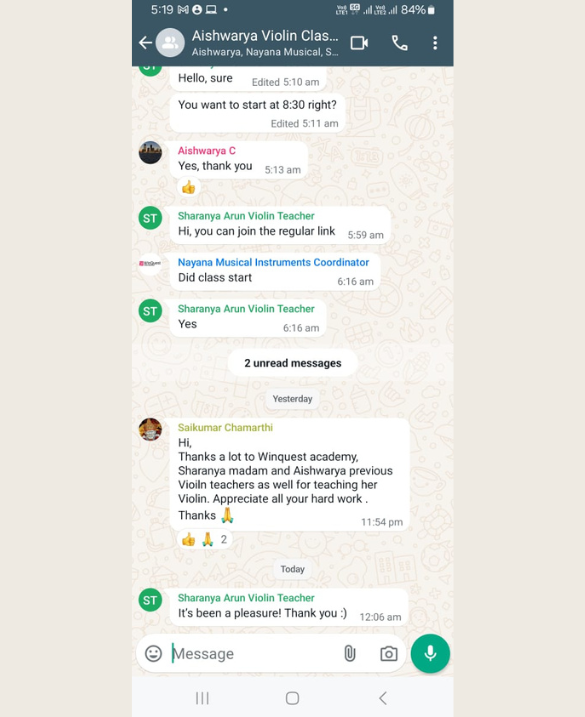
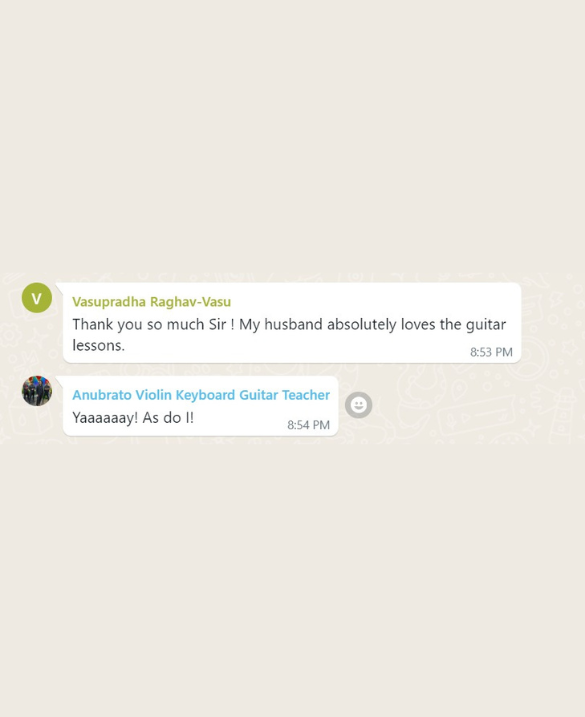
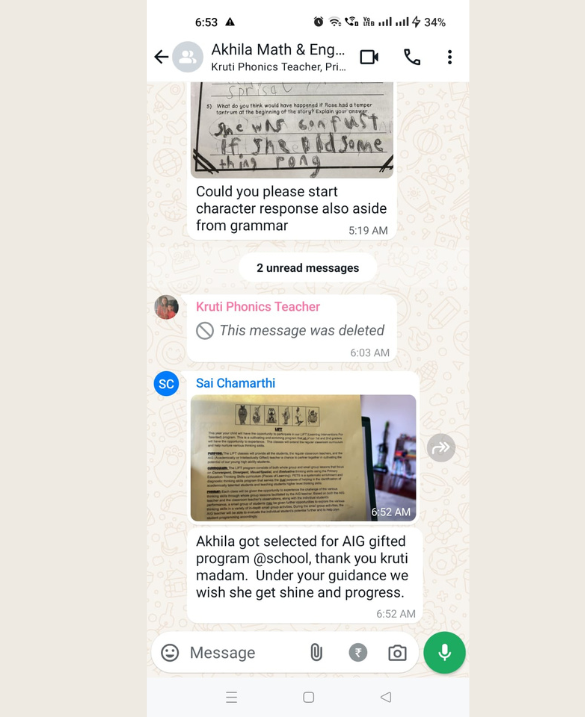
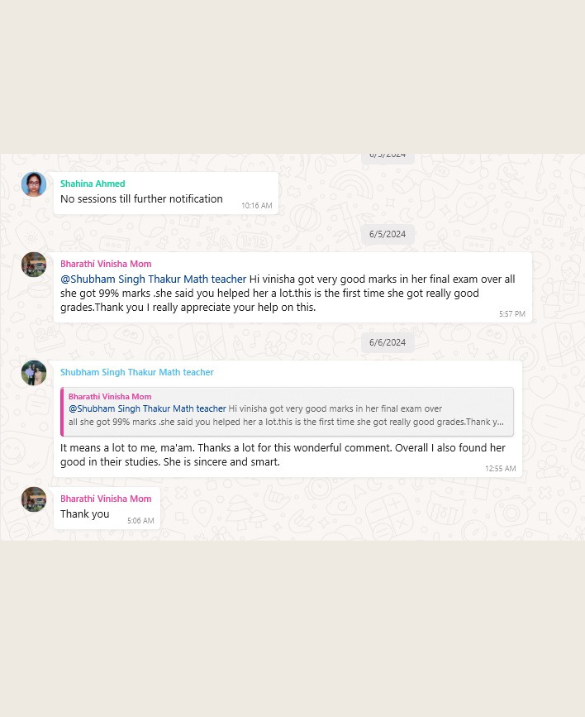
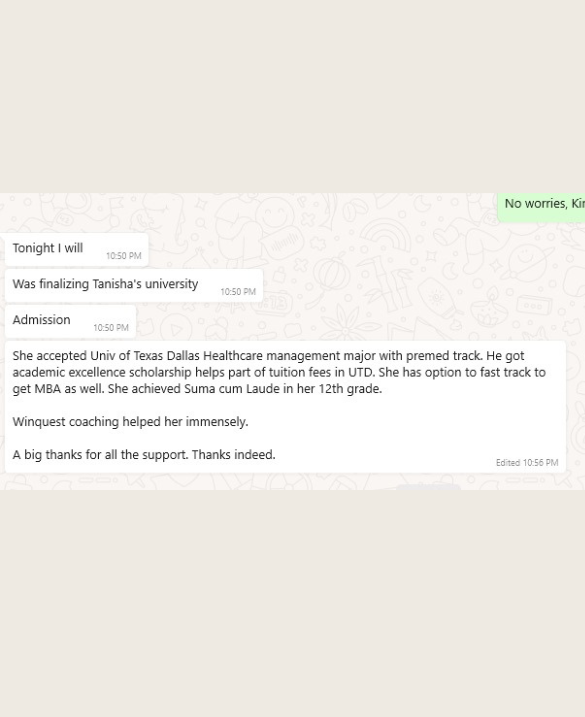
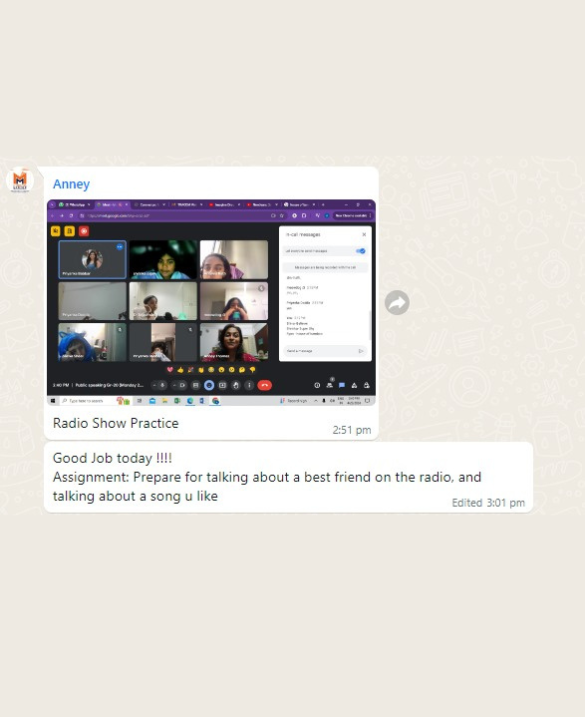
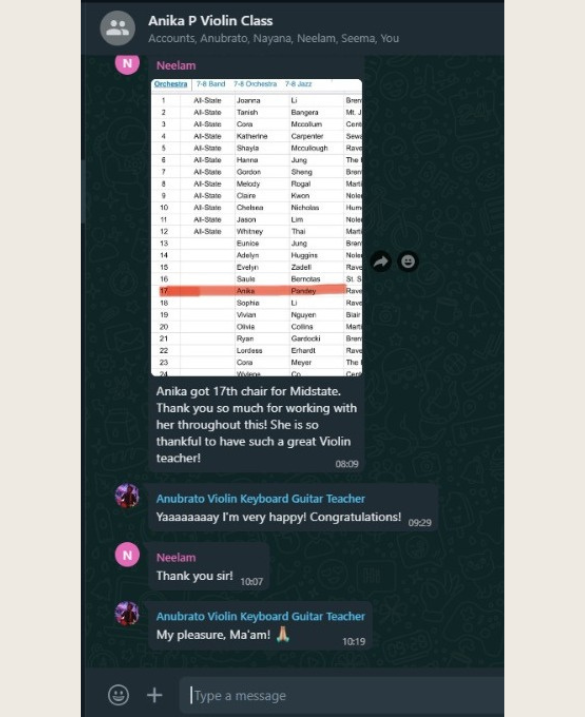
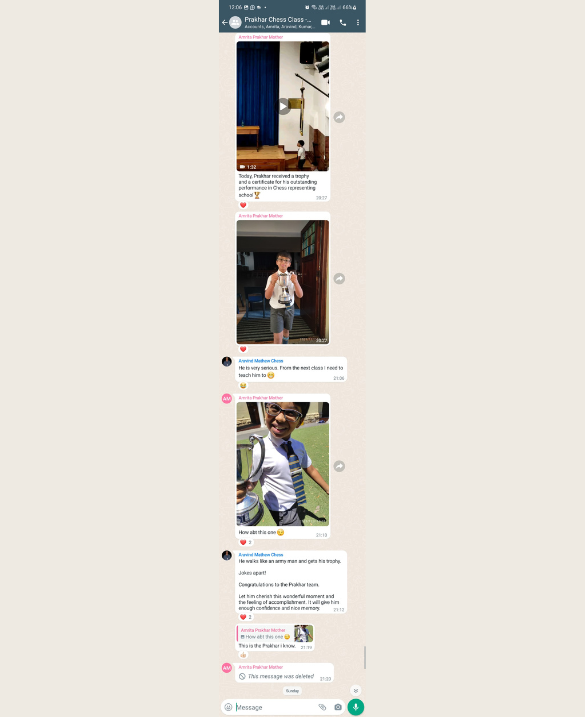
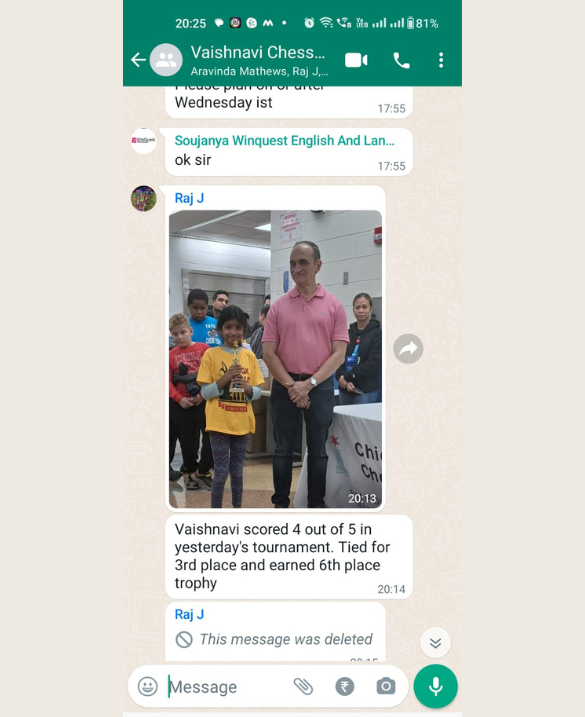
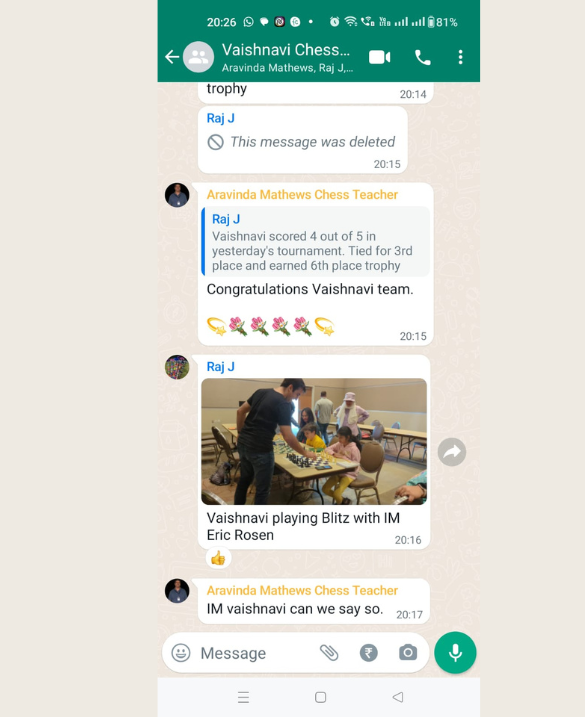
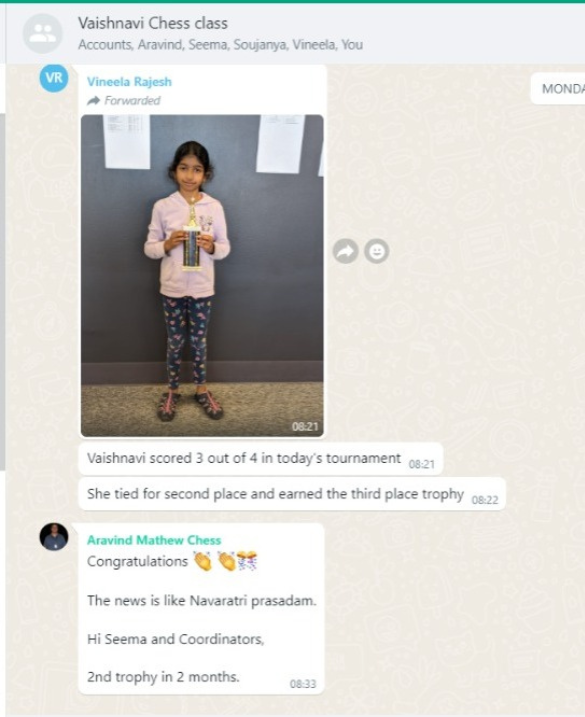
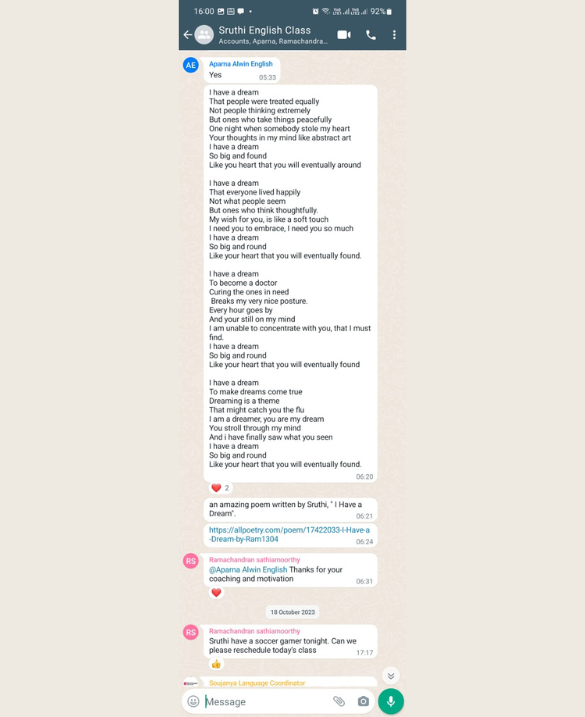
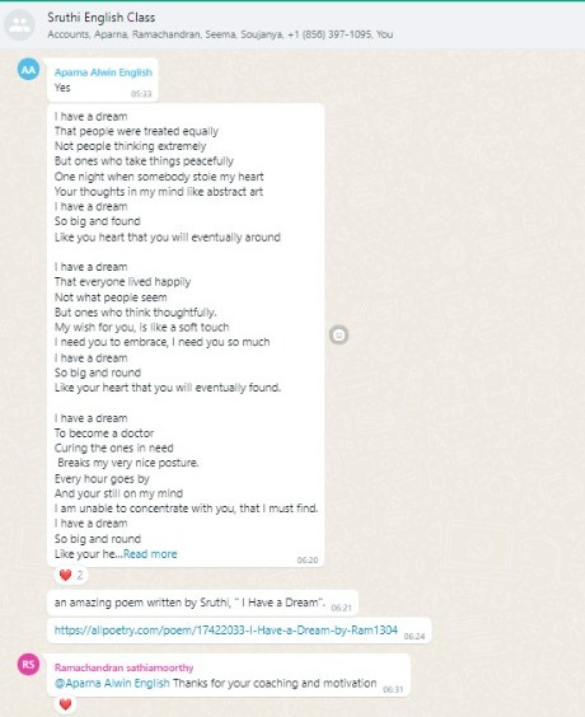
WhatsApp Testimonials
Real Voices from Our WhatsApp Community 💚📚
Latest News and Resources
📰 Learning Updates | 📘 Tips | 🎓 Resources | 💻 Online Courses