



♪ Music Course
Western Flute
About WinQuest
At WinQuest, we believe that everyone has the potential to unlock their musical talents and start their journey of self-expression. WinQuest provides high-quality, accessible, and engaging online music classes for learners of all ages and skill levels.
We strive to break down barriers to learning and empower individuals from diverse backgrounds to pursue their passion for music, regardless of their geographical location, financial means, or previous experience.
With WinQuest, learners have access to a comprehensive curriculum covering a wide range of musical instruments, genres, and topics. Whether you're a complete beginner or an experienced musician looking to refine your skills, our expert instructors will guide you through personalized lesson plans tailored to your unique learning goals.
Whether you dream of mastering the piano, shredding on the guitar, or composing your own symphonies, WinQuest is here to help you turn your musical aspirations into reality. Join us today and discover the joy of making music with WinQuest – where the quest for excellence begins.
Why Choose Online Western Flute Classes?
About the Curriculum
A brief on the three internationally recognized music institutions whose course structure we mostly follow for Western Music Students.
Associated Board of the Royal Schools of Music (ABRSM)
The Associated Board of the Royal Schools of Music (ABRSM) is an internationally recognized examination board based in the United Kingdom. Established in 1889, ABRSM is one of the leading institutions for music education and assessment worldwide.
ABRSM provides a comprehensive curriculum for music students, offering graded exams and diplomas in various musical instruments, singing, and theory. The curriculum covers a wide range of musical genres and styles, ensuring a holistic development of musicianship. The graded exams consist of practical assessments, where candidates perform pieces, scales, and technical exercises, along with aural and sight-reading components.
The ABRSM curriculum is structured into eight graded levels, starting from Initial and progressing through Grades 1 to 8. Each grade represents an incremental increase in difficulty, allowing students to develop their musical skills gradually. The curriculum emphasizes not only technical proficiency but also musical expression, interpretation, and aural awareness.
In addition to traditional Western classical music, ABRSM incorporates diverse repertoire choices to cater to the varied interests of musicians. Successful completion of ABRSM exams is widely recognized and respected, providing a valuable benchmark for musical achievement and proficiency. The ABRSM curriculum serves as a valuable guide for music educators and students alike, promoting a systematic and well-rounded approach to music learning and assessment.
Trinity College London
Trinity College London, commonly known as Trinity, is a renowned international examination board that focuses on the assessment and certification of musical and performing arts abilities. Established in 1877, Trinity has a rich history in providing high-quality examinations and certifications in various artistic disciplines.
Trinity's music curriculum encompasses a diverse range of genres and styles, offering graded examinations for instruments, singing, and theory. The graded system consists of eight levels, from Initial to Grade 8, each representing a progressive stage of difficulty and musical proficiency. The curriculum covers practical elements, such as performance, technical exercises, and aural skills, ensuring a well-rounded evaluation of a candidate's musical abilities.
One distinctive feature of Trinity's approach is its emphasis on contemporary and popular music alongside classical genres. This inclusion caters to the diverse interests of musicians and reflects the evolving landscape of musical expression. Trinity's assessments also include a focus on improvisation, allowing candidates to showcase their creativity and adaptability.
In addition to graded exams, Trinity offers diplomas for advanced-level candidates seeking further recognition of their musical accomplishments. The qualifications awarded by Trinity College London are widely respected and recognized globally, providing musicians with a credible benchmark for their artistic achievements. Trinity's curriculum is designed to foster a holistic understanding of music, encouraging both technical proficiency and expressive artistry in performers and educators.
Rockschool Limited
Rockschool Limited is a leading music examination board that specializes in contemporary music genres, particularly rock and pop. Established in 1991, Rockschool has gained prominence for its innovative approach to music education, focusing on the diverse styles of popular music.
The Rockschool curriculum offers graded examinations for electric guitar, bass guitar, drums, vocals, piano, and music theory. The graded system spans from Debut to Grade 8, providing a structured framework for students to develop their skills progressively. This approach ensures that learners are exposed to a variety of musical elements, including technical exercises, performance, and aural skills.
One notable feature of Rockschool's curriculum is its contemporary repertoire, which is carefully curated to reflect current trends in rock, pop, metal, and other modern music genres. This emphasis on relevance and inclusivity allows students to engage with music that resonates with their interests, making the learning experience more enjoyable and motivating.
Rockschool examinations often incorporate real-world music scenarios, such as playing in a band or recording a track, providing a practical and immersive assessment experience. This approach aligns with the demands of the modern music industry and prepares students for real-world performance situations.
Level 1
Exam Preparation Target+
- Prep for Trinity Flute Initial & Grade 1
- Prep for ABRSM Flute Initial & Grade 1
Anatomy of the Flute+
- Headjoint, body, footjoint, keys
- How each part affects tone and pitch
- Introduction to the Boehm key system
Fundamental Techniques+
- Embouchure formation (lip shape and air direction)
- Proper posture and hand positioning
- Breath control (diaphragmatic breathing)
- Tone production (clear and steady sound)
Scales and Notes+
- Staff notation (treble clef)
- First octave notes (C–B)
- Basic fingering system
- Major scales (C Major, G Major – 1 octave)
Rhythm and Timing+
- Basic rhythm reading; note values
- Counting and clapping exercises; metronome practice
Playing Techniques & Songs+
- Basic tonguing (ta / da articulation); legato and basic staccato
- Smooth note transitions using controlled airflow
- 30+ beginner melodies; 20+ simple pieces
Reading & Musical Expression+
- Reading staff notation; rests, ties, dotted rhythms
- Dynamics, basic phrasing and breath-controlled shaping
Learning Outcomes+
- Produce a clear, stable tone with correct embouchure
- Play basic melodies with accurate pitch and rhythm
- Demonstrate breath and articulation control
- Perform 10+ beginner pieces; ready for Initial/Grade 1
Repertoire — ABRSM Initial & Grade 1
- Initial (perform 2 pieces): Mary Had a Little Lamb / Lightly Row / Hot Cross Buns / When the Saints Go Marching In
- Grade 1 (perform 3 pieces): Ode to Joy (Beethoven) / Minuet in G (Bach, simplified) / Jingle Bells / Amazing Grace
Repertoire — Trinity Initial & Grade 1
- Initial (perform 2 pieces): London Bridge / Twinkle Twinkle Little Star / You Are My Sunshine / When the Saints Go Marching In
- Grade 1 (perform 3 pieces): Greensleeves (simplified) / Scarborough Fair (simplified) / Ode to Joy / Amazing Grace
Practice Song List — Beginner (Level 1)
- Twinkle Twinkle Little Star · Mary Had a Little Lamb · Jingle Bells · Happy Birthday · Ode to Joy – Beethoven · Lightly Row · When the Saints Go Marching In · London Bridge · Hot Cross Buns · Au Clair de la Lune · Minuet in G (simplified) – Bach
- Frère Jacques · Old MacDonald Had a Farm · Row Row Row Your Boat · Yankee Doodle · Brahms' Lullaby · Simple Gifts · The Muffin Man · This Old Man · Scarborough Fair (simplified) · Greensleeves (basic)
- Amazing Grace · Silent Night · Ode to Joy (variation) · The Entertainer (easy version) · Can Can (simplified) · Waltz Theme (basic) · French Folk Song · German Dance (Mozart – simplified) · English Folk Tune · Little Brown Jug
- Early One Morning · Sakura (Japanese folk tune) · Arirang (Korean folk tune) · Lavender's Blue · Skye Boat Song · Auld Lang Syne · Light Classical Study No. 1 · Simple Waltz · Easy Baroque Tune
- Beginner Etude No. 1 · No. 2 · No. 3 · Beginner Sight Reading Piece 1 · Piece 2 · Beginner Practice Melody 1 · Melody 2 · Basic Scale Melody Exercise · Tone Development Exercise 1 · Exercise 2
Level 2
Exam Preparation Target+
- Prep for Trinity & ABRSM Flute Grades 2, 3 and 4
- Prerequisites: completion of Level 1 or equivalent
Scales and Technical Skills+
- Major scales (C, G, D, F, Bb – up to 2 octaves)
- Minor scales (A minor, E minor – natural/harmonic)
- Chromatic scale (basic); finger agility; breath support
Tone Development and Control+
- Tone quality across registers; airflow and intonation control
- Introduction to vibrato (basic); long-note practice
Articulation and Expression+
- Single tonguing (ta/da clarity); double tonguing (ta-ka)
- Legato vs staccato contrast; dynamic control
Rhythm, Techniques & Aural+
- Triplets, dotted rhythms, compound time (6/8, 3/8), syncopation
- Smooth register transitions; basic ornamentation (grace notes)
- Pitch recognition, playing by ear, call-and-response
Learning Outcomes+
- Improved tone control and breath support
- Perform intermediate pieces with expression and accuracy
- Execute scales and articulation confidently
- Prepared for Grades 2–4
Repertoire — ABRSM Grades 2–4
- Grade 2: Minuet in G (Bach) / Folk Song (Traditional) / Lightly Row (Variation)
- Grade 3: Menuett (Mozart) / Air (Purcell) / Simple Waltz (classical adaptation)
- Grade 4: Sonatina (Clementi, adapted) / Greensleeves (arranged) / Study Piece (ABRSM selection)
Repertoire — Trinity Grades 2–4
- Grade 2: Scarborough Fair / Amazing Grace / Simple Classical Study
- Grade 3: Bourrée (Handel) / Folk Tune Variations / Baroque Study Piece
- Grade 4: Sonatina Movement / Minuet and Trio / Romantic Melody Study
Practice Song List — Intermediate (Level 2)
- Greensleeves (full version) · Scarborough Fair · Bourrée – Handel · Minuet & Trio – Bach · Menuet – Mozart · Gavotte – Gossec · Andante – Mozart · Sonatina (easy movement) · Canon in D – Pachelbel (adapted) · Air – Purcell
- Sicilienne – Fauré (simplified) · Waltz – Brahms · Hungarian Dance No. 5 (adapted) · Theme from Swan Lake (Tchaikovsky) · Largo – Dvořák (adapted) · Ode to Joy (advanced version) · The Entertainer (intermediate) · Simple Jazz Etude · Blues Study in C · Swing Exercise Piece
- Folk Song Variations · Irish Folk Tune · Scottish Melody · Baroque Study No. 1 · No. 2 · Classical Study No. 1 · No. 2 · Romantic Study No. 1 · No. 2 · Intermediate Etude No. 1 · No. 2 · No. 3
- Sight Reading Study No. 1 · No. 2 · Rhythm Exercise Piece · Articulation Study (staccato) · Legato Study Piece · Dynamic Control Exercise · Double Tonguing Exercise (intro) · Scale-Based Melody Study · Arpeggio Practice Piece · Theme & Variations (basic)
- Dance Suite Movement · Easy Sonata Movement · Contemporary Melody Study · Film Theme (simplified flute version) · Light Jazz Melody · Improvisation Exercise Piece · Ensemble Duet (Flute) · Performance Piece (Grade 3–4 level)
Repertoire & Exam Prep
- 20+ pieces across classical, folk and light contemporary styles
- Trinity & ABRSM Grades 2–4; sight-reading and aural
Level 3
Exam Preparation Target+
- Prep for Trinity & ABRSM Flute Grades 5–8
- Prerequisites: completion of Level 2; intermediate/advanced flute
Advanced Technique Development+
- Full range control (low C to high C and above)
- Advanced finger technique and speed
- Advanced breath control and endurance; tone refinement
Scales and Arpeggios+
- All major and minor scales (up to 3 octaves)
- Chromatic scale (full range)
- Arpeggios in all keys; scale patterns and sequences
Articulation & Expression+
- Advanced double tonguing; introduction to triple tonguing
- Vibrato development and control; phrasing and shaping
- Dynamic range mastery; tone colour variation
Rhythm, Reading & Aural+
- Complex rhythms; odd time signatures (5/4, 7/8); advanced sight reading
- Recognizing complex melodic patterns; playing by ear; dictation
Learning Outcomes+
- Advanced tone, articulation and control
- Perform complex repertoire with musical expression
- Full-range scales and arpeggios fluently
- Fully prepared for Grades 5–8
Repertoire — ABRSM Grades 5–8
- Grade 5: Andante (Mozart) / Sicilienne (Fauré) / Study Piece (ABRSM)
- Grade 6: Sonata Movement (Handel) / Barcarolle (Offenbach) / Romantic Piece
- Grade 7: Fantasia (Telemann) / Sonata (Bach) / Concert Piece
- Grade 8: Syrinx (Debussy) / Flute Sonata (Poulenc, movement) / Concerto Excerpt (Mozart)
Repertoire — Trinity Grades 5–8
- Grade 5: Baroque Sonata Movement / Classical Study / Romantic Piece
- Grade 6: Handel Sonata / Mozart Movement / Expressive Study
- Grade 7: Telemann Fantasia / Bach Sonata Movement / Concert Study
- Grade 8: Debussy – Syrinx / Modern Concert Piece / Advanced Sonata Movement
Practice Song List — Advanced (Level 3)
- Bach – Flute Sonata (movement) · Telemann – Fantasia No. 1 · Fantasia No. 2 · Handel – Sonata in F (movement) · Mozart – Flute Concerto No. 1 (adapted) · Flute Concerto No. 2 (movement)
- Debussy – Syrinx · Fauré – Sicilienne · Poulenc – Flute Sonata (movement) · Chaminade – Concertino · Doppler – Hungarian Pastoral Fantasy (excerpt)
- Andersen – Etude Op. 15 No. 1 · Op. 15 No. 2 · Op. 30 · Taffanel & Gaubert – Daily Exercise No. 1 · Scale Study
- Baroque Sonata (advanced) · Classical Sonata Movement · Romantic Concert Piece · Modern Flute Composition · Jazz Improvisation Study · Blues Improvisation Piece · Contemporary Flute Solo · Advanced Etude No. 1 · No. 2 · No. 3 · Chromatic Study
- Double Tonguing Study · Triple Tonguing Study · Vibrato Study · Breath Control Exercise (advanced) · Extended Range Study · Orchestral Excerpt (Flute) · Ensemble Performance Piece · Sonata Allegro Movement · Theme & Variations (advanced)
- Expressive Solo Piece · Technical Study Piece · Fast Passage Study · Articulation Mastery Piece · Tone Colour Study · Interpretation Study · Performance Recital Piece 1 · Piece 2 · Competition Piece · Exam Grade 7 Piece · Exam Grade 8 Piece · Advanced Sight Reading Study · Masterclass Repertoire Piece · Final Recital Piece
Repertoire, Theory & Performance
- Advanced classical repertoire; interpretation and stage presence
- Musical form; Baroque, Classical and Romantic styles; score analysis
Western Flute Buying Guide
From the Indian Bansuri to the Western Concert Flute — a complete guide to every major flute type in the world, how to choose the right one for your level, and the best brands to buy from. Whether you’re a beginner, a parent, or an advancing player, this guide covers it all.
The Two Great Flute Traditions
Across the world, two flute traditions stand out as the most widely learned and most influential: the Western Concert Flute and the Indian Bansuri. Each has its own sound, design, playing style, and musical tradition — yet both remain at the heart of flute learning for millions of players.
- Western Concert Flute — Type: Boehm-system transverse flute. Use: Orchestras, bands, and classical music worldwide. Features: Keyed mechanism, silver/nickel body, full chromatic range. Origin: Europe — especially Germany and France in the 19th century.
- Indian Bansuri — Type: Ancient bamboo side-blown flute. Use: Indian classical music, ragas, devotional and folk traditions. Features: No keys, usually 6–7 finger holes, rich microtonal expression. Origin: The Indian subcontinent, with roots stretching back thousands of years.
- Other world flutes — Chinese Dizi (a transverse bamboo flute with a bright, resonant tone); Japanese Shakuhachi (an end-blown bamboo flute known for expressive, meditative sound); Irish Tin Whistle (a simple metal whistle used widely in Celtic folk music); Native American Flute (a soulful flute tradition valued for its warm, breathy tone).
This guide focuses primarily on Western Concert Flutes and Indian Bansuris — the two most widely learned flute traditions globally — with a dedicated section on world flutes.
Western Concert Flute: What You Need to Know
The Western Concert Flute is the Boehm-system transverse, or side-blown, flute. It is the standard flute used in orchestras, concert bands, and classical, jazz, and pop music around the world.
- What it is: A side-blown flute built on the Boehm system, designed for full chromatic playing and broad musical versatility.
- How it works: It uses a keyed mechanism with 16 keys and pads, and can play all 12 chromatic notes. Players may use closed-hole or open-hole fingerings depending on the model.
- Body materials: Nickel silver (student models); silver-plated (common step-up option); sterling silver (intermediate and professional); gold or platinum (professional models).
- Key types: Closed-hole (plateau) — best for beginners; open-hole (French) — used by intermediate and advanced players.
- Foot joint: C-foot (the standard choice); B-foot (extended range for intermediate and professional players).
- Headjoint: Straight (standard design); curved (helpful for young children or small hands).
- Pitch: The Western Concert Flute is a concert pitch C instrument, meaning it can play in all keys through fingering.
- Who plays it: Students in school bands, classical musicians, jazz players, and orchestral professionals worldwide.
Indian Bansuri: What You Need to Know
The Indian bansuri is an ancient bamboo side-blown flute from India. It has no mechanical keys, so pitch and expression come entirely from finger control and breath control.
What it is: A traditional side-blown bamboo flute with a pure, open design — simple in form, expressive in sound.
Two main traditions: Bansuri in North India / Hindustani music uses 6 finger holes; Venu / Pullanguzhal in South India / Carnatic music uses 8 finger holes.
- North India: Bansuri — 6 finger holes; used in Hindustani classical music; common in Bollywood and devotional music; associated with Lord Krishna.
- South India: Venu / Pullanguzhal — 8 finger holes; used in Carnatic classical music; slightly different fingering system.
- Material — Dendrocalamus strictus bamboo (thick-walled and dense); PVC fiber (durable and beginner-friendly).
- Scale, size, and learning — Common pitches include C, C#, D, E, F, G, and more; beginners often start with C Natural Middle; sizes range from about 14 inches to 36+ inches; 19 inches is a standard beginner size; no keys means more expressive playing, but it takes patience.
Who plays it: Indian classical musicians, devotional singers, Bollywood composers, world music artists, and yoga/meditation practitioners around the world.
Learning curve: Because there are no keys, you shape pitch with breath and partial hole coverage — beautifully expressive, but it requires steady practice.
Western vs. Indian Flute: Side-by-Side Comparison
A quick comparison of the Western concert flute and the Indian bansuri across origin, construction, playing style, and typical price ranges.
| Feature | Western Concert Flute | Indian Bansuri |
|---|---|---|
| Origin | Europe (19th century) | India (ancient) |
| Mechanism | 16 keys + pads | No keys — finger holes only |
| Material | Nickel/silver/gold | Bamboo or PVC |
| Holes | Closed or open-hole keys | 6 holes (Hindustani) / 8 holes (Carnatic) |
| Scale system | Chromatic (12 notes) | Ragas, microtones, gamaks |
| Pitch | Fixed concert C | Varies by flute size/key |
| Learning curve | Moderate (keys help) | Steep (breath + partial holes) |
| Music styles | Classical, jazz, pop, band | Hindustani, Carnatic, Bollywood, meditation |
| Price range (beginner) | $100–$500 / ₹8,000–₹40,000 | $15–$80 / ₹300–₹3,000 |
| Price range (pro) | $3,000–$20,000+ | $100–$500 / ₹5,000–₹30,000 |
| Global availability | Worldwide | India + growing global market |
Note: Neither is "better" — they serve different musical traditions. Choose based on the music you want to play.
Buying Strategy: Western Concert Flute by Level
Use this 3-level guide to choose the right Western concert flute based on your playing stage, budget, and the features that matter most at each step.
- Beginner (Student) Level — Who: First-time players, school band students, ages 8+. What to look for: Closed-hole keys, offset G, C-foot joint, silver-plated nickel body, curved headjoint option for young children. Budget: $150–$600 / £120–£500 / ₹12,000–₹50,000. Key tip: Avoid no-name brands under $100 — they are unplayable and damage technique.
- Intermediate Level — Who: Players with 2–4 years experience, advancing students. What to look for: Open-hole keys, offset or inline G, B-foot joint option, sterling silver headjoint, split-E mechanism. Budget: $600–$2,500 / £500–£2,000 / ₹50,000–₹2,00,000. Key tip: The headjoint is the most important upgrade — a quality headjoint transforms tone.
- Professional Level — Who: Conservatory students, orchestral musicians, serious performers. What to look for: Handcrafted, solid sterling silver or gold body, soldered tone holes, fully customisable, professional mechanism. Budget: $3,000–$20,000+ / £2,500–£15,000+. Key tip: Always try before you buy — professional flutes are highly personal instruments.
Buying Strategy: Indian Bansuri by Level
Use this 3-level guide to choose the right Indian bansuri based on your playing stage, budget, and the features that matter most at each step.
- Beginner Level — Who: First-time players, children, hobbyists, those exploring Indian music. What to look for: C Natural Middle scale (19 inches), bamboo or PVC fiber, accurate tuning, 6 holes (Hindustani) or 8 holes (Carnatic), reputable brand. Budget: ₹300–₹2,500 / $5–$35. Key tip: Start with C Natural Middle — it’s the universal beginner scale taught by all Indian music teachers. PVC is fine for absolute beginners.
- Intermediate Level — Who: Players with 1–3 years experience, learning ragas, playing with accompaniment. What to look for: Premium bamboo (Dendrocalamus strictus), hand-crafted, accurate concert pitch, multiple scales (C, D, E, G), 19–22 inches. Budget: ₹2,500–₹8,000 / $35–$100. Key tip: At this stage, bamboo quality matters enormously — invest in a hand-crafted flute from a master maker.
- Advanced / Concert Level — Who: Performing artists, classical musicians, recording artists. What to look for: Master-crafted concert-grade bamboo, perfectly tuned across all three octaves, custom bore, specific scale for your vocal range. Budget: ₹8,000–₹30,000+ / $100–$400+. Key tip: Concert players often own a full set of bansuris in different scales (C, D, E, F, G, A) for different ragas.
Best Western Flute Brands: Beginner Level
Covering the top beginner Western concert flute brands and models to help new players choose a reliable, well-made instrument with good intonation and easy playability.
- Yamaha YFL-222 / YFL-262 (~$400–$700 / ₹35,000–₹60,000): The gold standard for beginners worldwide. Exceptional build quality, reliable intonation, easy to play, and used in school bands globally. Best for: All beginners.
- Gemeinhardt 2SP (~$200–$400): American brand with excellent value. Widely used in US school programmes, with durable construction and consistent quality. Best for: Budget-conscious beginners.
- Trevor James 10X (~$500–$700): British brand with a premium feel. Triple-plated silver finish, Pisoni pads, and excellent tone for the price. Best for: Beginners wanting a step up.
- Pearl PF-500 (~$400–$600): Japanese craftsmanship with smooth response. Great tone, refined mechanism, and dependable quality for new players. Best for: Beginners who want Japanese quality.
- Jupiter JFL-700 (~$250–$400): Reliable student flute for school use. Affordable, practical, and a solid choice for band programmes. Best for: Budget school band students.
Brands to Avoid: Mendini, Cecilio, Glory, and other no-name brands under $100. These often have poor intonation, unreliable pads, and weak mechanisms that can damage technique.
Best Western Flute Brands: Intermediate Level
Covering the top intermediate Western concert flute brands and specific models to help advancing players choose a reliable upgrade with better tone, response, and playability.
- Yamaha YFL-372 / YFL-577 (~$1,200–$2,000): The most trusted intermediate upgrade. Sterling silver headjoint, open-hole keys, offset G, split-E mechanism, and exceptional intonation. Best for: Advancing students ready for open holes.
- Pearl Quantz PF-665 (~$1,000–$1,500): Japanese precision with excellent projection. Sterling silver headjoint and a warm, rich tone that stands out in this level. Best for: Players wanting warm, rich tone.
- Trevor James Privilege (~$900–$1,400): British craftsmanship with a free-blowing feel. Pointed key arms, heavy-weighted crown, and a headjoint designed for easy response. Best for: Players wanting European character.
- Gemeinhardt 3SB (~$800–$1,200): Solid silver body and headjoint at a great value. A reliable mechanism and strong performance make it a practical intermediate choice. Best for: Budget intermediate players.
- Miyazawa MJ-101 (~$1,500–$2,000): Japanese engineering with ergonomic design. Excellent comfort and precision, especially for players with smaller hands. Best for: Players prioritizing comfort and precision.
Key Upgrade Tip: At the intermediate level, the headjoint is the single most important factor. A sterling silver headjoint can dramatically improve tone quality and response.
Best Western Flute Brands: Professional Level
Covering the top professional Western concert flute brands and specific models to help advanced players choose a world-class instrument with exceptional tone, response, and craftsmanship.
- Muramatsu (Japan) — Among the world’s finest. Handcrafted, meticulous quality control, and a rich warm tone. Models: DS (solid silver), GX (gold), Platinum. Price: $4,000–$20,000+. Used by top orchestral flutists worldwide.
- Powell Flutes (USA) — Boston-made craftsmanship. Handcrafted artistry, customisable builds, and a warm, centered tone. Models: Signature, Conservatory, Custom. Price: $5,000–$25,000+. Used by major US orchestras.
- Haynes (USA) — Historic American maker since 1888. Rich, dark tone and highly sought-after vintage and new models. Price: $5,000–$20,000+. Used by legendary orchestral players.
- Brannen Brothers (USA) — Ultimate personalised instrument. Innovative design, exceptional clarity and warmth, and full customisation. Price: $8,000–$30,000+. Best for players seeking a fully personalised pro flute.
- Miyazawa (Japan) — Precision engineering with ergonomic design. Versatile tone and excellent response at the professional level. Models: 202, 302, Atelier. Price: $3,000–$15,000. Best for players wanting Japanese precision at pro level.
- Altus (Japan) — Rich projection and strong intonation. Excellent value at the professional level with a focused orchestral sound. Price: $3,000–$12,000. Best for orchestral players on a tighter pro budget.
Key Pro Tip: At the professional level, always trial multiple flutes. The best flute is the one that responds to your embouchure and musical voice.
Best Indian Bansuri Brands: Beginner Level
Covering the top beginner Indian bansuri brands and specific models to help new players choose a reliable, well-tuned instrument with the right feel, tone, and price.
- Radhe Flutes PVC Fiber C Natural (₹300–₹400) — Best absolute beginner choice. Virtually indestructible PVC fiber body, washable, won’t crack in AC or winter, and comes with a lip plate for easier blowing. Available in multiple colors and perfect for children and first-time players.
- Radhe Flutes Bamboo C Natural Middle 19" (₹1,150–₹1,450) — Step up to real bamboo at an affordable price. Good tuning, comfortable finger spacing, and comes with a cover. A strong entry-level bamboo bansuri for beginners ready to move beyond PVC.
- Punam Flutes C Natural Medium Bansuri (₹1,800–₹2,500) — Premium beginner choice. Handcrafted by Mr. Subhash Thakur with 25+ years of craftsmanship, ships to 150+ countries, and offers exceptional tuning and tone for the price. Highly recommended by teachers.
- Sarfuddin Flutes C Natural Medium 19" (₹1,500–₹2,000) — Legendary Indian maker. Reliable quality and a great option for beginners who want a step above entry level without overcomplicating the choice.
Key tip for beginners: Always start with C Natural Middle scale (19 inches). It’s the universal beginner scale — comfortable finger spacing, manageable breath pressure, and taught by virtually all Indian music teachers.
Best Indian Bansuri Brands: Intermediate Level
Covering the top intermediate Indian bansuri brands and the scales and materials that help players build richer tone, stronger breath control, and more expressive raga performance.
- Punam Flutes C# Medium / D Natural / G Base (₹2,500–₹5,000) — The go-to brand for intermediate players. Handcrafted premium bamboo, concert-accurate tuning, and extensive customisation options including 40+ color combinations, engraving, and finger hole sizes. Ships worldwide and is excellent for learning ragas with accompaniment.
- Sarfuddin Flutes Scale C# / D Natural Medium (₹2,000–₹4,000) — Legendary Delhi-based maker. Consistent bore, rich tone, and trusted quality make this a favourite among intermediate students and teachers alike. Great value for the craftsmanship.
- Kanha Flutes F Scale Natural Medium (₹2,000–₹3,500) — Strong choice for smaller scales. Popular with intermediate players moving beyond C Natural. The F scale is ideal once C Natural is mastered, with good bamboo quality and reliable tuning.
- Bansuri Ashram / Basant Flutes (₹3,000–₹6,000) — Respected makers for advancing players. Known for hand-selected bamboo and careful craftsmanship, making them a solid option for intermediate-to-advanced flautists seeking refinement and depth.
Scale progression tip: After mastering C Natural, intermediate players typically move to C#, then D Natural, then G Base for deeper, richer tones. Each scale requires more breath control and finger precision.
Material tip: At intermediate level, insist on Dendrocalamus strictus bamboo — look for deep amber or golden-brown color, not pale or greenish bamboo.
Best Indian Bansuri Brands: Advanced & Concert Level
Covering the top advanced and concert Indian bansuri brands for professional players seeking richer tone, precise tuning, and full concert-range performance.
- Punam Flutes Concert Series — Base Bansuris (₹5,000–₹20,000+) — The gold standard for concert performance. E Natural Base (29 inches), D Natural Base (32 inches), and C Natural Base (36+ inches). Master-crafted, perfectly tuned across all three octaves, and used by professional Hindustani classical musicians worldwide.
- Sarfuddin Flutes Concert Grade (₹4,000–₹15,000) — Legendary Delhi maker with decades of concert-level craftsmanship. Preferred by many professional performers, with custom bore and tuning options available for refined tonal control.
- Hariprasad Chaurasia-style Master Bansuris — Instruments made by master craftsmen in the tradition of Pandit Hariprasad Chaurasia, the greatest living bansuri maestro. These are often custom-ordered and hand-selected for concert use, expressive response, and exceptional musicality.
- Basant Flutes / Bansuri Ashram (₹6,000–₹25,000) — Respected concert-grade makers. Known for hand-selected mature bamboo and custom tuning matched to the player’s vocal range and performance needs.
Concert player’s note: Professional bansuri players typically own a full set of 7–12 bansuris in different scales — such as C, C#, D, D#, E, F, F#, G, A, and B — to perform different ragas. A complete concert set can cost ₹50,000–₹2,00,000+.
Carnatic players: Look for Venu/Pullanguzhal makers from Kerala and Tamil Nadu — 8-hole flutes tuned to Carnatic scales. Makers in the tradition of Sikkil Gurucharan’s preferred craftsmen are highly regarded for concert performance.
World Flutes: A Global Overview
Flute traditions around the world offer very different sounds, playing techniques, and cultural histories — far beyond Western and Indian styles.
- Chinese Dizi — Transverse bamboo flute with a unique buzzing membrane (dimo) over an extra hole. Produces a bright, reedy tone and is used in Chinese classical, folk, and opera music. Beginner models: ¥50–¥200. Brands: Dunhuang, Xiao Yun.
- Japanese Shakuhachi — End-blown bamboo flute with 4 front holes + 1 thumb hole. Known for its deep, meditative tone and its role in Zen Buddhist and Japanese classical music. Notoriously difficult to produce sound. Price: $100–$2,000+.
- Irish Tin Whistle (Penny Whistle) — A simple 6-hole fipple flute and one of the easiest wind instruments to start playing. Common in Irish and Celtic folk music. Price: $10–$200. Brands: Clarke, Generation, Feadog, Tony Dixon.
- Native American Flute — A two-chamber end-blown flute with a unique, haunting tone. Very easy to learn because no embouchure is required. Used in meditation, healing, and folk music. Price: $50–$500+.
- South American Quena / Panpipes — Andean end-blown flutes. The quena has a notched mouthpiece and is closely tied to Andean folk music traditions. Price: $20–$200.
- Turkish Ney — An ancient reed flute, end-blown and deeply expressive. It is central to Sufi music and Ottoman classical music. Requires significant embouchure development. Price: $50–$500.
Each of these traditions has its own learning path, repertoire, and community. If you’re drawn to a specific culture’s music, starting with that tradition’s flute is the most authentic path.
Flutes for Kids & Young Learners
A simple age-based guide to help children start on the right flute — from toy instruments to student models. The best choice depends on hand size, comfort, and what keeps them excited to practice.
- Ages 3–5 — Toy & Starter Flutes: Nuvo DooD / Recorder — plastic, colorful, easy to produce sound, and no embouchure needed ($20–$50). Tin Whistle — the easiest wind instrument and a great first step ($10–$20).
- Ages 6–8 — First Real Flute: Western path — Yamaha YFL-222 with curved headjoint, or Roy Benson FL-402E2 with both straight and curved headjoint. Indian path — Radhe Flutes PVC Fiber C Natural (indestructible, washable, easy to blow; ₹300–₹400). Recorder — Yamaha or Aulos soprano recorder, an excellent stepping stone before concert flute ($15–$40).
- Ages 9–12 — Student Flutes: Western — Yamaha YFL-222, Gemeinhardt 2SP, or Jupiter JFL-700 with a standard straight headjoint. Indian — Radhe or Punam Flutes C Natural Medium bamboo bansuri.
- Ages 13+ — Same as adult beginner recommendations.
Key tips for parents: Check hand span — the child should comfortably reach all keys or holes. A curved headjoint reduces reach by about 3 inches for Western flute. PVC bansuri is ideal for kids — it won’t crack and is easy to clean. Motivation matters more than the instrument — let the child choose!
Essential Accessories for Every Flute Player
Once you have your flute, a few essential accessories will help you practice properly, protect your instrument, and stay in tune and in time. The exact setup depends on whether you play Western concert flute or Indian bansuri — but some tools are universal.
For Western Concert Flute Players
- Cleaning rod + swab — Clean after every session. Essential. ($5–$15)
- Polishing cloth — Keep the body fingerprint-free. ($5–$10)
- Music stand — Proper posture and reading position. ($15–$40)
- Tuner/metronome — Korg TM-60 or free apps (GuitarTuna, insTuner). ($20–$40)
- Flute case — Most flutes come with one; upgrade to a gig bag for transport. ($30–$100)
- Pad saver — Absorbs moisture from pads after playing. ($10–$20)
- Headjoint cork grease — Keeps the cork supple. ($5)
For Indian Bansuri Players
- Velvet/hard cover — Protects bamboo from knocks and humidity changes. (₹100–₹500)
- Coconut oil / mustard oil — Apply inside bamboo flute monthly to prevent cracking. (₹50–₹100)
- Tuner app — GStrings, Cleartune, or insTuner — essential for pitch accuracy. (Free–$4)
- Tanpura app — iTanpura or Tanpura Droid — provides drone for practice. (Free–$5)
- Music stand — Same as Western. (₹500–₹2,000)
- Humidity control — Store bamboo away from AC vents and direct sunlight.
Universal
- Metronome — Discipline in rhythm is non-negotiable for both traditions.
- Recording device — Even your phone — listening back accelerates learning dramatically.
Where to Buy: Online & Offline Guide
Finding the right flute supplier depends on your instrument type and where you live. Here’s a practical guide to trusted online stores and reliable in-person buying options for both Western concert flute and Indian bansuri.
Western Concert Flute — Where to Buy
- USA: Flute Center of New York, West Music, Woodwind & Brasswind, Amazon US
- UK: Flute World, Howarth of London, Bax Music, Amazon UK
- India: Furtados Music, Bajaao.com, Amazon India (Yamaha, Pearl, Jupiter available)
- Global: Thomann.de (Europe’s largest music retailer — ships worldwide)
Indian Bansuri — Where to Buy
- Online India: Amazon India, Punam Flutes website (punamflutes.com — ships to 150+ countries), Radhe Flutes website (radheflutes.com), Flipkart
- Delhi: Lajpat Rai Market (Chandni Chowk) — largest concentration of bansuri makers and sellers in India
- Mumbai: Furtados Music, local music shops in Dadar
- Global: Punam Flutes ships worldwide. Also available on Amazon US/UK.
Tips for Buying Online
- Always buy from the brand’s official website or authorized dealers
- Check the return policy before purchasing
- Read verified buyer reviews — not just star ratings
- For bansuris, video demos on YouTube help assess tone quality
Tips for Buying In-Store
- Play the instrument before buying (or have a teacher play it)
- Check for: straight body, clean holes, smooth mechanism (Western), no cracks (bansuri)
- Compare at least 3 instruments of the same model
Master Brand Reference: Western Concert Flute
A practical brand guide organised by level, price range, and best use case for the Western concert flute.
| Level | Brand | Price Range | Best For |
|---|---|---|---|
| Beginner | Yamaha YFL-222 | $400–$700 | Best overall beginner |
| Beginner | Gemeinhardt 2SP | $200–$400 | Budget USA option |
| Beginner | Trevor James 10X | $500–$700 | British quality |
| Beginner | Jupiter JFL-700 | $250–$400 | School band |
| Intermediate | Yamaha YFL-372 | $1,200–$2,000 | Best intermediate |
| Intermediate | Pearl Quantz PF-665 | $1,000–$1,500 | Warm tone |
| Intermediate | Miyazawa MJ-101 | $1,500–$2,000 | Ergonomic |
| Professional | Muramatsu DS/GX | $4,000–$20,000+ | World-class |
| Professional | Powell Custom | $5,000–$25,000+ | US orchestras |
| Professional | Haynes | $5,000–$20,000+ | Historic prestige |
| Professional | Brannen Brothers | $8,000–$30,000+ | Fully custom |
Master Brand Reference: Indian Bansuri
A practical brand guide organised by level, price range, and best use case for the Indian bansuri.
| Level | Brand | Price Range | Best For |
|---|---|---|---|
| Beginner | Radhe PVC Fiber | ₹300–₹400 | Absolute beginners, kids |
| Beginner | Radhe Bamboo C Natural | ₹1,150–₹1,450 | First bamboo bansuri |
| Beginner | Punam Flutes C Natural | ₹1,800–₹2,500 | Premium beginner |
| Intermediate | Punam Flutes C#/D/G | ₹2,500–₹5,000 | Best intermediate |
| Intermediate | Sarfuddin Flutes | ₹2,000–₹4,000 | Legendary quality |
| Intermediate | Kanha Flutes F Scale | ₹2,000–₹3,500 | F scale learners |
| Advanced | Punam Concert Series | ₹5,000–₹20,000+ | Concert performance |
| Advanced | Sarfuddin Concert | ₹4,000–₹15,000 | Professional stage |
Frequently Asked Questions
Here are answers to the most common questions parents and beginners ask when buying a flute for the first time. These should clear up any remaining doubts before you make your purchase!
- Should I learn Western concert flute or Indian bansuri? It depends entirely on the music you want to play. If you’re drawn to orchestras, bands, classical Western music, or jazz — choose the concert flute. If you love Indian classical music, Bollywood, devotional music, or meditation — choose the bansuri. Both are beautiful instruments with rich traditions. You can always learn both over time!
- What is the best beginner flute for an absolute beginner? For Western flute: Yamaha YFL-222 (worldwide) or Gemeinhardt 2SP (USA budget). For Indian bansuri: Radhe Flutes PVC Fiber C Natural (₹300) for absolute beginners, or Punam Flutes C Natural Medium (₹1,800–₹2,500) for a premium start. Never buy no-name flutes under $100 / ₹500 — they are unplayable.
- What age can children start learning flute? Western flute: Most teachers recommend starting at age 8–10 (hands large enough). Curved headjoint models allow starting at 6–7. Indian bansuri: Children can start at 5–6 with PVC fiber flutes. Recorder or tin whistle at age 4–5 is an excellent stepping stone for both traditions.
- How much should I spend on my first flute? Western concert flute: Minimum $200–$400 for a playable student instrument. Avoid anything under $100. Indian bansuri: ₹300–₹2,500 is the beginner range. Don’t overspend at first — upgrade once you’re committed to learning.
Your Flute Journey Starts Here
Whether you’re drawn to the keyed elegance of the Western concert flute or the soulful simplicity of the Indian bansuri — or perhaps a world flute from another tradition entirely — the most important step is simply to begin. Every great flutist started exactly where you are now.
- Best Western Beginner — Yamaha YFL-222: The world’s most trusted student flute. Reliable, well-intonated, and used in schools globally. Budget: $400–$700.
- Best Bansuri Beginner — Punam Flutes C Natural Medium or Radhe PVC Fiber: Start with C Natural Middle scale. Budget: ₹300–₹2,500.
- Best for Kids — Western: Yamaha with curved headjoint or Roy Benson FL-402E2. Indian: Radhe PVC Fiber (indestructible). Recorder/Tin Whistle for ages 4–7.
- Ready to Go Pro? — Western: Muramatsu, Powell, or Haynes. Indian: Punam or Sarfuddin Concert Series. Always trial before buying at this level.
The flute is one of humanity’s oldest instruments — found in every culture, on every continent. Whichever tradition you choose, you’re joining a lineage of musicians stretching back thousands of years. Pick up your flute and play.
Frequently Asked Questions
How Do I get started?+
To get started, you can simply book a demo class or join one of our free workshops. To book a demo class, click on the "Book a Demo" button and provide details to schedule the class. For details, please contact us at (+91) 74391 54909 or contact@winquestonline.com
How does payment work?+
We require monthly advance payments for the number of classes scheduled in a calendar month. We use PayPal or other payment apps for the collection of fees. You will be asked to select your preferred payment method during the initial setup.
What if I miss a class?+
For batch classes, we can share a timed recording upon the parent's request. For one-on-one sessions, the class will be rescheduled. We request prior intimation in such cases.
Do I need to sign a contract?+
All engagements are based on the terms and conditions mentioned on the website. We provide complete flexibility to exit the course if you do not find it beneficial.
How do I get an update on my child's progress?+
We provide regular assessments and practice assignments to track progress. Parents are encouraged to stay in touch with the teacher for feedback and updates.
If my child does not enjoy the classes, will WinQuest refund the fees?+
We provide flexibility to exit the course anytime. Fees for future unused classes will be refunded.
Why should I take classes from WinQuest? Are they the best?+
WinQuest provides one-to-one interactive sessions with highly qualified instructors, ensuring a personalized and effective learning experience. Our focus is on tone development, breath control, and musical expression, helping students build strong foundational skills.
Will I get a certificate after completion of the course?+
Yes, we provide certificates upon completion. We also encourage students to appear for internationally recognized exams such as ABRSM and Trinity.
Where are the teachers from?+
Most of our teachers are from India and are trained in Western classical music pedagogy with experience in international curriculum teaching.
How does scheduling work with different time zones?+
We provide classes across USA, Canada, UK, Europe, Australia, Dubai, Singapore, etc., scheduled according to student convenience.
Is previous experience required?+
No, the course is designed for complete beginners as well as intermediate learners.
What if my child is below the minimum age?+
The recommended age is based on general learning ability. However, if your child shows strong interest, you may try a demo session.
How are the classes conducted?+
Classes are conducted online via Google Meet or Zoom in either 1:1 or group format.
What to do when my child runs into a technical issue?+
Our teachers and operations team will assist in resolving any technical issues.
Do you provide any study material with the course?+
Yes, we provide sheet music, practice exercises, and learning resources throughout the course.
Will there be a Theory or Practical Exam at the end of the course?+
Yes, students are prepared for practical and theory exams under ABRSM and Trinity frameworks.
Student Reviews
No reviews yet — be the first to share your experience with this course!
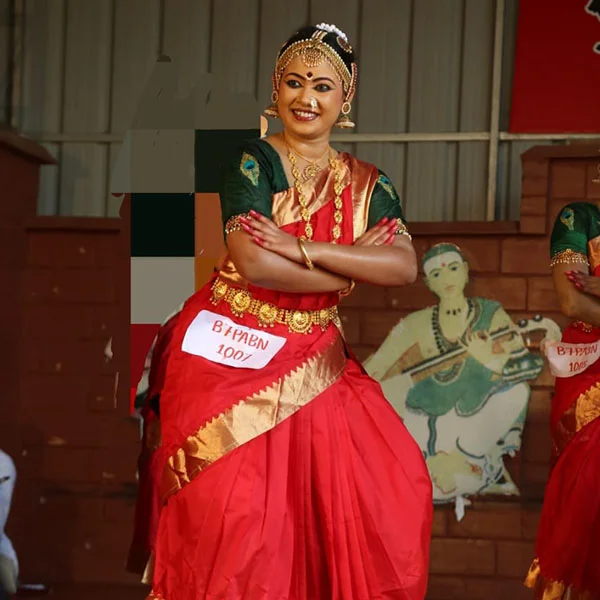
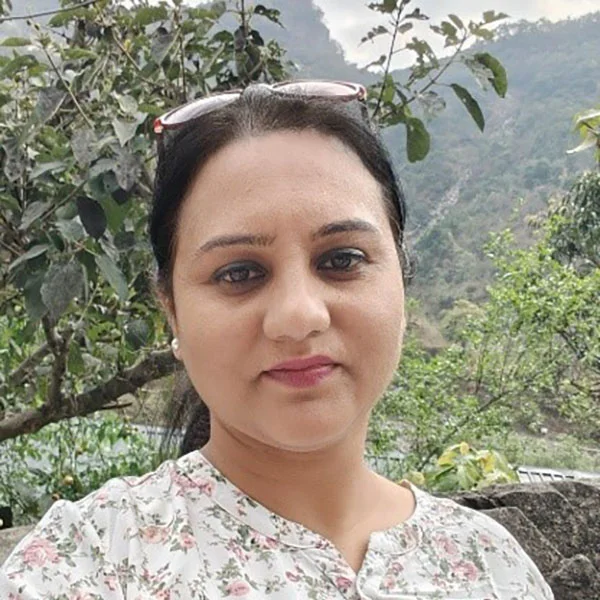
Meet our Teachers
Expert educators who connect, guide, and prepare students with special personalized care ❤️📚✨













Student Achievements
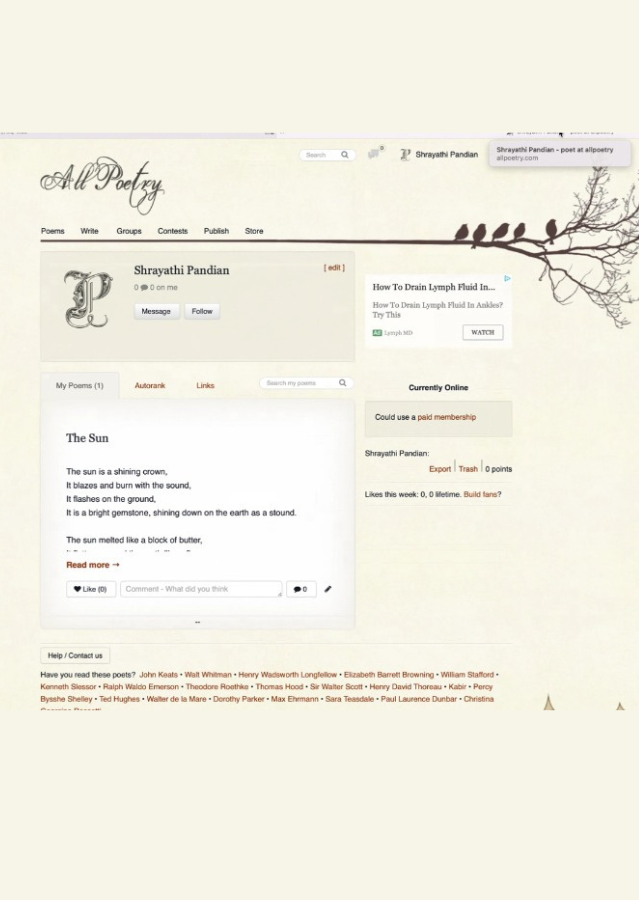
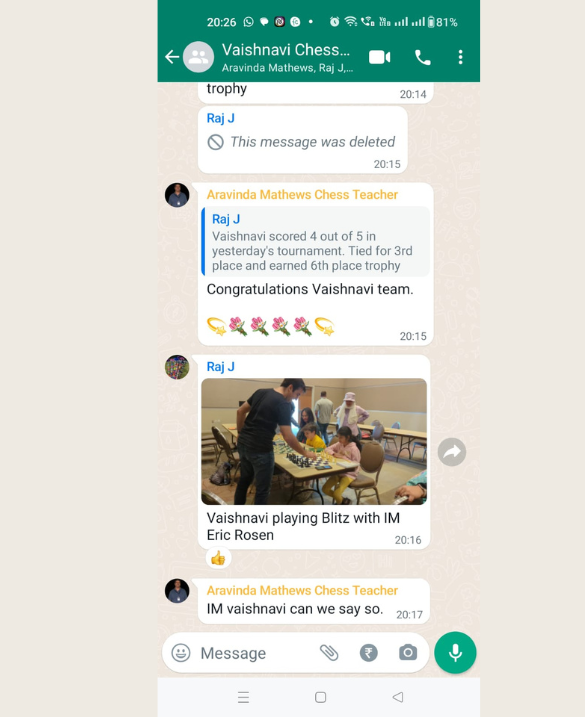
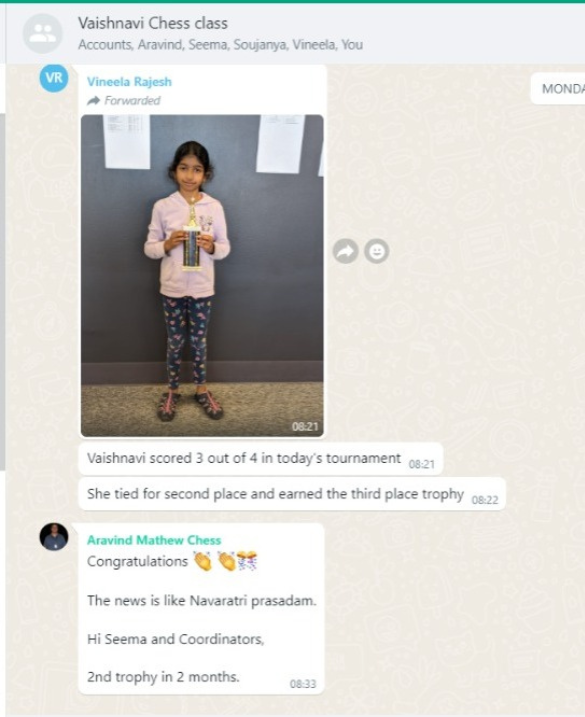
Making an Impact: 🏆 Student Achievements That Shine | 🌱 Your Growth. Our Mission.




What Our Parents Say About Us
👪 Real Results. Real Parent Voices. 🏆 Futures Built with Care



Parent Testimonials
Success Stories That Speak 🌟🎓 Wins That Inspire Pride 🏆
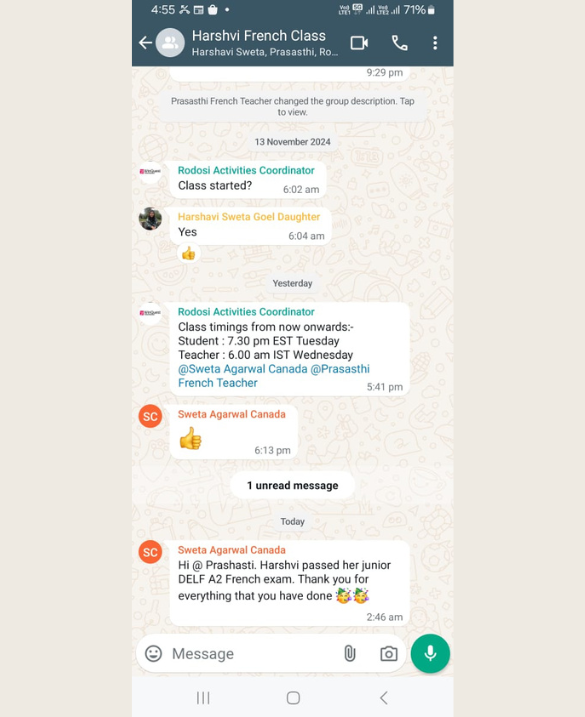
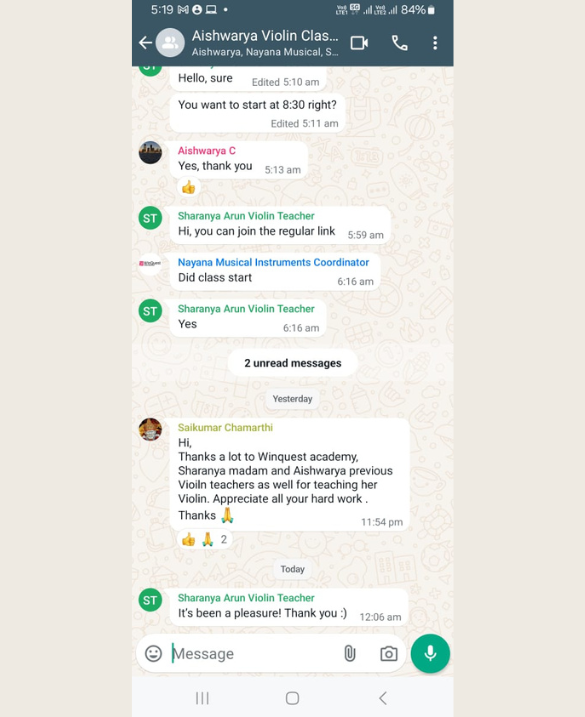
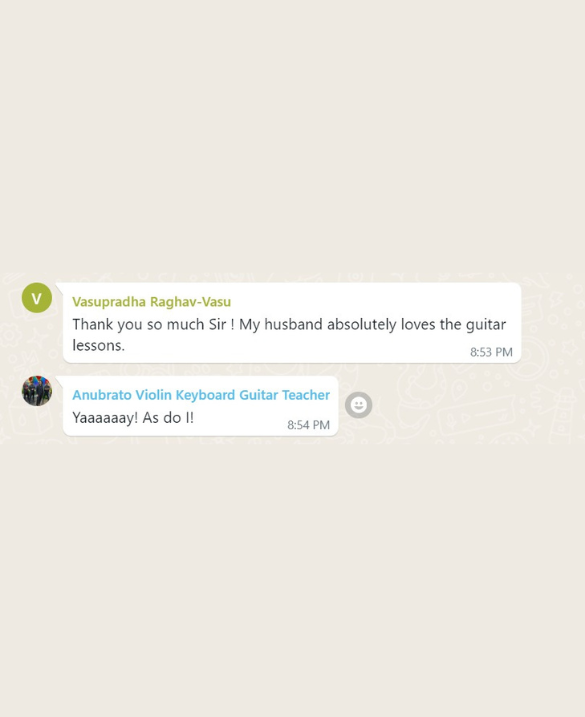
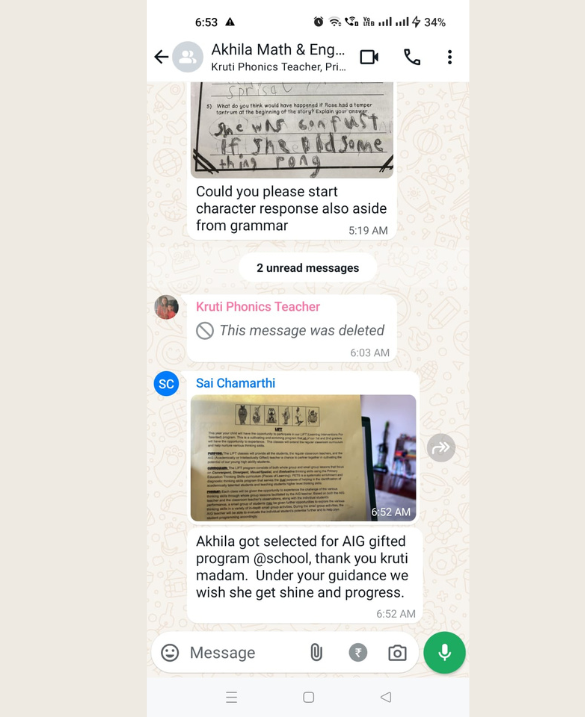
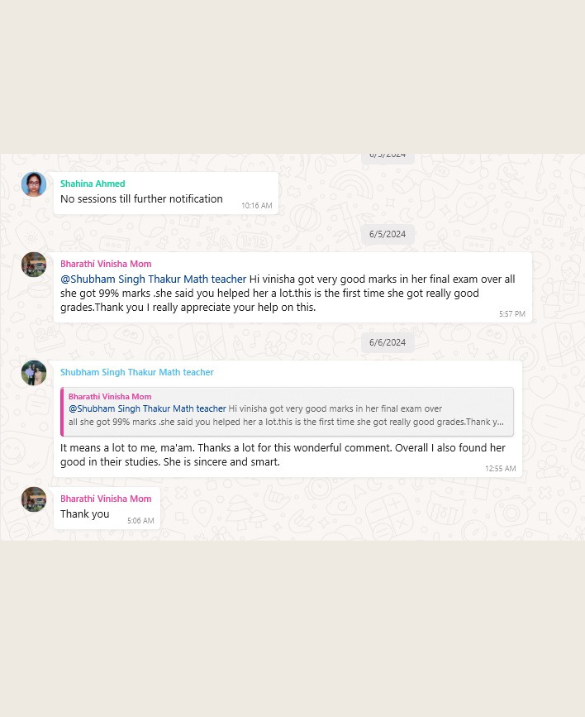
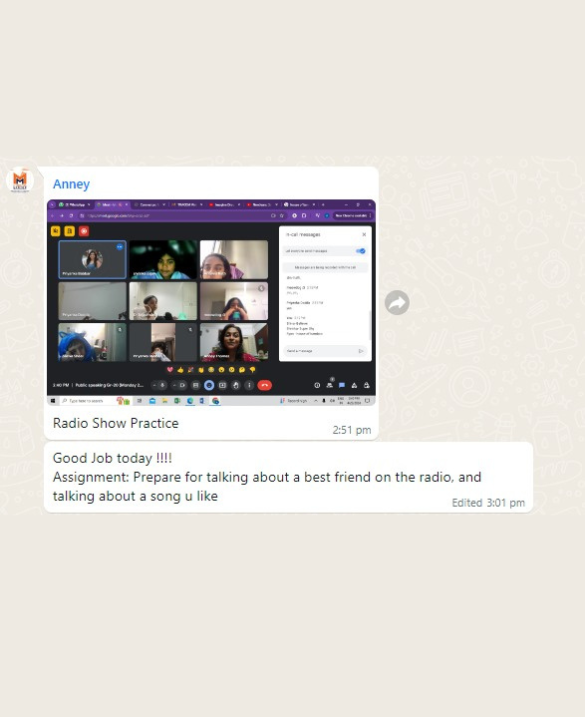
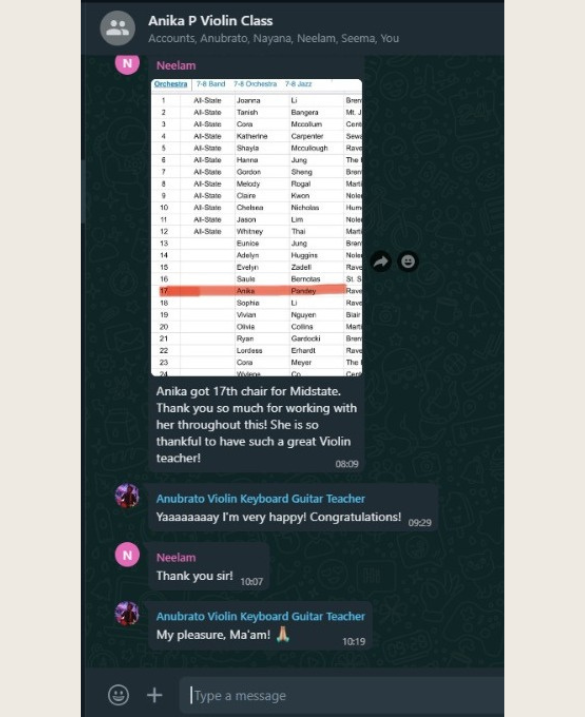
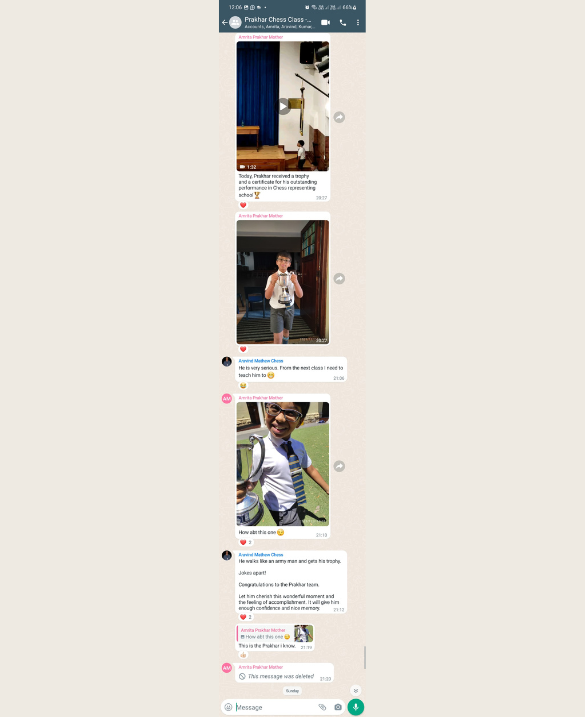
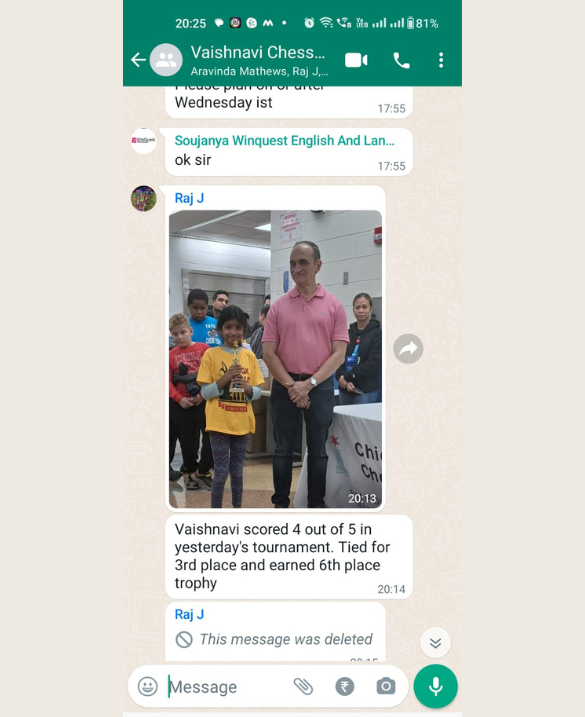
WhatsApp Testimonials
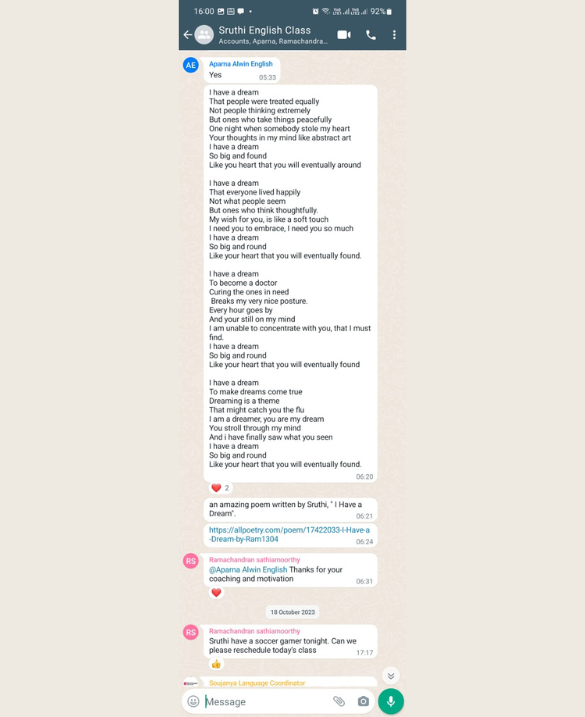
Real Voices from Our WhatsApp Community 💚📚


Latest News and Resources
📰 Learning Updates | 📘 Tips | 🎓 Resources | 💻 Online Courses